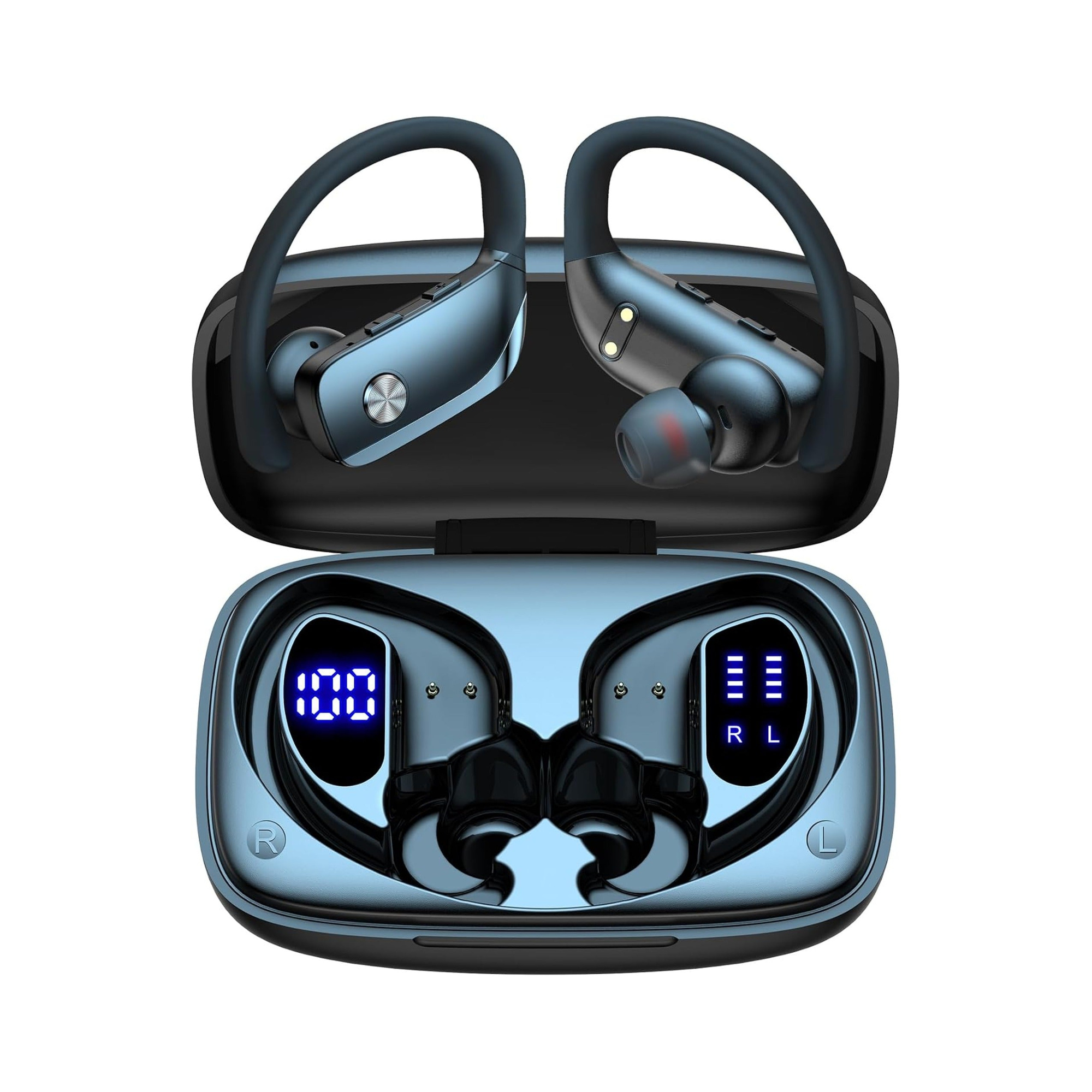
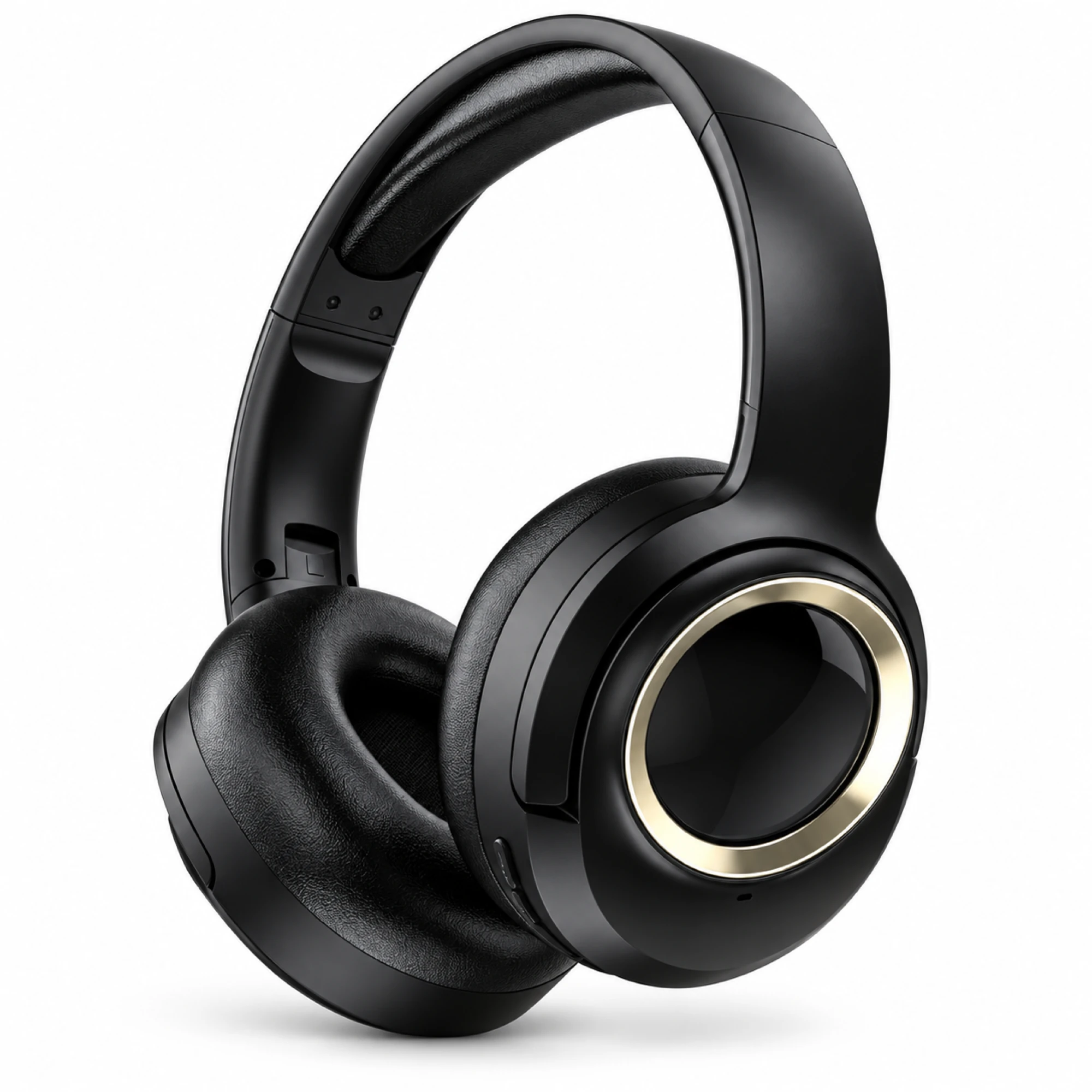
 MX-21 Black and Gold Wireless Headphones
 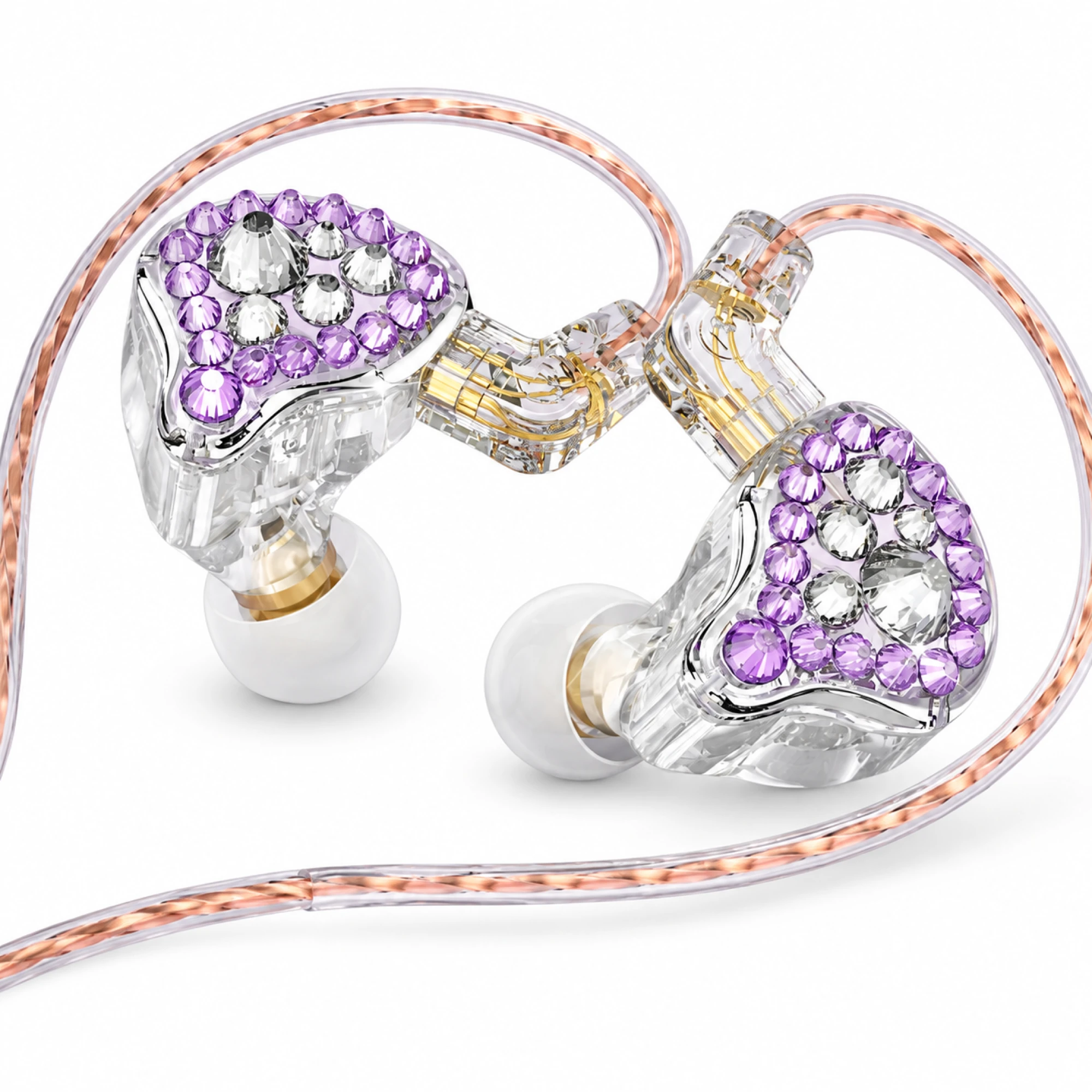 Q2 Pro Purple Crystal In-Ear Monitors
 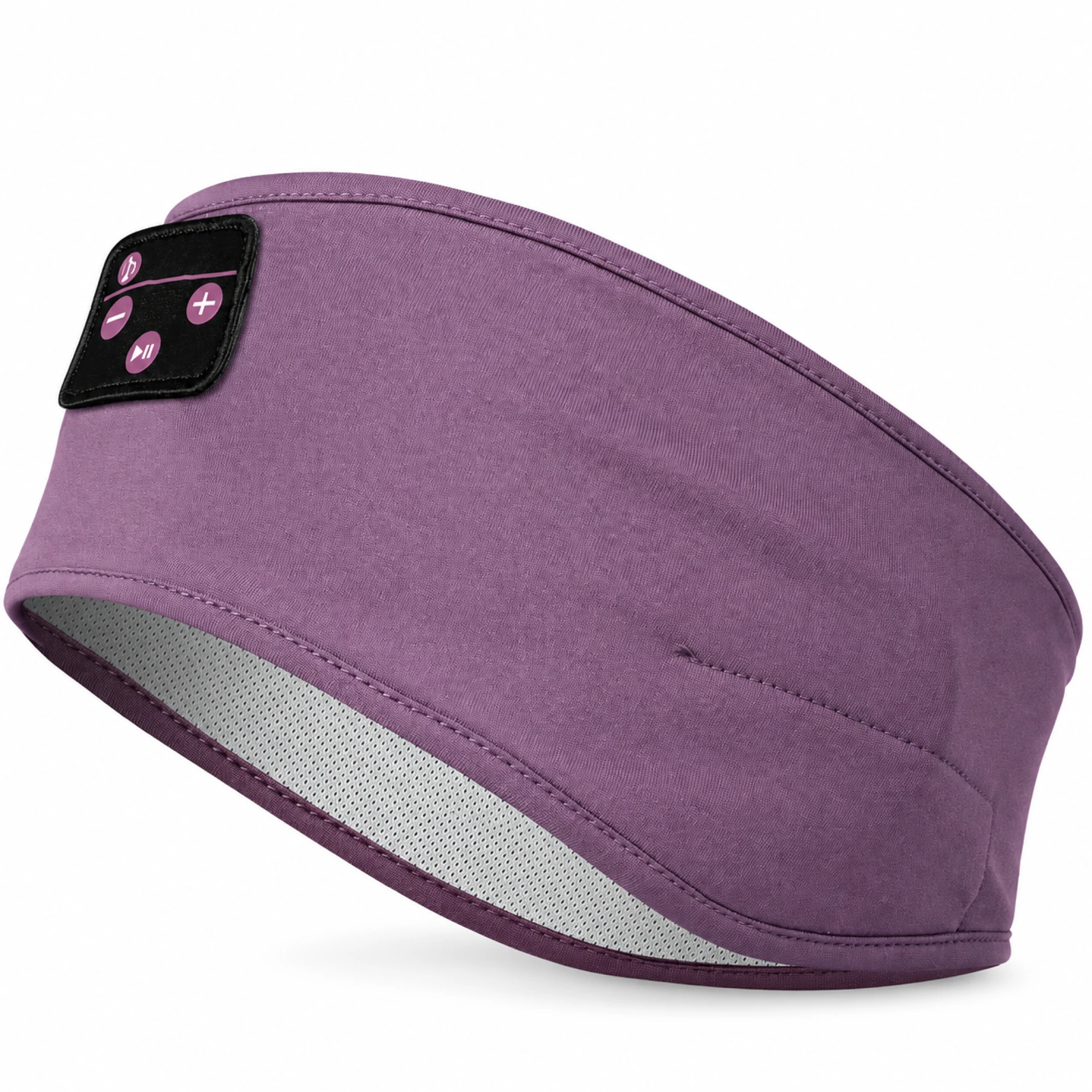 Purple Sleep Headband Headphones with Triangle Controls
 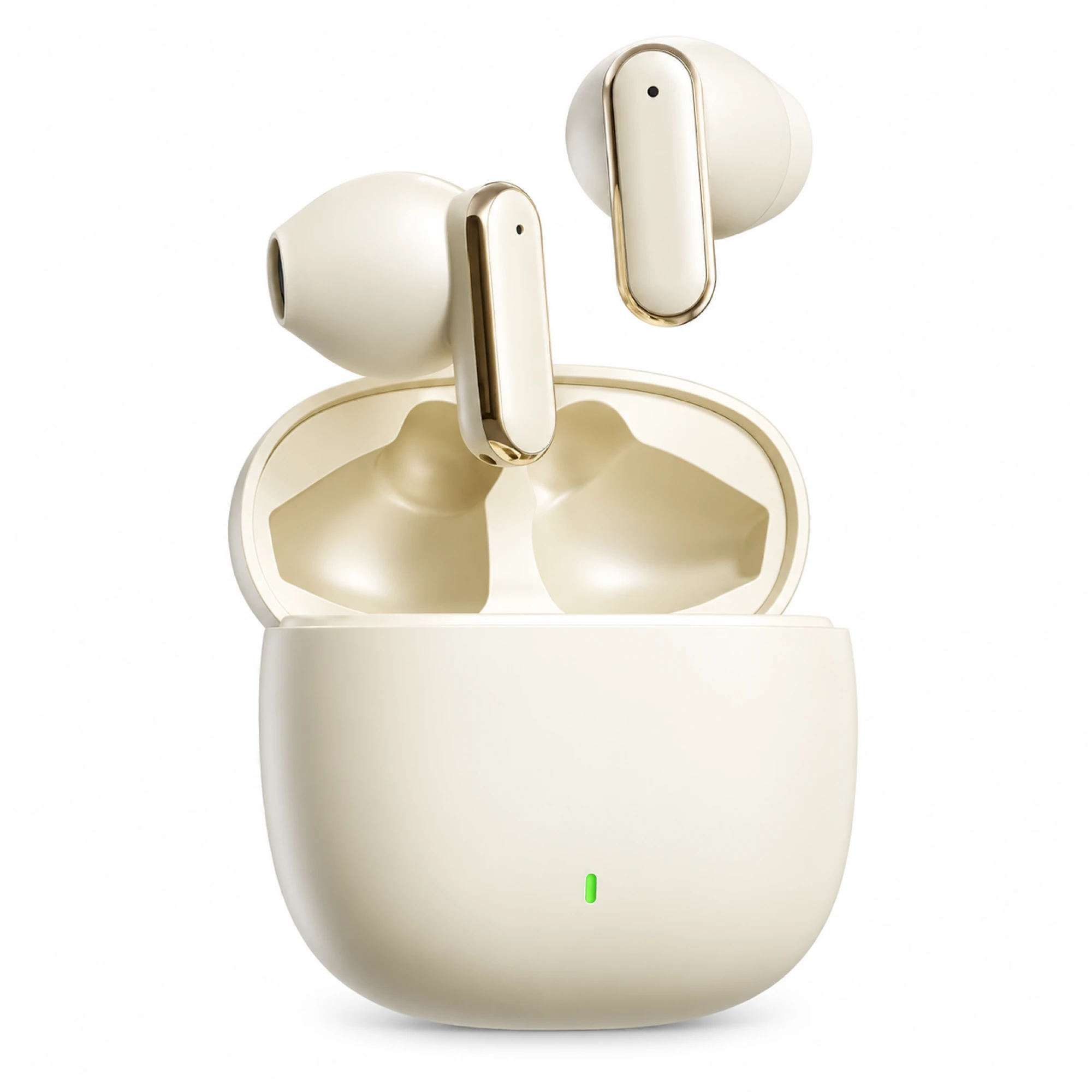 Cream Reflective-Stem Wireless Earbuds
 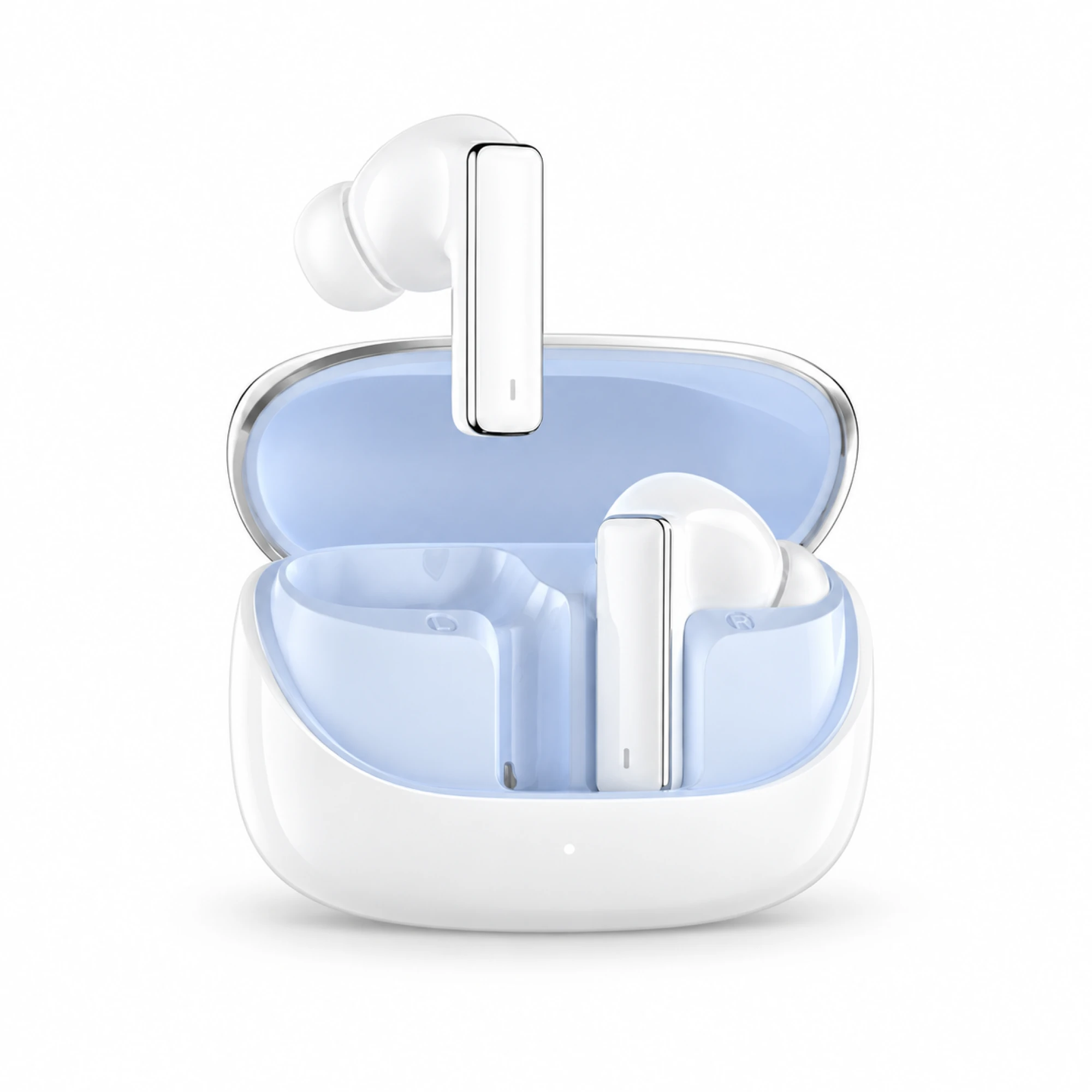 IN-01 White ANC Earbuds with Pale Blue Case Interior
 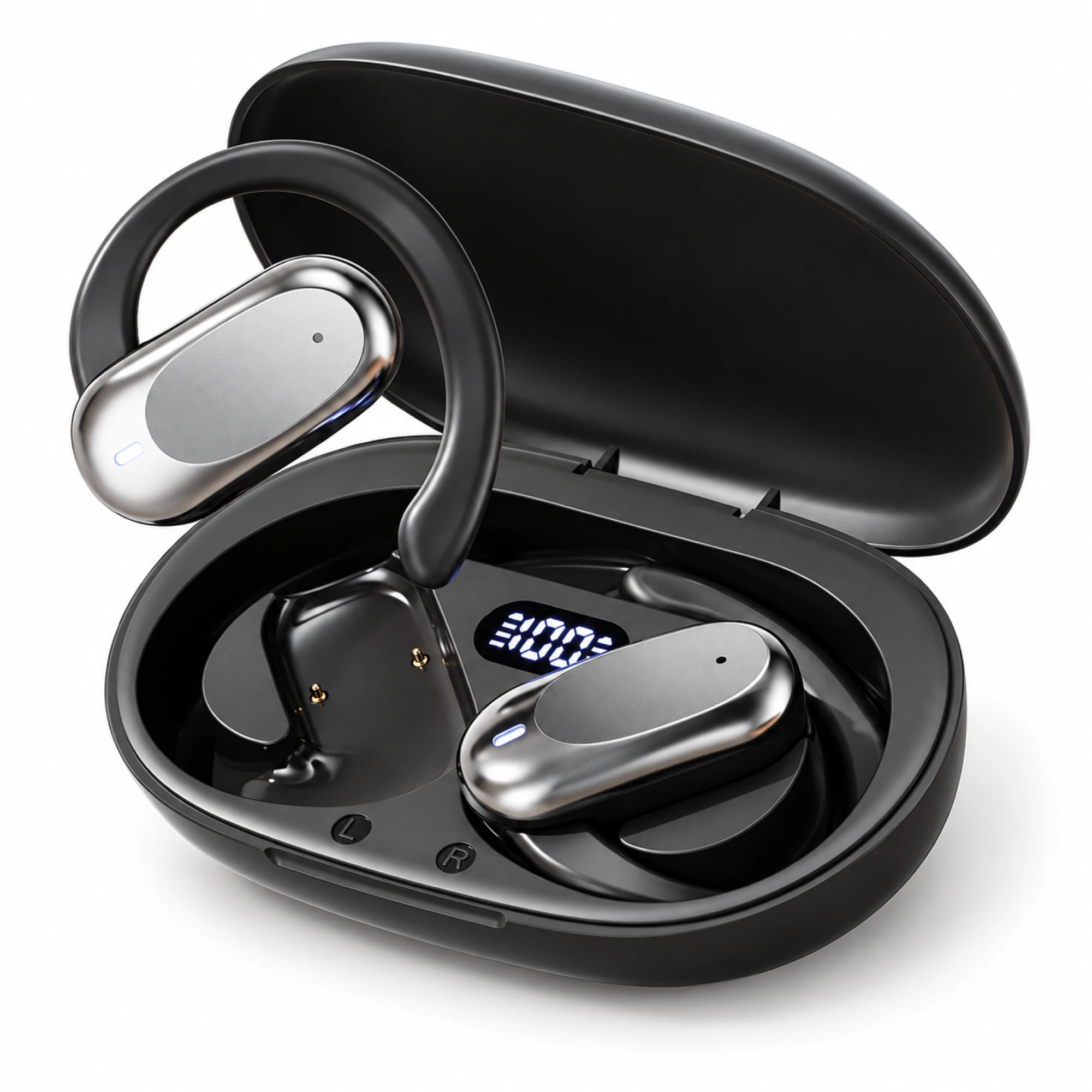 Silver Capsule Open-Ear Earbuds
 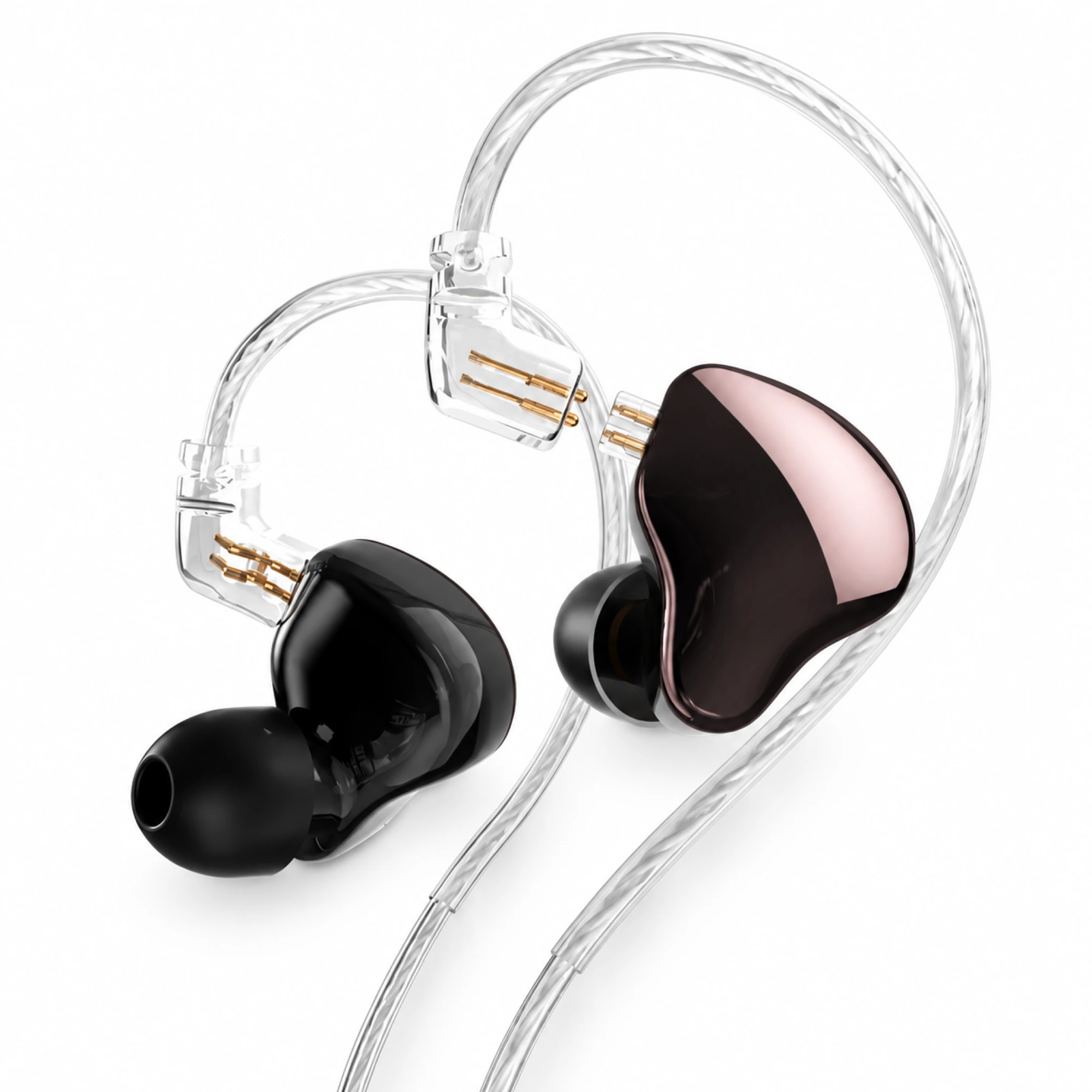 MN Rose-Metallic Detachable In-Ear Monitors
 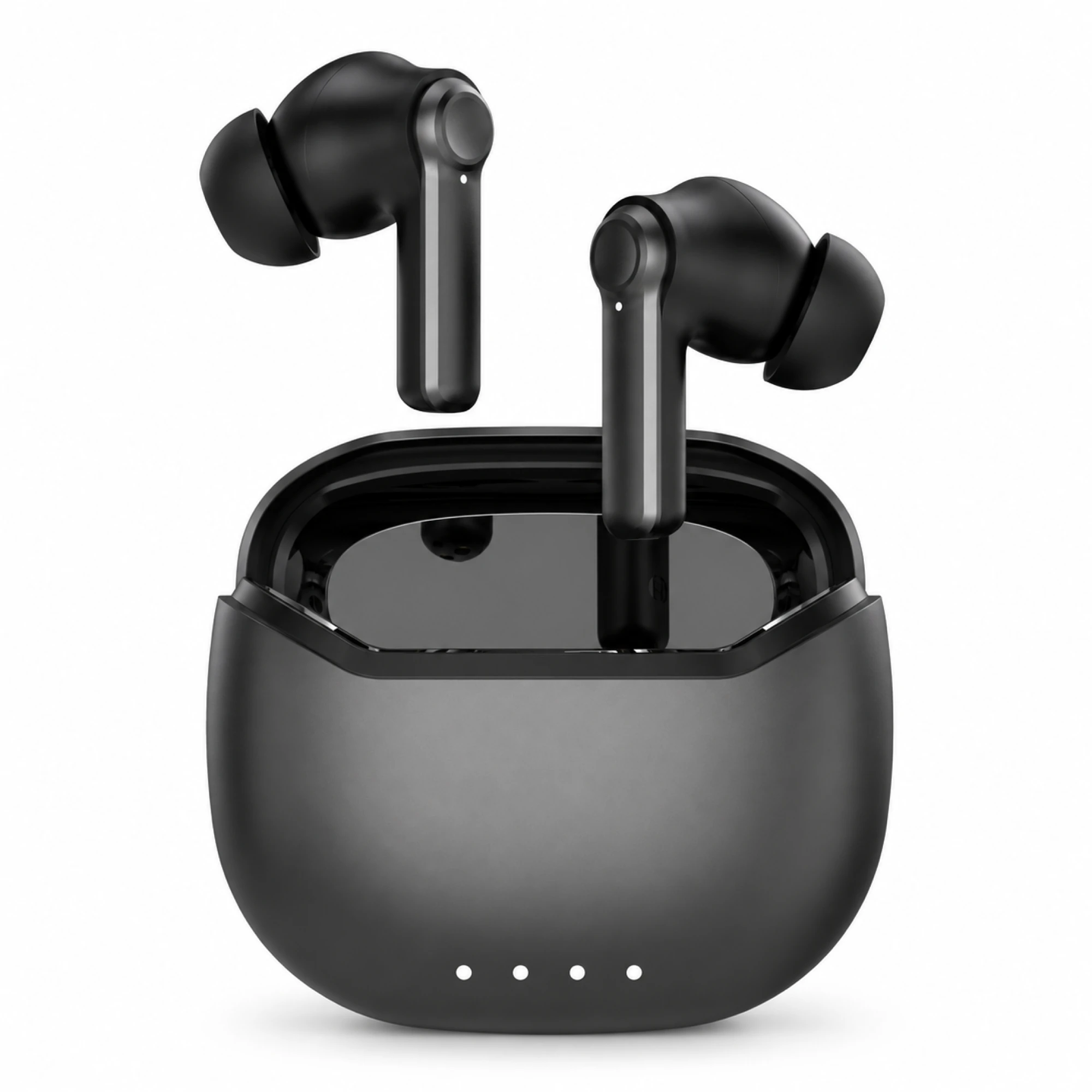 Black ANC Earbuds with Four-Indicator Case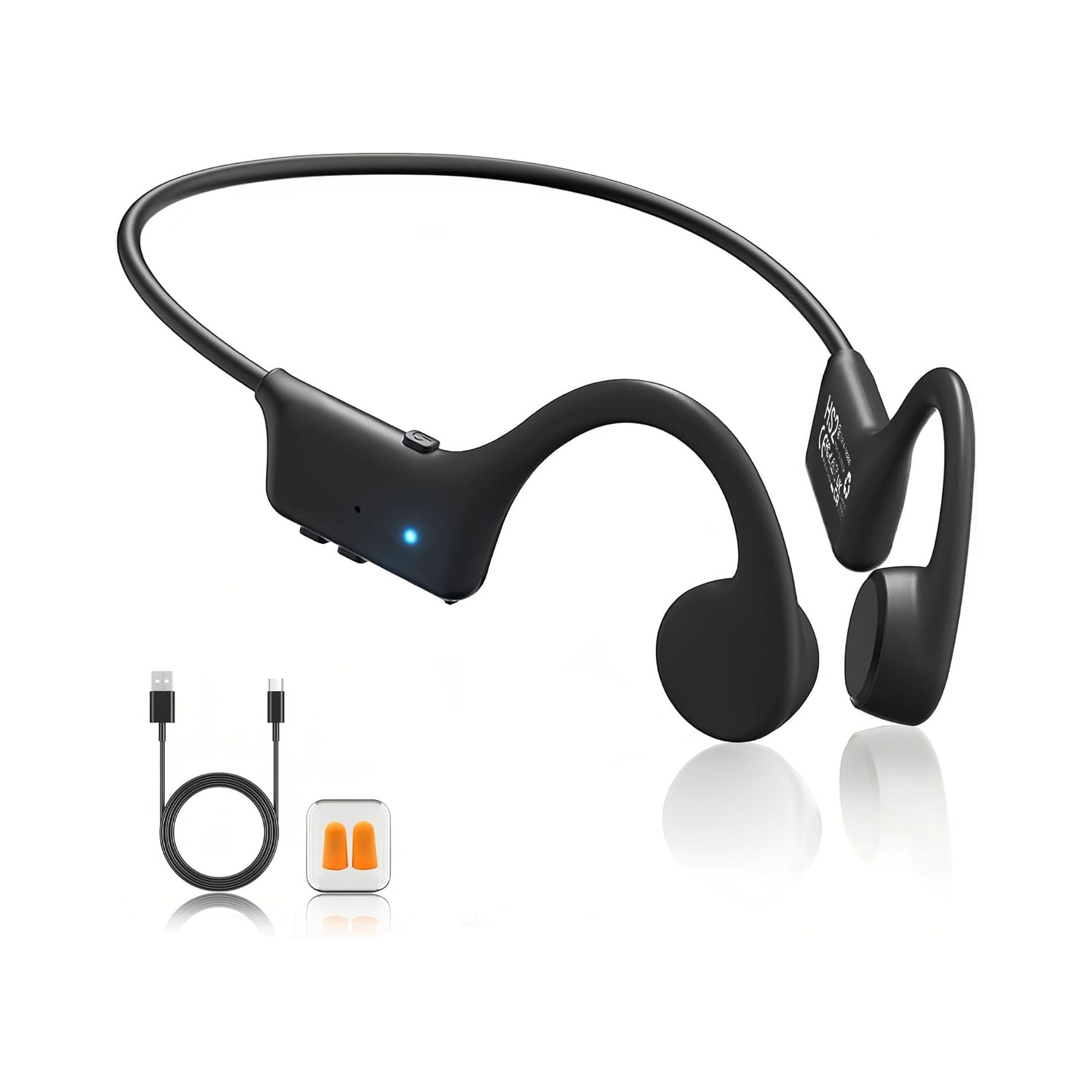
The best sports headphones for running in April are often not the best pair in January. A running year contains freezing mornings that shorten battery life, water that gets in by condensation instead of rain, and long runs that outlast the quoted playtime. Those three failures decide more purchases than sound quality does.
What a mild-weather test misses in February
A pair assessed on a defined loop in reasonable weather, bare-handed, for thirty to sixty minutes, describes very little of February: freezing air where lithium cells behave differently, cold-to-warm cycling that condenses water inside the shell, long runs of two to three and a half hours, and gloves that touch panels ignore.
Fit is the variable most buyers settle first, and we handle it separately in our no-fall running fit test. This article assumes fit is solved, and asks what breaks next.
Cold takes battery you had already budgeted
Manufacturers are candid about this in their support documentation, if not on the box. Apple's note on acceptable operating temperatures asks that its earbuds be used where the ambient temperature is between 0 °C and 35 °C, and states that using them in very cold conditions outside that range might temporarily shorten battery life and could cause the device to turn off. A mainstream product's specified operating window stops at freezing, and much of the northern hemisphere runs below it for months.
The chemistry is well understood in outline: a lithium cell's internal resistance climbs as temperature falls, usable capacity shrinks, and voltage sags under load. Nobody publishes an earbud-specific figure for it, so anyone quoting a tidy percentage for earbuds in the cold is guessing. What follows is practical instead.
- Quoted playtime is a room-temperature figure. Every hour figure on every listing, ours included, is measured warm. Treat it as a ceiling, never as a plan.
- The charging case is a battery too, and one that spent the night in a cold car may charge slowly or refuse, since charging a cold cell is what causes lithium plating.
- Sudden shutdown is not always a fault. A pair that dies at 30% on a freezing morning, then reads sensibly indoors, was reporting a cold cell's voltage.
- Body heat does real work. A sealed bud sits in a warm canal; an open-ear or bone conduction unit sits in the airstream, closer to air temperature. The design that is safer near traffic is the more exposed hardware in a hard frost.
One thing gets overstated: wind chill. The National Weather Service defines it as the rate of heat loss from exposed skin caused by wind and cold, and wind cannot take an object below air temperature, only get it there faster. Air temperature is the number that matters for hardware.
Rain is rarely the failure. Condensation is.
An IP code comes from IEC 60529, a set of laboratory tests using water at rest or sprayed at a specified rate; our guide to reading IP ratings covers what each digit certifies. What no digit models is thermal cycling, which is what a winter of running applies.
The sequence goes like this. The earbuds sit at −2 °C for an hour. You finish and carry a cold object into a warm, humid hallway, and moisture condenses on every surface below the dew point, including surfaces inside a vented shell. Then you close them into a case and charge them, four times a week for three months. No single event resembles the immersion test that earned the rating, yet the cumulative exposure can exceed a downpour.
The habits that address it are dull and effective:
- Do not case cold, wet earbuds immediately. Give them a few minutes in room air, grilles facing up.
- Dry the charging contacts specifically, and not just the outside. Damp contacts are a common cause of a bud that will not charge.
- Leave the case open indoors afterwards instead of sealing humid air inside it.
- Wipe instead of rinsing unless the listing permits rinsing.
This rules out more of the open-ear category than buyers expect. Our own Open-Ear Clip-On Wireless Earbuds with LED Charging Case, $28.99 at the time of writing, state that they are not water-resistant and advise skipping rainy runs. Good commuting earbuds, and the wrong tool for a wet winter.
Gloves defeat touch controls
The most predictable winter annoyance, and the least discussed, because reviewing is done bare-handed. Capacitive panels generally respond to the electrical properties of bare skin, so a glove interrupts them; taps do nothing until you take a hand out, which at −5 °C in the rain you will do once and then stop bothering. Wet surfaces cause the opposite problem, registering as contact and producing phantom taps.
- Physical buttons work through gloves, but they need something to press against. A button on a floating in-ear bud pushes it deeper into the canal; one on an ear-hook or wraparound band has a frame to brace against.
- Check where the buttons sit relative to a hat. Controls behind the ear disappear under a beanie or hood, and hunting for them mid-run is worse than reaching for the phone.
- Volume is the control you need outdoors, because traffic and wind noise change constantly. It matters more in winter than most features on the box.
Our Sport Ear-Hook Wireless Earbuds, $28.99 at the time of writing, are the catalogue example: the listing describes separate main and volume buttons, chosen to avoid touch gestures and accidental taps during workouts. Unremarkable in a warm room, and it matters in gloves.
Long-run battery arithmetic
Runners in a marathon block buy on a spec that gets little attention: continuous playback measured in hours. A weekday easy run of forty to sixty minutes needs about an hour and a half once warm-up and travel are counted. A marathon-block long run of two to three and a half hours needs four to four and a half. Race day for a mid-pack marathon, counting the corral wait, needs six or more. Anything past five hours means planning a recharge into the session.
Our Bone Conduction Open-Ear Sport Headphones, $39.99 at the time of writing, list up to 12 hours of playtime and IP54 protection for sweat, splashes and light rain; the Sport Ear-Hook pair lists 8 hours per earbud and 80 hours with its case. Both clear a long run on paper. The failure mode is almost never total capacity: it is starting a three-hour run at 40% because the case sat in a cold hallway overnight.
- Charge to full indoors the night before, and keep the case against your body on freezing days so a mid-run top-up is actually possible.
- Use one earbud at a time on road routes where you want an open ear anyway. It roughly doubles a set's endurance, and the sides rarely deplete evenly, so swap before either one empties.
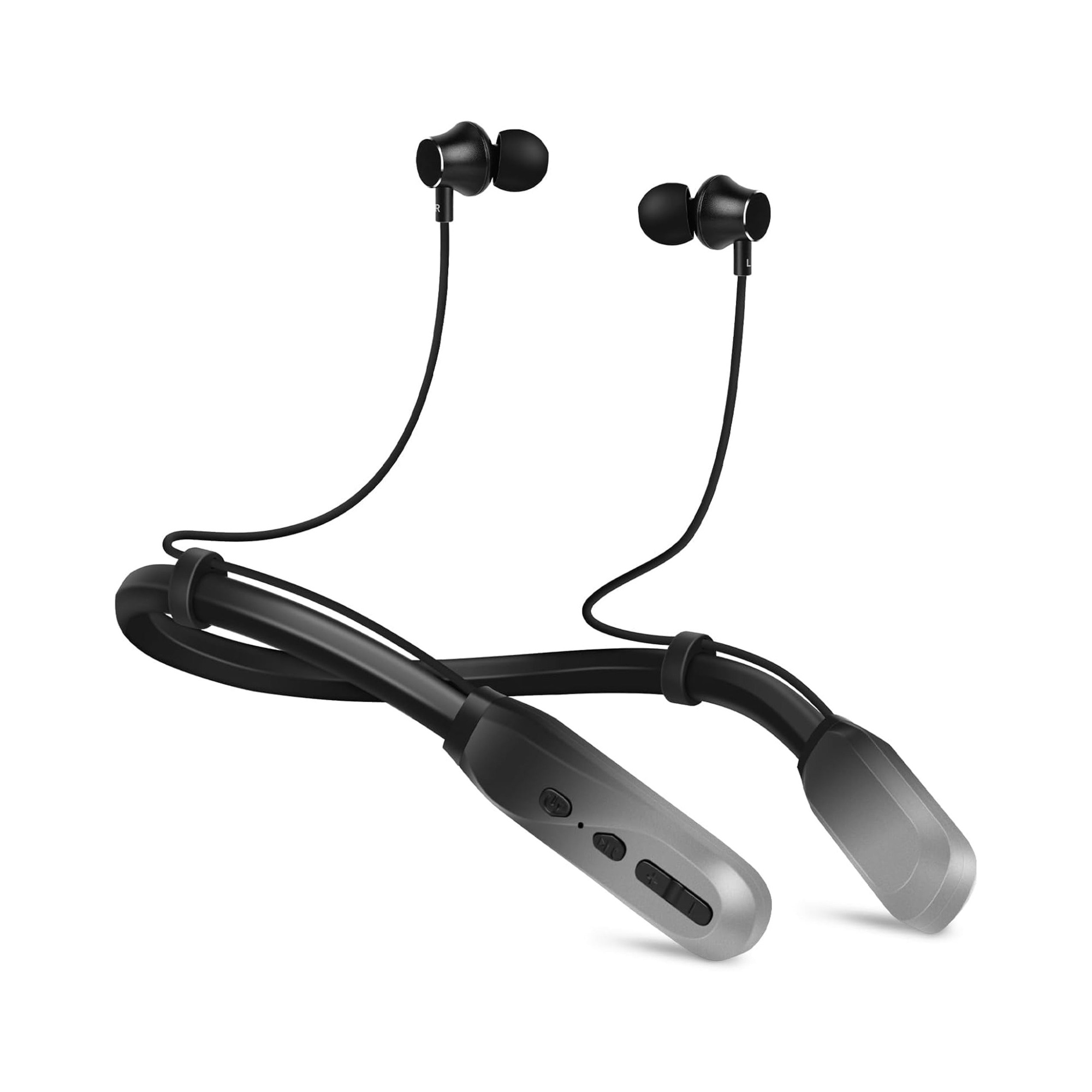
- Know your fast-charge figure. Our Bluetooth Neckband Wireless Earphones, $24.99 at the time of writing, list roughly 10 hours of playback from a 10-minute charge, and the neckband keeps the buds tethered when you pull them out at a crossing.
None of those figures were measured by us in the cold, and no listing we have seen from any brand publishes a cold-weather runtime. Budget headroom instead.
Three running models, and the gaps in their listings
| Product | Price | Stated battery and water protection | Cold and wet verdict |
|---|---|---|---|
| Bone Conduction Open-Ear Sport Headphones | $39.99 | Up to 12 h, USB-C fast charging, IP54 for sweat, splashes and light rain | Most weather-capable model we list; also the most cold-exposed |
| Sport Ear-Hook Wireless Earbuds | $28.99 | 8 h per earbud, 80 h with the case, separate main and volume buttons, sweat- and dust-resistant, no IP code | Best glove behaviour we stock; rain tolerance unquantified |
| Bluetooth Neckband Wireless Earphones | $24.99 | Roughly 10 h of playback from a 10-minute charge, three tip sizes, no IP code | Endurance and quick top-ups; dry weather only for now |
Three gaps are worth naming. No listing of ours states an operating temperature range, none publishes a cold-weather runtime, and the ear-hook and neckband models carry no IP code at all, so their rain tolerance is undocumented and not merely modest. The everyday wireless earbuds collection is the shelf these three sit on, and our open-ear versus bone conduction explainer covers the sound-path difference between them.
Questions about running headphones in winter
Does an IP rating cover a cold, wet run?
Only partly. IEC 60529 tests an enclosure against still or sprayed water at room temperature, so an IP54 rating tells you the shell survives a shower. It says nothing about moisture forming inside the housing when a cold pair is carried indoors, which is the exposure a winter of running actually applies. Treat the rating as a floor and dry the contacts anyway.
Will one pair get through a whole marathon?
On stated figures, yes, with room to spare: the models above list 8 and 12 hours of playback against a mid-pack marathon of four or five hours including the corral wait. The risk is the starting charge, not the capacity. A case left overnight in a cold hallway can begin the morning well below what the display claims.
What a full running year comes down to
Cold does not break running headphones; it quietly reduces them, through shorter runtime, a case that will not charge and an unexpected shutdown. Water usually arrives by condensation from cold-to-warm cycling, and gloves make capacitive controls useless while wet ones make them erratic. Across a year the choice comes down to three documented things: a published water rating, a physical volume button, and battery headroom over your longest session.