
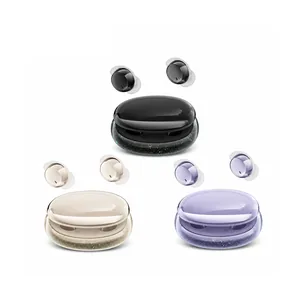
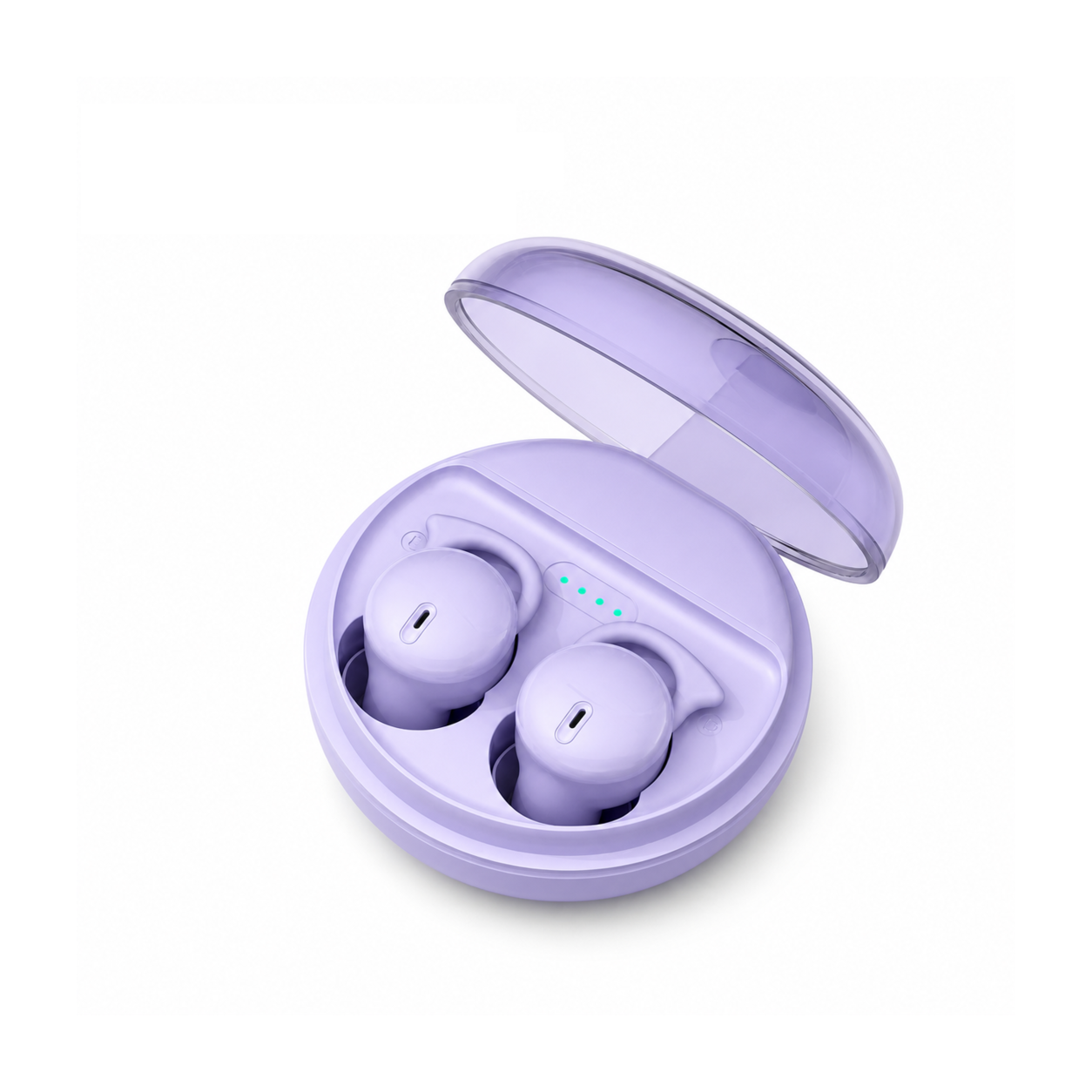
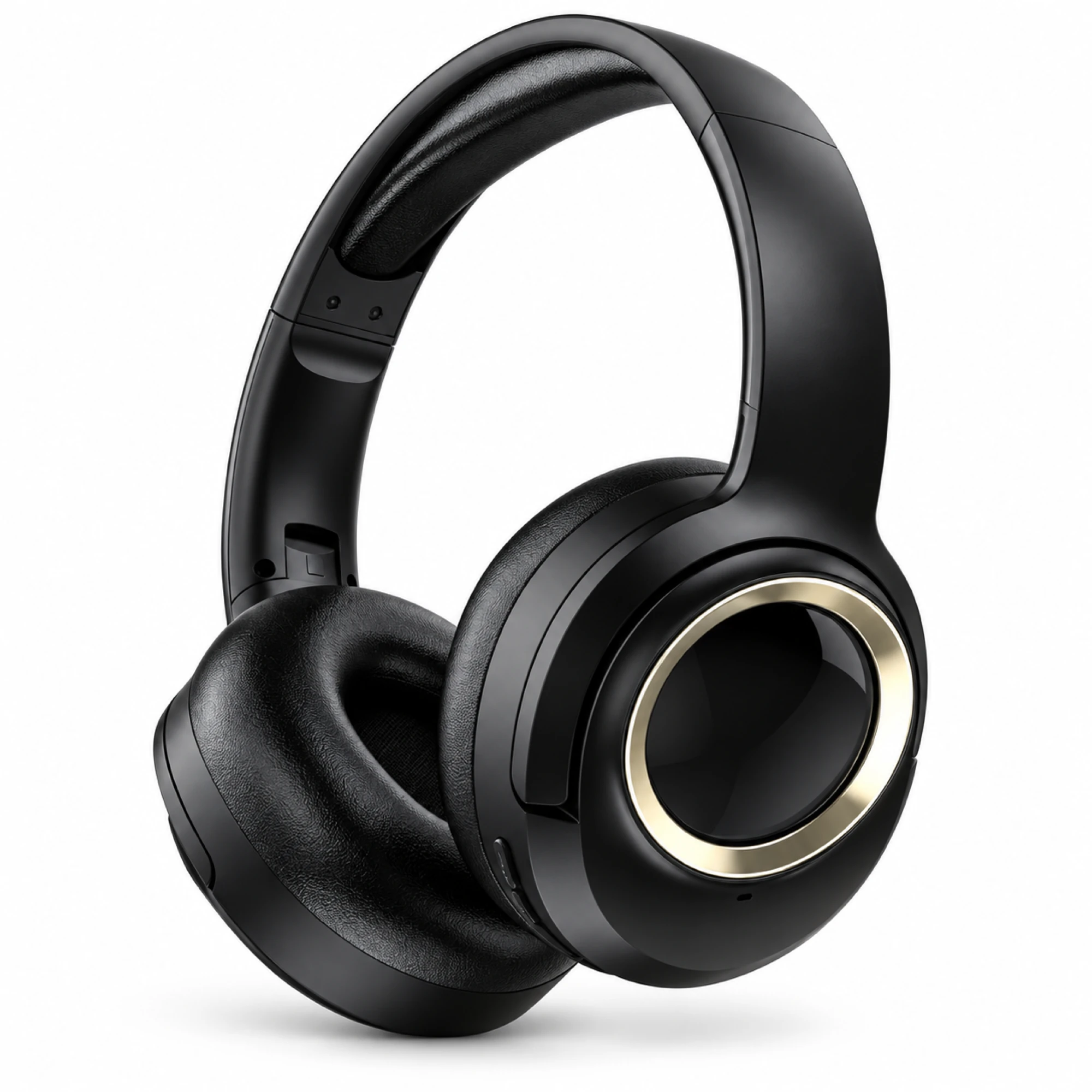
 MX-21 Black and Gold Wireless Headphones
 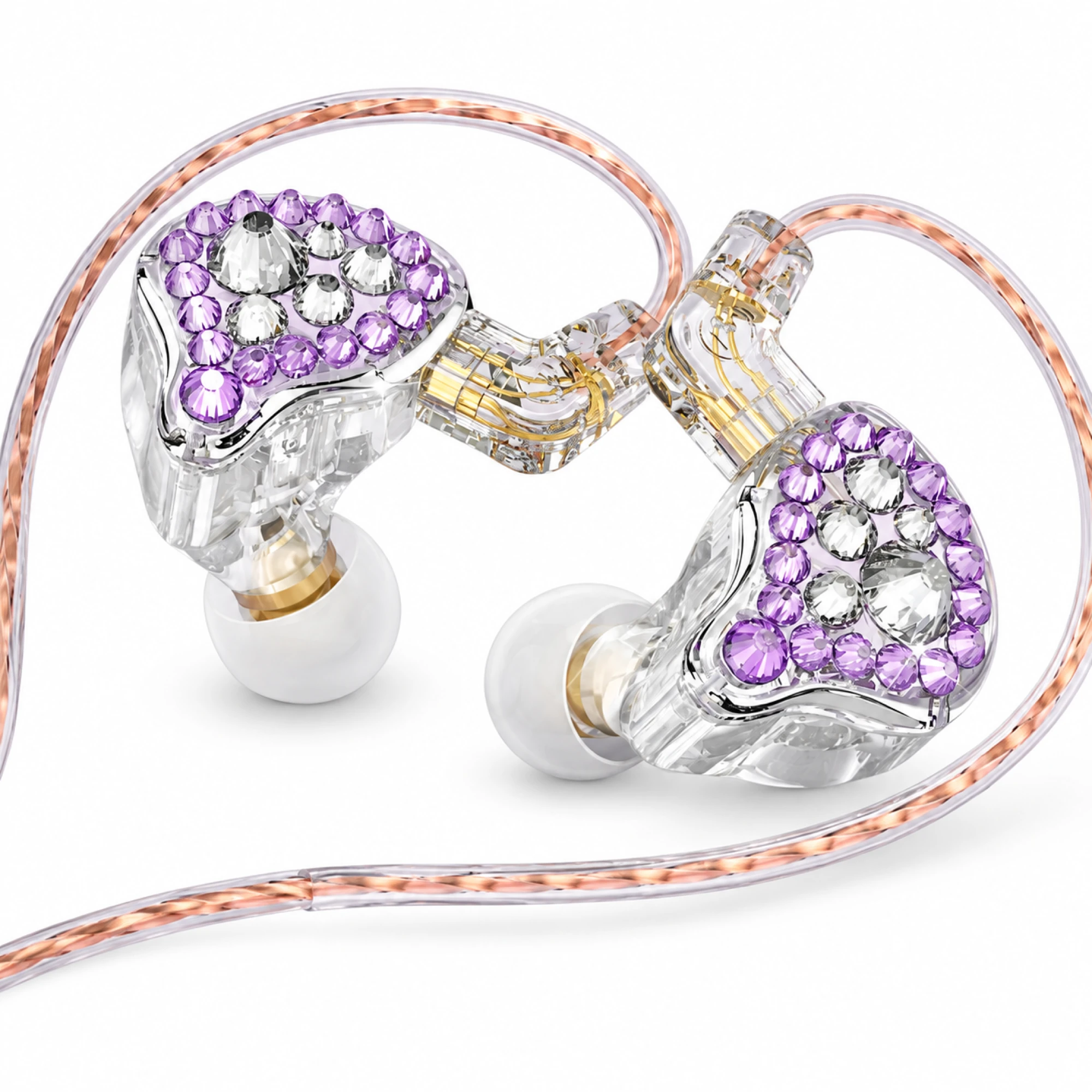 Q2 Pro Purple Crystal In-Ear Monitors
 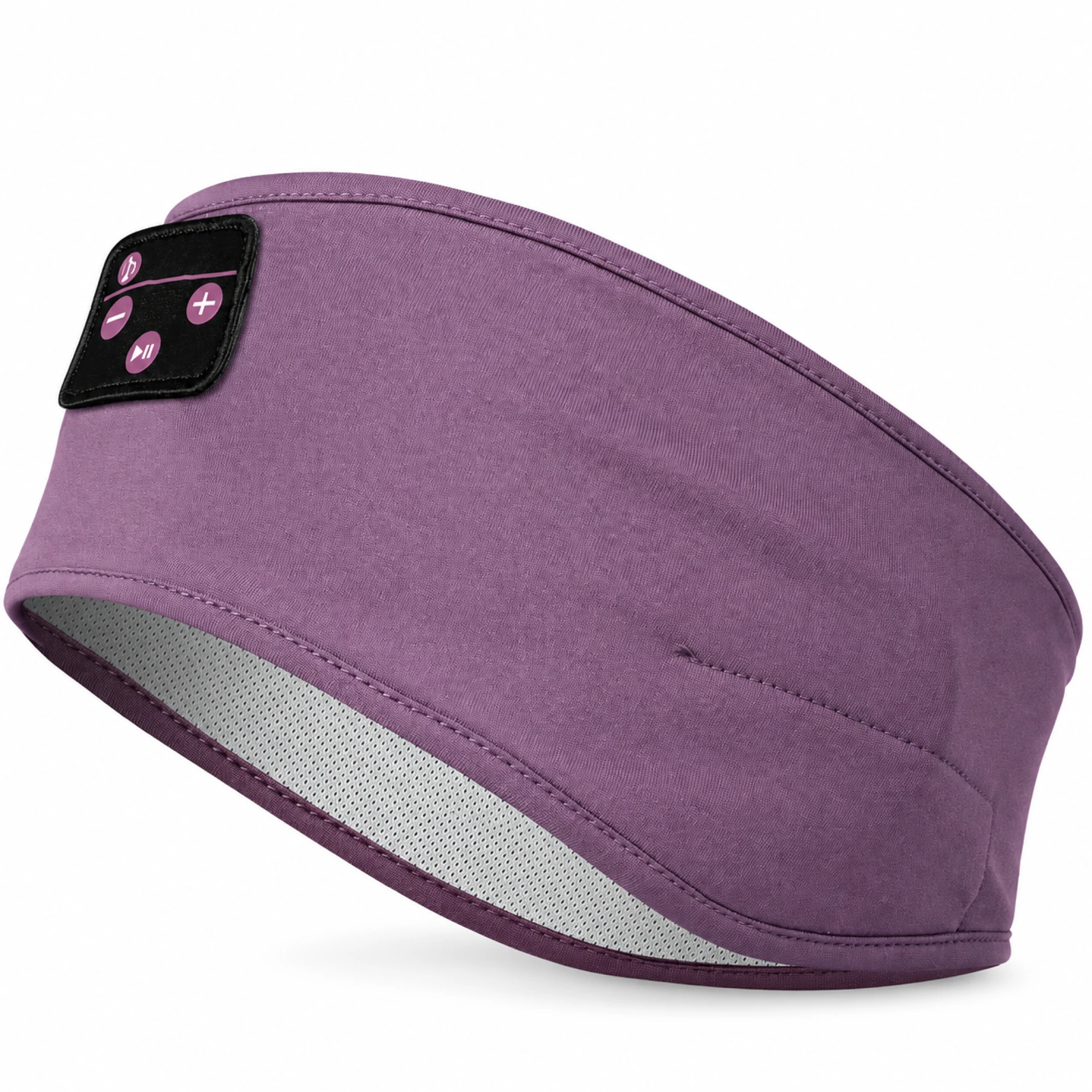 Purple Sleep Headband Headphones with Triangle Controls
 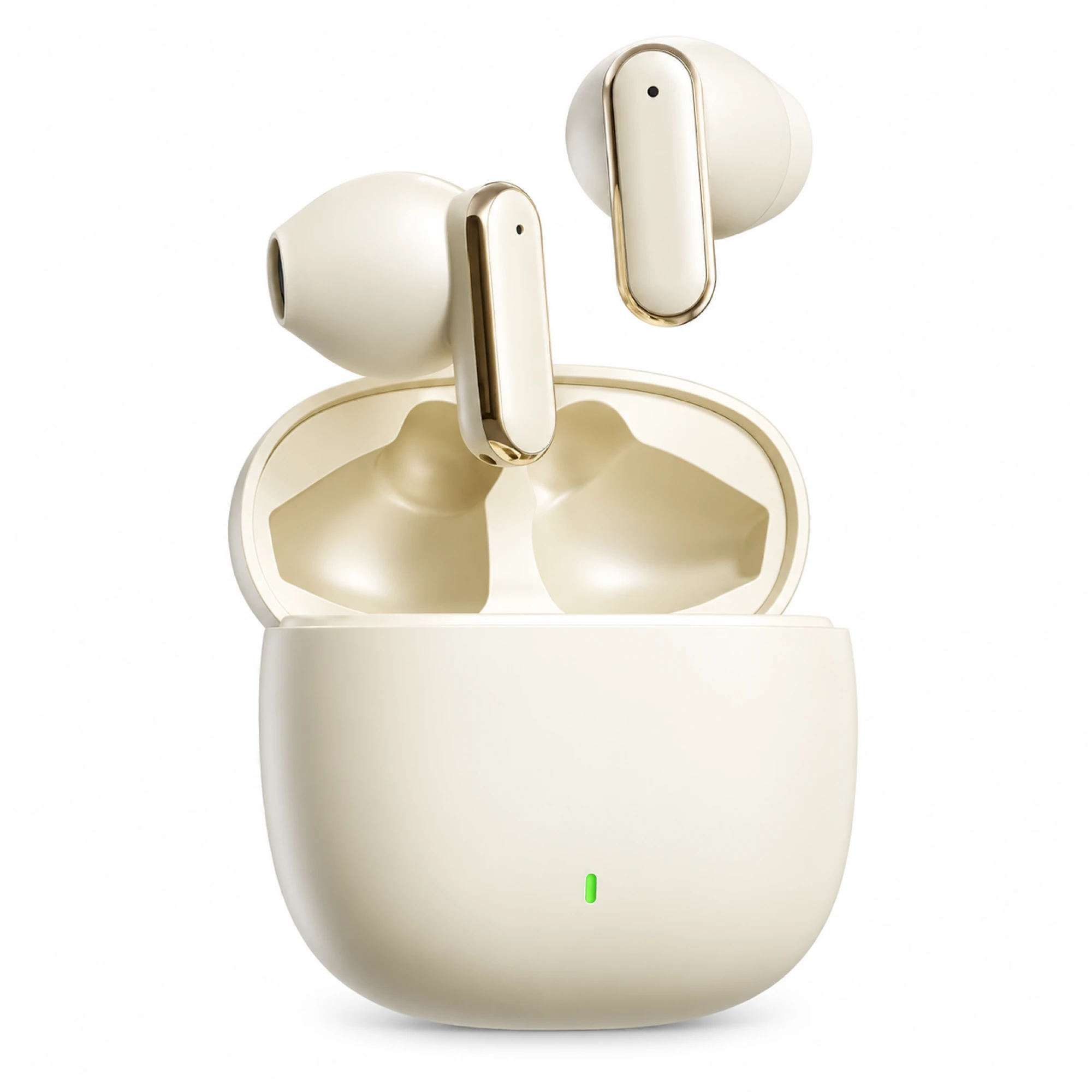 Cream Reflective-Stem Wireless Earbuds
 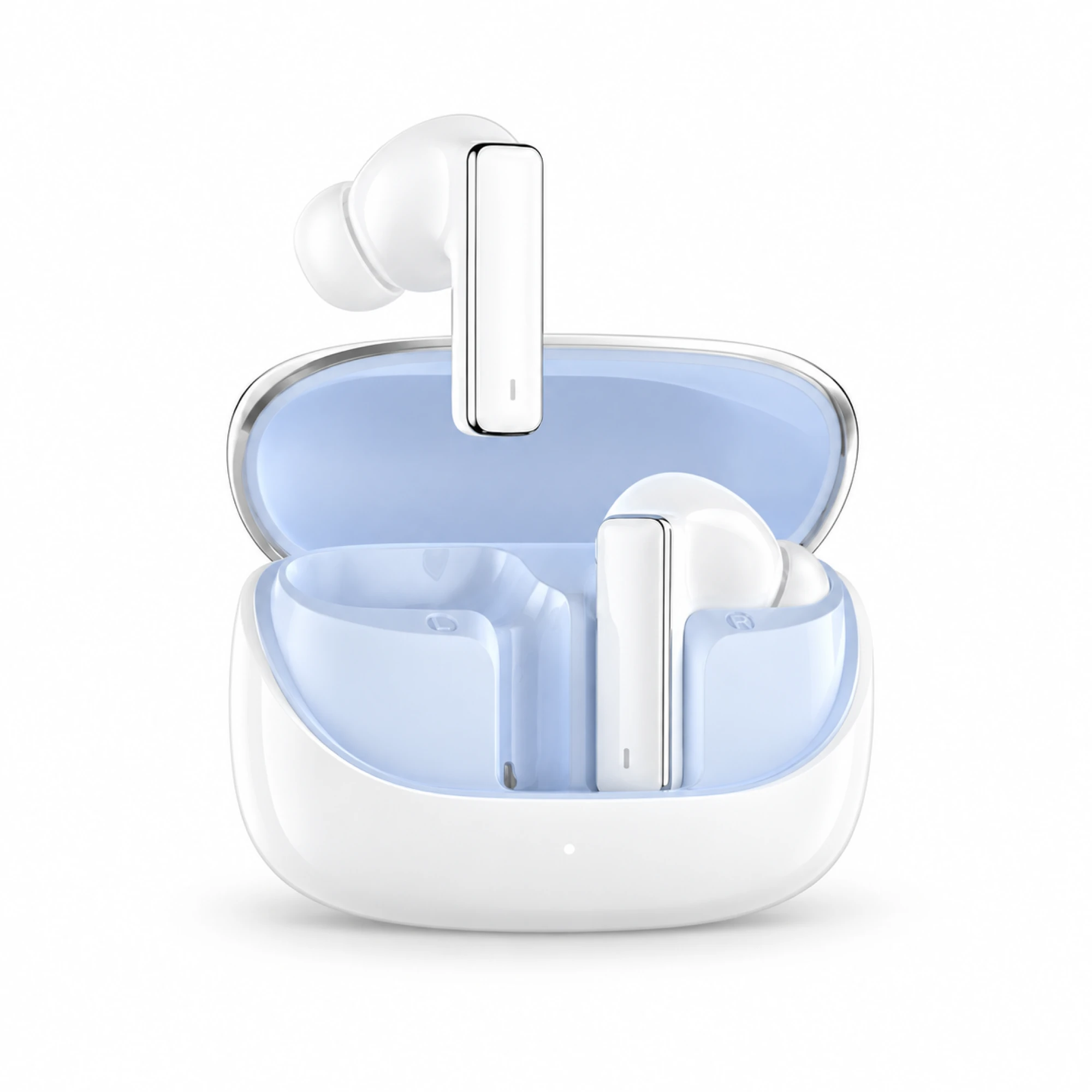 IN-01 White ANC Earbuds with Pale Blue Case Interior
 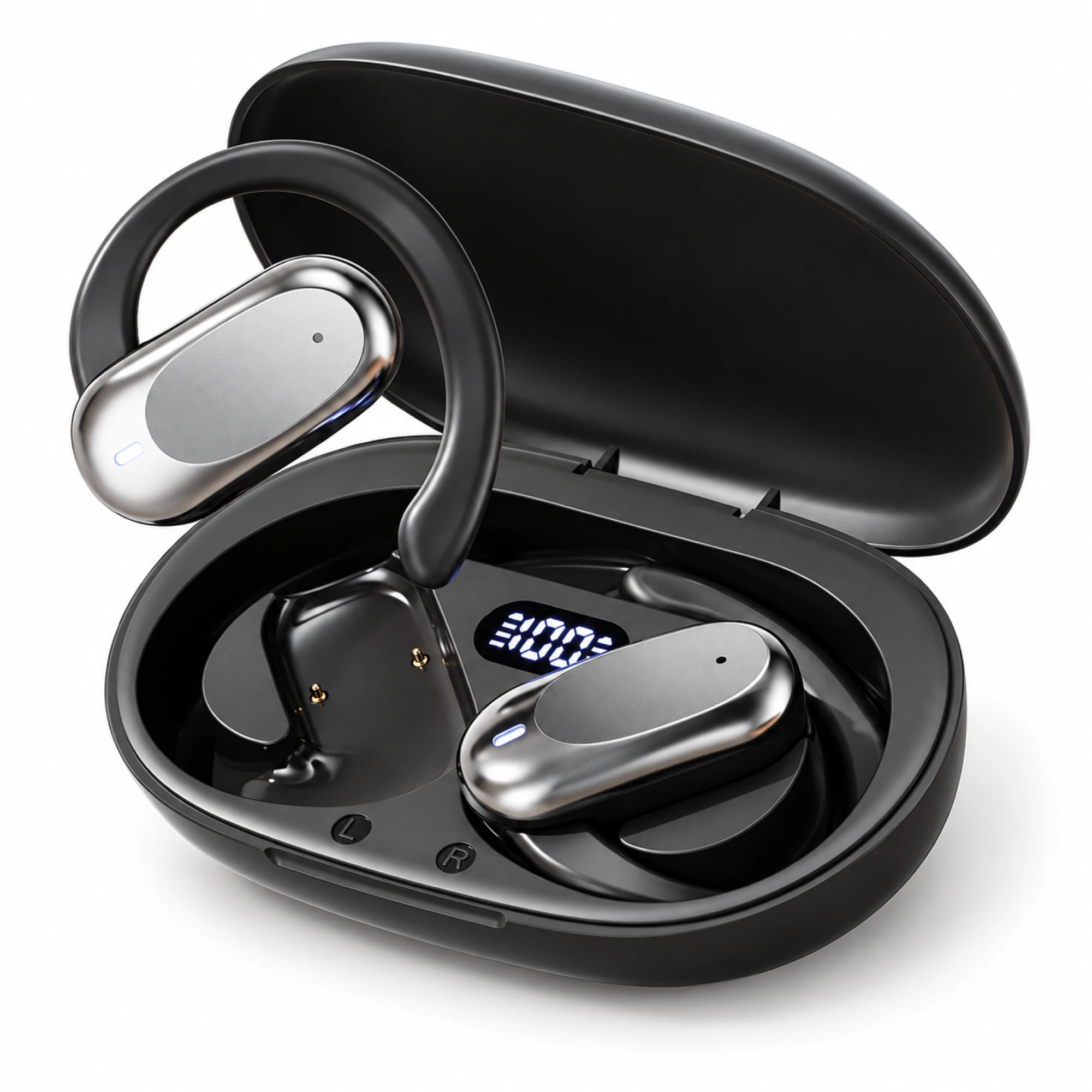 Silver Capsule Open-Ear Earbuds
 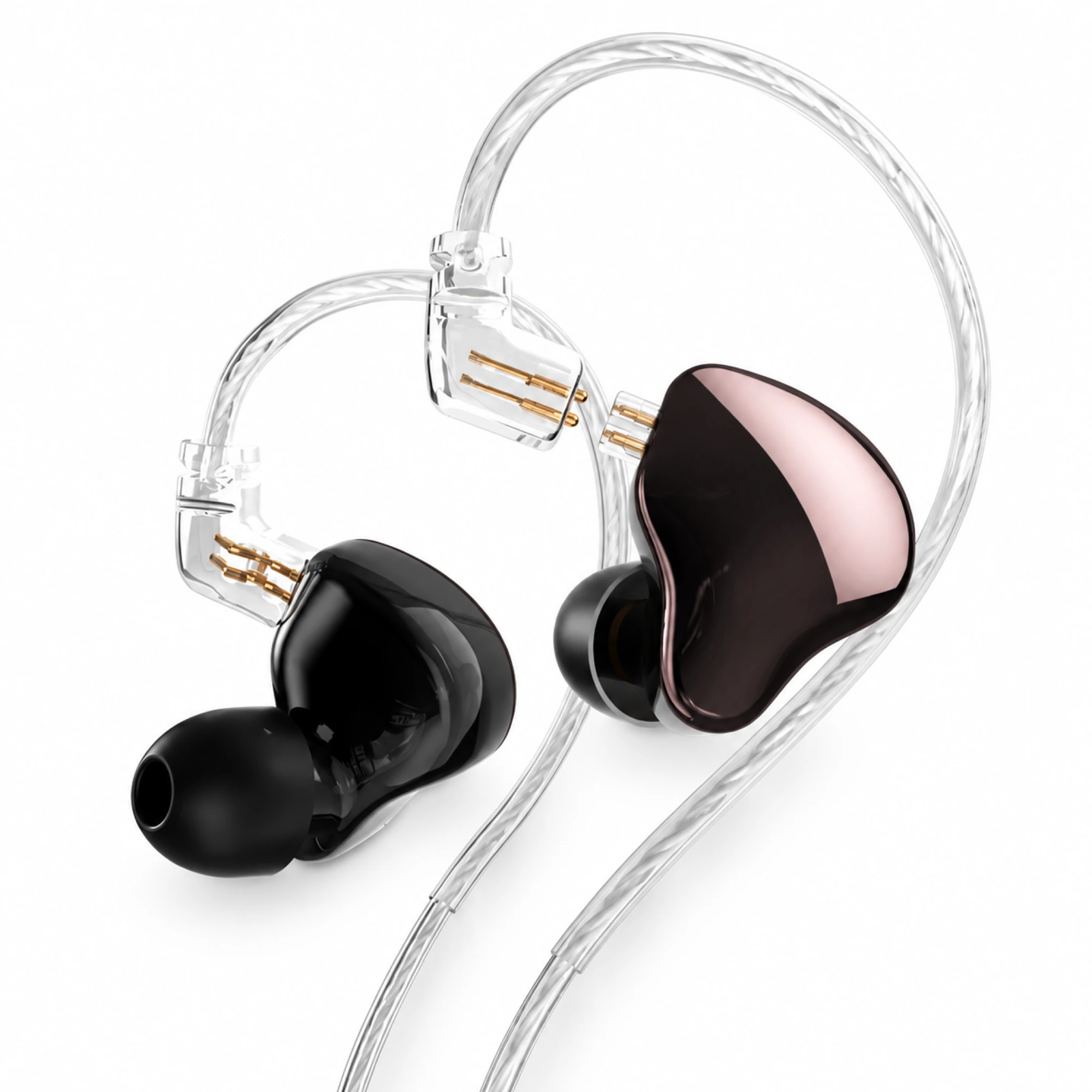 MN Rose-Metallic Detachable In-Ear Monitors
 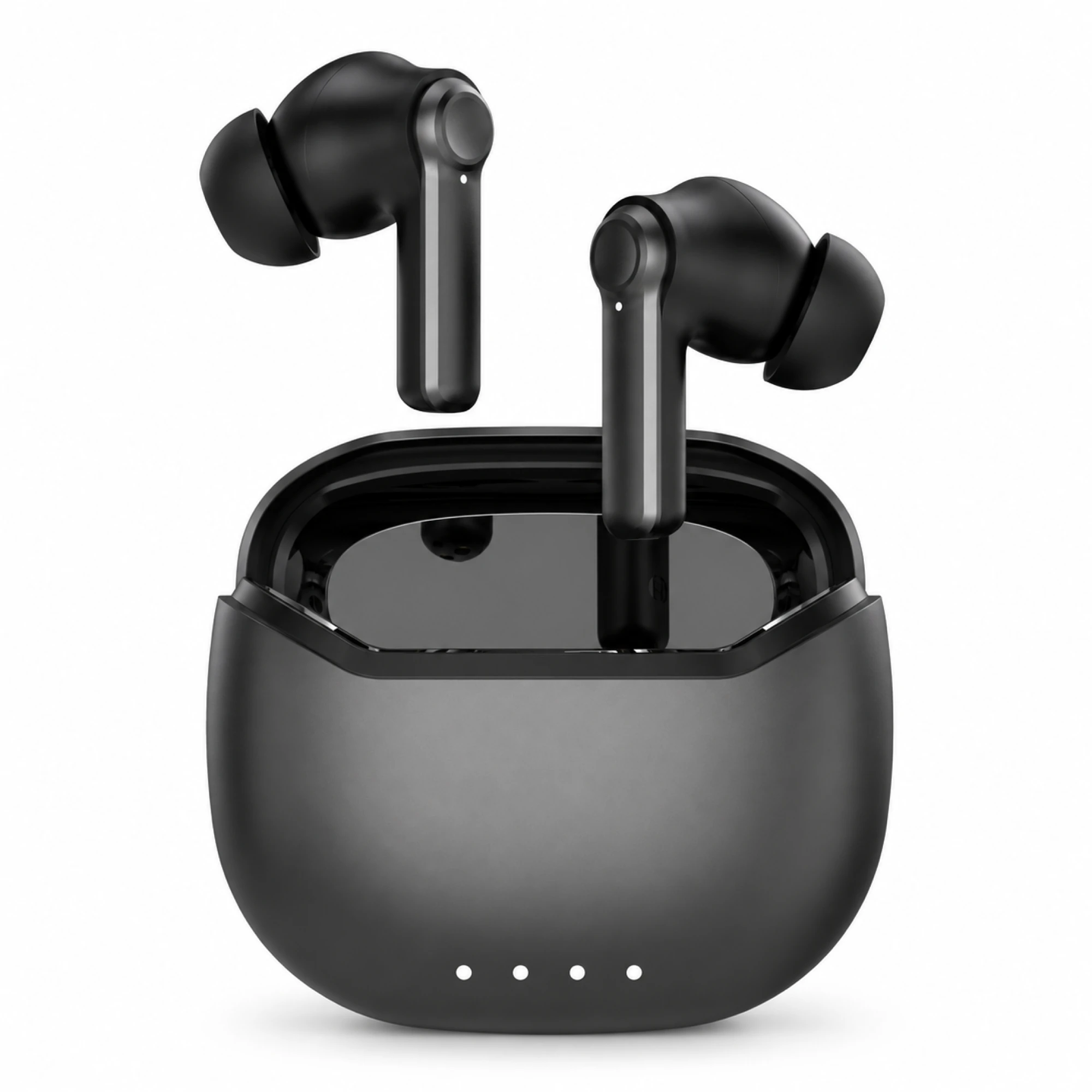 Black ANC Earbuds with Four-Indicator Case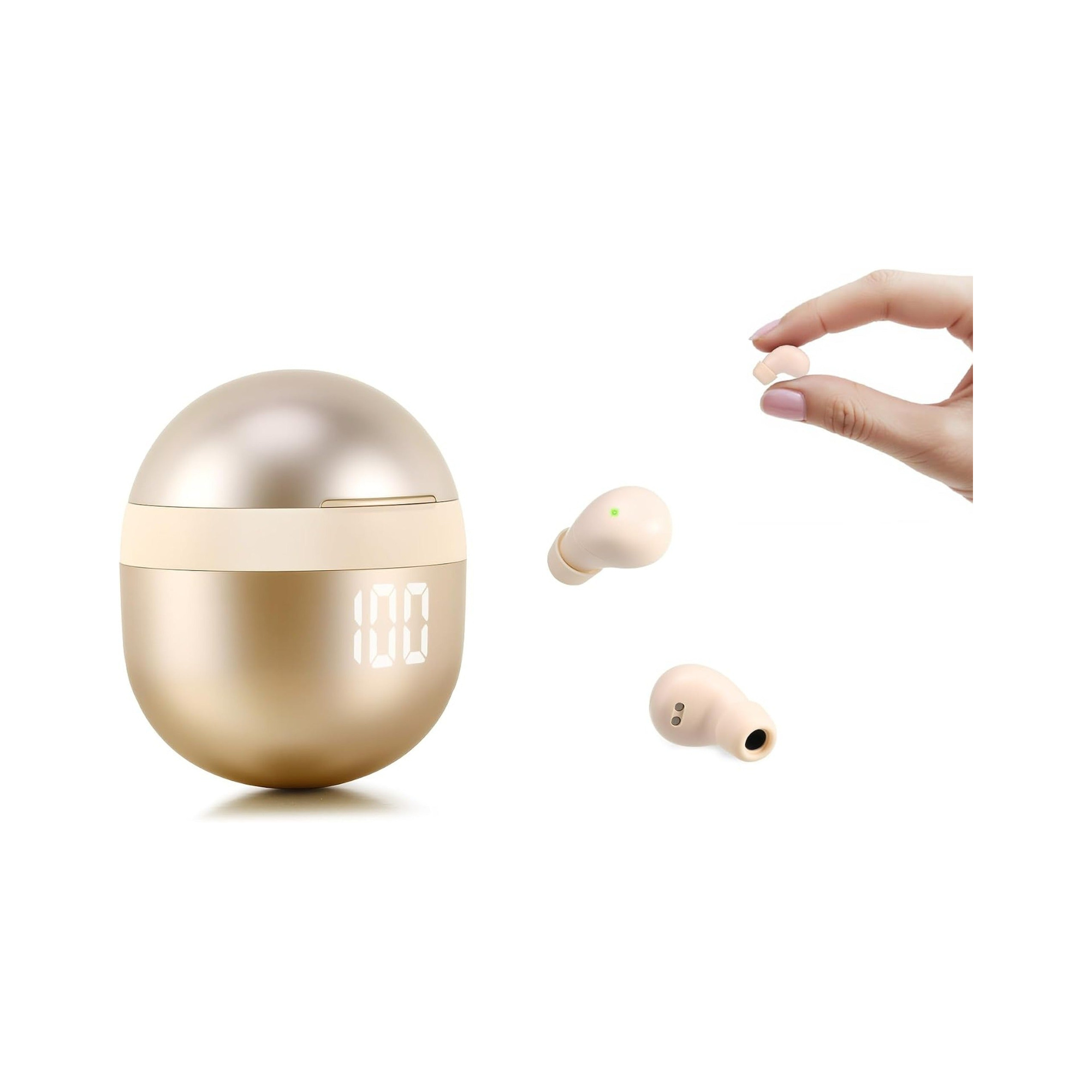
Budget friendly wireless earbuds between $15 and $40 keep the parts that cost pennies at volume, such as the radio, the case and the touch sensors, and cut the parts that cost time: testing, tolerance and careful wording. So read the lines written as numbers you can check. One EARSOLE listing here states about 8 hours of playback on a full charge and roughly four recharges from the case, which is where its 40-hour headline comes from.
Read the battery line as two numbers
Every playtime headline in this band is a sum, and the two numbers inside it behave differently. One is how long a bud plays before it needs the case. The other is how many times the case can refill it before the case needs a wall outlet. The EARSOLE Series 145 listing gives both: about 8 hours on a full charge, roughly four recharges from the case, and 40 hours as the total. That arithmetic holds, and the figure that governs your day is the 8.
The Series 161 listing shows what it looks like when the arithmetic does not hold. It states 4 hours of playback on a single charge, says the case adds another full charge, then prints 24 hours as the total. One extra full charge on a 4-hour bud is 8 hours of listening. The headline says 24. When two battery figures on the same page disagree, plan around the smaller one and treat the headline as a number you cannot rebuild from its parts.
Neither page states a mAh capacity, and none of the three below does. Without it you cannot compare two cases, and you cannot tell whether a 40-hour claim comes from larger buds or from a case that simply holds more refills. Affordable wireless earbuds are not unusual in this: plenty of expensive pairs skip the figure too. It does mean runtime is the claim worth verifying yourself.
That verification costs one evening and fits inside a return window. Charge both buds to full, play at the volume you actually use, and note the clock when the first bud drops out. If the page says 4 hours and you get 3, you know it while you can still send them back, instead of finding out in March.
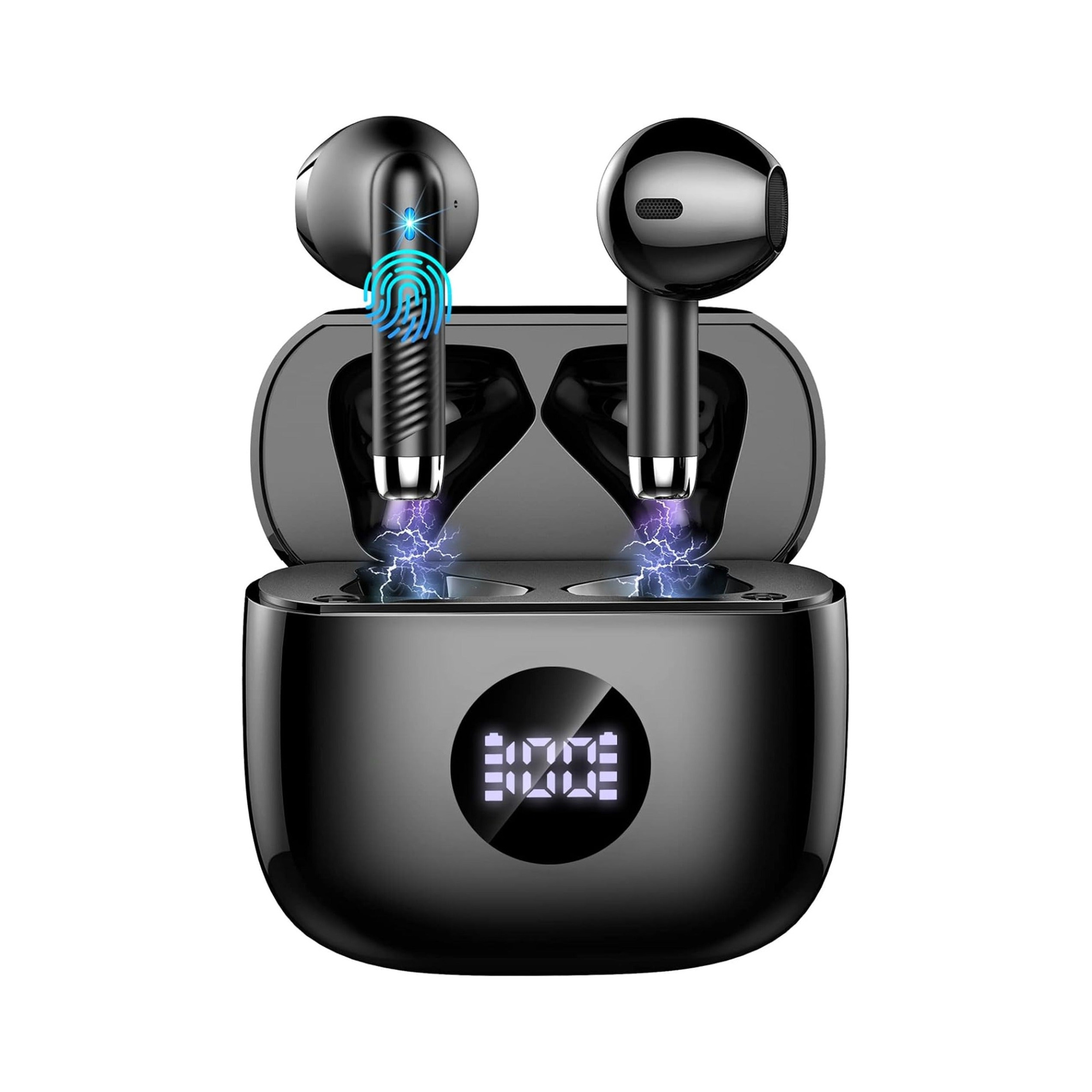
Where budget friendly wireless earbuds save money
What is actually in the box at this price is more than the reputation suggests: a current Bluetooth radio, with two of the three listings below stating Bluetooth 5.4, touch controls on each bud, auto-reconnect when the lid opens, a case that reports its charge on an LED display, the option to use one bud on its own, and a 13 mm dynamic driver in both models that name a driver at all.
What is missing is quieter about itself. None of the three pages names a codec, so plan on SBC, with AAC where your phone offers it. None states multipoint, so treat each pair as one device at a time rather than a laptop and a phone together. None ships a companion app, and none claims active noise cancelling. Those absences are most of the distance between this band and the $80 shelf.
The one noise figure any of them prints deserves reading slowly. The Series 145 listing states ENC on the call microphone and describes it as reducing environmental noise by up to 35 dB. ENC works on what your caller hears, not on what you hear; "up to" is doing real work in that sentence; and no measurement method is named beside it. Cheap true wireless earbuds with a large ENC number are still earbuds with no noise cancelling for you, and the difference between ANC and ENC is worth ten minutes before paying extra for either.
Driver size is the other number that reads bigger than it is. A 13 mm diameter is real and checkable, and it is not a verdict about sound: a large driver in a bud that does not seal against your ear is a large driver leaking bass into the room. Fit decides more of what you hear than any line on the page, which is why the tip count is worth a look.
Ear tips are a quiet place to save money. The supplier graphic for the $14.99 pair shows two tip sizes rather than the small, medium and large set a tipped pair usually ships with. If your ear canals sit at either end of the range, two sizes may not include yours, and sizing a tip by measurement costs less than replacing the earbuds.

The water line is where the wording slips
The Series 145 page says the internal components carry an "IP7 waterproof nano-coating" that resists sweat. Water ratings come from IEC 60529, the standard titled Degrees of protection provided by enclosures (IP Code), and a rating you can act on is written in a recognizable form: IPX4, IPX5, IP67. "IP7" is not one of those forms, so the sensible reading is a coating the supplier applied rather than a result tested against the standard. Sweat and drizzle, which is what that sentence describes, are a fair expectation. A shower is not. Reading IP ratings digit by digit covers what each position means.
The other two pages state no water resistance at all, and the factory-direct listing says why: it makes no claim about Bluetooth version, battery duration, active noise cancellation, water resistance, microphone performance or certifications, because the supplier did not provide them. A blank you can see beats a word like "waterproof" with nothing behind it.
Three EARSOLE listings under $23, line by line
| Listing and price | Battery as the page states it | Call and noise wording | Water wording | Lines left blank |
|---|---|---|---|---|
| EARSOLE True Wireless Earbuds Series 161, $14.99 | 4 hours on one charge; case adds one full charge; headline total of 24 hours | Bluetooth 5.4, 13 mm drivers, calls answered by touch; no ENC or ANC stated | No rating stated | mAh, codec, multipoint, water rating |
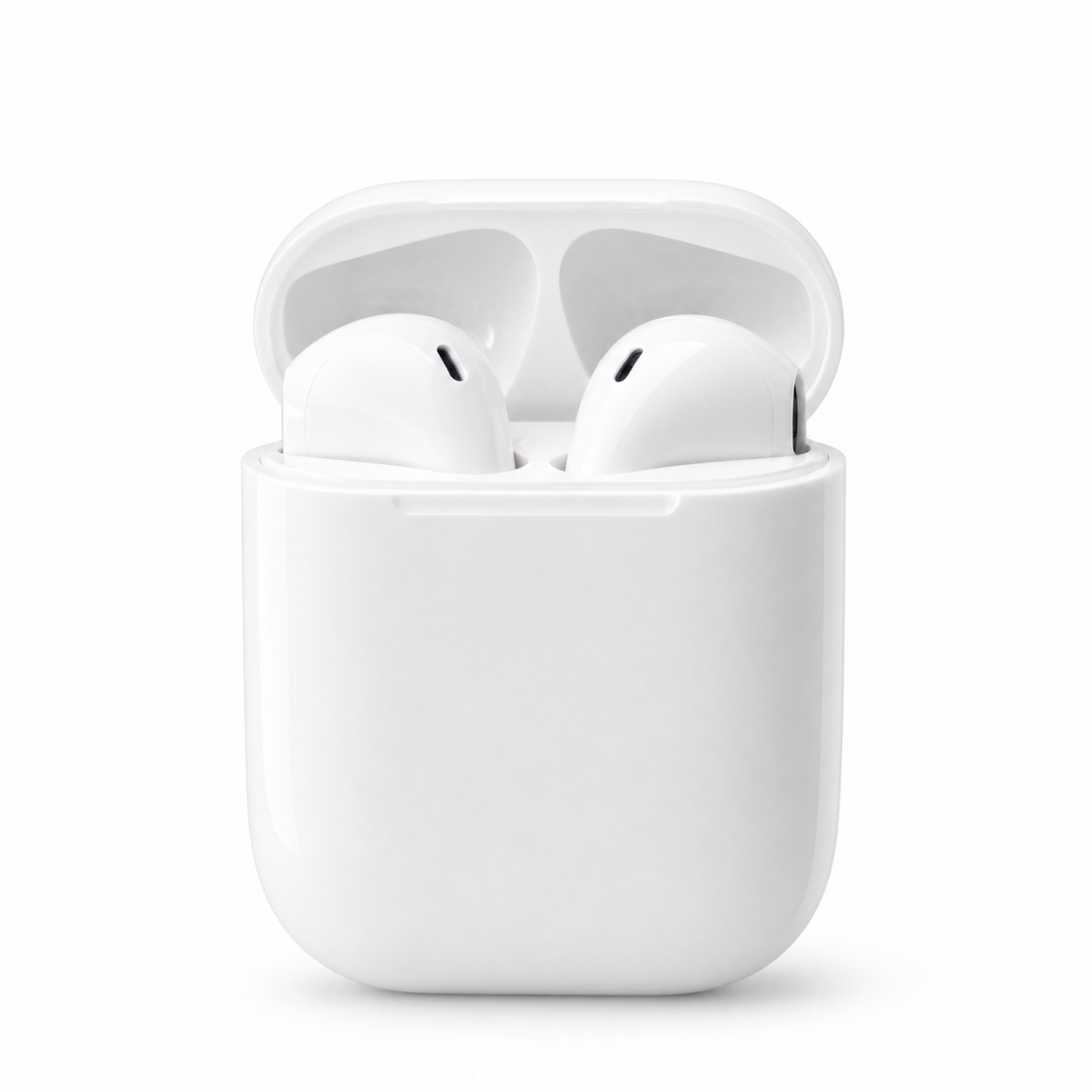
| Factory Direct White Semi-In-Ear Earbuds, $19.99 against a $23.99 compare-at price | Not stated | Not stated | Not stated | Bluetooth version, battery duration, active noise cancellation, water resistance, microphone performance and certifications, each named on the page as unsupplied |
| EARSOLE LED Display Wireless Earbuds Series 145, $22.99 | About 8 hours per charge, roughly 4 case recharges, 40 hours total, about 1 hour to refill the buds | Bluetooth 5.4, 13 mm drivers, ENC on the call microphone quoted at up to 35 dB; no ANC | "IP7 waterproof nano-coating" described as resisting sweat; not a standard IP form | mAh, codec, multipoint, ANC |
Every cell above is copied from the published listing specifications on September 6, 2026, blanks included, and nothing in it was measured by us. Prices are current at the time of writing. Read across the rows and the shape of the band appears: the page that prints the most numbers also prints the least standard one, the page with no numbers says so in plain language, and the two that give a weight give it in different units, 3 g on one and 0.08 oz on the other, which works out to about 2.3 g.
The shelf price is not the checkout price
Two things move the number after the listing. Sales tax is the first: depending on your state, county and city it runs from nothing at all to roughly a tenth of the total, so a $19.99 pair can land anywhere between $19.99 and about $22 once the cart totals. The second is the calendar. This band moves in the July sale week, through the back-to-school weeks of late August, and hardest across the Black Friday and Cyber Monday stretch. Waiting for earbuds on sale is worth two weeks if your current pair still works, and it is not worth three months of a bud that cuts out.
A compare-at price is not a saving either. The factory-direct pair lists $19.99 against a $23.99 compare-at figure at the time of writing, and the useful question is whether $19.99 buys what you need, not what the higher number implies. Star ratings on open marketplaces deserve the same treatment: the Federal Trade Commission's 2024 final rule bans the sale and purchase of fake reviews and testimonials, including ones written by people who never used the product, which says something about how routine that practice became. The best budget earbuds for you are the pair whose stated numbers you can check in the first week, not the pair with the most stars.
Then there is the part nobody reads until it matters. Find the return window and what it costs to use it before you buy, and find what a warranty covers here, since at this price the remedy is usually a replacement rather than a repair. Budget friendly earbuds are cheap enough that one bad pair feels like a small mistake, and two bad pairs in a year cost more than one careful purchase.
Questions we get about the $15 to $40 range
Do cheaper earbuds die sooner?
No failure rate for this band is worth quoting, ours included, and we do not publish one. What is predictable is where the wear lands: on the case hinge and the charging contacts you handle every day, and in the cells, which lose capacity with every charge cycle at any price. Buds that need the case twice a day run through cycles faster than buds that finish your day on one charge.
Does a longer headline battery number mean a bigger battery?
Usually it means more case recharges. Forty hours built from 8-hour buds and forty hours built from 4-hour buds are the same headline and a different day: the first gets you across a flight, the second sends you back to the case after lunch. Divide the total by the single-charge figure before you compare two listings, and you will see how each headline was assembled.
Does a $15 pair sound worse than a $35 pair?
Not reliably, and not in a way the specification list predicts. Two of the listings here name the same 13 mm driver at $14.99 and $22.99. What differs between them is shape, seal and how the bud sits in your ear, which is also what differs between a good and a bad day with one pair. Judge the fit first and the price second.
Where that leaves your $20
Buy the pair whose page states things you can verify, such as a single-charge runtime, a Bluetooth version, a water rating in a form that exists and a tip count, and treat anything unstated as absent rather than hidden. Then verify the runtime in the first week, while the return window is open. Affordable true wireless earbuds are a good deal when they last two years and a poor one when they last two months, and most of that difference is decided by what you checked while you could still send them back. The everyday earbuds collection holds the rest of the range, and what to expect under $50 sets the same expectations one tier up.
- IEC 60529: Degrees of protection provided by enclosures (IP Code), the standard behind IPX4, IPX5 and IP67.
- Federal Trade Commission: final rule banning fake reviews and testimonials, which covers reviews from people who had no actual experience with the product.