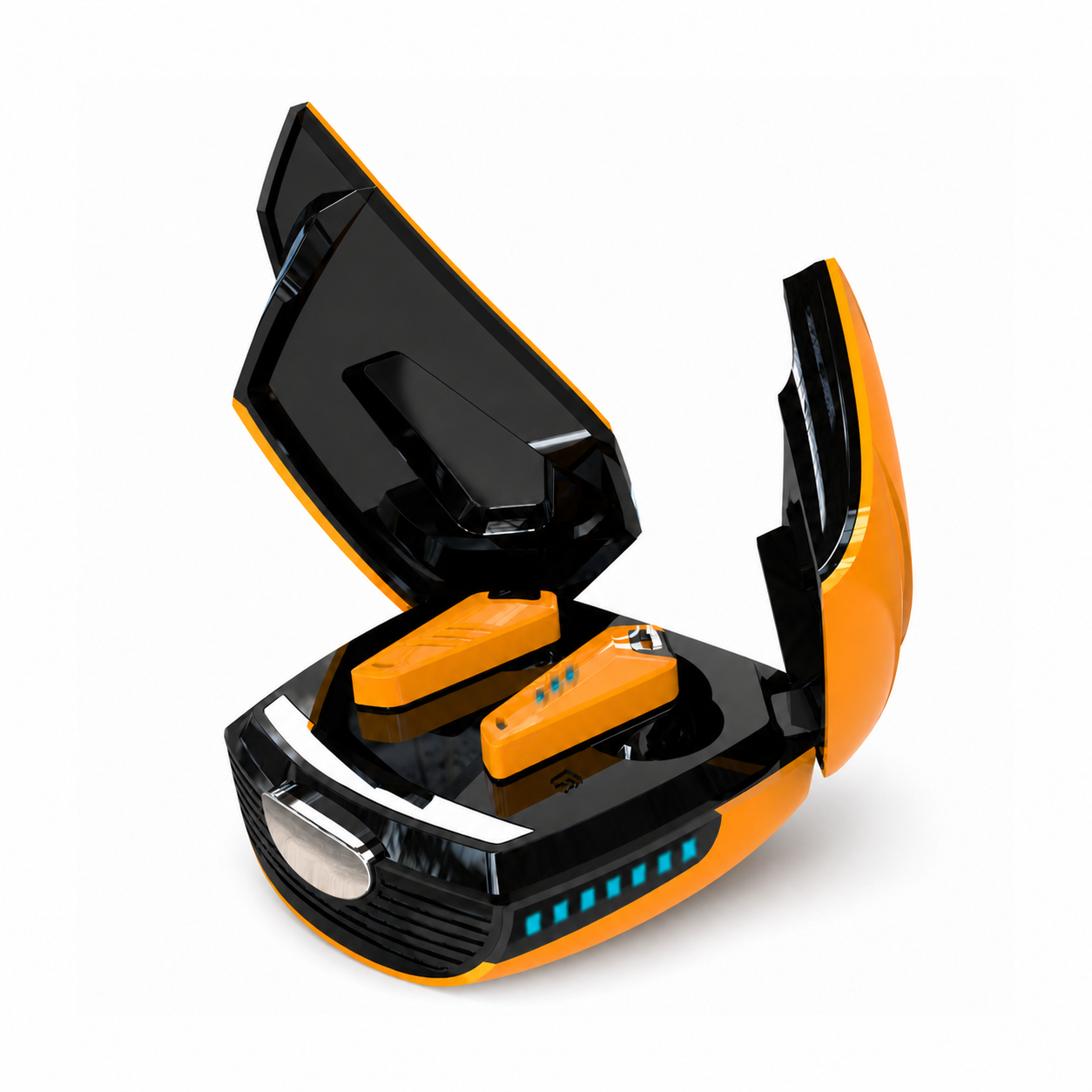
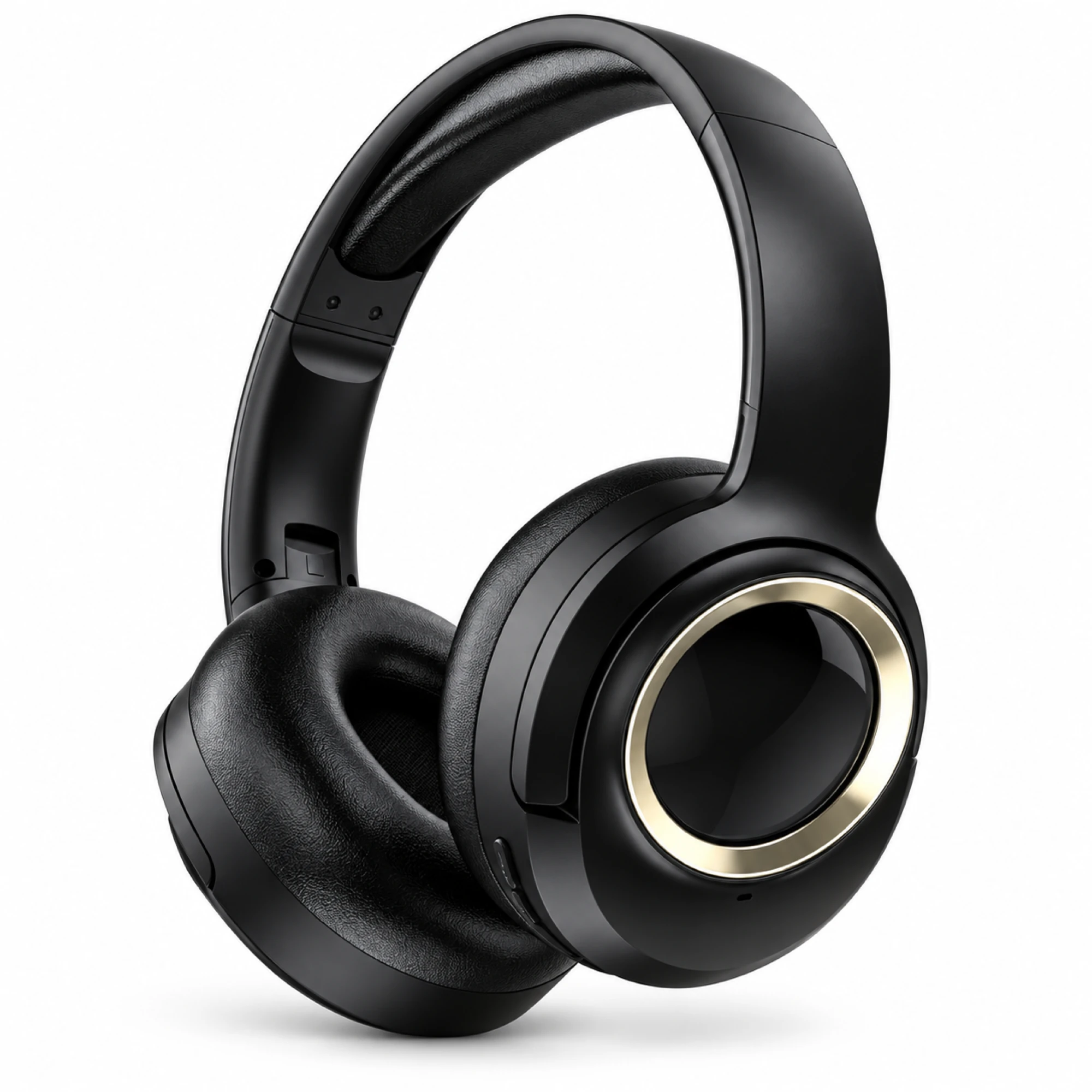
 MX-21 Black and Gold Wireless Headphones
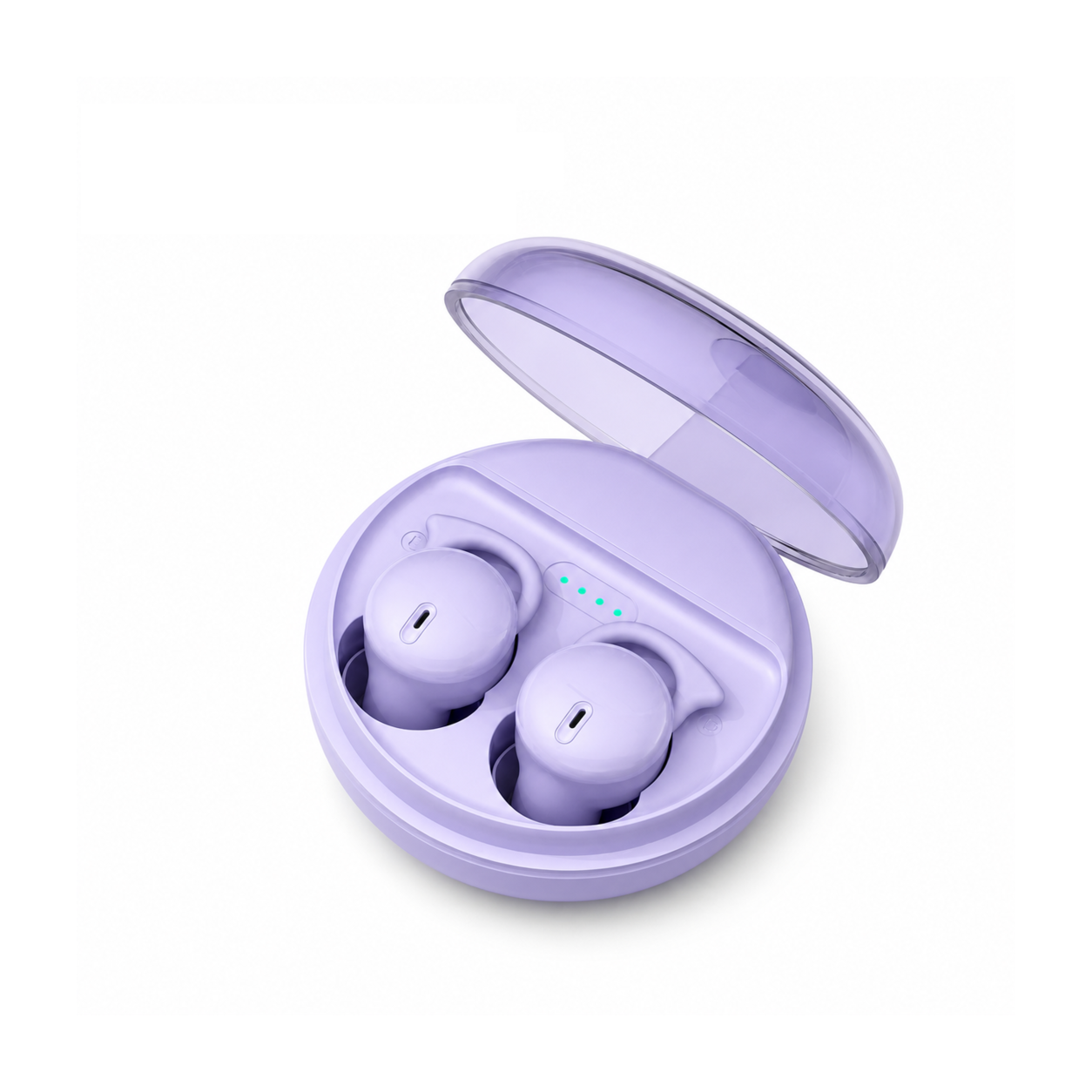
 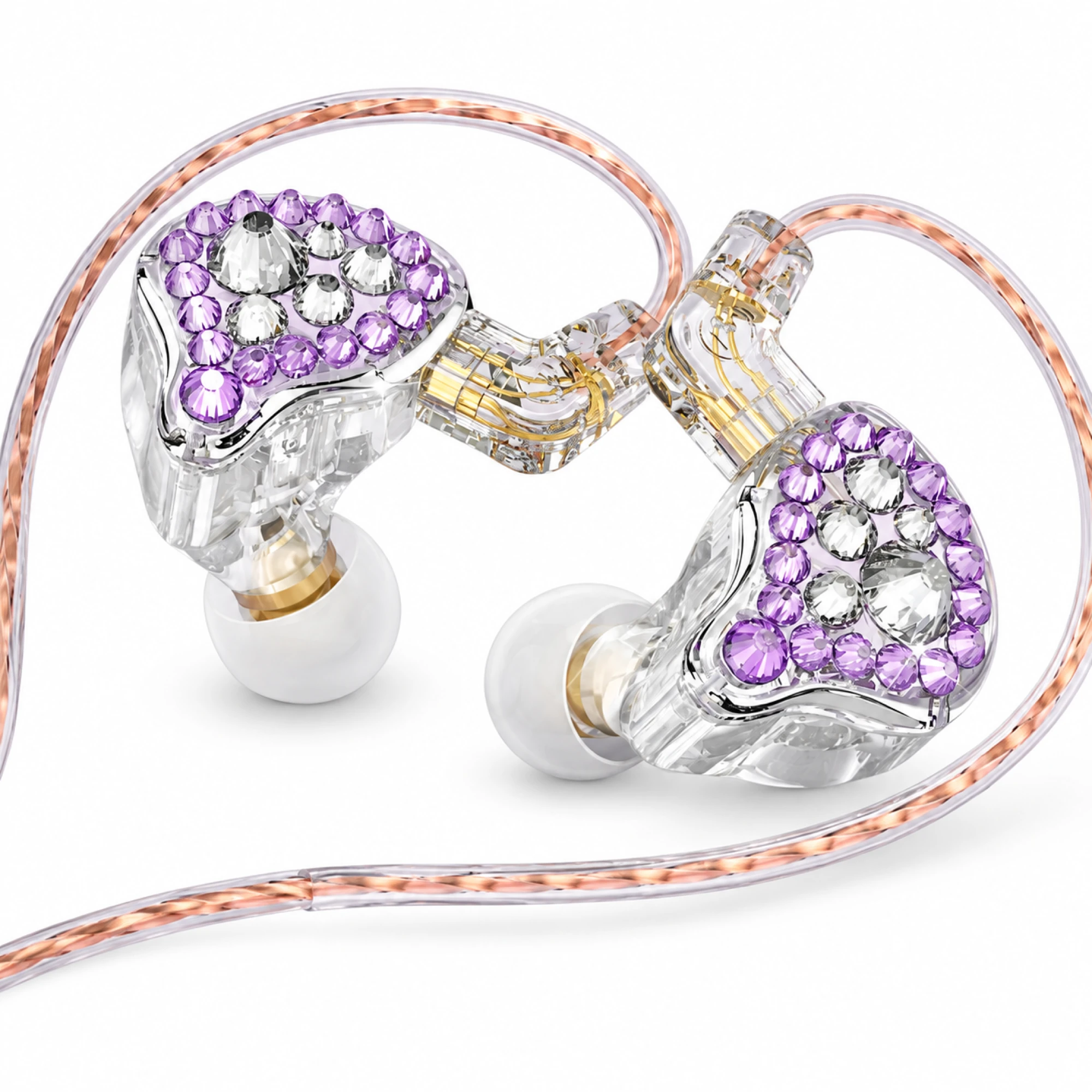 Q2 Pro Purple Crystal In-Ear Monitors
 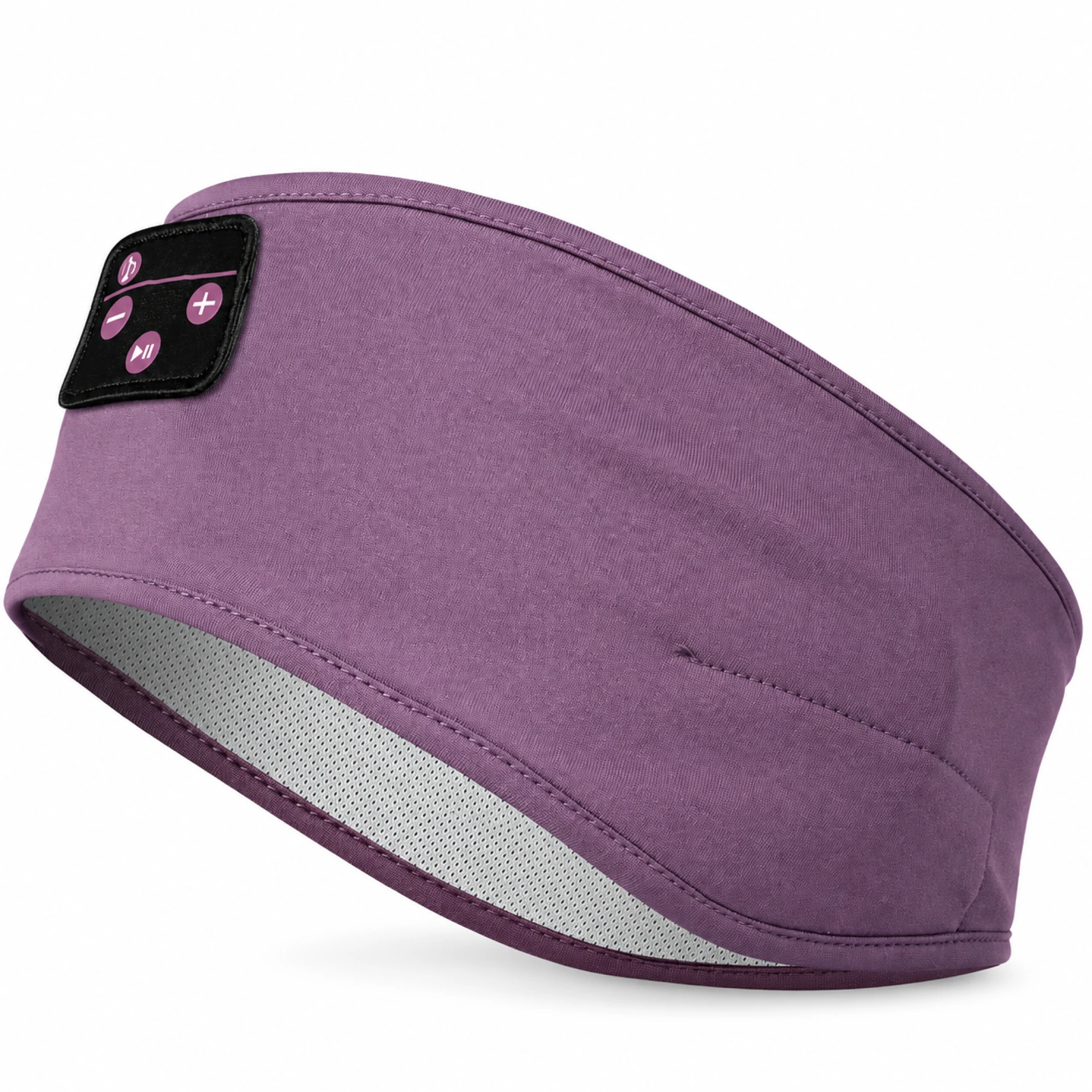 Purple Sleep Headband Headphones with Triangle Controls
 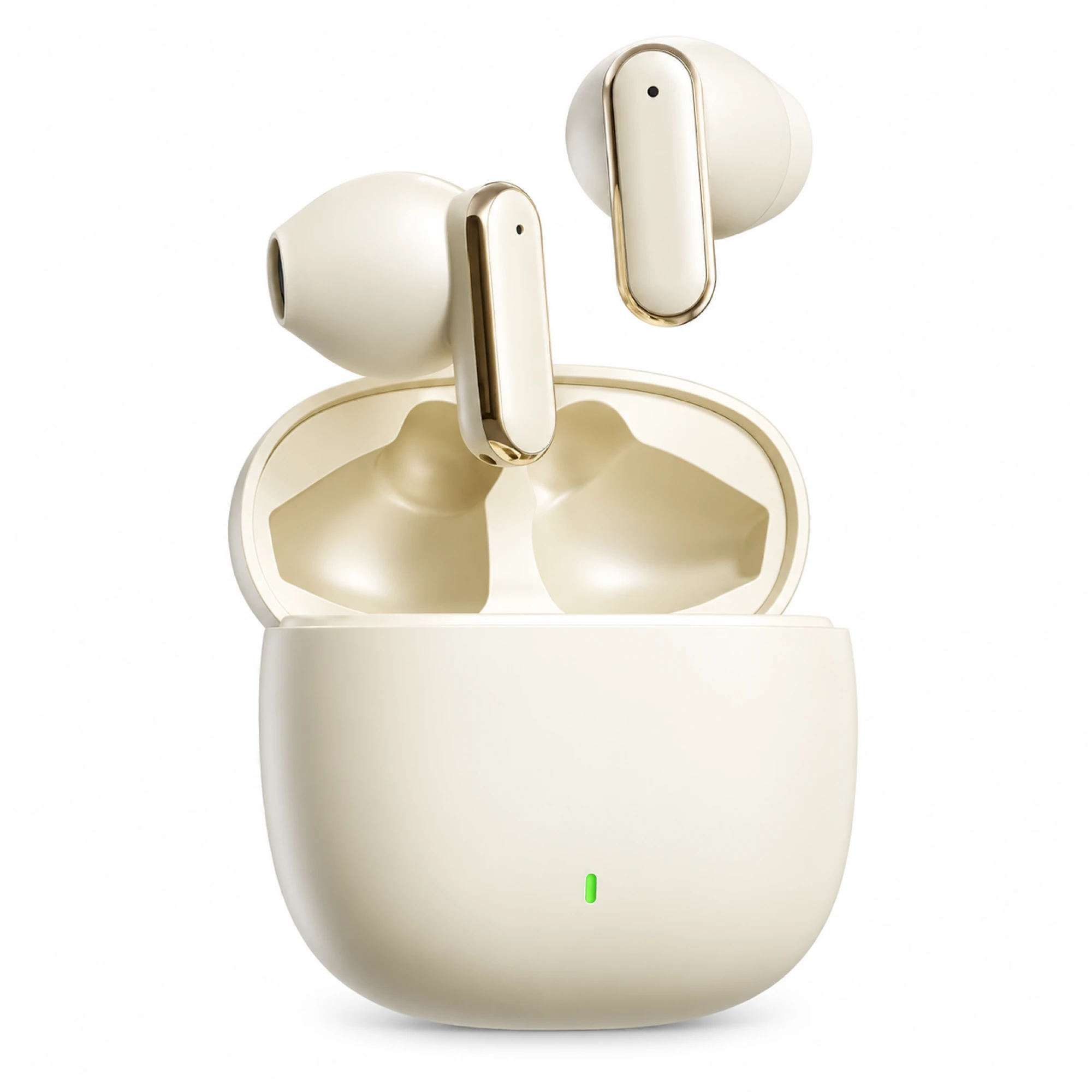 Cream Reflective-Stem Wireless Earbuds
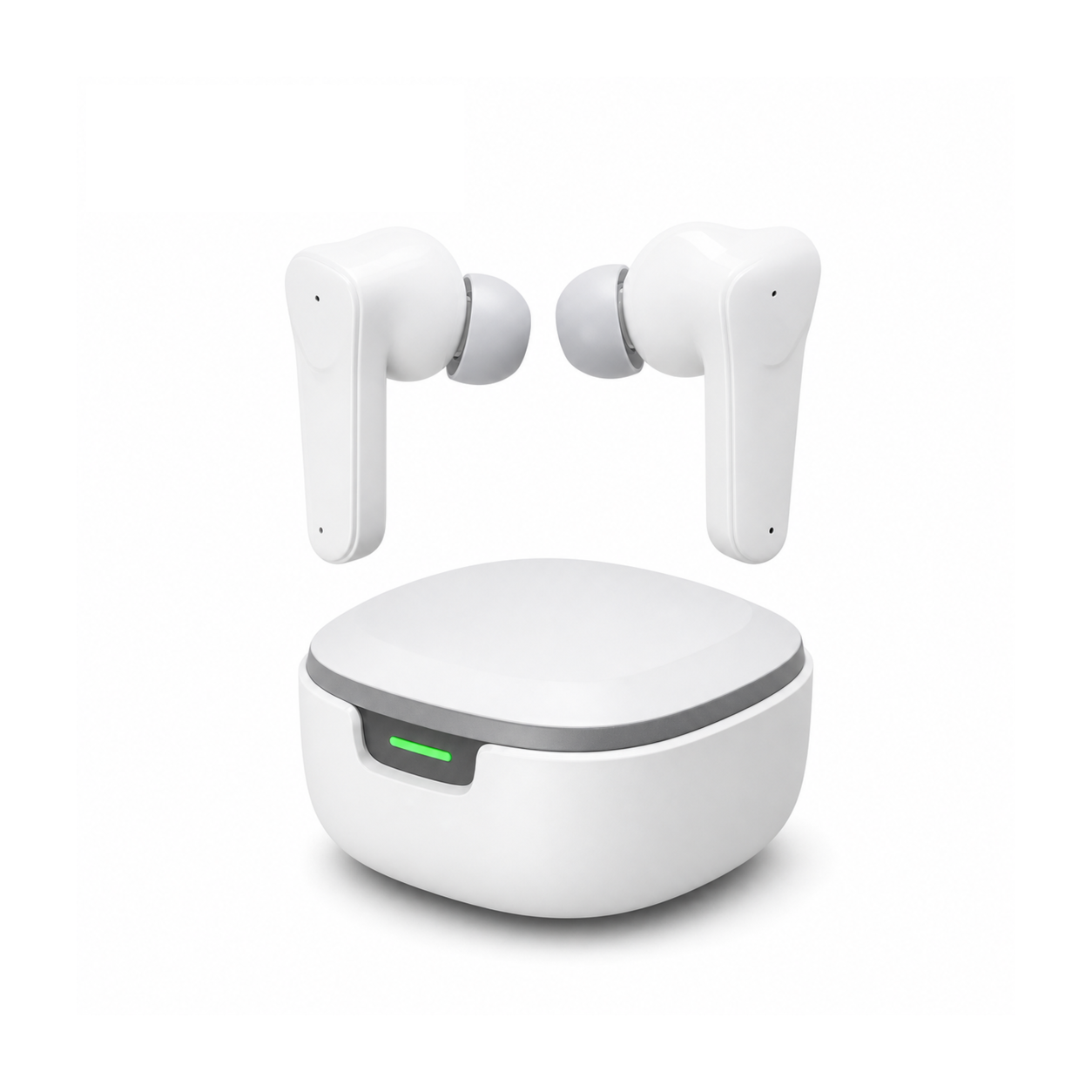
  IN-01 White ANC Earbuds with Pale Blue Case Interior
 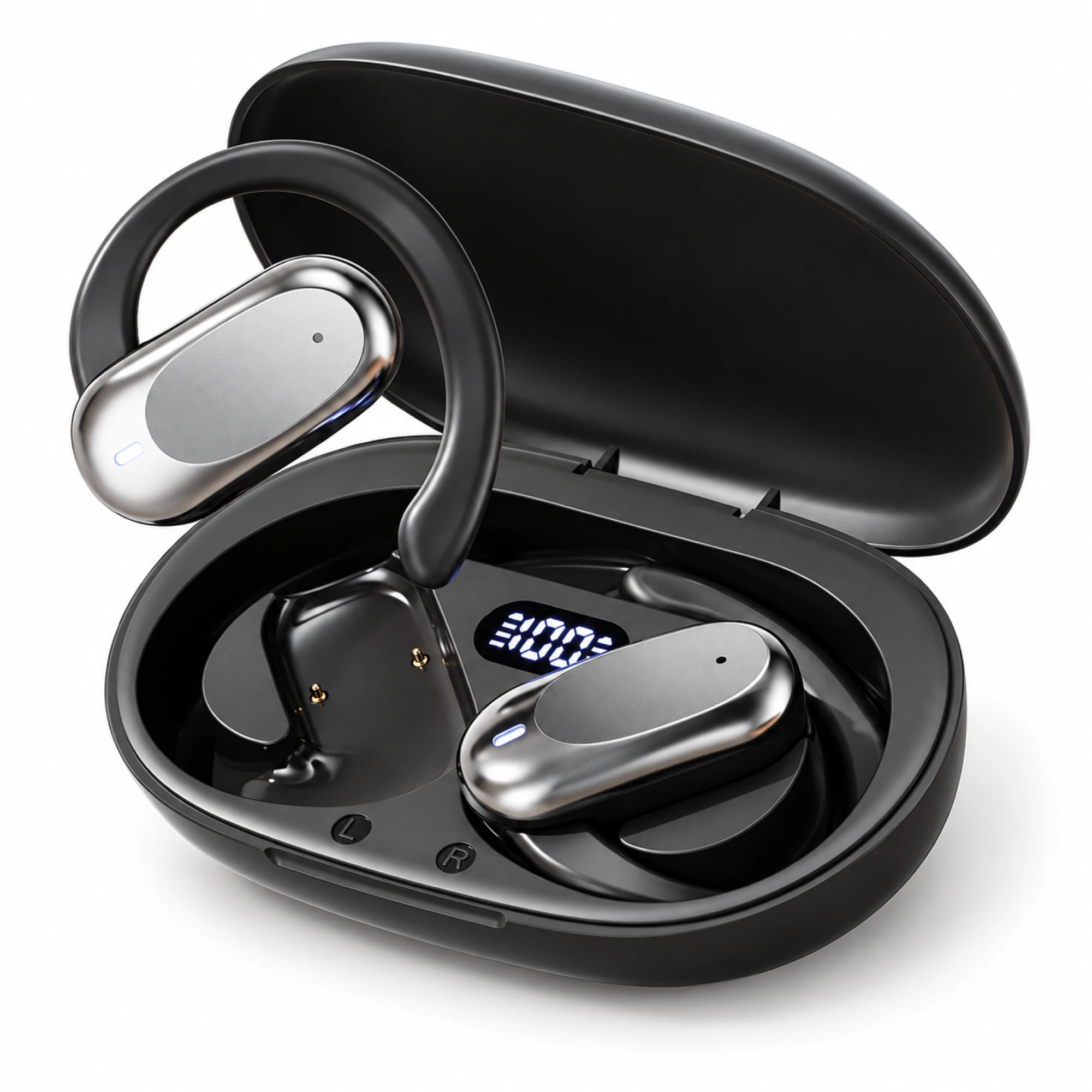 Silver Capsule Open-Ear Earbuds
 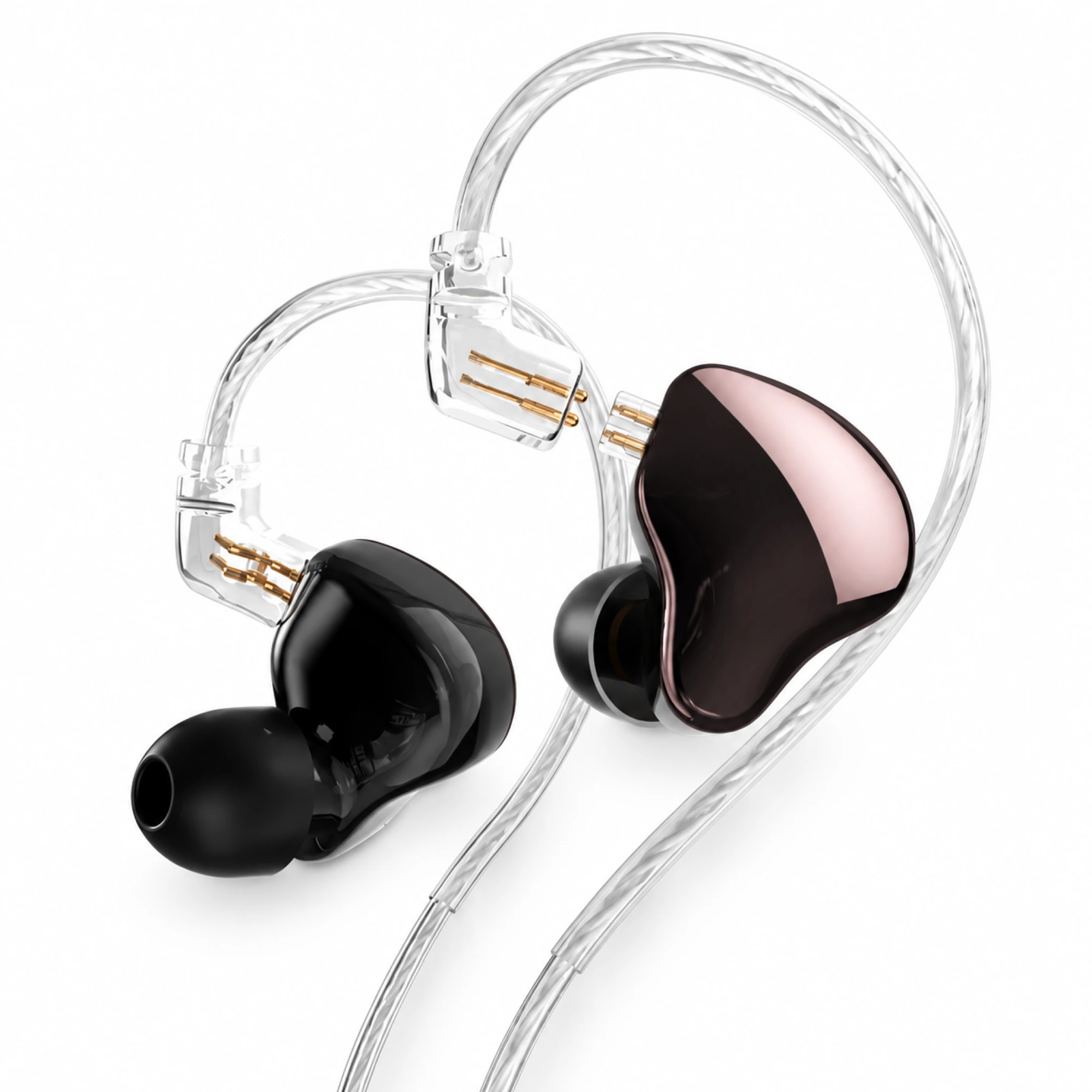 MN Rose-Metallic Detachable In-Ear Monitors
 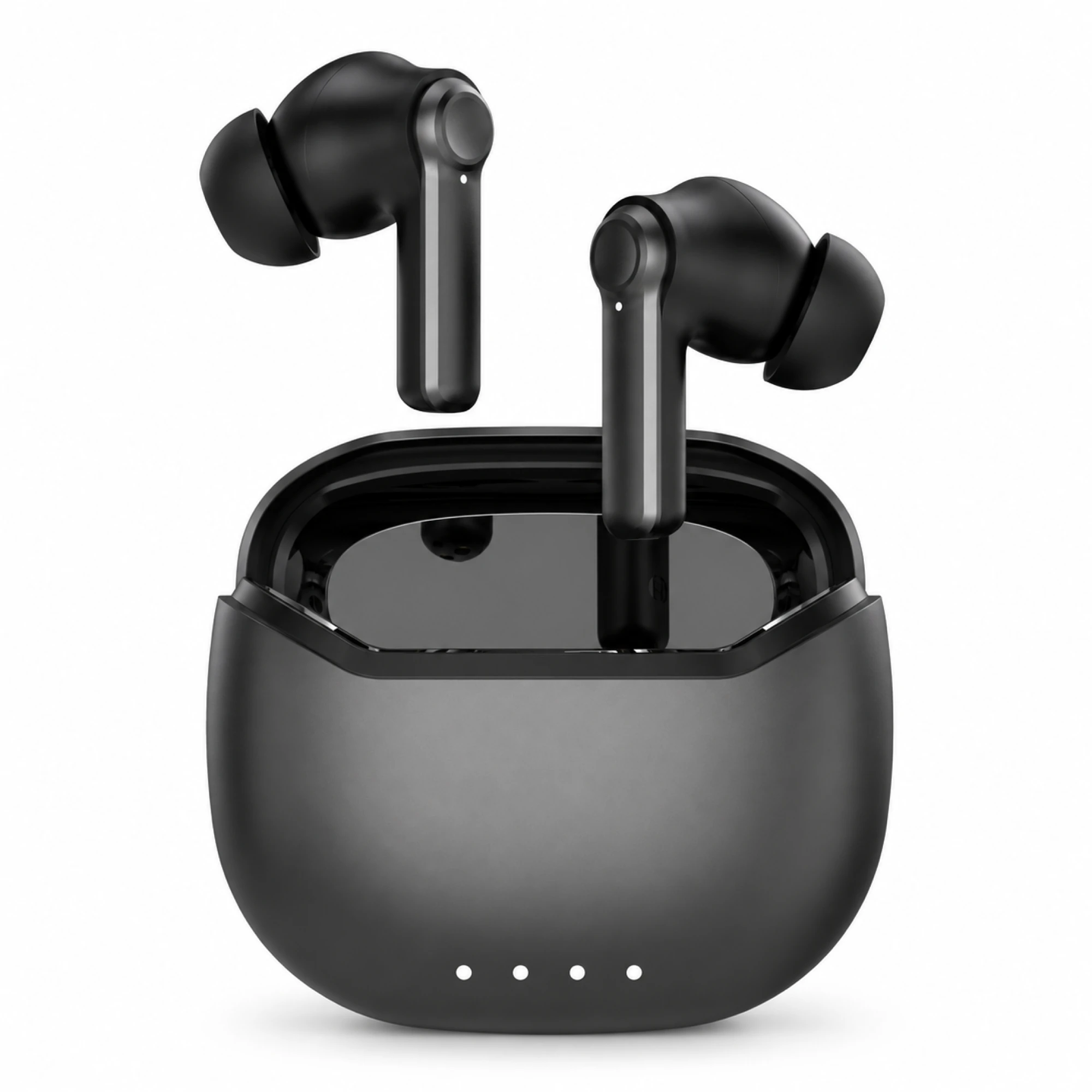 Black ANC Earbuds with Four-Indicator Case
Finding the best gaming headphones cheap enough to justify is a subtraction problem. Under roughly $40 a headset has one fixed parts budget, and every feature on the box is paid out of it. Lighting, virtual surround, a radio and a battery all draw from the same pot, and the microphone, earpads and tuning make up the difference.
Under $40, features are traded rather than added
An inexpensive headset is a fixed sum split across parts, assembly, packaging, shipping, returns and margin. Add a feature and something else shrinks. We have no supplier bill-of-materials figures, so the table below is ordered by rough relative cost and not by dollars.
| Gaming feature on the box | Roughly what it costs to include | Verdict under $40 |
|---|---|---|
| RGB or LED lighting | Near zero: a few emitters and a driver chip | Safe to lose. On a wireless model, worth losing. |
| "7.1" or virtual surround | Near zero: a processing profile, not extra drivers | Safe to lose. Platforms often provide an equivalent free. |
| Large driver diameter (40 mm, 50 mm) | Very low: diameter is cheap to increase | Safe to ignore entirely. |
| Earpad material and clamp force | Real: better foam and fabric, more assembly time | Not safe to lose. This decides hour three. |
| A microphone held in place by a boom or stem | Real: a mechanical arm, hinge and cable run | Keep it if you talk while you play. |
| 3.5 mm wired fallback | Low: a jack and a socket | Keep it. Its absence here is a flag. |
| 2.4 GHz USB dongle | High: a second radio plus a USB device | Rarely present. If you need it, spend up. |
| Battery cell grade and antenna design | Real and completely invisible to you | Unverifiable. Judge the return terms instead. |
Read the middle column and the pattern is uncomfortable. What a budget listing shouts about costs the maker almost nothing, and "gaming tuning" belongs on that list too, being a voicing decision and not a part. Free features accumulate; expensive ones quietly never appear.
Why a cheap wired pair often beats a cheap wireless headset
At the same shelf price, a wireless model funds a Bluetooth chip, an antenna, a battery, charging circuitry and radio certification. A wired model funds a driver, a cable, pads, a headband and a microphone. The box costs the same; the share reaching the parts you hear does not.
- Stereo and a live microphone at once. On classic Bluetooth, opening the mic generally pulls the link onto a voice-oriented profile and narrows game audio with it. A cable never does this. See why Bluetooth earbuds sound bad on Windows calls.
- Delay stops being a variable. An analogue cable is effectively instant, while wireless delay depends on codec, device and game. Our breakdown of codec, game mode and total delay explains why advertised numbers rarely describe your chain.
- No cell to age. Cheap wireless headsets usually die of battery before they die of audio, months later.
- The drawback is real. A cable snags, most phones no longer have a jack, and some desktops split headphone and mic into two sockets. Console routing has its own rules, so check the platform's own accessory settings before assuming party chat reaches a wired pair.
The false economy of lighting and virtual surround
Lighting is the clearest case: cosmetic, invisible to you while worn, and on a wireless headset it draws from the same cell that sets your playtime. It also gives a product photographer something bright to shoot instead of the earpads.
Virtual surround is subtler, because it sounds like processing you are paying for. Usually you are not, since it is a fixed profile applied to two ordinary drivers. Windows already exposes a spatial sound platform that, in Microsoft's words, "can also be used with any pair of headphones the consumer may own". Consoles offer equivalents. Some players place footsteps better with an effect on and some find it smears detail, but that experiment is free.
Neither feature is fraudulent. Both are simply the cheapest things on the box, and here the cheapest crowd out the expensive. A plain-packaged pair with decent pads generally outlasts a lit-up pair costing the same.
The gap in our own gaming listings
Our gaming products all sit between $33.34 and $39.99, so this is exactly our band and we should be specific instead of flattering. The awkward finding first: not one of those gaming pages states a Bluetooth version, an IP rating defined under IEC 60529, or a playtime figure in hours. Most of the rest of our range names a Bluetooth version. The gaming-branded listings are documented worse than our average listing, not better.
It gets sharper. Our Cloud White earbuds at $25.99 are cheaper and carry no gaming branding, yet state Bluetooth 5.4, ENC with CVC processing, a low-latency mode, touch controls and IPX5. Less money, more documentation.
- Wireless Gaming Headset Series 186 and its siblings, $33.34 each, share one price and one description. Stated: 40 mm drivers, Bluetooth or a 3.5 mm cable, cushioned artificial-leather earmuffs, a folding frame, a built-in microphone and microSD playback. The copy is supplier text, and one sentence still carries another company's brand name. We are correcting that; meanwhile it is a fair specimen of what budget listing copy usually is underneath.
- Beetle Mechanical Wireless Gaming Earbuds, $39.99. Closed-back in-ear with passive isolation, a built-in condenser microphone, on-earbud controls, a 180 mAh case and USB-C. No active noise cancellation, no water-resistance rating, and no charger in the box.
- Wireless Gaming Earbuds with Spatial Audio, $34.99. Sealed silicone tips, passive isolation and surround-style processing. The listing describes no microphone, and quotes no latency figure, because we have not documented one.
What none of them has: a boom arm, sidetone, a 2.4 GHz dongle, a measured decibel or delay figure, or lighting of any kind. Several offer a 3.5 mm path alongside Bluetooth, but no listing says whether a cable is included, so assume you supply your own. If your decision depends on a boom, a dongle or sidetone, buy a platform-specific headset instead of one of ours; the rest of the gaming earbuds collection is what it is.
A buying order that works at this price
- Decide whether you talk while you play, on the same device. If yes, a cable or a dongle is the requirement and the rest is secondary.
- Confirm a wired path exists, and whether the cable is included. A jack is cheap to provide, so its absence says something.
- Score lighting, surround branding and driver diameter at zero. They are free to add and describe nothing about the pair in front of you.
- Read what the listing says about pads and clamp, and treat unstated specifications as absent, including on our own pages.
- Check the return window and who pays return shipping. On cell grade and antenna quality, that is your only real information.
- Test within 48 hours: a three-hour session at normal volume, a recorded voice memo, and a walk into another room mid-track.
One boundary applies whatever you spend. WHO safe listening guidance notes that the volume of sounds, the duration of listening and the frequency of exposure all have an impact on hearing, and gaming sessions are long by nature. Reaching for more volume in the third hour is a signal to stop, not to turn up.
Questions about the sub-$40 tier
What is the best gaming headset for under $20?
Below $20 the trade stops being close. A wired headset spends nearly the whole budget on the driver, pads and microphone; a wireless one has already spent most of it on the radio and cell. Expect thin pads either way, and see our under-$20 buying guide for what survives down there.
What does stepping up from $40 to $100 buy?
The expensive things instead of more of the cheap ones: a proper boom microphone, sidetone, a 2.4 GHz dongle, replaceable earpads and a headband that survives being sat on. If none of those matter to how you play, the extra money mostly buys durability. If two or more matter, that jump beats any upgrade inside the budget tier.
Do I need a special headset for virtual surround?
No. The processing lives on the PC or console, and the platform applies it to whatever stereo headphones you have plugged in. A headset marketed as 7.1 has the same two drivers as one that is not, so treat the badge as a label on software you already own.
Is a 50 mm driver better than a 40 mm one?
Not reliably. Diameter is one of the cheapest specifications to increase, and it tells you nothing about the diaphragm material, the magnet, the enclosure or the tuning, which is where the sound is decided. Two headsets with the same driver size routinely sound nothing alike, so the number is best treated as packaging copy.
Buy for the thing you cannot lose
Under $40, nothing is added; it is traded. Lighting, virtual surround, driver diameter and gaming tuning cost the maker almost nothing, which is why they dominate cheap listings and why they are safe to lose. Pads, microphone position, a wired path, cell grade and antenna design cost real money, rarely appear on the box, and are what you will miss. Wired usually wins here because none of its budget goes to a radio. Buy for the one thing you cannot lose, then test the pair that arrives before the return window closes. For the same reasoning across price tiers, see our comparison of models under $50.