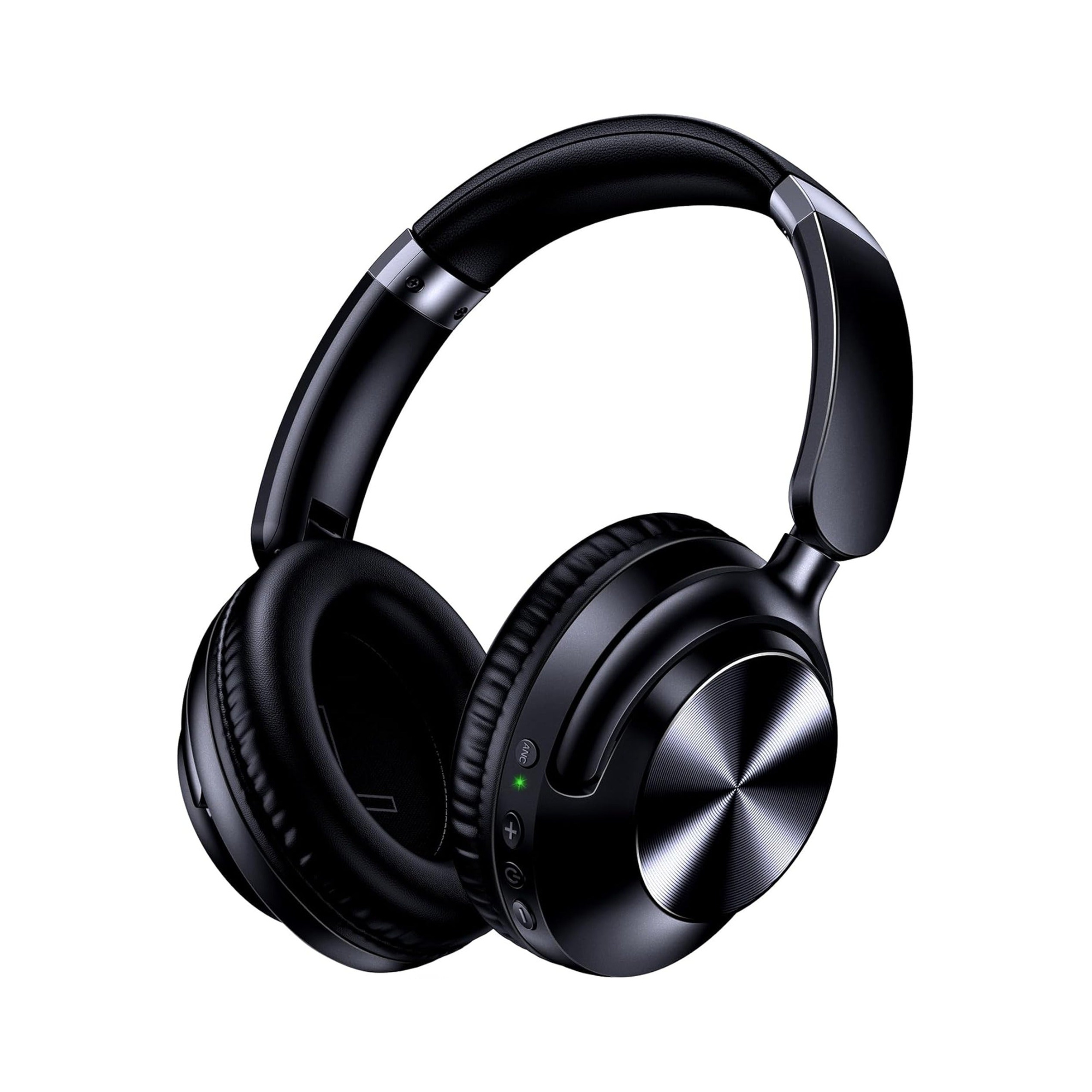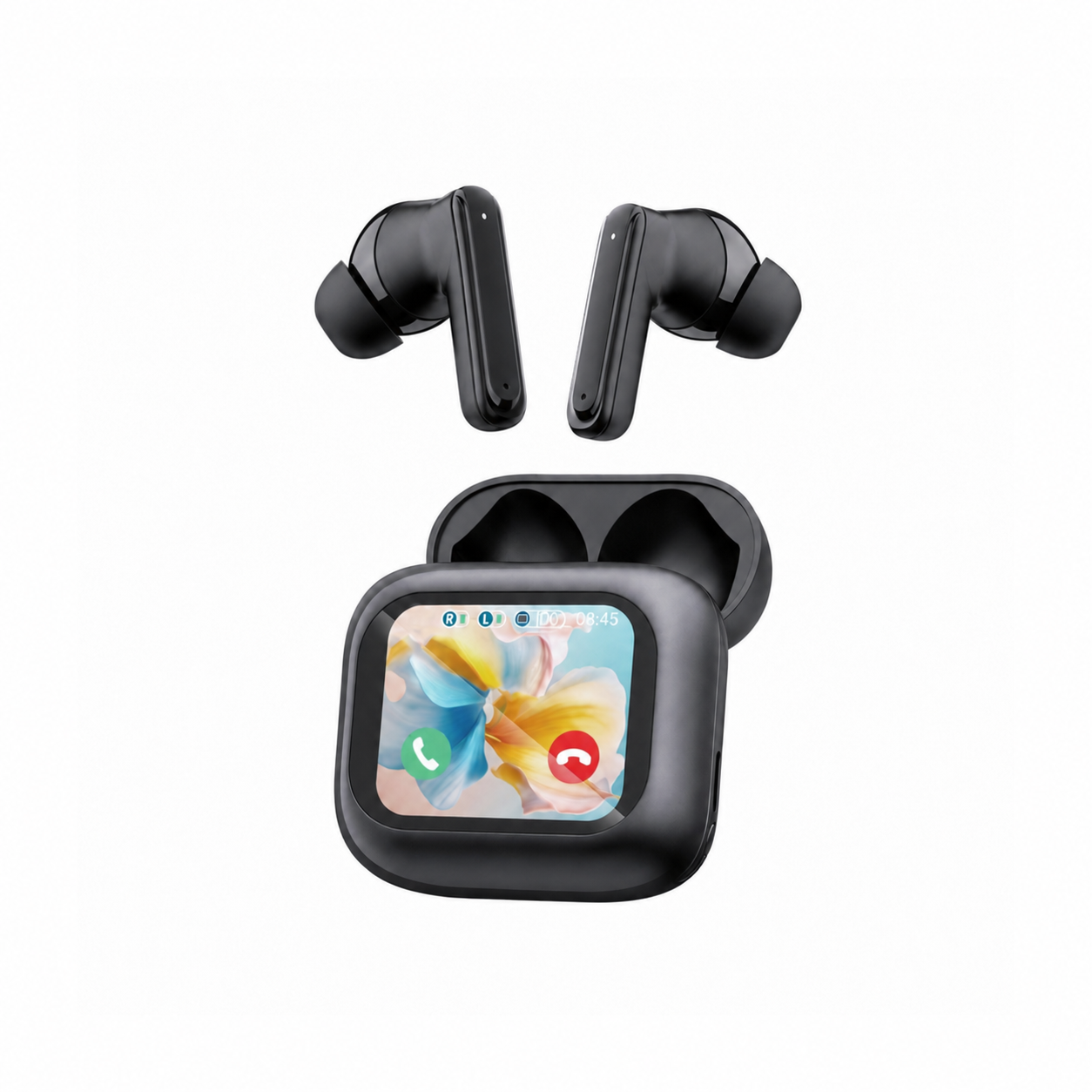
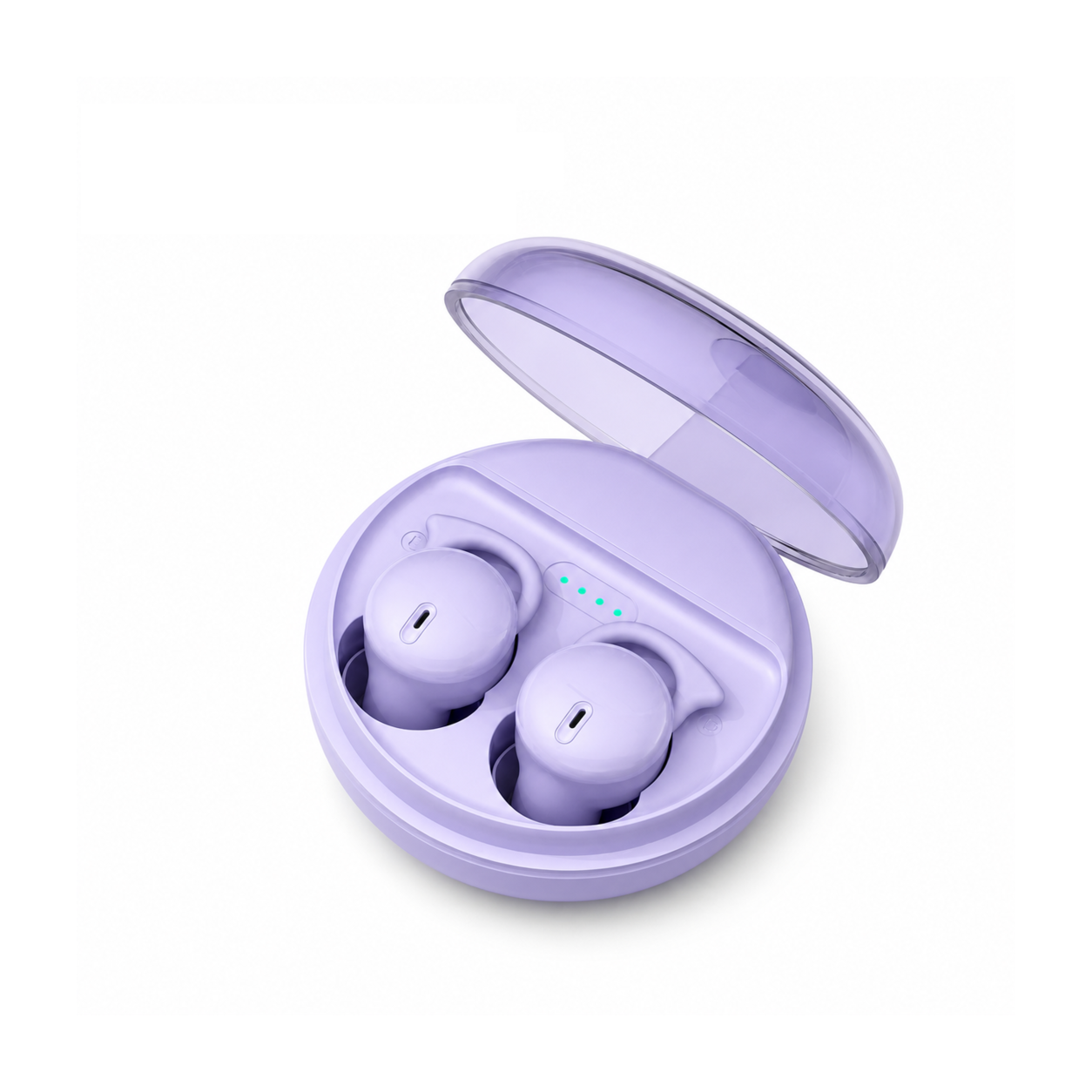
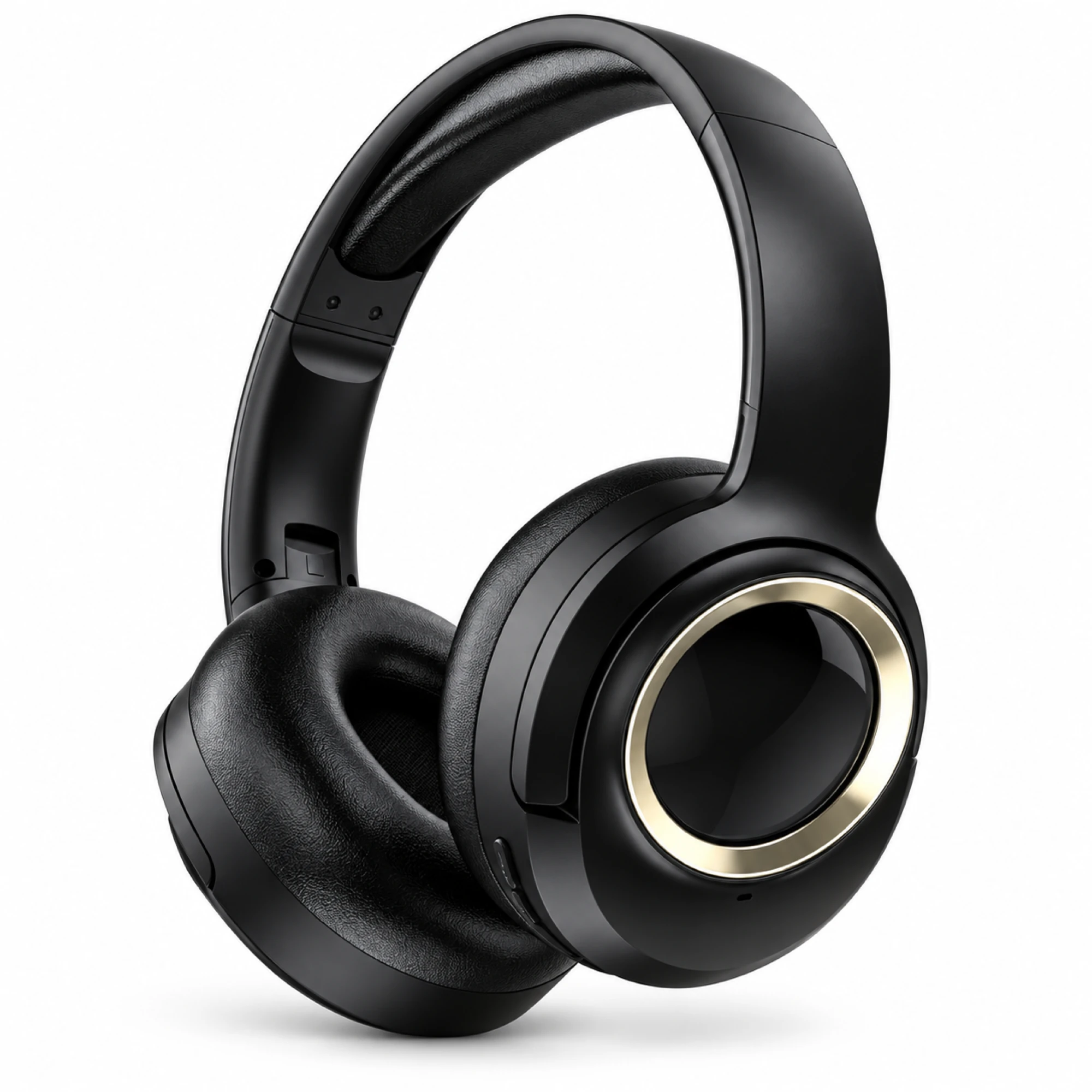
 MX-21 Black and Gold Wireless Headphones
 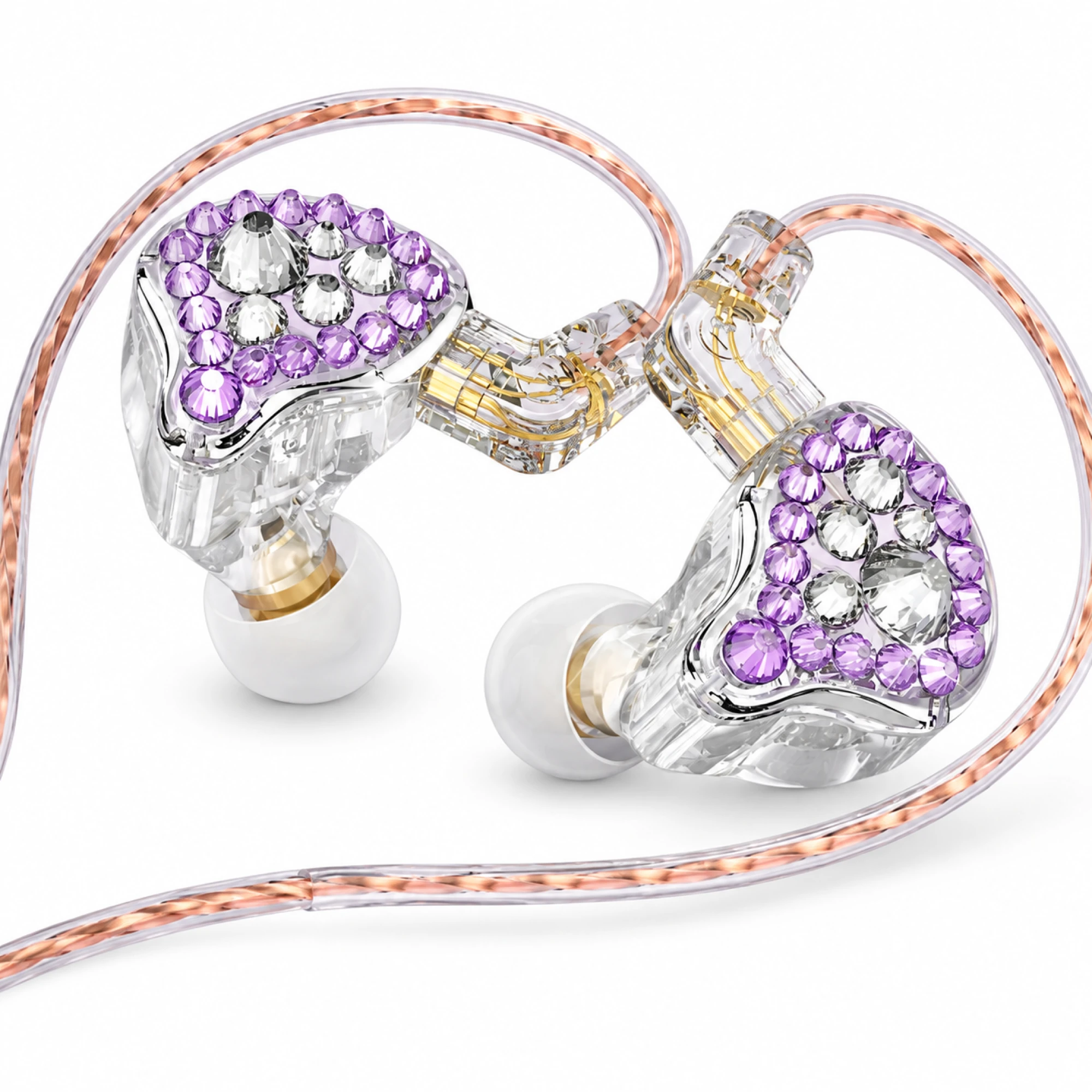 Q2 Pro Purple Crystal In-Ear Monitors
 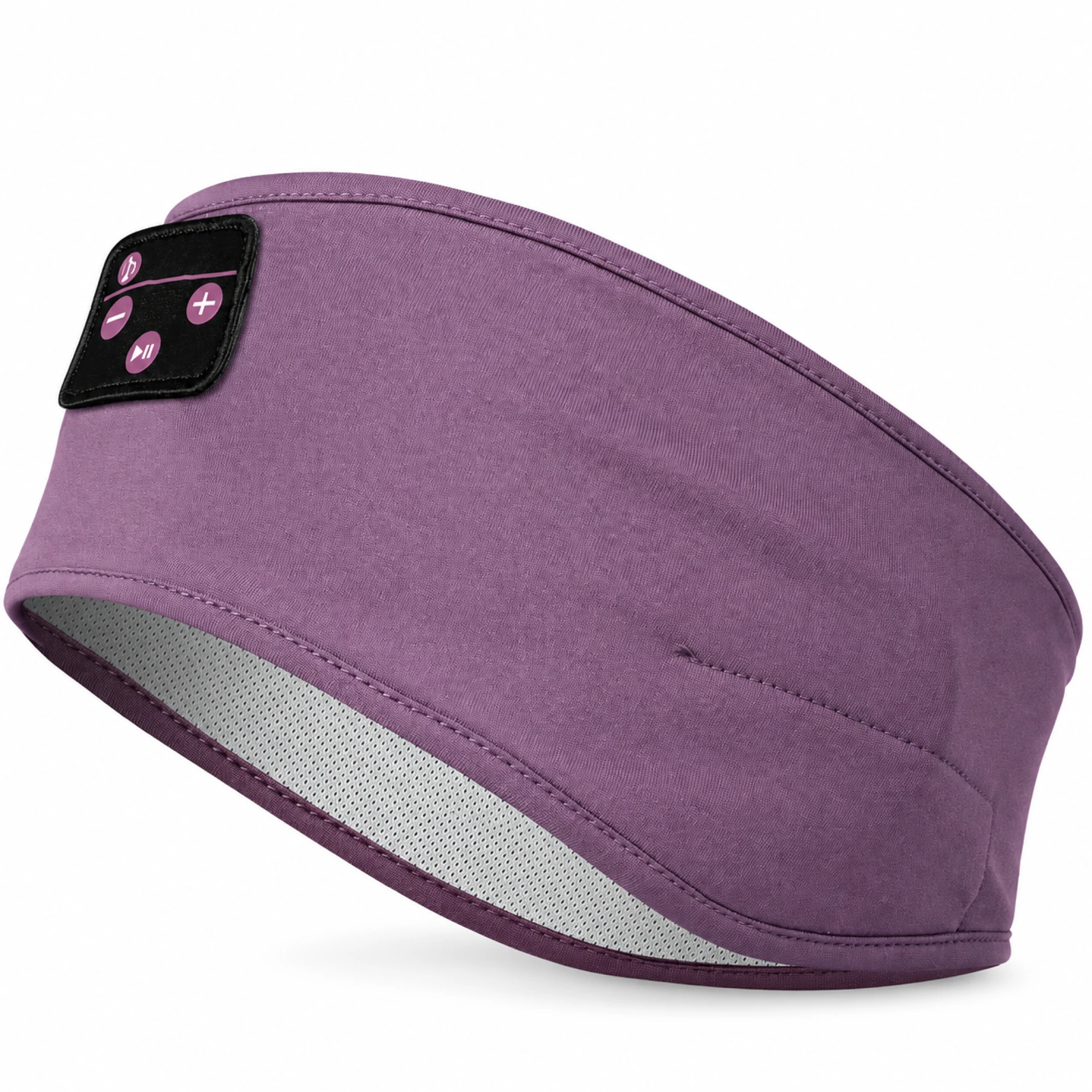 Purple Sleep Headband Headphones with Triangle Controls
 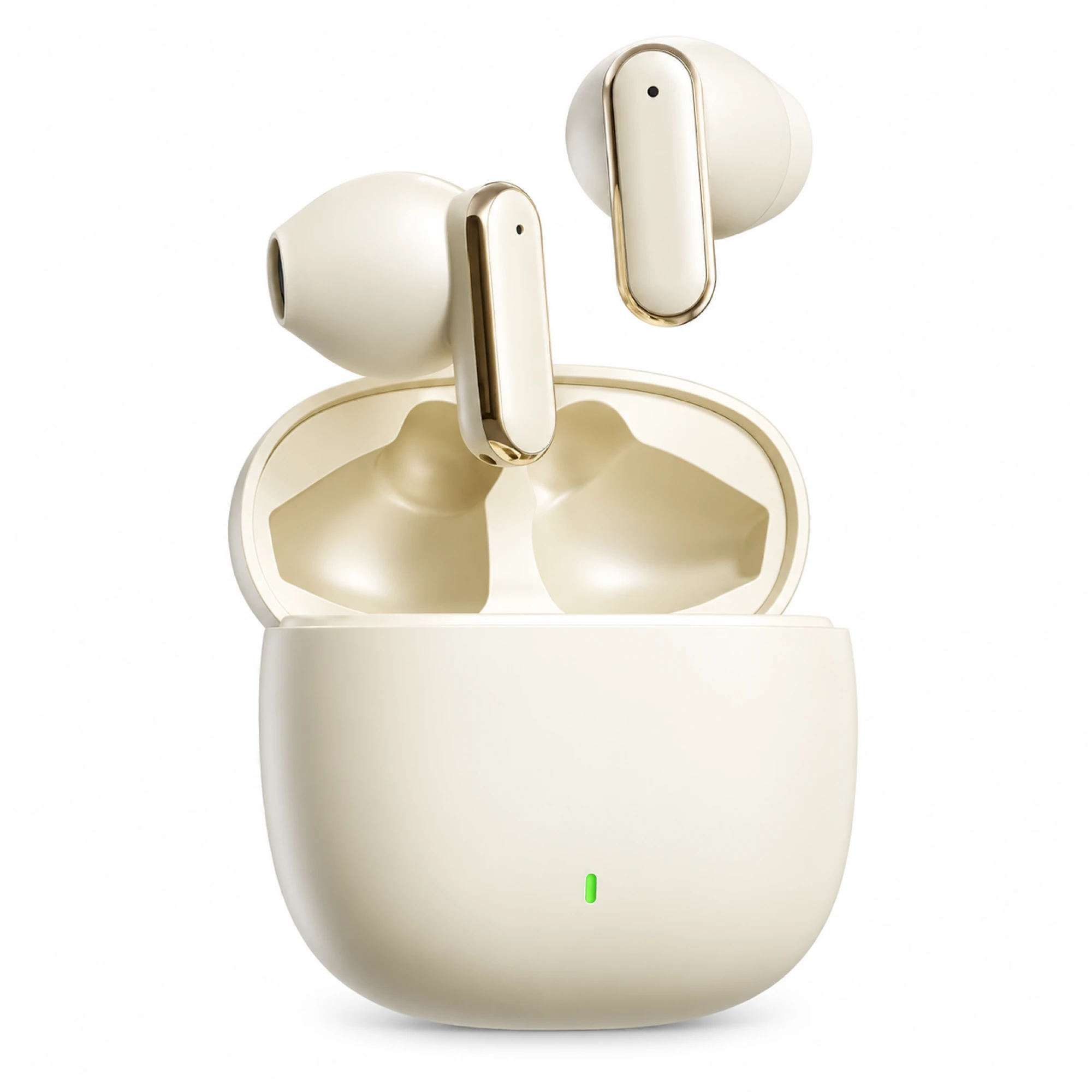 Cream Reflective-Stem Wireless Earbuds
 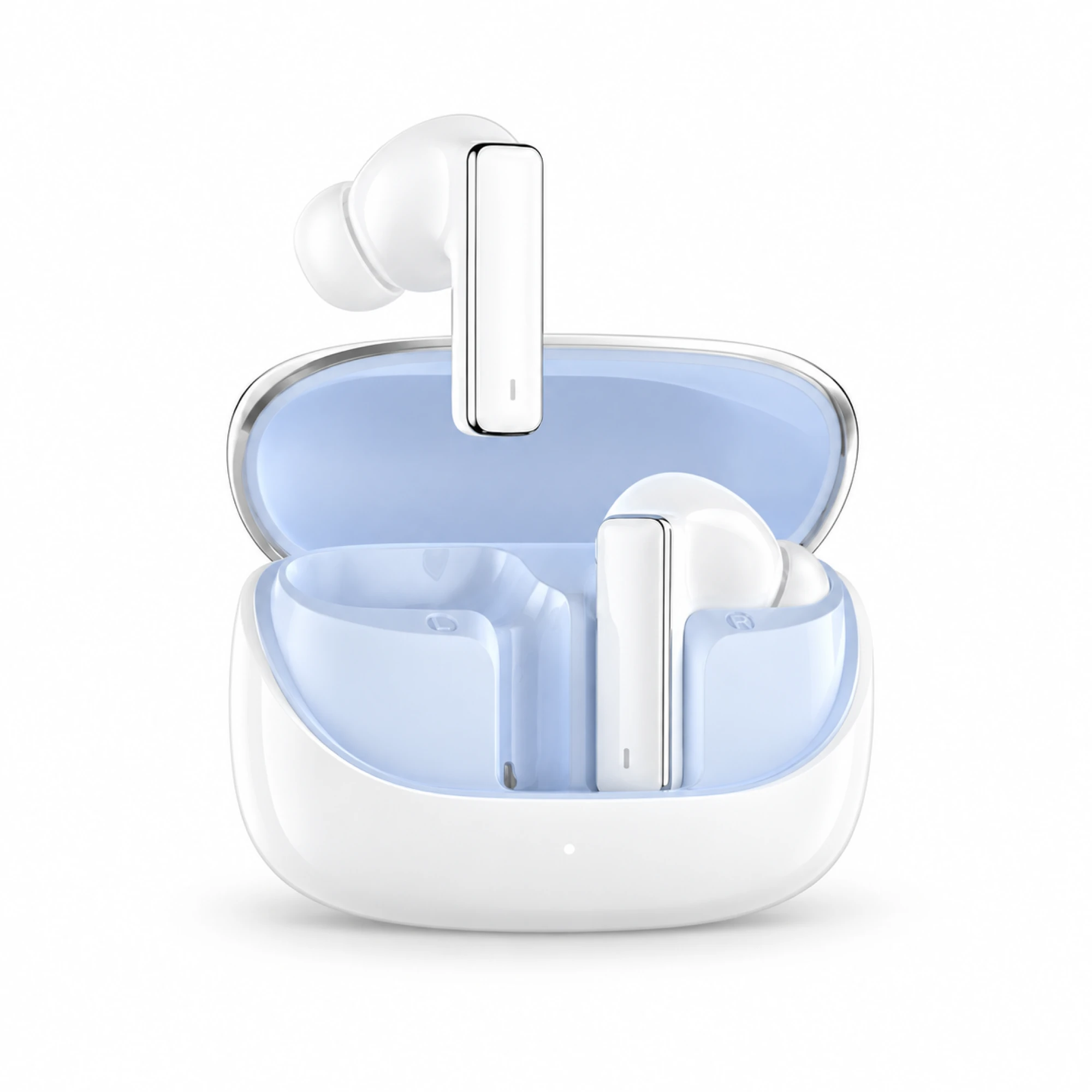 IN-01 White ANC Earbuds with Pale Blue Case Interior
 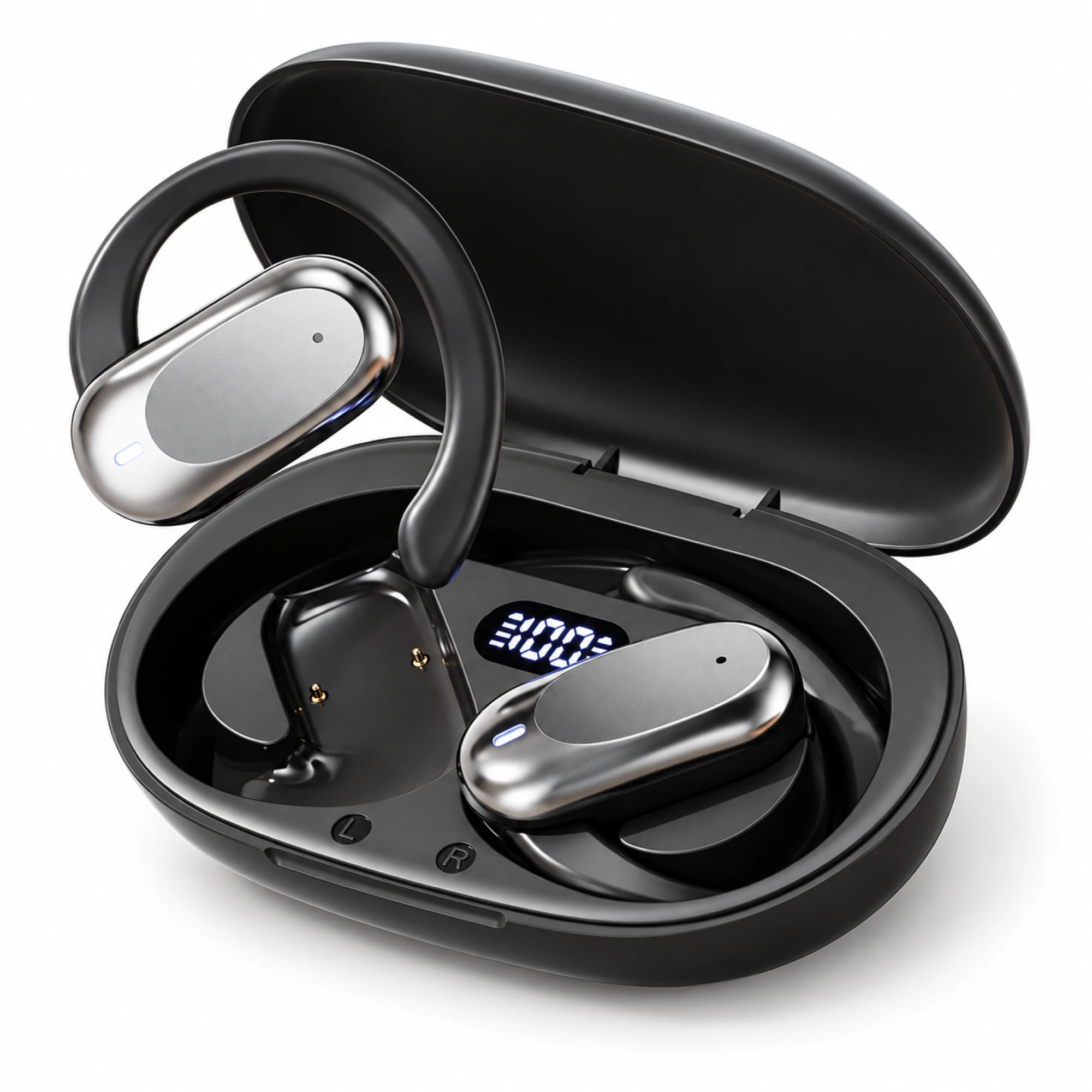 Silver Capsule Open-Ear Earbuds
 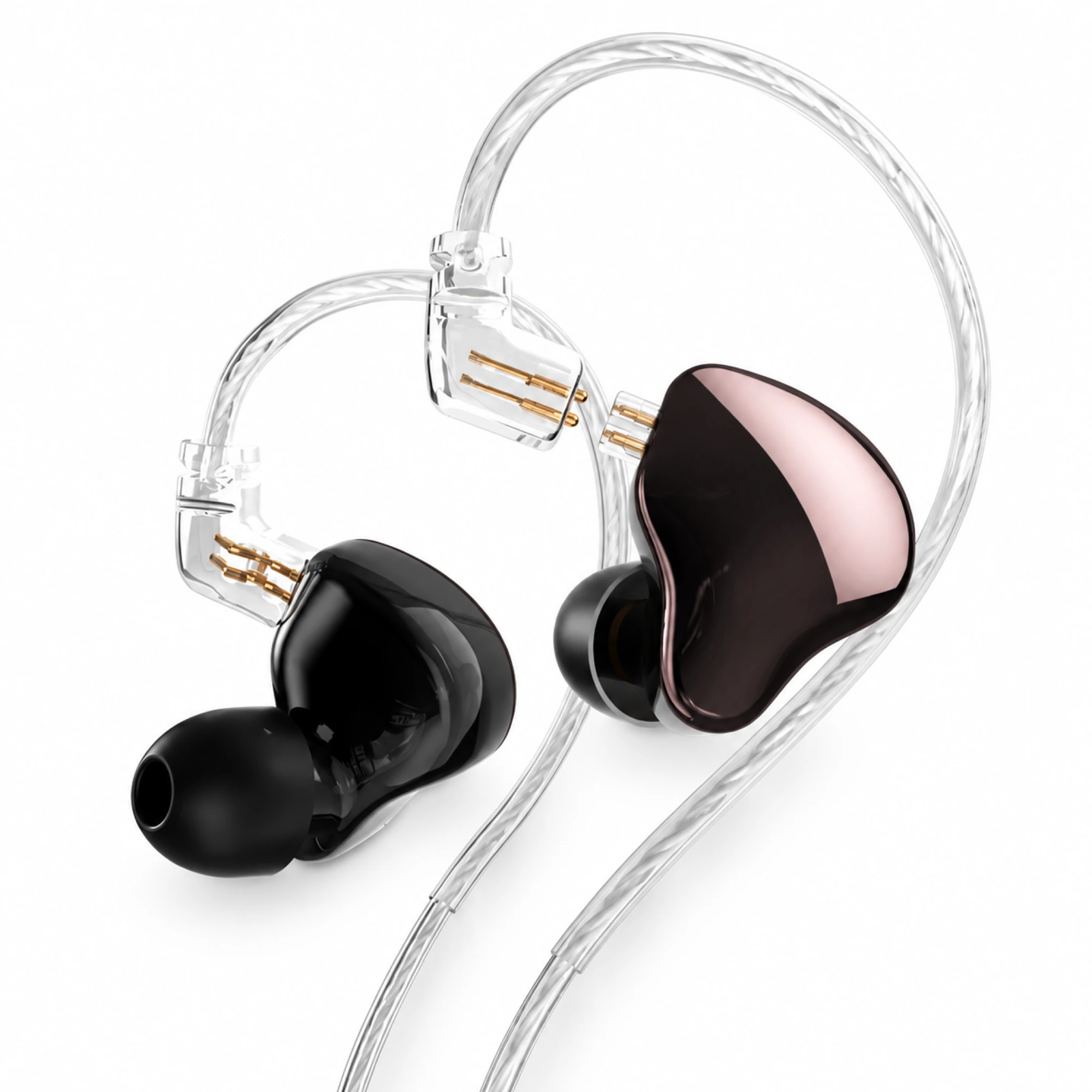 MN Rose-Metallic Detachable In-Ear Monitors
 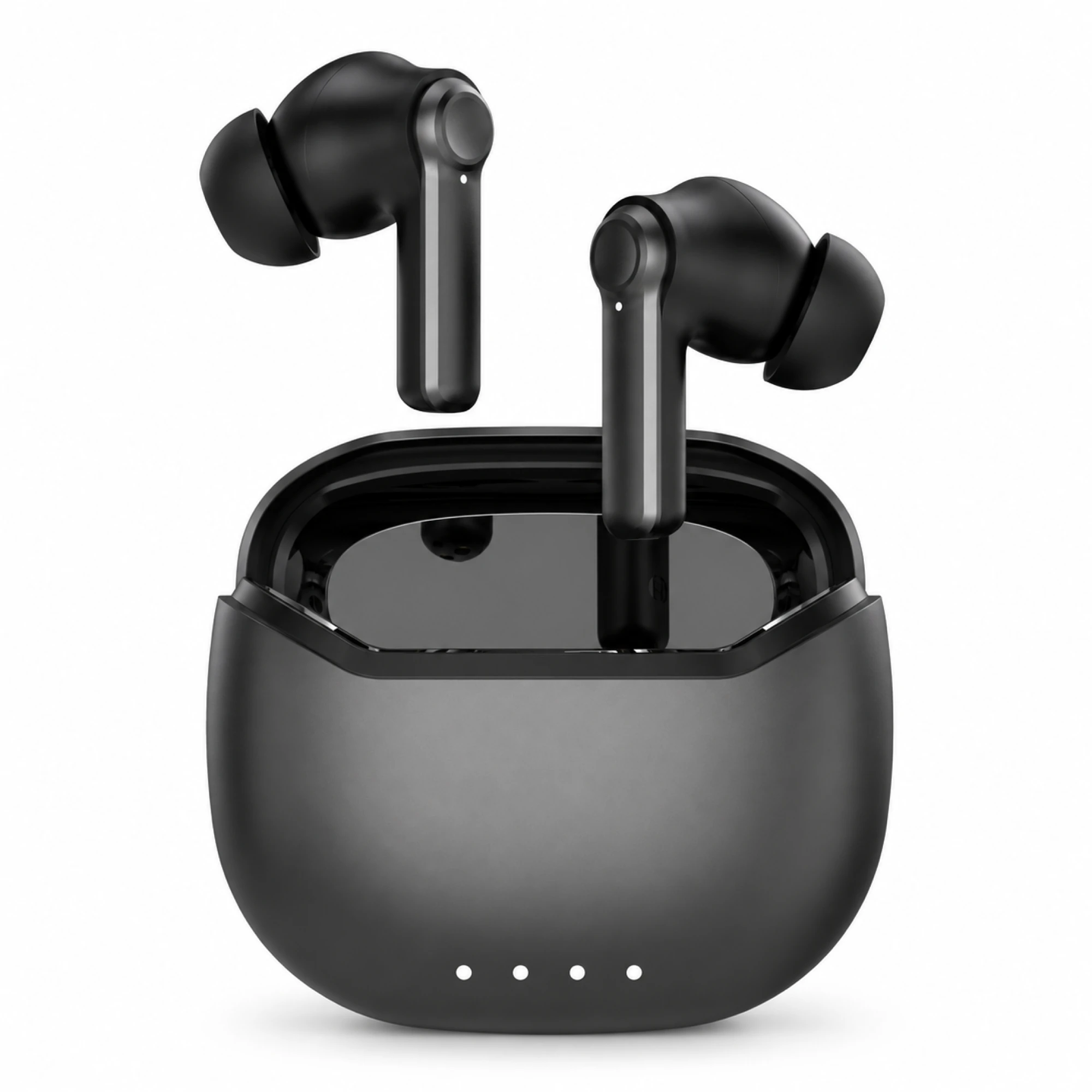 Black ANC Earbuds with Four-Indicator Case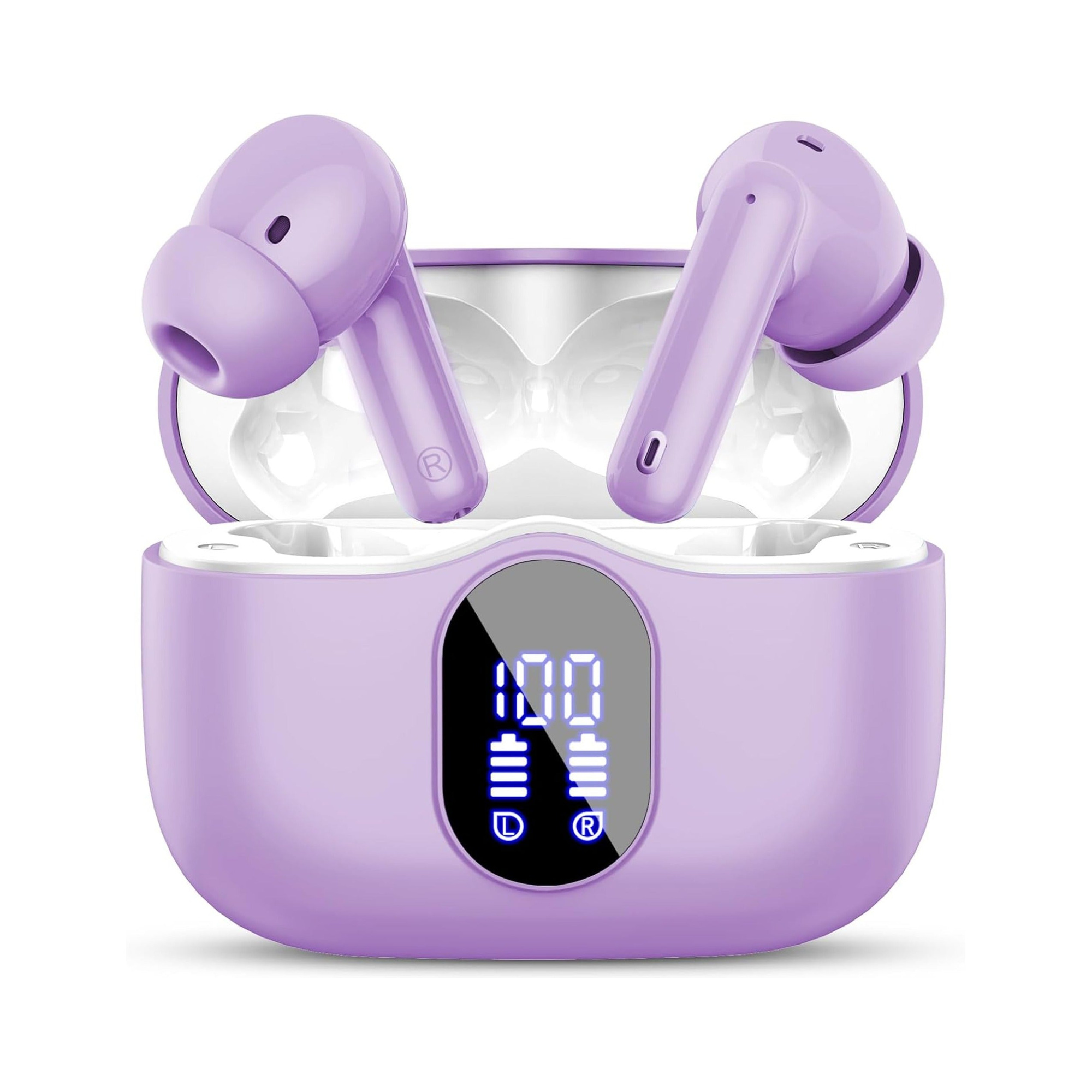
The phrase best noise reduction headphones spans two aisles that share no rules. In hearing protection, "noise reduction" names a certified number that US regulation requires on the package. In consumer audio it is a description with no test behind it. Getting the two mixed up carries a consequence an ordinary bad purchase does not: something that feels quiet may not be protecting you.
The rated aisle and the marketing aisle
A safety supplier sells earmuffs and foam plugs, each printed with a two-digit number. An electronics store sells headphones described the same way, with no number anywhere. Both are sold as noise reduction. Only one is measured.
The reason is regulatory. OSHA's Appendix B to 1910.95 states it directly: "According to EPA regulation, the NRR must be shown on the hearing protector package." NRR is the Noise Reduction Rating. Consumer headphones are not hearing protectors under that scheme, so nobody tests or labels them. The absence of a number is not an oversight; the product was never entered into the system that produces numbers.
So a headset for noise reduction in a workplace-safety catalogue is a rated device. A headset with noise reduction in an electronics catalogue is a description that could mean active cancellation, call-side processing, or nothing beyond the fit. Our guide to ANC, ENC and passive isolation separates those three.
What the rating is, and how OSHA discounts it
The NRR comes from laboratory testing with the protector fitted on human subjects. It is a single decibel figure, higher being better, and in OSHA's own assessment it flatters the product. The agency's technical manual on noise says the actual level of protection is likely lower than indicated on the label, because most workers are not provided with fit-testing and laboratory donning methods do not represent how the device gets worn in the field.
The correction for that is arithmetic and mandatory. Where exposure is measured with an A-weighted sound level meter, Appendix B instructs you to subtract 7 dB from the NRR and subtract the remainder from the A-weighted time-weighted average. Applied to a 100 dBA environment:
| NRR printed on the package | After the mandatory 7 dB correction | Estimated level at the ear in 100 dBA |
|---|---|---|
| 33 | 26 dB | 74 dBA |
| 30 | 23 dB | 77 dBA |
| 25 | 18 dB | 82 dBA |
| 22 | 15 dB | 85 dBA |
| 20 | 13 dB | 87 dBA |
Two reference points make that last column readable. OSHA's general industry standard sets a 90 dBA criterion for an 8-hour time-weighted average, with an 85 dBA action level that triggers hearing conservation requirements; NIOSH has recommended an 8-hour limit of 85 dBA on a 3 dB exchange rate instead of OSHA's 5 dB. A protector rated 22 lands a 100 dBA workplace exactly on the action line, and nowhere near comfortably below it.
The rating is also not frequency-specific, and it is derived from continuous noise. OSHA notes that impulsive or impact noises are considered much more harmful to hearing than continuous ones, which matters if your problem is gunfire or a nail gun instead of a compressor.
The frequency problem is the real reason to keep the categories apart
It is reasonable to assume a strong ANC pair would earn a decent rating if someone bothered to test one. The physics says otherwise, and the mismatch is specific.
Noise damages hearing from the top down. OSHA's technical manual puts it directly: the portions of the ear that detect frequencies between 3,000 Hz and 4,000 Hz are the earliest to be affected by exposure to noise, and audiograms often display a 4,000 Hz notch in the beginning stages of sensorineural hearing loss.
Active cancellation gives out well below that band. The method needs the wavelength to be long compared with your ear canal: comfortable below a few hundred hertz, marginal around 1 kHz, and failing near 3 kHz, where the canal stops behaving as a single point. That ceiling is set by the speed of sound and the size of a human ear, so no amount of processing raises it.
Line the two up and the overlap is small. Cancellation is strongest across low drone, which is unpleasant but rarely what costs you hearing, and thins out right where the audiometric notch appears. What attenuates 4 kHz is mass, seal and cup depth, the passive part, which is what the NRR measures and what a small earbud has least of. Quiet and protected are different states. OSHA even keeps a separate appendix on workers wearing sound-generating headsets, because a headset playing music in a loud room adds to the dose instead of subtracting from it.
Match the noise to the category
The phrase covers at least four unrelated jobs, so identify the noise before shopping for the box.
- Power tools, mowers, workshop machinery, a loud job: rated earmuffs or earplugs sold as hearing protection. Look for the NRR, then apply the 7 dB correction.
- Firearms, impact tools, anything impulsive: rated protection, ideally with specialist advice, keeping OSHA's impulse caveat in mind.
- Concerts and rehearsal rooms: filtered musician plugs that attenuate evenly across frequency, which a single figure cannot describe.
- Plane, train and bus drone on a commute: ANC headphones or sealed ANC earbuds. No rating exists, so judge by trial and the return policy.
- Colleagues talking in an open-plan office: seal and steady masking sound do more here than stronger cancellation.
- Being heard clearly by the person on your call: ENC, which processes the microphone side and does nothing for your own quiet.
- A snoring partner at night: earplugs, sleep earbuds or masking audio. Earplugs carry an NRR; sleep earbuds do not. Our comparison of sleep earbuds and earplugs covers that trade.
Only the first three have a real rating attached. For the rest, a precise decibel figure is a supplier's claim and not a measurement.
Where our own listings use the words
We ran the phrase through our own listings instead of guessing. A large share of our range uses the words "noise reduction" somewhere in the copy, and not one product states a Noise Reduction Rating, because not one is hearing protection. A much smaller group claims active noise cancellation at all.
The Noise Cancelling True Wireless Earbuds at $27.99 are a good illustration: despite the product name, the listing claims ENC noise reduction, which is call-side processing for the person hearing you. The Over-Ear Wireless Headphones Series 127 at $44.75 claim active noise cancellation, and the supplier copy also carried a percentage figure with no units and no frequency band, which we could not verify and have removed. The Smart Wireless Earbuds with LCD Touchscreen Case at $49.99 claim ANC and ENC together over Bluetooth 5.4. Our Beetle gaming earbuds sit at the other end: closed-back passive isolation, with the listing answering "no" to ANC outright.
Two things follow. The only decibel figures anywhere in our range are output limits, the 90 dB and 94 dB ceilings on the kids' and headband models, which cap what the speaker produces and say nothing about what gets blocked. And none of it is personal protective equipment: if a job site or a range is the reason you are reading this, buy from a safety supplier and use ours on the commute home. The ANC and ENC models sit in everyday wireless earbuds and the smart range, and the passive designs depend entirely on the seal, which our four fit checks will settle in about a minute.
Questions about ratings and real protection
What is the difference between noise cancelling and noise reduction headphones?
Noise cancelling describes a method: microphones sample incoming sound and the driver plays it back inverted. Noise reduction, in hearing protection, describes a certified outcome, the NRR that US regulation requires on the package of any hearing protector. In consumer audio the two phrases are used interchangeably as marketing, so the label alone tells you nothing about performance.
Do noise reduction headphones really work?
Rated hearing protection works in a specific and limited sense: its measured attenuation is real once you apply OSHA's mandatory 7 dB correction and fit it properly. Consumer ANC works well against steady low-frequency drone and much less against speech or sudden sound. Neither category does what the other one does.
Can I use ANC earbuds instead of earplugs on a job site?
No. Job-site protection is chosen by its rating, and no consumer ANC product carries one. Cancellation is weakest in the 3 to 4 kHz band where noise-induced damage starts, and a headset playing audio in a loud room adds to your dose. Use rated protection for the work and keep the earbuds for the journey.
Why does my ANC pair barely quiet an office?
Because speech sits mostly above the band cancellation handles well. Low drone from an aircraft or a train is long-wavelength and predictable, which is what the system was built for; a colleague two desks away is neither. Seal, distance and a steady masking sound do more for an open-plan room than a stronger cancellation mode.
Rated for work, cancelling for drone
"Noise reduction" is a certified rating in one aisle and a description in the other. The NRR is real and regulated, and OSHA still takes 7 dB off it before trusting it. No consumer ANC headphone carries one, and the reason is not paperwork: noise damages hearing first around 4 kHz, above the ceiling cancellation can reach, so the damaging band is handled by mass and seal instead of electronics. Buy rated protection for loud work, cancellation for drone, and treat any decibel or percentage claim on a consumer listing as copy until someone shows the method.