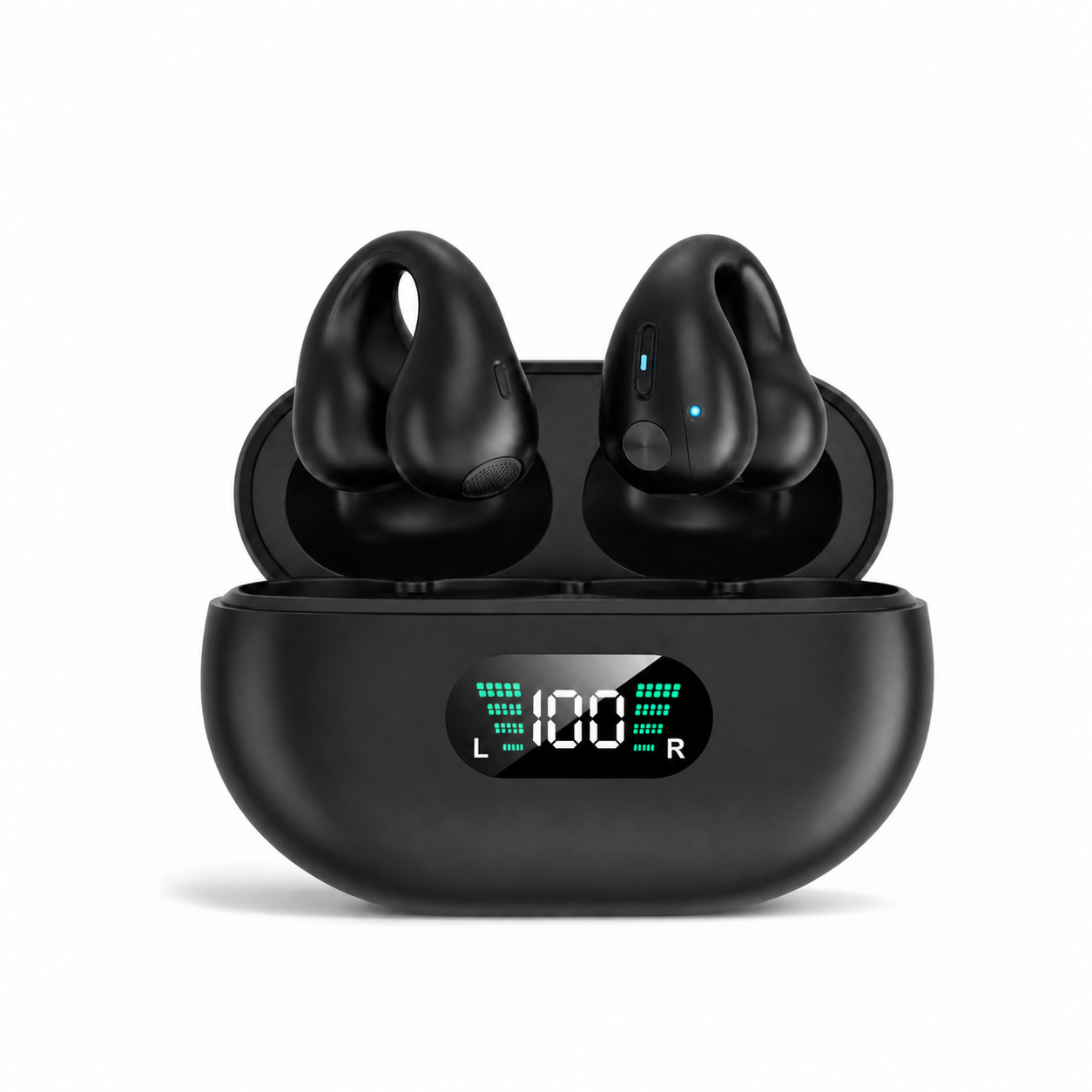
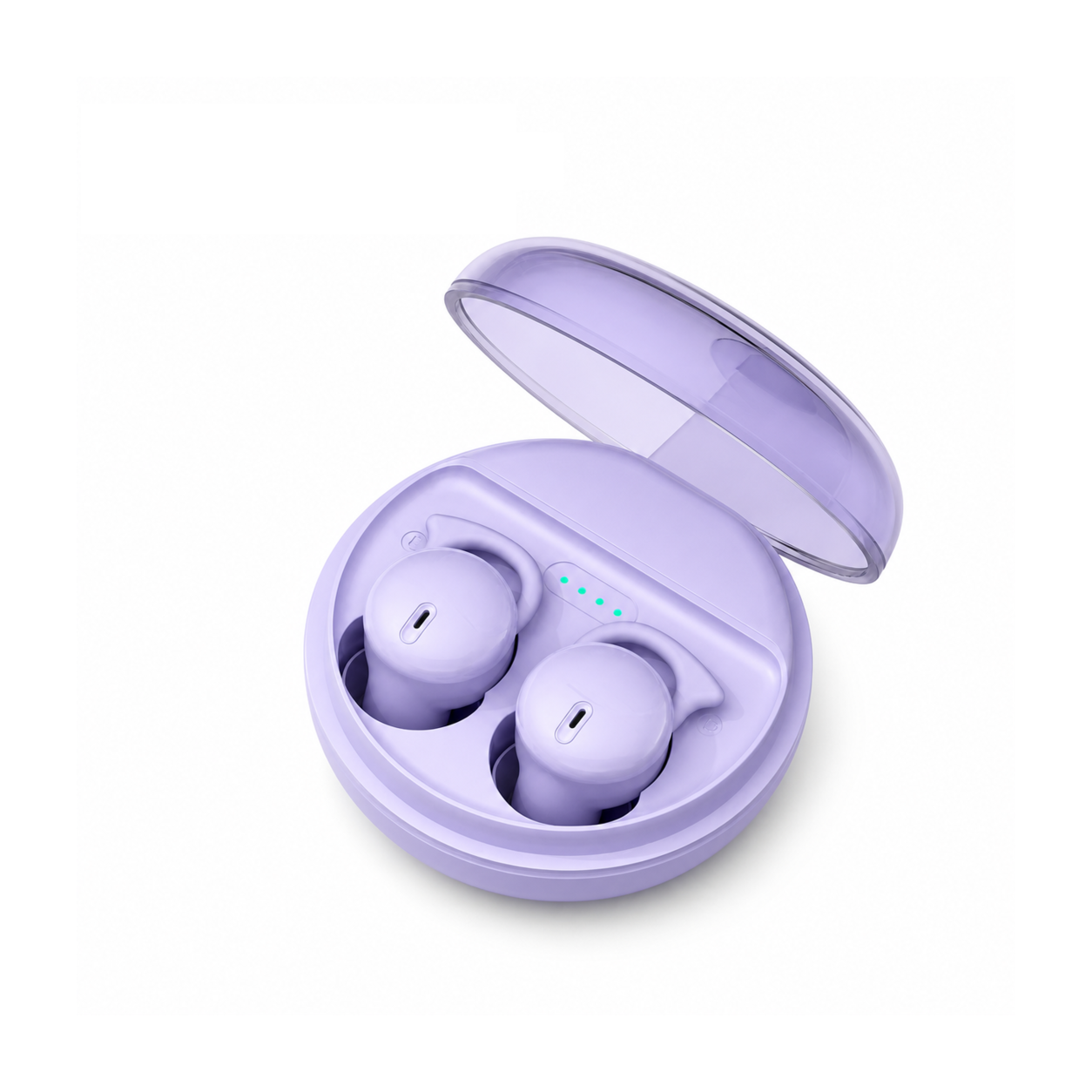
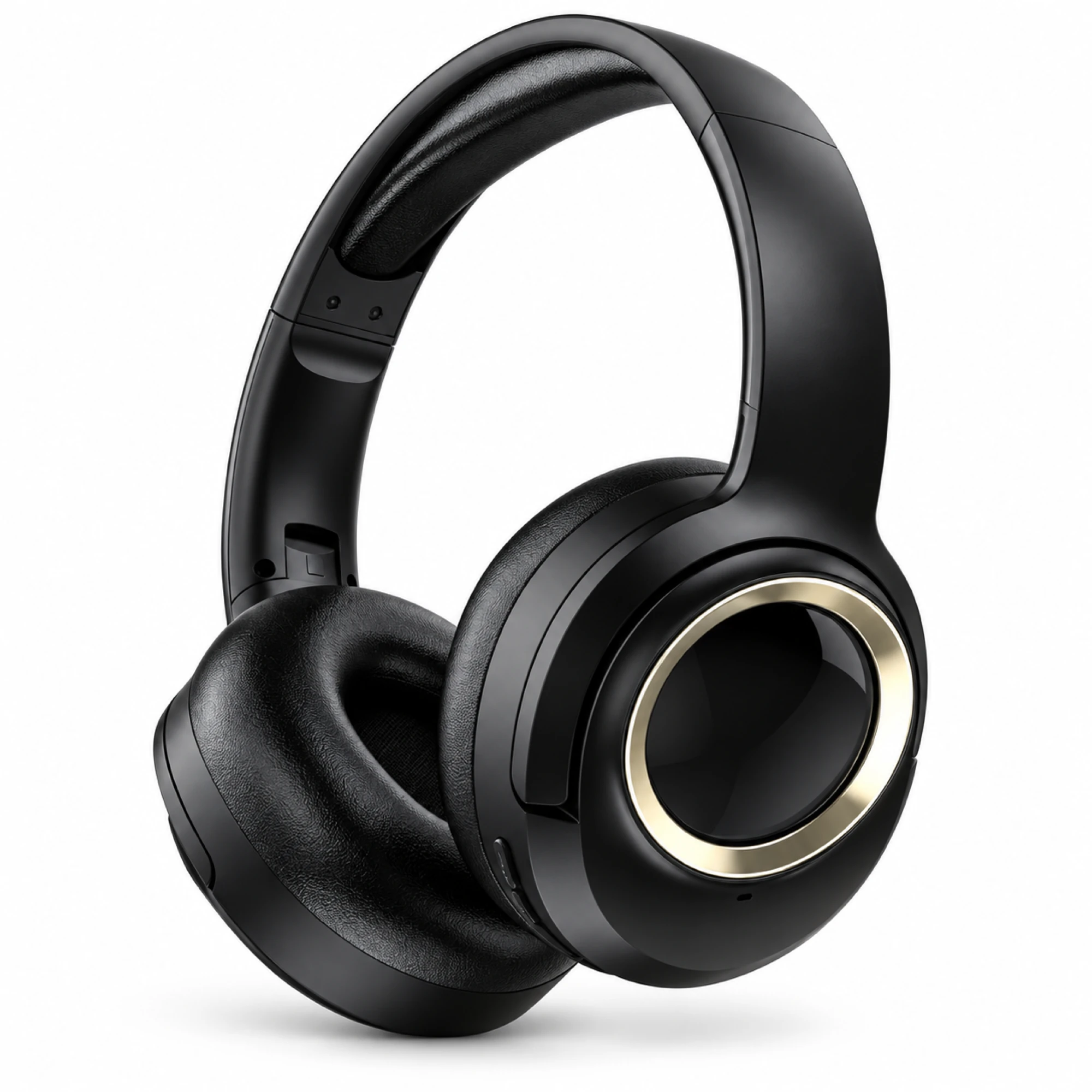
 MX-21 Black and Gold Wireless Headphones
 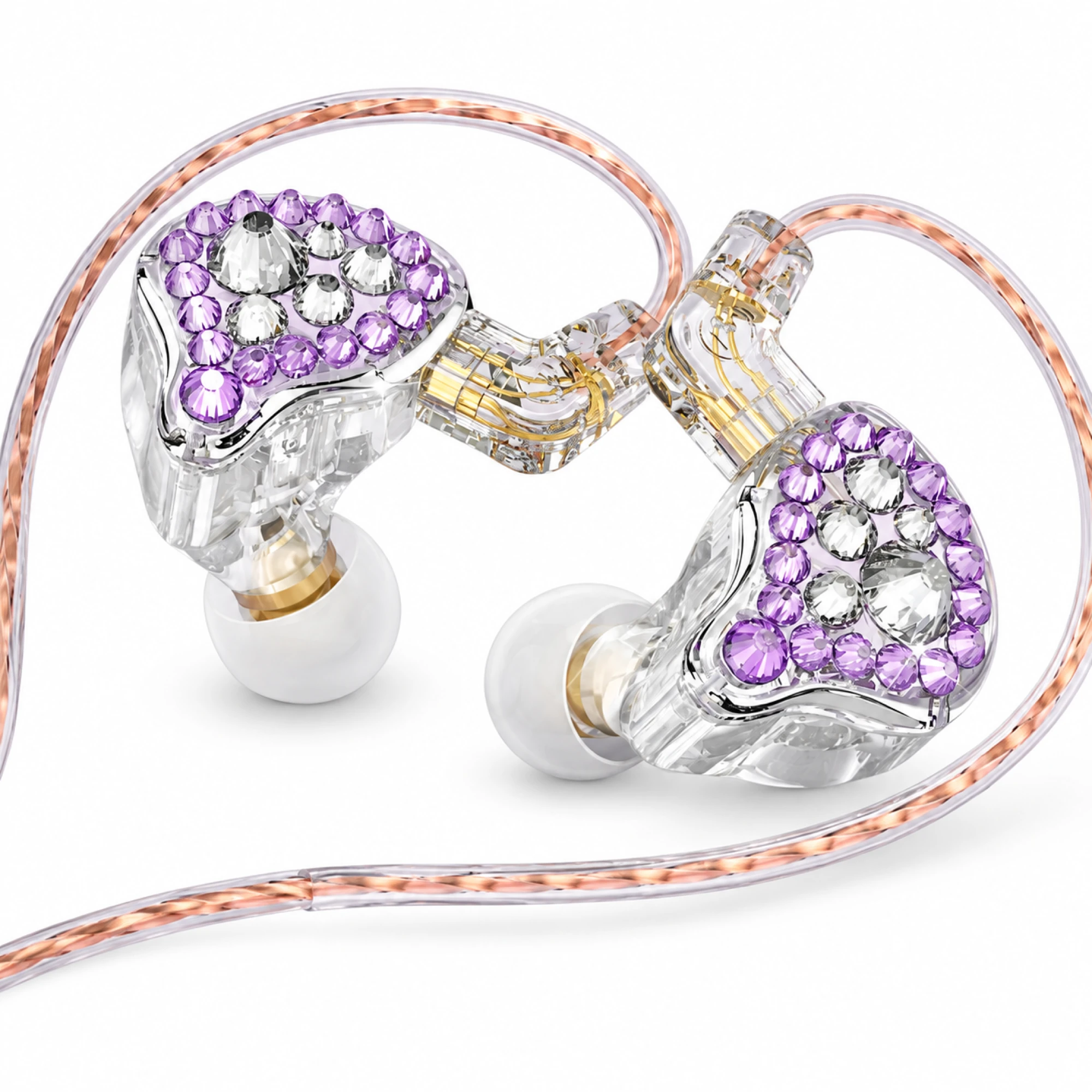 Q2 Pro Purple Crystal In-Ear Monitors
 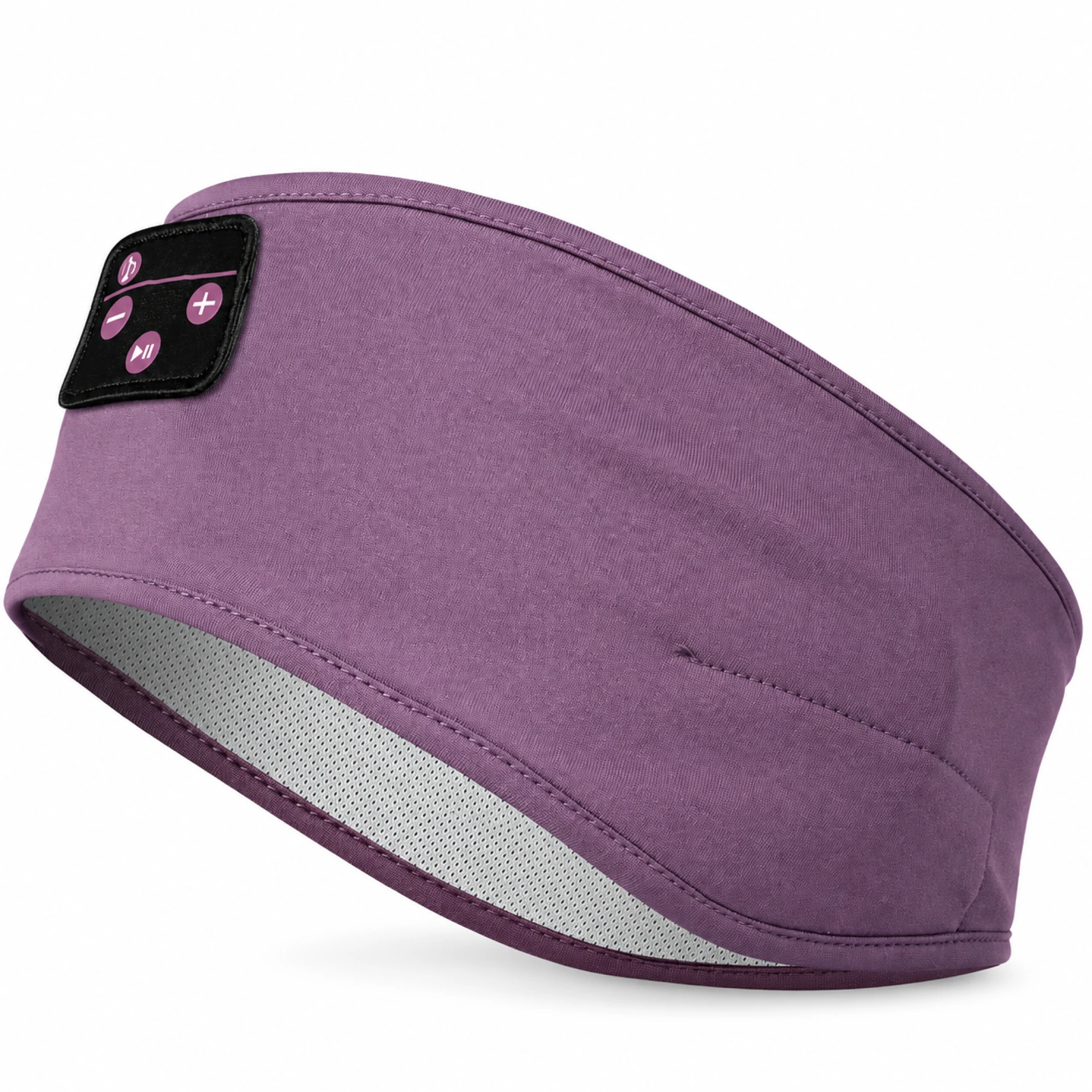 Purple Sleep Headband Headphones with Triangle Controls
 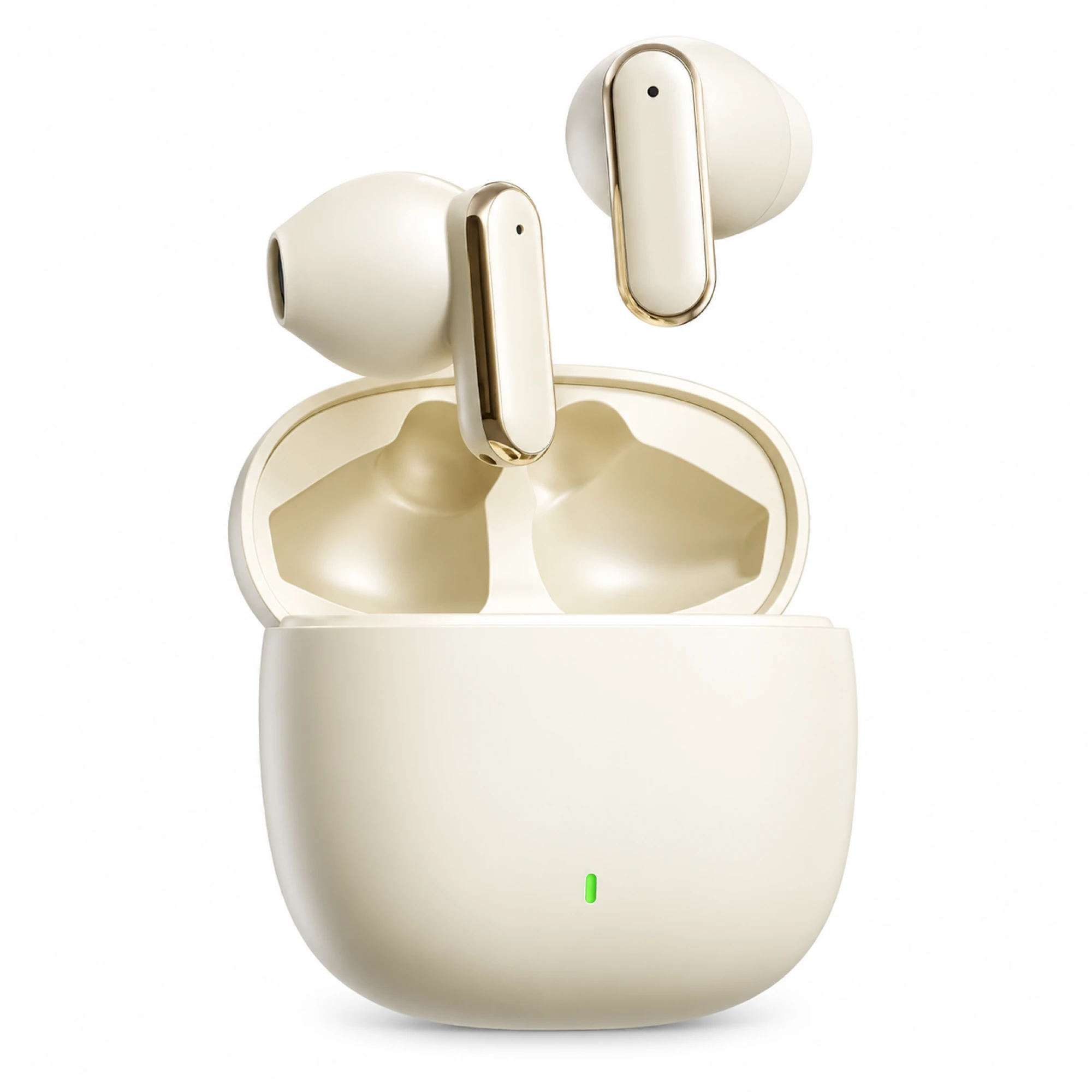 Cream Reflective-Stem Wireless Earbuds
 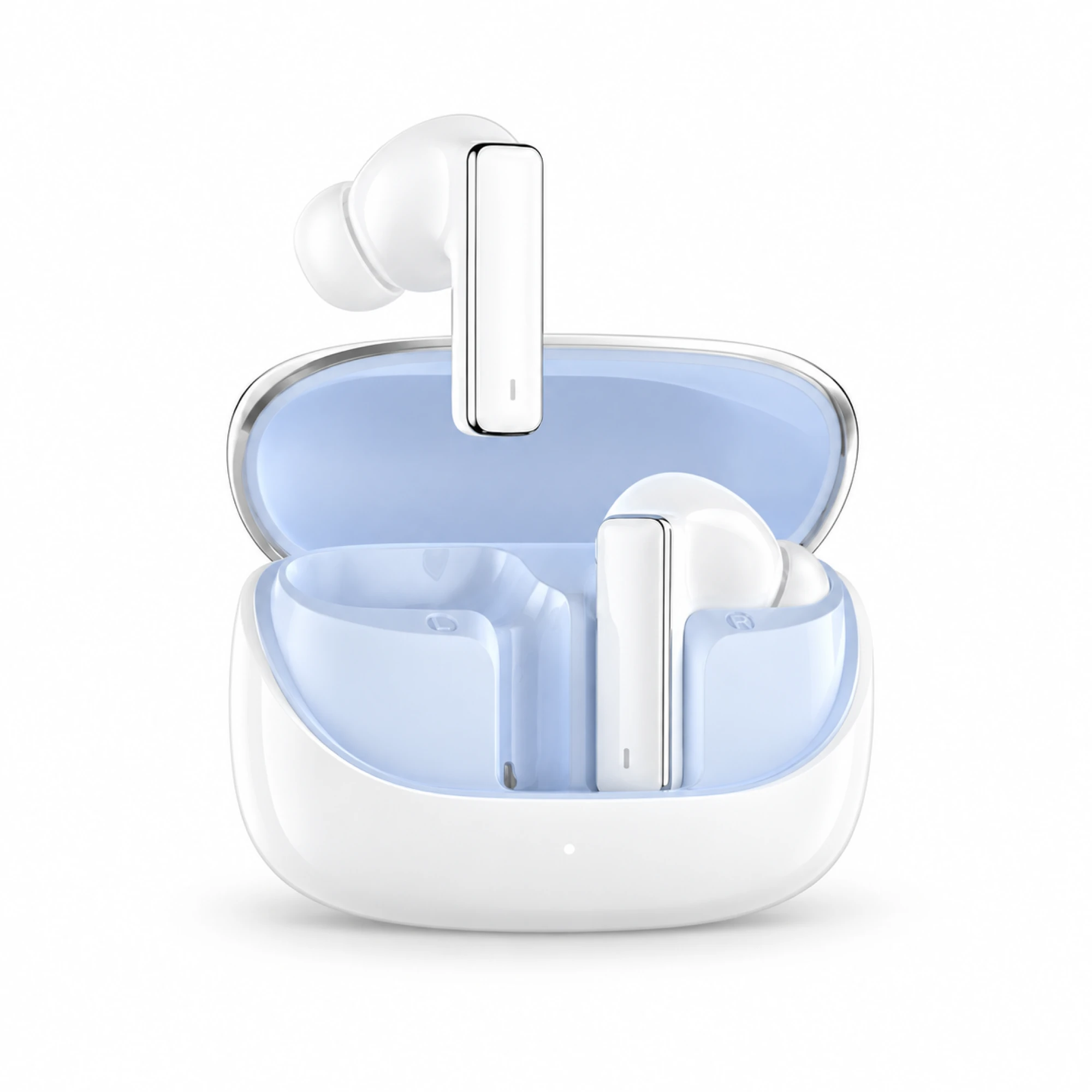 IN-01 White ANC Earbuds with Pale Blue Case Interior
 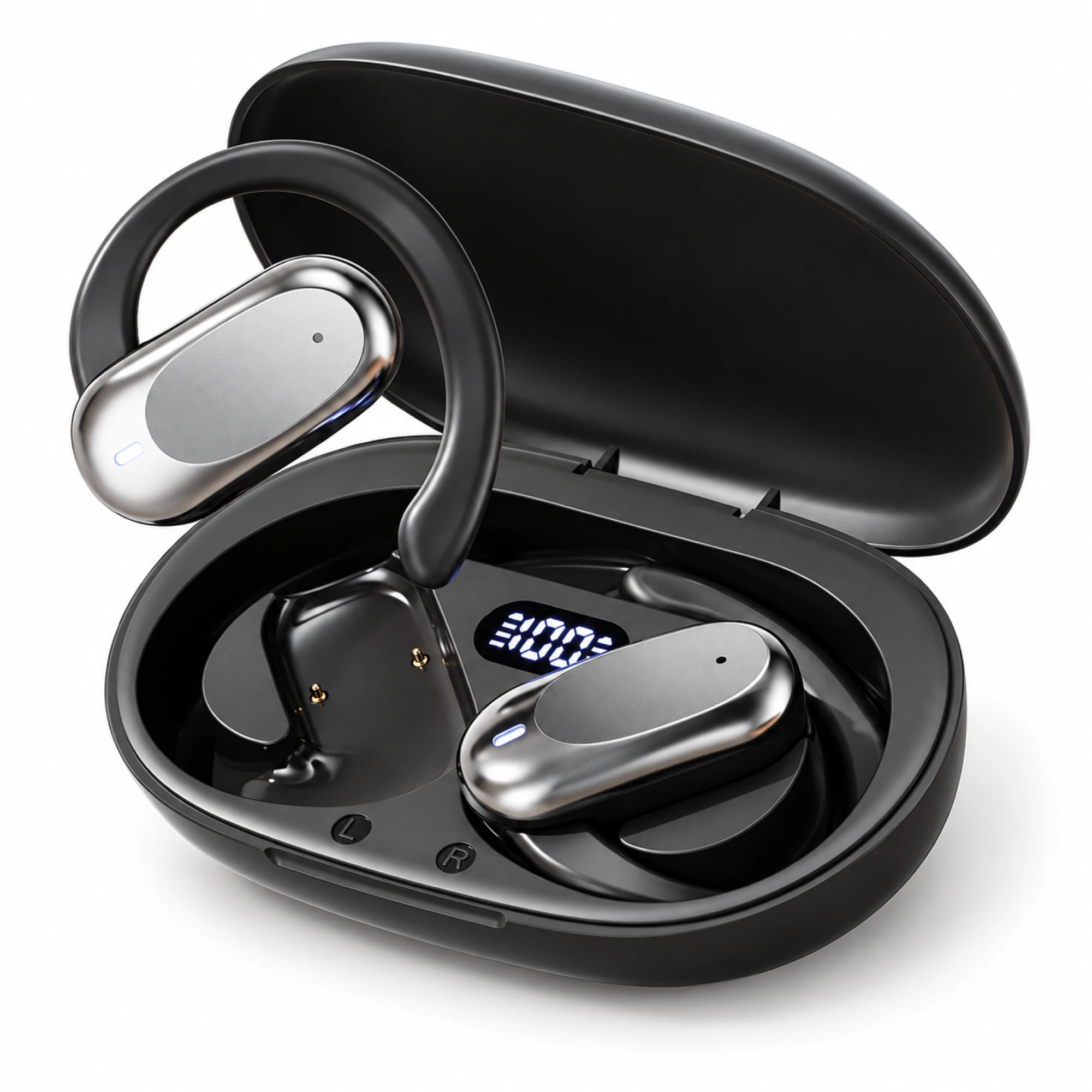 Silver Capsule Open-Ear Earbuds
 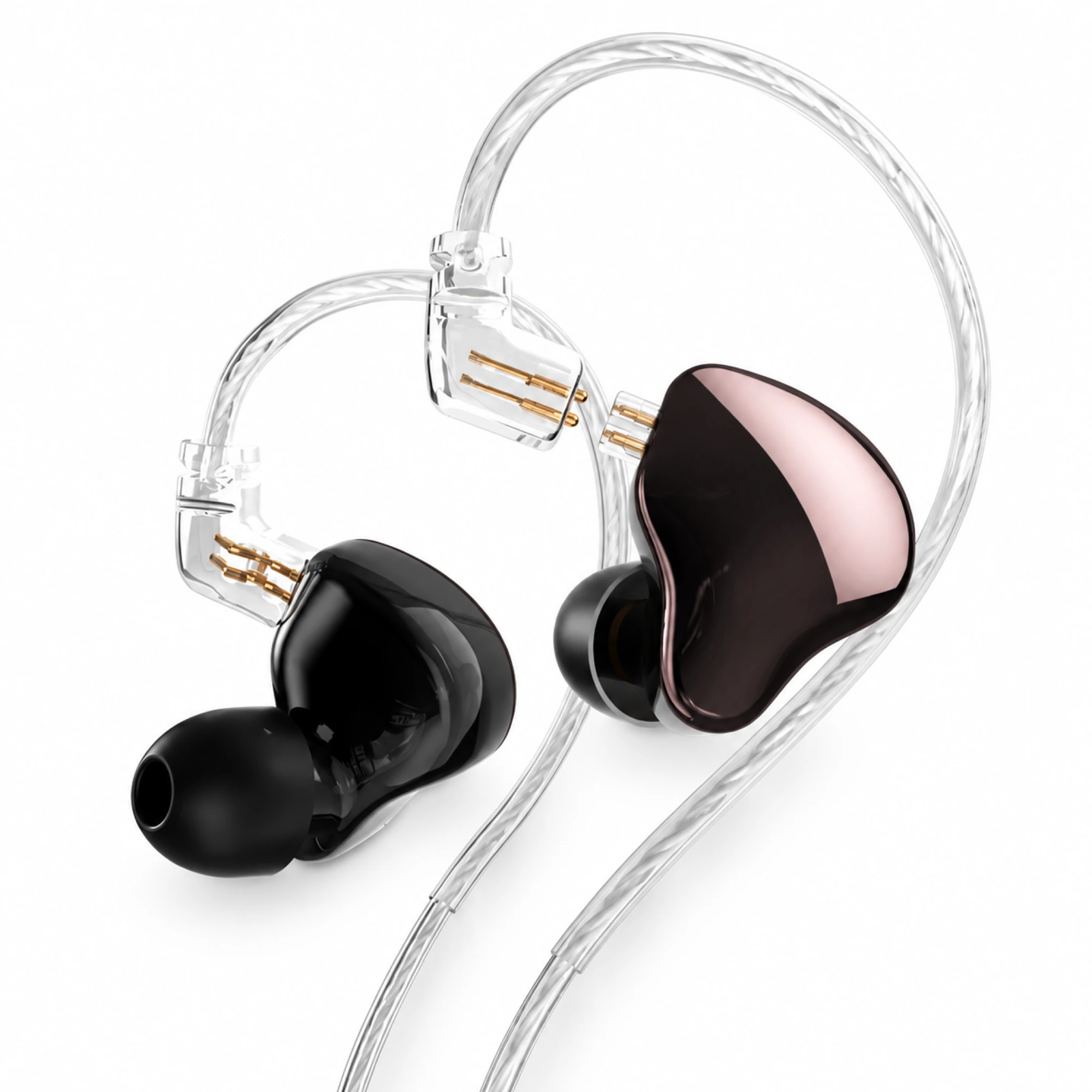 MN Rose-Metallic Detachable In-Ear Monitors
 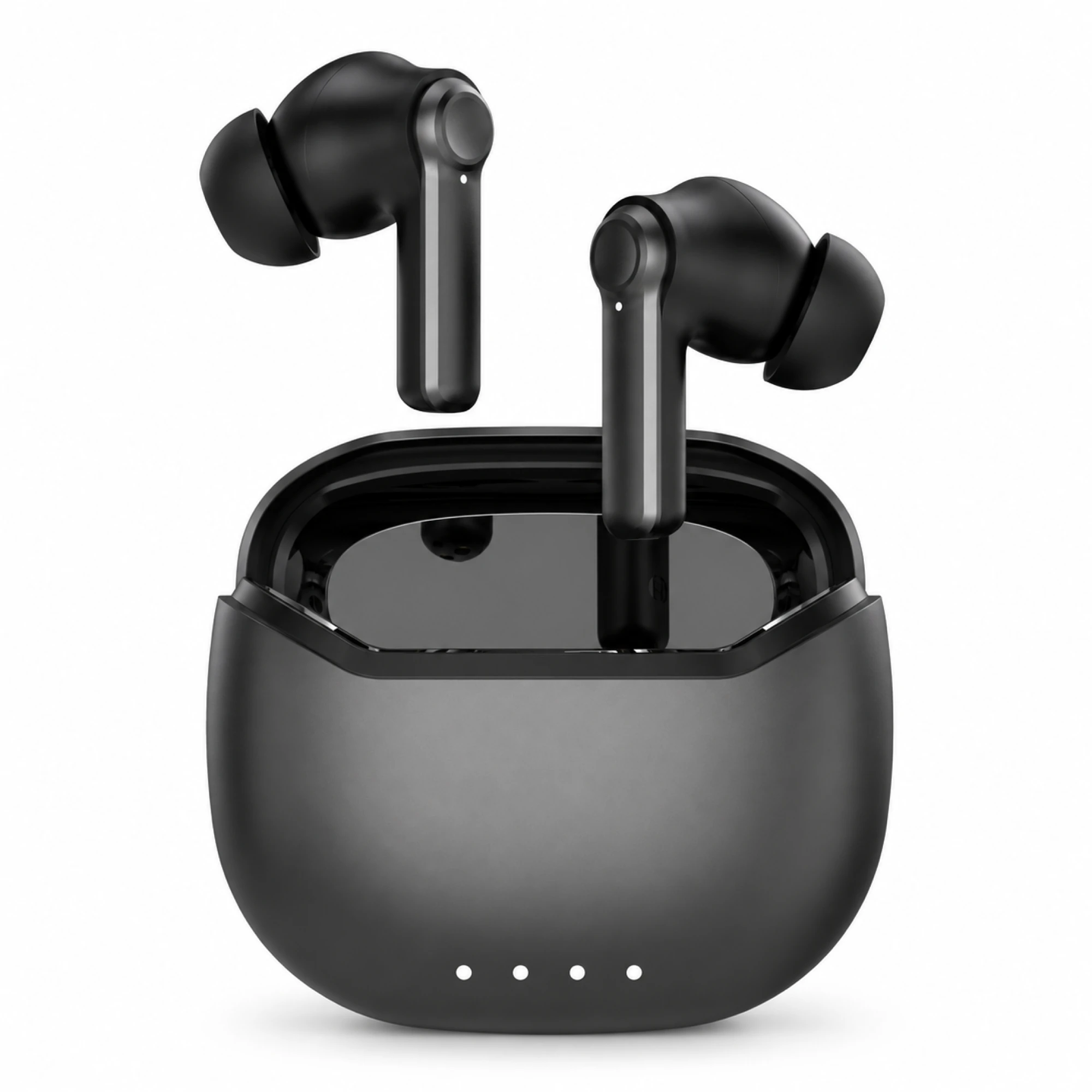 Black ANC Earbuds with Four-Indicator Case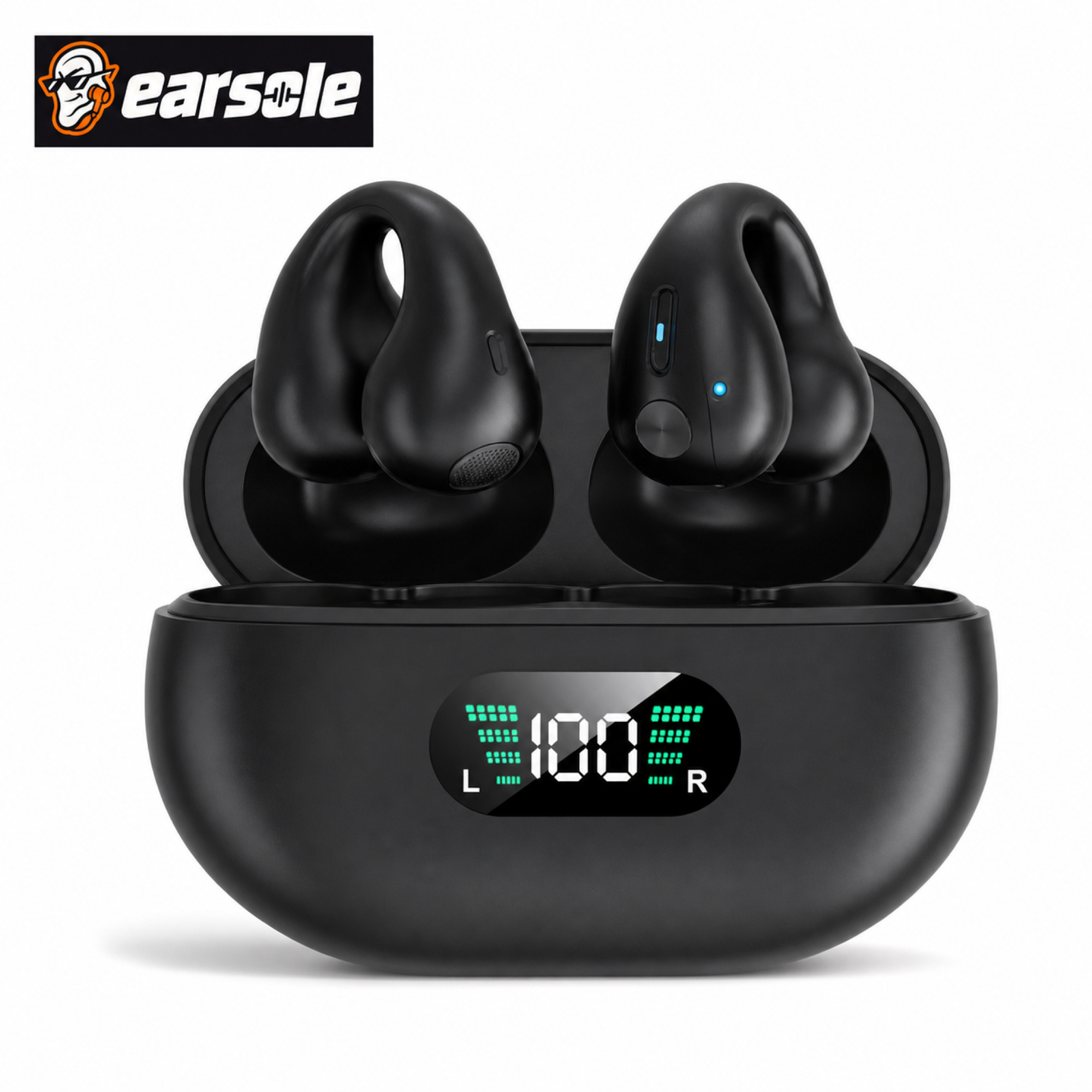
The difference in open back vs closed back headphones is one wall. An open-back cup is perforated at the rear, so sound passes both ways, out to the room and in from it. A closed-back cup seals that rear. Bass weight, isolation, mixing suitability and whether you can wear them near another person all follow from that one choice, and a third design with a similar name, open-ear, is a different thing again.
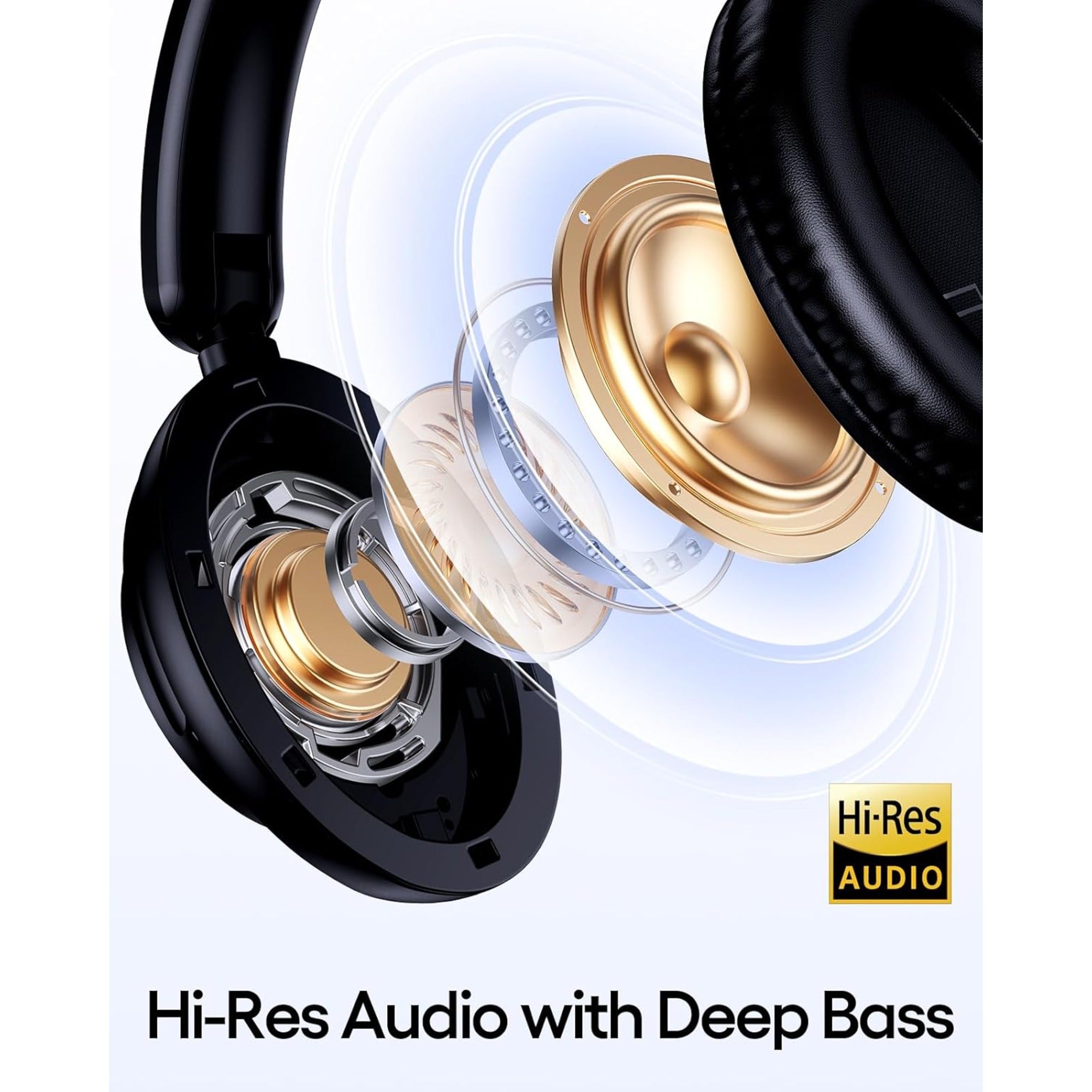
One wall, and everything that follows from it
The vocabulary is unusually literal. Open-back headphones have, per Wikipedia's headphone entry, "the back of the earcups open," which "leaks more sound out of the headphone and also lets more ambient sounds into the headphone, but gives a more natural or speaker-like sound." Closed-back, sometimes written sealed, has that rear closed, "usually" blocks some ambient noise, and "usually can produce stronger low frequencies."
Note the hedges. They are the right ones: the design sets a tendency rather than a result.
Physically, the driver in a closed cup works into a small pocket of trapped air that acts like a spring against the diaphragm and reflects energy back through it, the source of much sealed-cup resonance. Remove the rear wall and the driver sees an effectively unbounded volume, with no seal holding pressure. That is why open-back over-ear headphones sound less "in your head," and why they lose bass in any room that is not quiet.
Semi-open also appears on spec sheets. Treat it loosely: the same entry notes flatly that "there is no exact definition for the term semi-open headphone."
What the vent buys, and what it costs
The trade is not subtle, and it does not move much with price.
- Presentation. Most listeners describe open-back as wider and more speaker-like. Some of that is reduced cup resonance; some is the room bleeding in, which the brain reads as space.
- Heat and pressure. A sealed cup traps warm air and can create a mild pressure sensation on the eardrum. A vented one generally does neither, which is why long sessions often favour it.
- Isolation, both directions. Roughly none. The same entry puts typical closed-back headphones at 8 to 12 dB of passive blocking; open-back sits well below that and broadcasts your music to anyone a few feet away.
- Bass in a real room. Background noise masks low frequencies first, so an open-back pair that measures well on a bench can sound thin in an office.
- Durability. The driver sits exposed behind a grille. Dust, sweat and moisture reach it easily, making open-back a poor match for gyms, outdoors or anywhere damp.
That dB figure is a guide and no rating: consumer headphones carry no certified attenuation number.
Open-back is not open-ear, and the two words cost people money
Both phrases promise openness and deliver very different things. An open-back headphone still covers your ear completely. A pad seals against the side of your head, a cup encloses the outer ear, and the venting happens at the back of that cup, facing the room. An open-ear earbud has no cup and no seal anywhere: the driver sits outside the canal on a clip, a hook or the cheekbone, and the canal stays open to the air.
| Design | Where it sits | What is open | Made for |
|---|---|---|---|
| Open-back | Full cup around the ear, pad sealed to the head | The rear of the cup, venting to the room | Stationary critical listening in a quiet, private space |
| Closed-back | Full cup around the ear, pad sealed to the head | Nothing; the cup is sealed | Commuting, offices, recording, anywhere shared or loud |
| Open-ear | Outside the ear entirely, on a clip, hook or cheekbone | The ear canal itself | Moving around while staying aware of traffic and people |
So an open-back headphone does not give you the awareness people expect from the word open. You are still wearing two cups, usually on a cable, usually at a desk: it lets the room in without leaving your ears free. An open-ear earbud does the reverse, giving up bass, isolation and privacy to keep your hearing intact. Both leak, for different reasons; see do open-ear earbuds leak sound and open-ear versus bone conduction.
The room decides the choice
The variable that settles this choice is your listening environment, and you already know what that is. In order:
- Is anyone else within earshot, regularly? If so, open-back is off the table. It is audible across a shared room at moderate volume.
- Is the room quiet? Not "fairly quiet." A fridge, an air conditioner or street noise through a window will eat the bottom octave.
- Will you wear them anywhere else? Transit, a plane, a café or an open-plan office all rule it out. Open-back is a single-location tool.
- Is a live microphone in the room? Anything the headphone leaks gets recorded. That is the one hard rule.
- Do you need to hear the room too? For a doorbell, a child or traffic, neither cup design is the answer; that is what open-ear is for.
Open-back is worth considering only if the first four come back clean, which is a narrower group than the enthusiasm suggests, and the reason most buyers settle on closed-back over-ear headphones without regret.
Why an open-back noise cancelling headphone barely exists
People ask whether the airy presentation and real quiet can be had together. Effectively not, for structural rather than commercial reasons.
Active cancellation measures ambient noise with a microphone and calculates, as the active noise control entry puts it, "the component that would still reach the ear" using the headphone's acoustic transfer function, then generates an opposing signal. That assumes a predictable enclosure between driver and eardrum. Open the back of the cup and it stops being predictable: noise arrives from many angles, shifts as you turn your head, and the passive barrier that normally handles mid and high frequencies is gone.
Cancellation is also, in the same source's words, "best suited for low frequencies", precisely what an unsealed cup cannot hold out anyway. More work, less help, so almost nobody builds it. If quiet is the goal, the shape is a sealed cup or a sealed ear tip; the processing terminology is covered in ANC versus ENC.
Mixing, tracking and the gaming case
Studio use is where open-back has a genuine professional following, and the split is by task rather than quality. Mixing and mastering happen with no live microphone in the room, so leakage costs nothing. Tracking happens with a microphone a few feet away, so the headphone must be closed or the click track ends up in the take.
The reference points are specified accordingly. An open-back studio headphone for mixing is typically wired, with a published impedance, a stated weight, velour pads and a detachable cable. That is the specification list an open-back buyer shops against, and a different market from ours.
Gaming is messier. Open-back gets recommended for games because a wider presentation can make positional cues easier to place. Two things get left out: the vent works both ways, so a housemate hears your game and you hear the room; and an open headset beside an open microphone bleeds game audio into your voice channel, which teammates hear as echo. A closed cup with a decent microphone is the safer default in a shared home. Our gaming range is sealed in-ear.
Where our range sits on this map
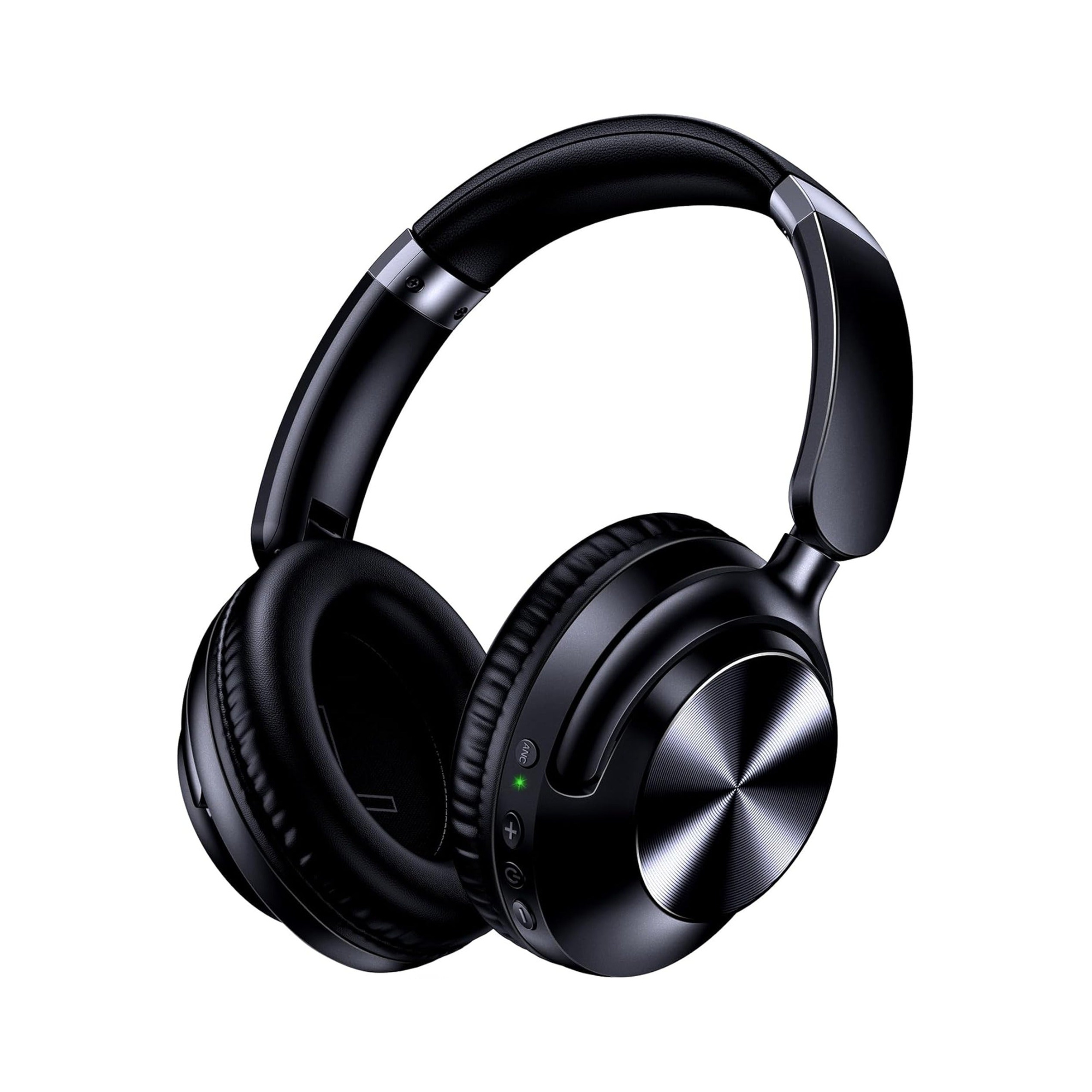
We searched our own listing copy on 2 September 2026. The term open-back appears in none of our listings; closed-back appears in two, both describing sealed in-ear gaming earbuds. We stock no open-back headphone, and publish none of the specifications (impedance, driver material, measured frequency response) an open-back buyer would compare.
The full-size models we do sell are sealed by design. The Over-Ear Wireless Headphones Series 127 ($44.75 at the price listed today) is listed with active noise cancellation, protein-leather pads and a wired 3.5 mm option: a closed cup, because none of that works on a vented one.
Our own ground is the open-ear side: the Open-Ear Clip-On Wireless Earbuds with LED Charging Case ($28.99 at the price listed today), the Butterfly Open-Ear Clip-On Wireless Earbuds and the Bone Conduction Open-Ear Sport Headphones, gathered in open-ear and clip-on earbuds. If what you wanted was to hear the road while you run, that is the right shelf. If it was a vented cup for a quiet room, a studio retailer publishes the measurements we do not.
Questions we get about open-back cups
What makes people choose open-back headphones?
Presentation and comfort: less cup resonance, a wider and more speaker-like image, no trapped heat and no sealed-cup pressure. The preference is strongest among people who listen for long stretches in one quiet place, and it tends to disappear once other people are in the room.
What are the downsides of an open-back cup?
Almost no isolation in either direction, weaker perceived bass anywhere that is not quiet, effectively no compatibility with active cancellation, an exposed driver that copes badly with dust and moisture, and no use near a live recording microphone. None of that improves with a higher price.
Should I mix on open-back or closed-back headphones?
For mixing, open-back is the conventional studio choice: leakage costs nothing without a microphone in the room, and the presentation is generally easier to judge over long sessions. For tracking, closed-back is required, since whatever leaks is picked up by the recording microphone. Many engineers keep one of each.
Do open-back headphones sound better?
Not inherently. Open-back is a design approach rather than a quality tier, and price and tuning affect what you hear far more than the vent does. The reliable difference is spatial presentation, and it only holds in a quiet room.
- Wikipedia: Headphones, sections on open-back, closed-back and passive isolation.
- Wikipedia: Active noise control.