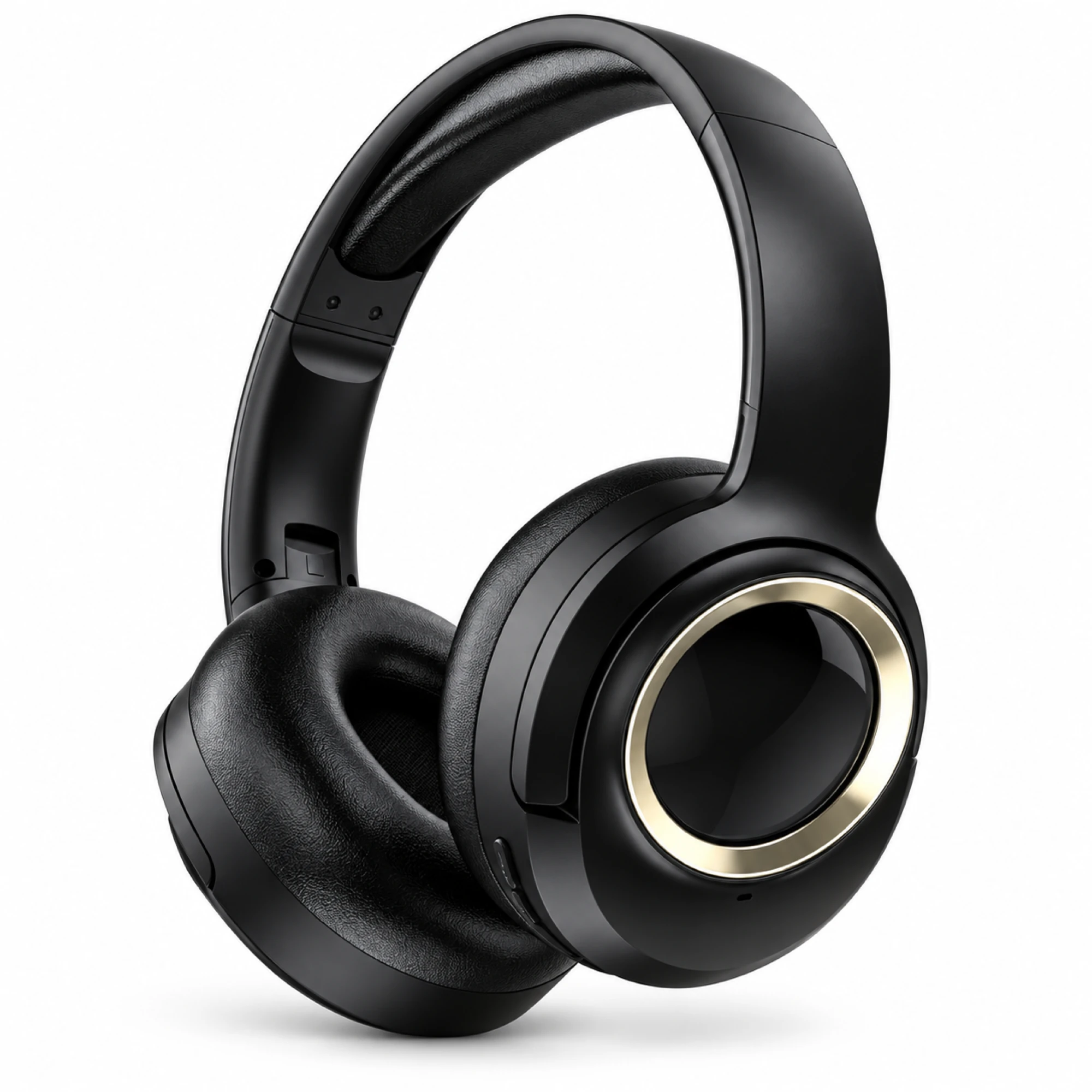
 MX-21 Black and Gold Wireless Headphones
 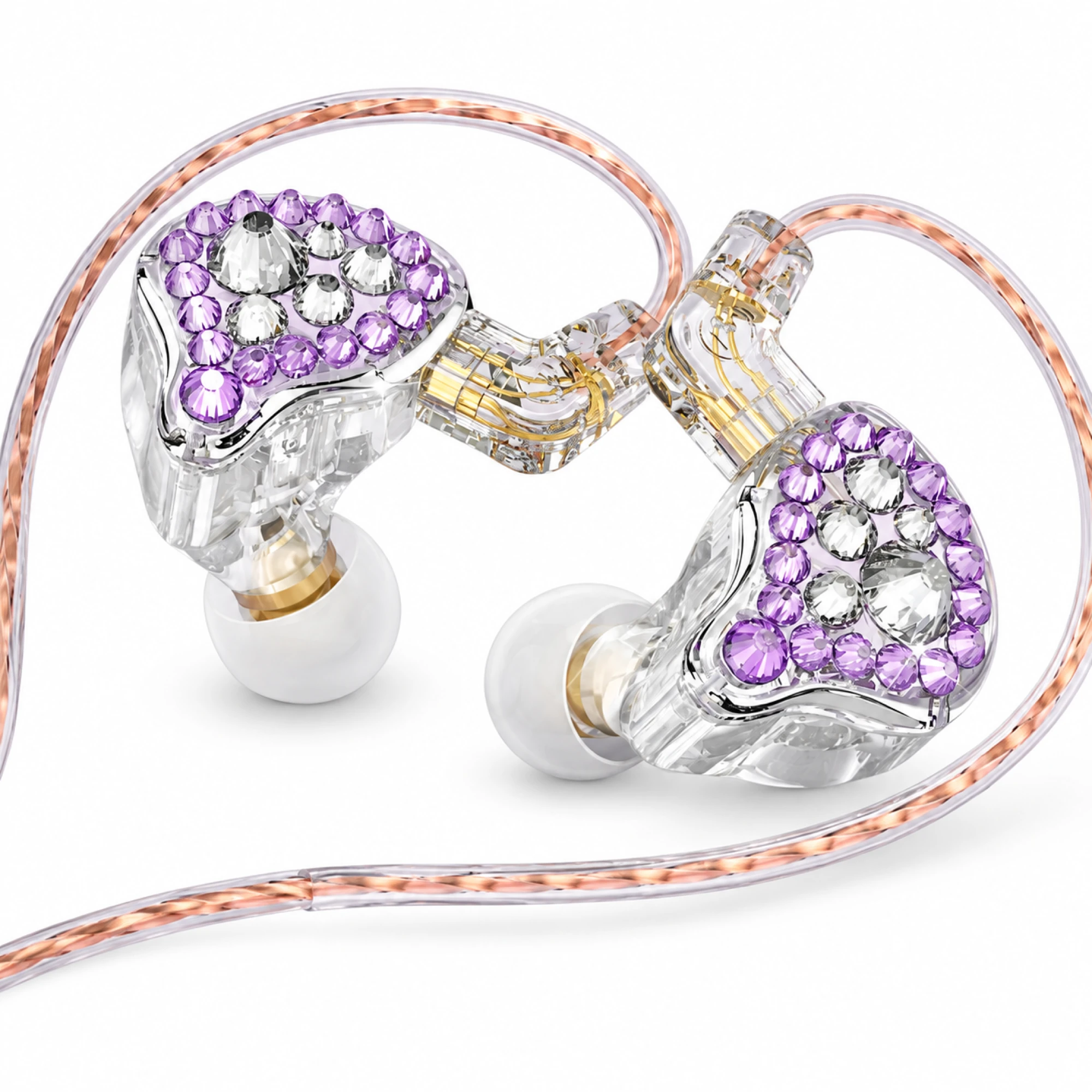 Q2 Pro Purple Crystal In-Ear Monitors
 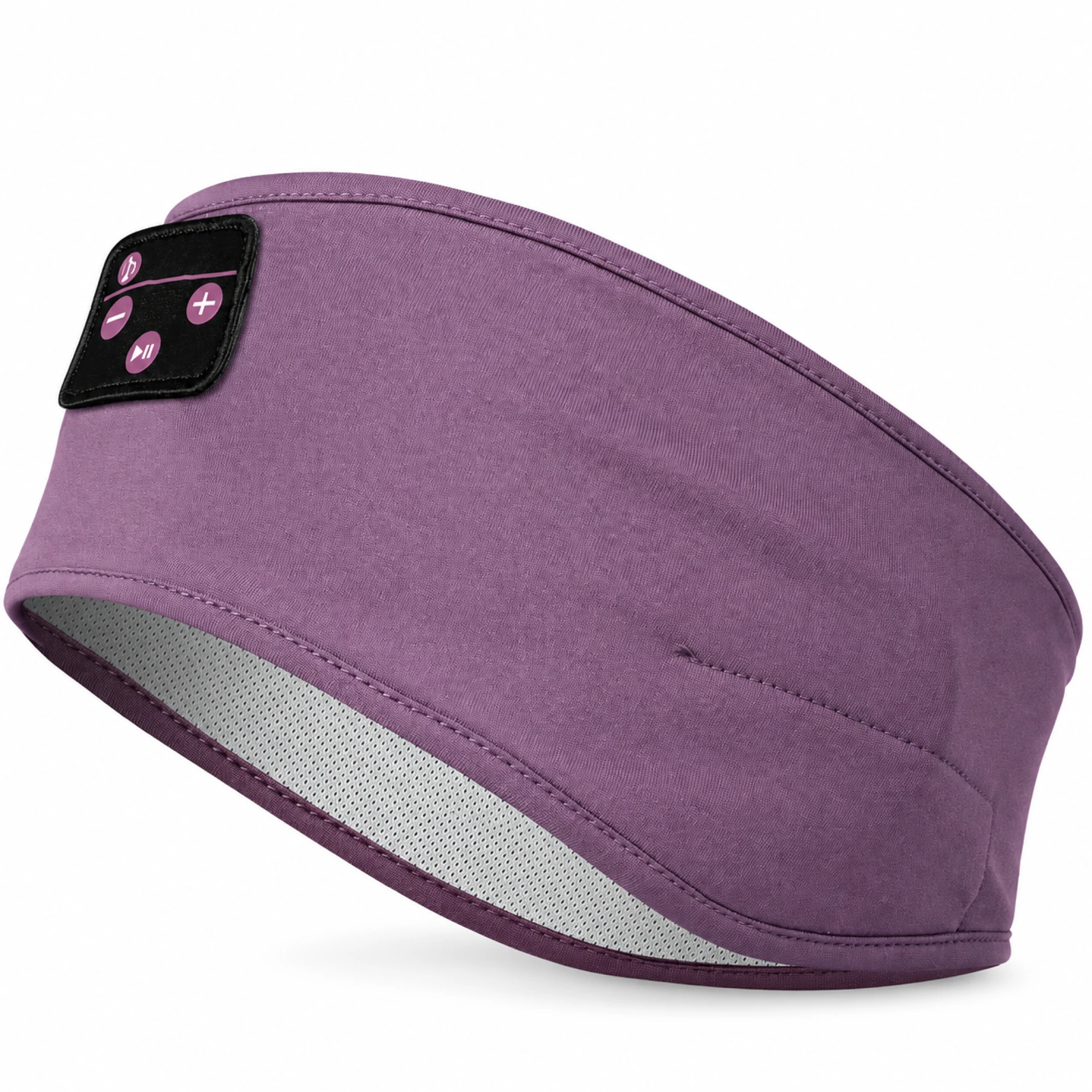 Purple Sleep Headband Headphones with Triangle Controls
 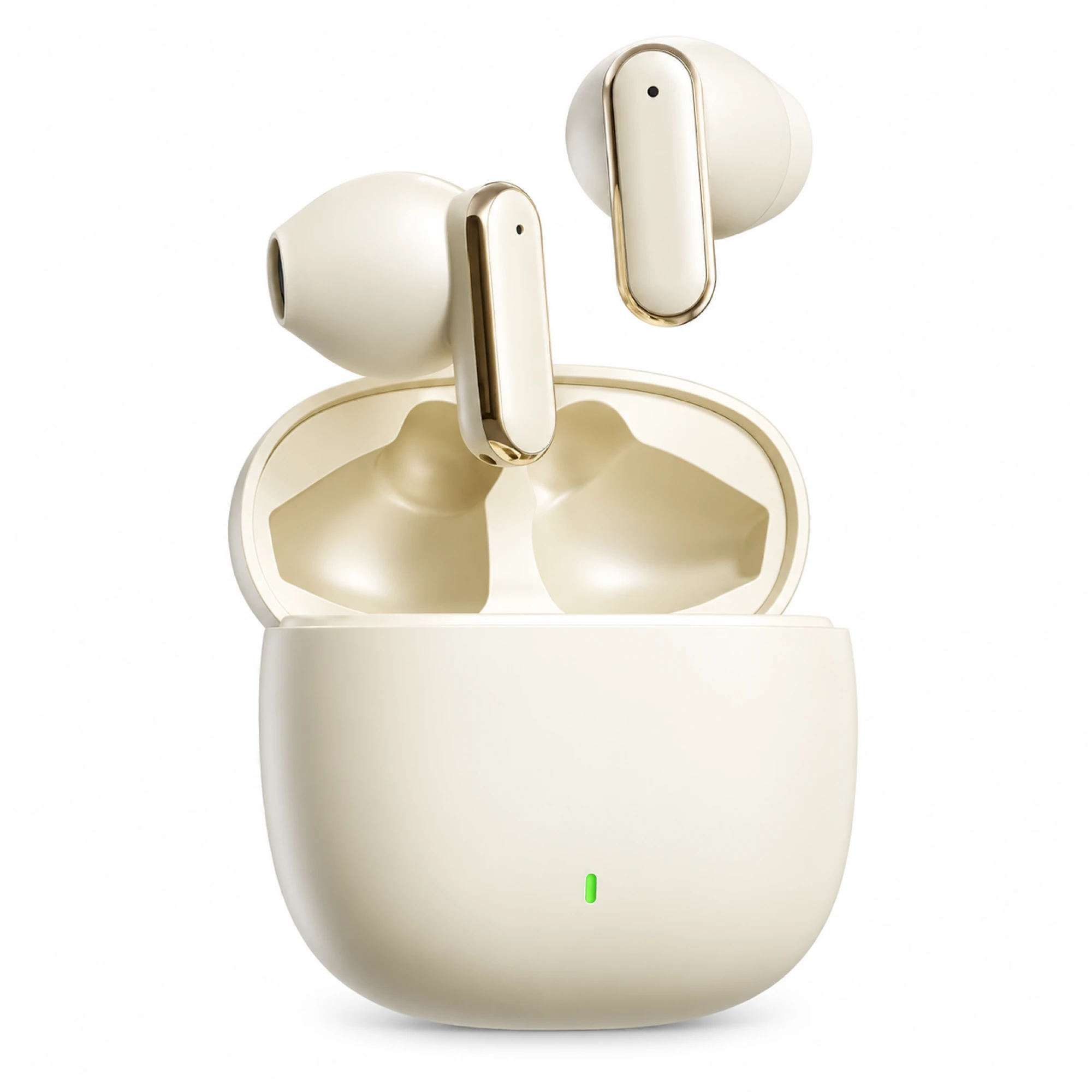 Cream Reflective-Stem Wireless Earbuds
 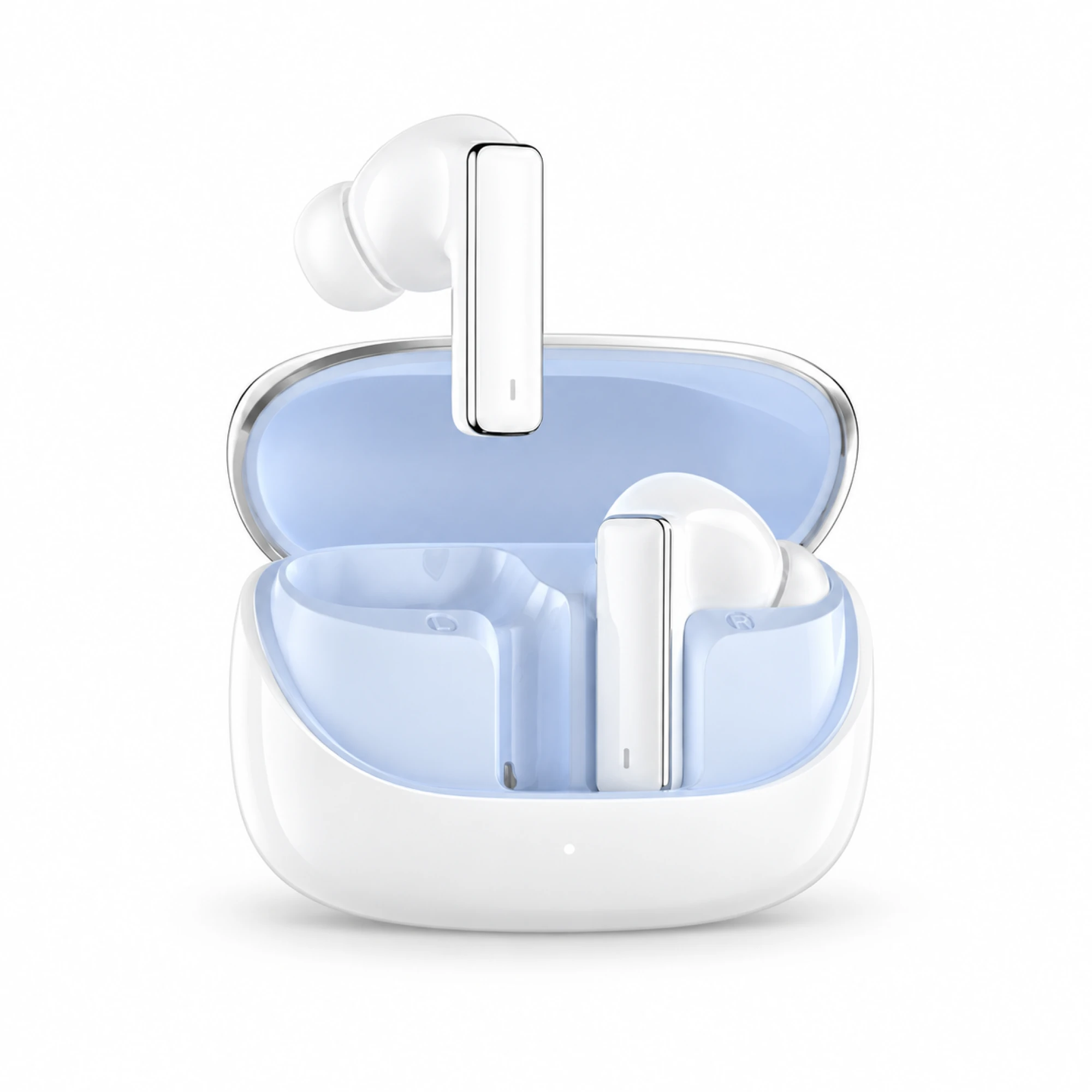 IN-01 White ANC Earbuds with Pale Blue Case Interior
 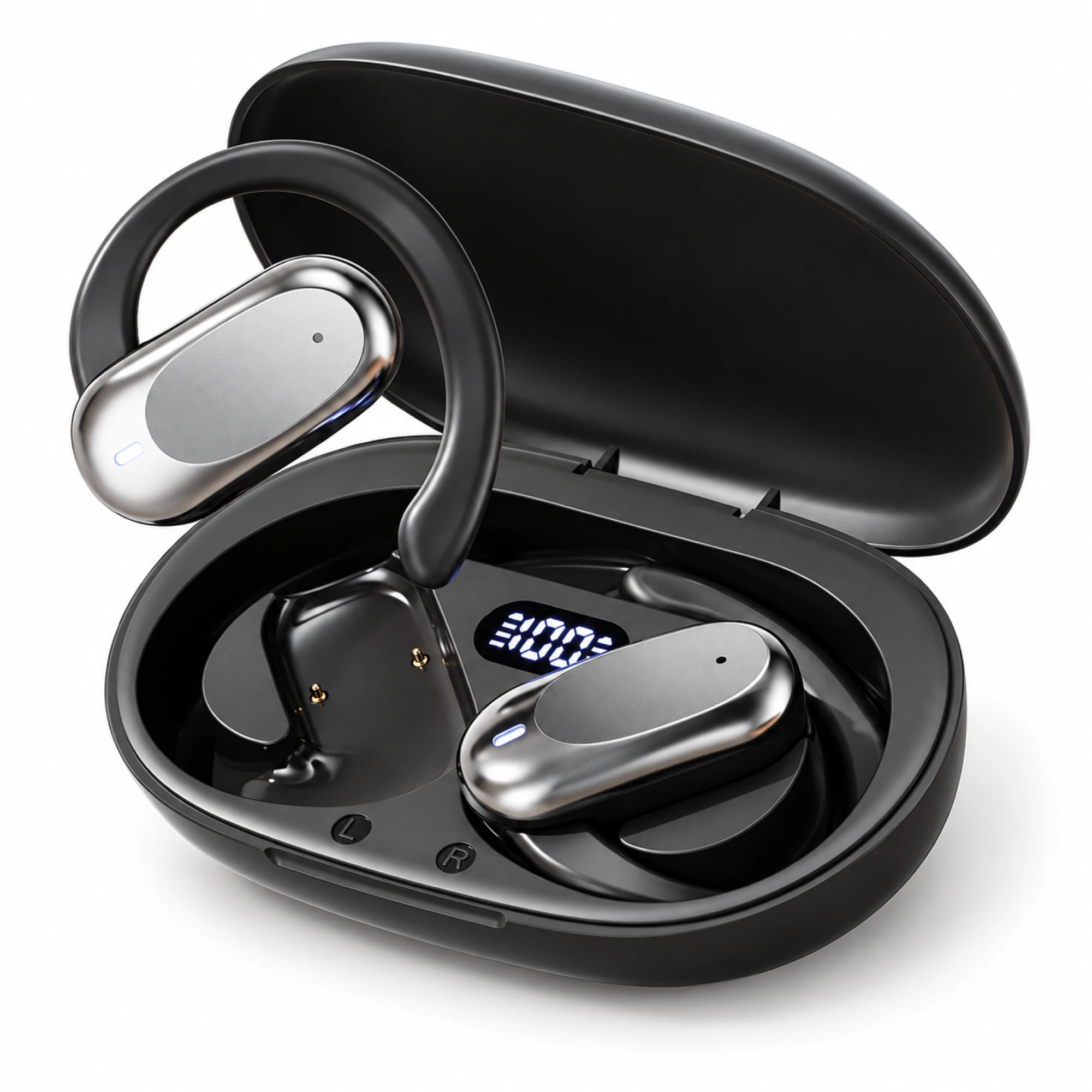 Silver Capsule Open-Ear Earbuds
 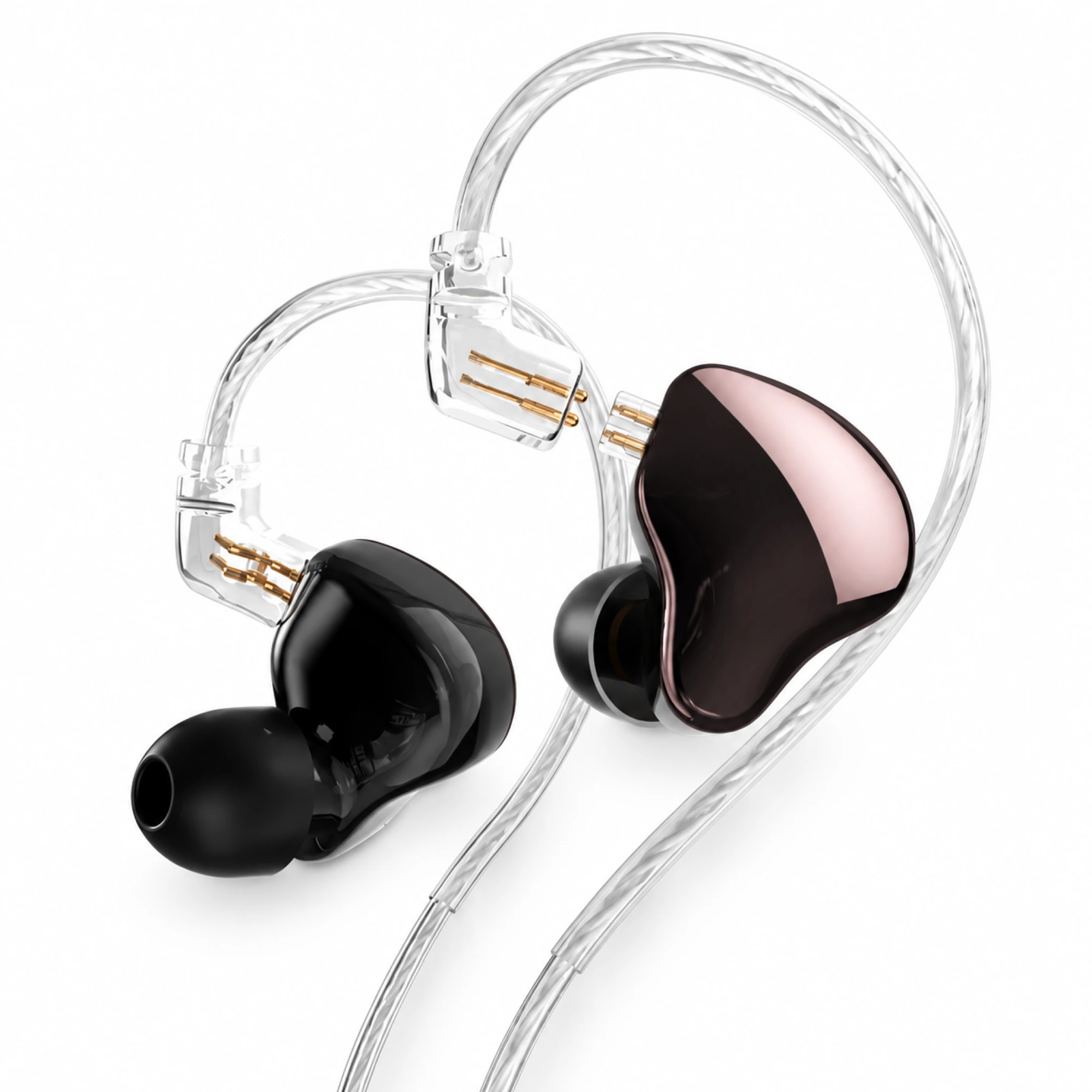 MN Rose-Metallic Detachable In-Ear Monitors
 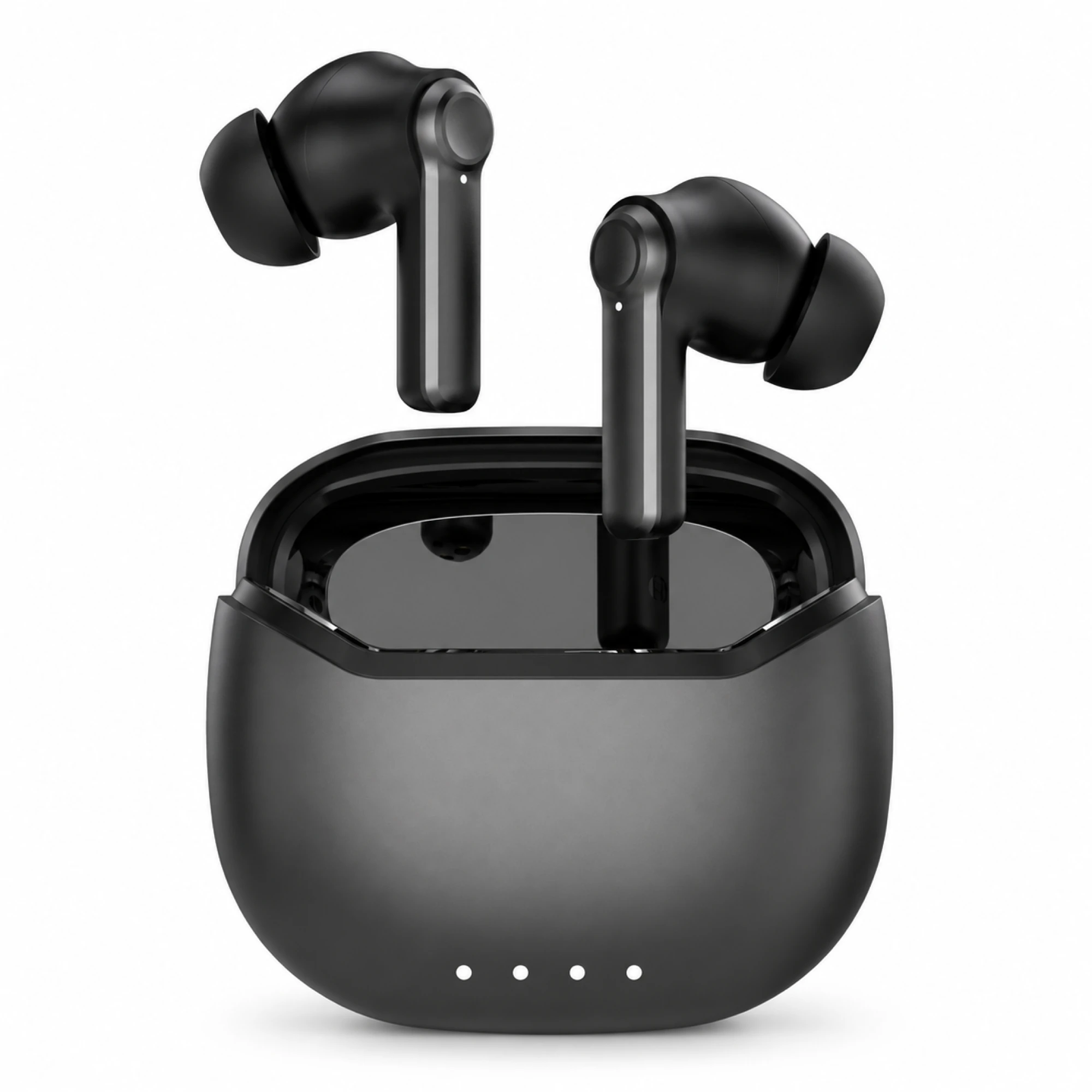 Black ANC Earbuds with Four-Indicator Case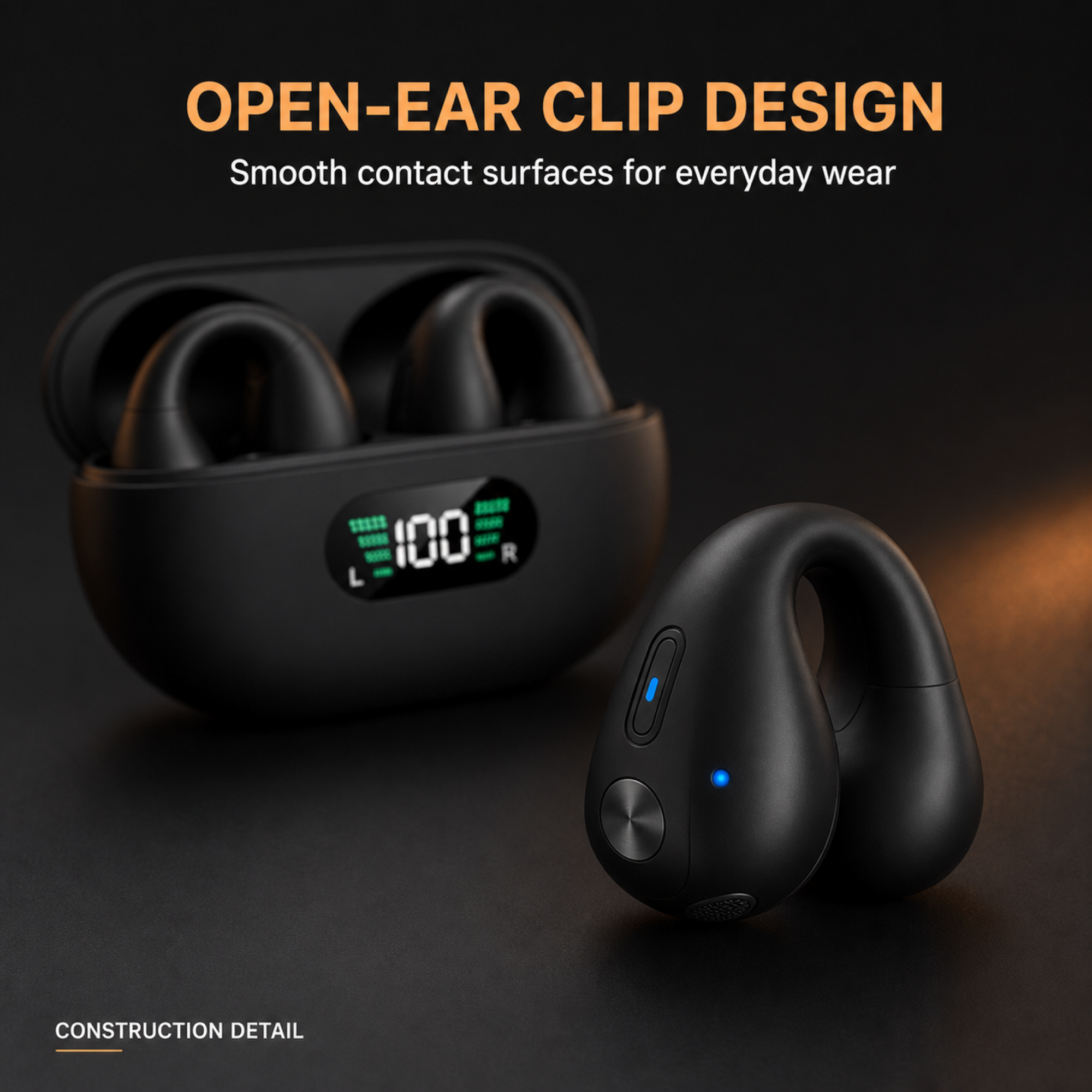
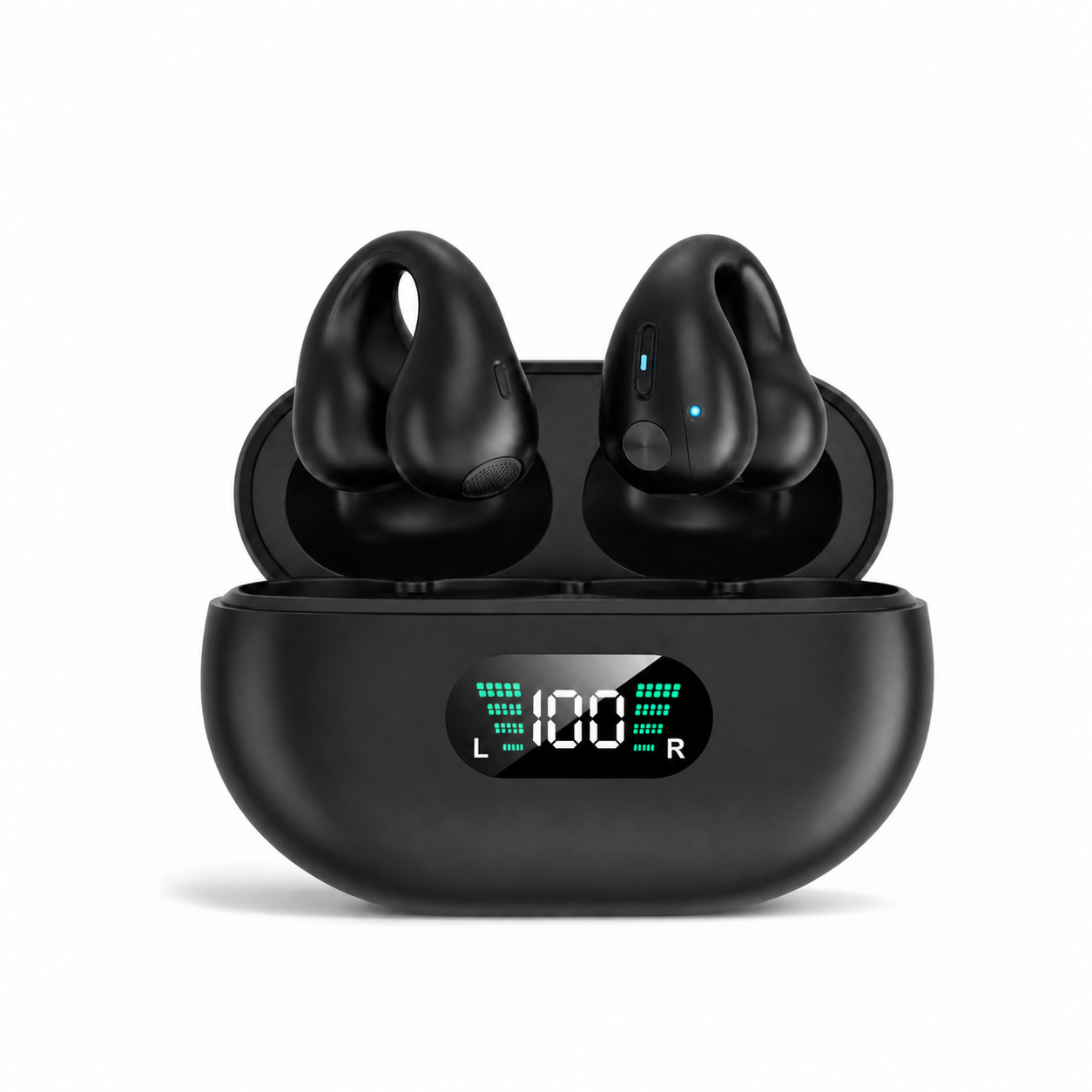
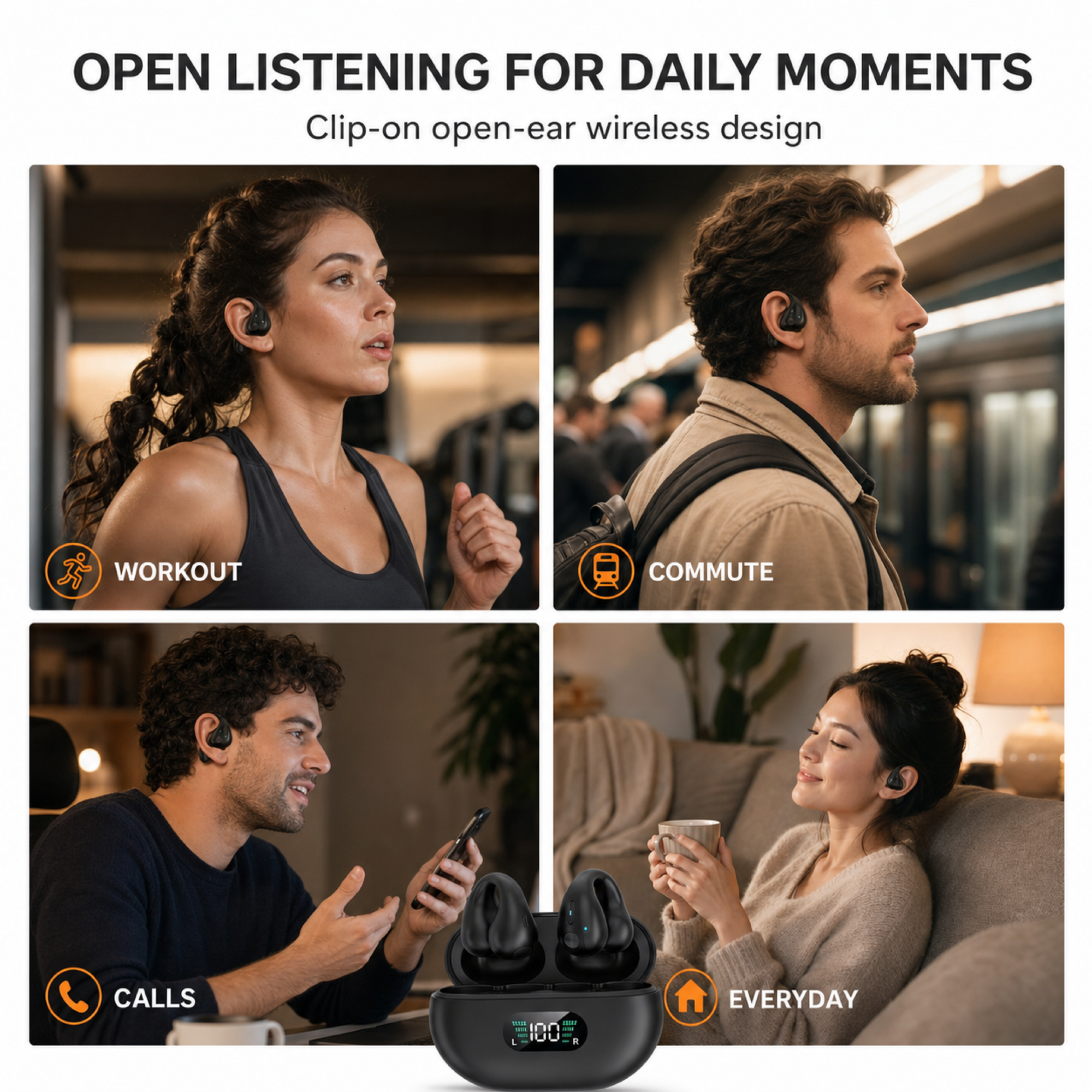
Three retention designs share one label, so how to wear open ear earbuds depends on which arrived in the box. On a clip-on, the speaker pod goes forward into the bowl of your ear, the battery capsule sits behind the ear, and the bridge straddles the rim between them. It should feel supported instead of gripped.
Placement only, here. Leakage is covered separately in do open-ear earbuds leak sound.
"Open-ear" names a sound path, not a way of staying on
The term only says the canal is left uncovered. How the product stays on is a separate decision, and our own catalogue answers it three ways.
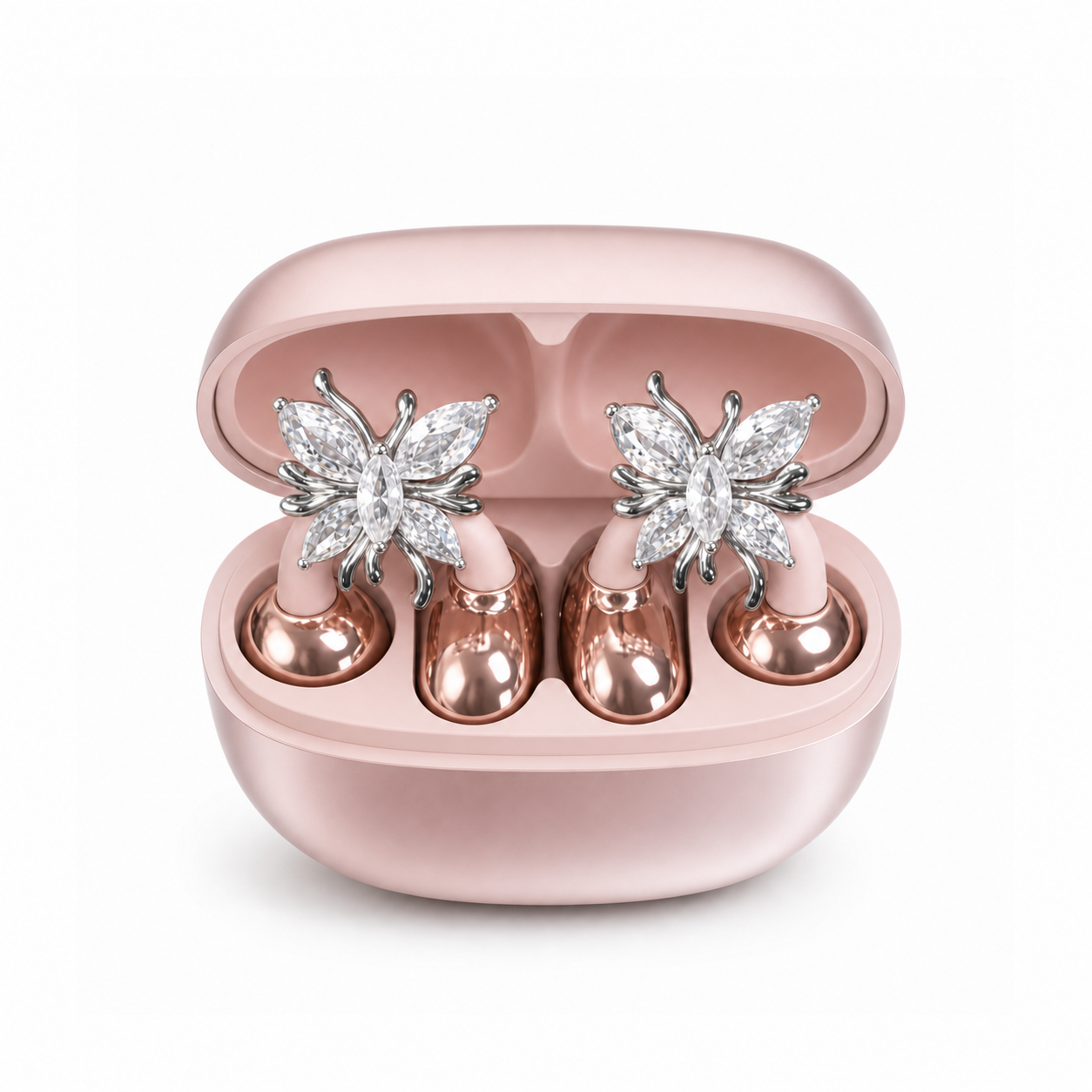
- Clip-on. A C-shaped bridge pinches a fold of the outer ear, speaker pod on the front face, counterweight capsule behind: the Open-Ear Clip-On with LED Case at $28.99 and the Butterfly Clip-On at $36.99, both as the listing stands.
- Open-fit stem. No clip at all. Our Three-Color Open-Fit set is listed as resting "at the ear entrance" with no silicone tips, held by shell shape alone.
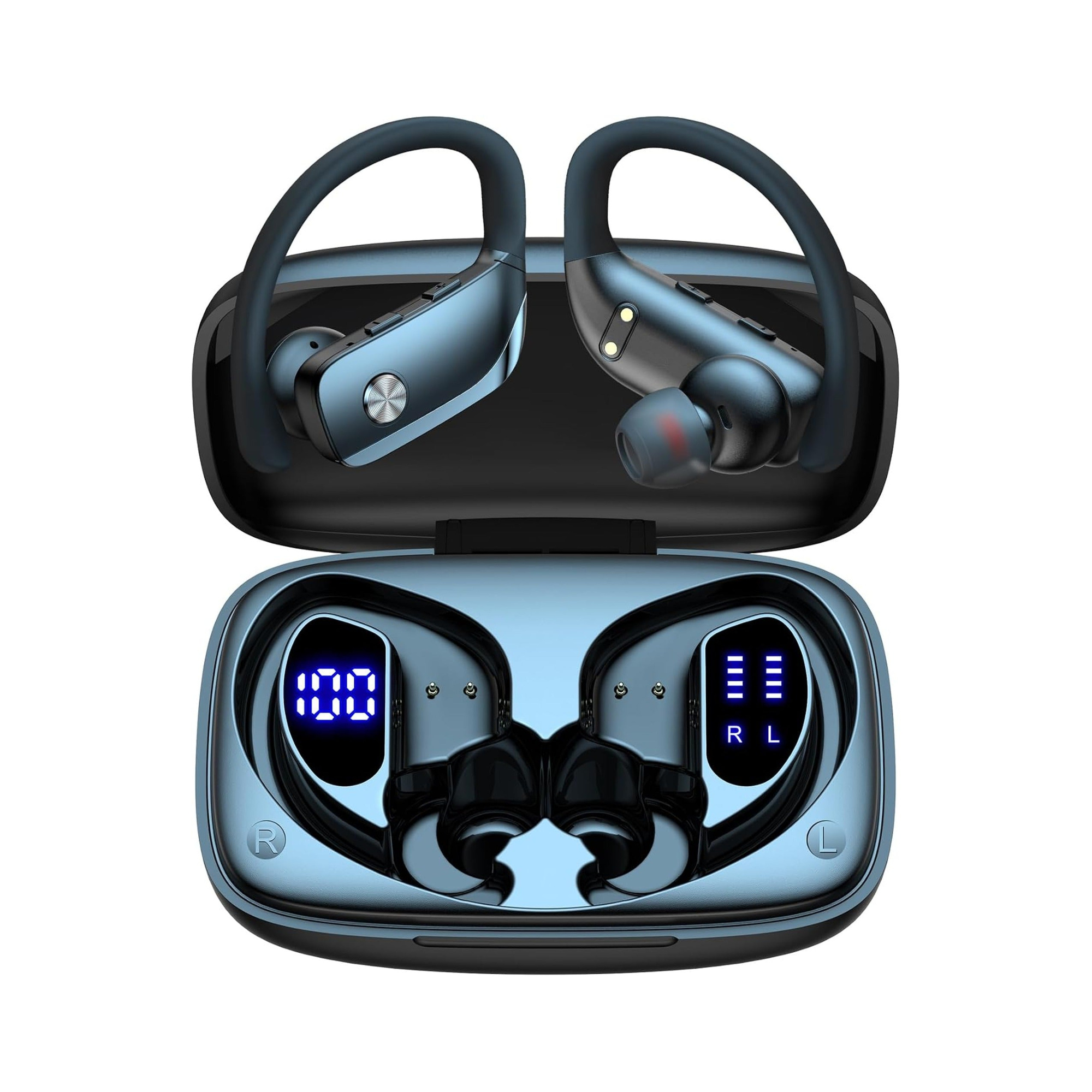
- Ear hook. A loop over the top of the ear. The Sport Ear-Hook at $28.99 as the listing stands lists "adjustable ear hooks", the only fit variable here you can change.
Knowing how to wear earbuds that plug in does not transfer to the first of those, which is why the clip is the design people put on backwards.
What the clip is holding
StatPearls describes the auricle as "a fibrocartilaginous structure covered by thin, adherent skin and organized into complex topographic folds, including the helix, antihelix, concha, tragus, and lobule". Thin skin over cartilage has almost no padding, which is why a clip two millimetres off the right fold becomes an ache in twenty minutes.
That also gives you the orientation rule. The heavy capsule is the battery, so it belongs behind the ear, counterweighting the pod. The pod belongs on the front face, in the bowl, aimed at the canal opening, because the pinna "functions as a funnel, directing sound into the external acoustic meatus". A pod in the bowl uses that funnel; a pod rotated outward broadcasts past it, costing level and what little bass an unsealed design has.
How do you wear earphones that clip rather than plug in?
Run this with speech playing. A voice makes small position changes far easier to hear than music does.
- Sort left from right first. A C-bridge is handed. If the pod will not sit flat in the bowl, check the marking before fighting the geometry.
- Roll it on from the rim; do not prise it open. Slide the gap over the outer edge of your ear at mid-height and let the bridge walk inward. Springing the arms apart is how a bridge loses tension over months.
- Seat the pod in the bowl. Push it gently forward and down until it rests against the ridge crossing the concha, and not out on the flat rim. Most people skip this step.
- Rotate a few millimetres and listen. There is usually a narrow angle where a voice stops sounding like it is beside your head and steps into your ear.
- Run the cover test. Cup a hand over one ear for two seconds. If that side jumps in volume, the pod was aimed off-axis. Repeat on the other, since one bud out of position reads as channel imbalance.
- Re-check at ten minutes. Skin warms, cartilage relaxes and the clip settles. The fit that counts is the one after moving around.
Why it feels loose and stays on anyway
An in-ear bud holds by wedging into a canal: friction and a seal. A clip holds by spring pressure spread across a broad fold of cartilage. Low pressure over a wide area is what a secure clip is supposed to feel like, so "it feels like it will fall off" is not a fault report. It is what correct feels like here.
There is also nothing airtight to break. Shift a clip a millimetre and you lose a little aim; shift a sealed tip a millimetre and you lose the bottom half of the music. A 2025 design study of open wearable stereo earphones, working from a 3D ear database of 110 Chinese adults, names the two real failure modes for this format: "pressure concentration and dynamic slippage caused by insufficient ear fit in the open structure". One is a clip loading a single cartilage edge; the other is a clip that holds at a desk and creeps on a run. Both show up first as a fit you keep touching.
A fixed gap against an ear that varies
A C-bridge has a fixed opening. Your ear does not have a fixed thickness, and the spread between people is larger than the spread a single moulded part can cover. Hearing-device researcher Wayne Staab makes the point from the anatomy side, citing concha depth ranging from 9 mm to 16.8 mm and flagging "products that are intended to fit multiple-sized conchae with relatively generic sizes(s)". You cannot change the gap, so position is your only variable.
| What you notice | Most likely cause | What to change |
|---|---|---|
| Slides down, feels weightless | Clip gap wider than your ear there | Move up toward thicker cartilage where the rim rolls over |
| Sharp pressure point, sore within an hour | Load on one cartilage edge | Move down and outward onto the broader, softer rim |
| Thin and distant; you keep raising the volume | Pod on the rim instead of in the bowl | Reseat forward and down, then cover-test |
| One side quieter | That pod rotated off-axis | Cover-test each ear, adjust that side alone |
| Stable at a desk, creeps on a run | Slippage under load, not static fit | An adjustable hook suits movement better |
If repositioning never produces a fit that is both stable and painless, the answer is a different retention design instead of better technique.
Glasses, hair and everything else competing for the ear
A clip's advantage over a hook is that it does not want the groove above your ear, where a glasses temple lives. Our Butterfly listing says as much: the clip "wraps around the edge of the ear rather than hooking over the top, so it occupies different real estate than most glasses arms." Mask loops, hoop earrings and long hair still cross the same rim, and the zone-by-zone order for that is in clip-ons with glasses and face masks.
Neither clip-on listing states a gap or a weight
Both our clip-on pages describe position instead of dimensions: one says the clip "rests on the outer edge of the ear" and advises repositioning "slightly lower or higher", the other describes a "C-bridge that clips around the outer ear". Neither states a clip gap, bridge radius, weight or ear-size range, and no consumer listing we know of does, so the trial in your own ear is the measurement. On water resistance, the LED clip-on is explicitly "not water-resistant" and the Butterfly claims nothing, so assume none.
Questions about getting a clip-on to sit right
What is the correct way to wear a clip-on earbud?
Rolled onto the rim from the outside, pod forward in the bowl of the ear, capsule behind. A sealed in-ear bud is inserted and rotated until the tip seals the canal, and applying that method to a clip is the usual reason one feels wrong. Nothing here needs to be pushed inward.
How do I stop a clip-on working loose?
Reposition instead of tightening, because there is nothing to tighten: up toward thicker cartilage if it slides, down toward the softer rim if it pinches. Creeping only during exercise is a load problem a hook handles better. Sealed tips are a different diagnosis, covered in why earbuds keep falling out.
What are the downsides of open-ear headphones?
Little passive isolation, lighter bass without a seal, more audible leakage in a quiet room, and outer-ear pressure in place of canal pressure rather than none at all, with no tip size to swap when it goes wrong. The full list is in open-ear versus in-ear earbuds.
- Zhang B, Liu K, Zeng K, Yan Y, Wang H. "Designing for Comfort: OWS Earphone Design Based on External Ear Anthropometry and Comfort Analysis", AHFE International, 2025
- Sutton and Geiger, "Anatomy, Head and Neck: External Ear", StatPearls
- Staab, "Human Ear Concha Dimensions, Part 4", Hearing Health & Technology Matters
- World Health Organization: Safe listening
If a product causes pain, irritation, ringing or a noticeable hearing change, stop using it and seek qualified care. The WHO's limits on level and duration apply to an open fit exactly as they do to a sealed one.