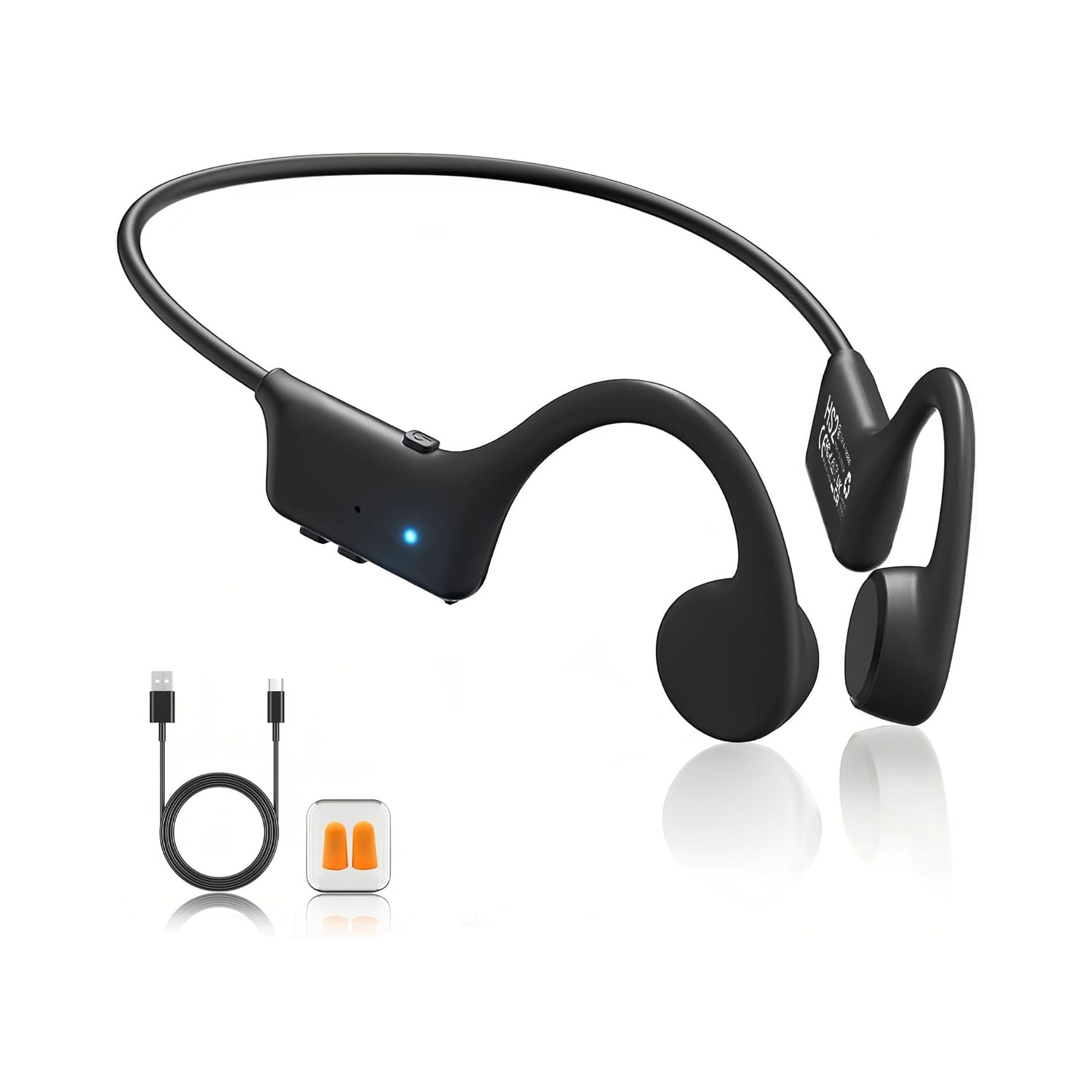
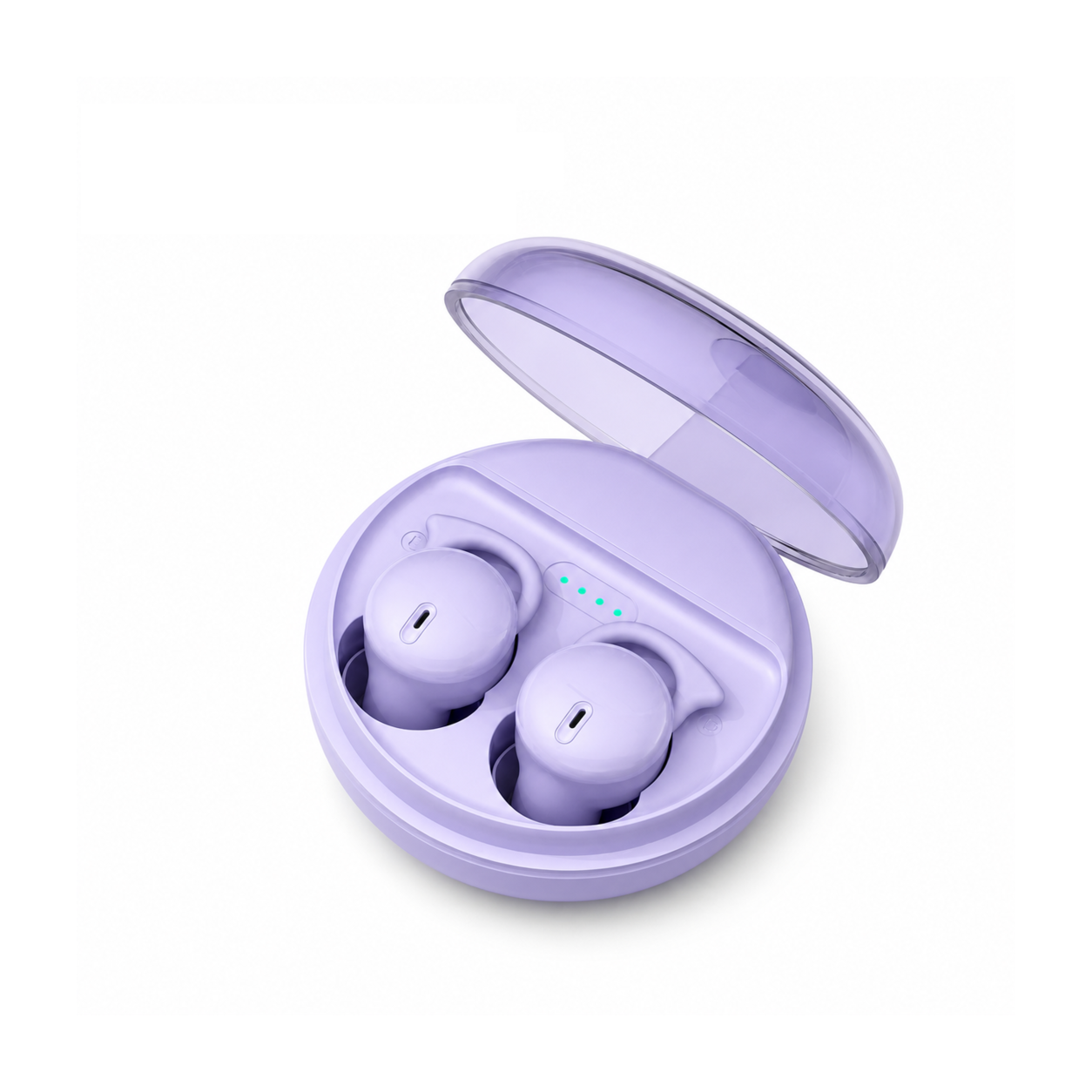
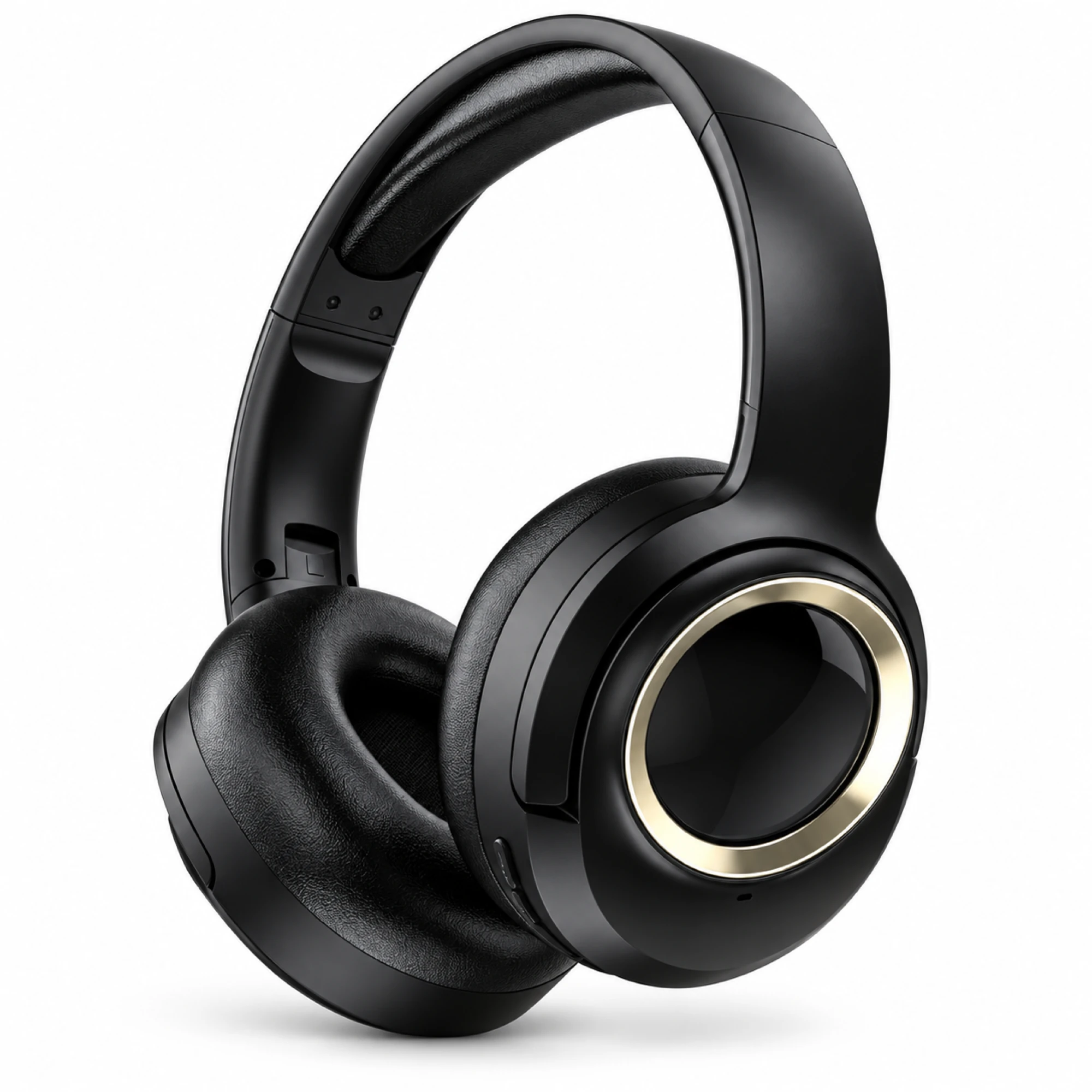
 MX-21 Black and Gold Wireless Headphones
 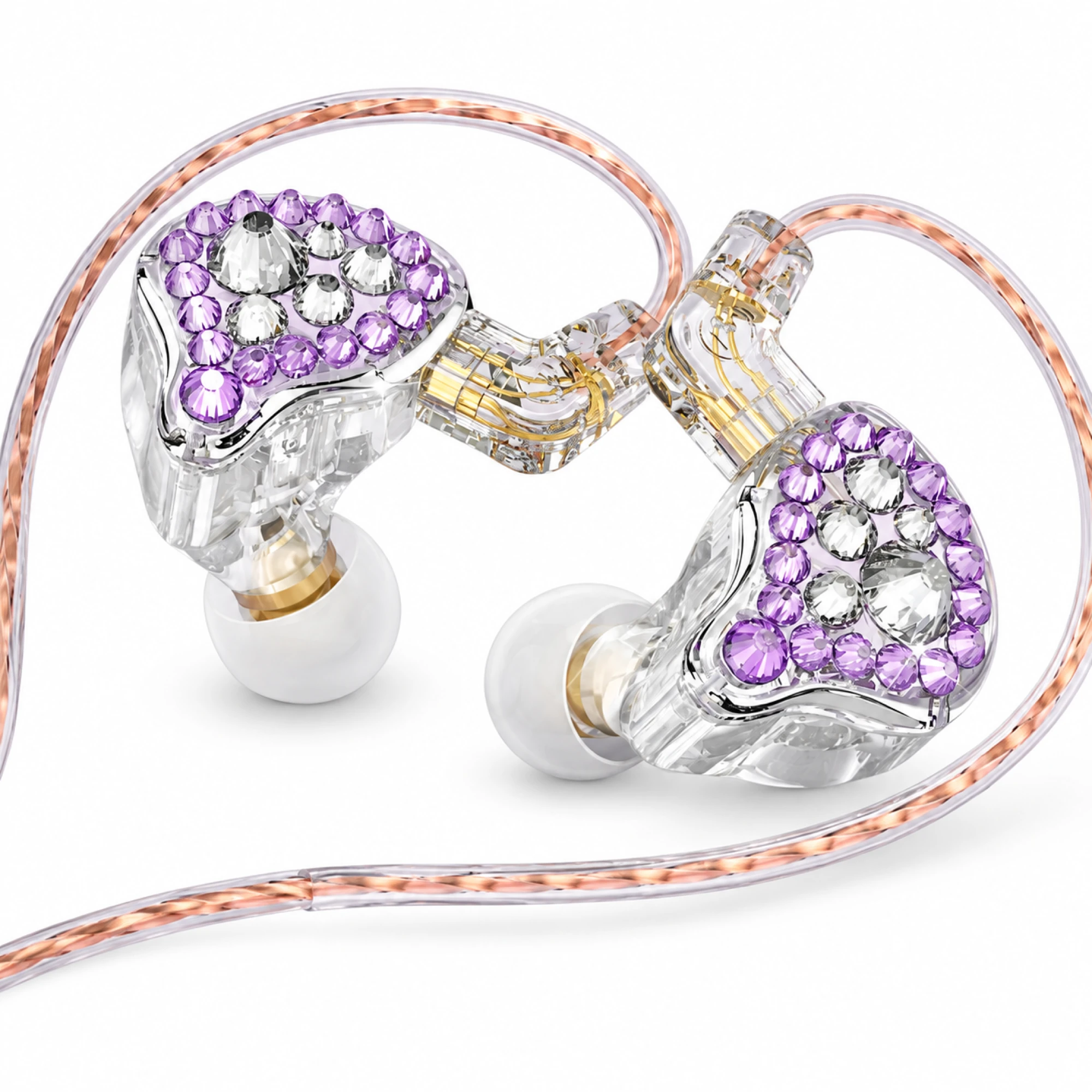 Q2 Pro Purple Crystal In-Ear Monitors
 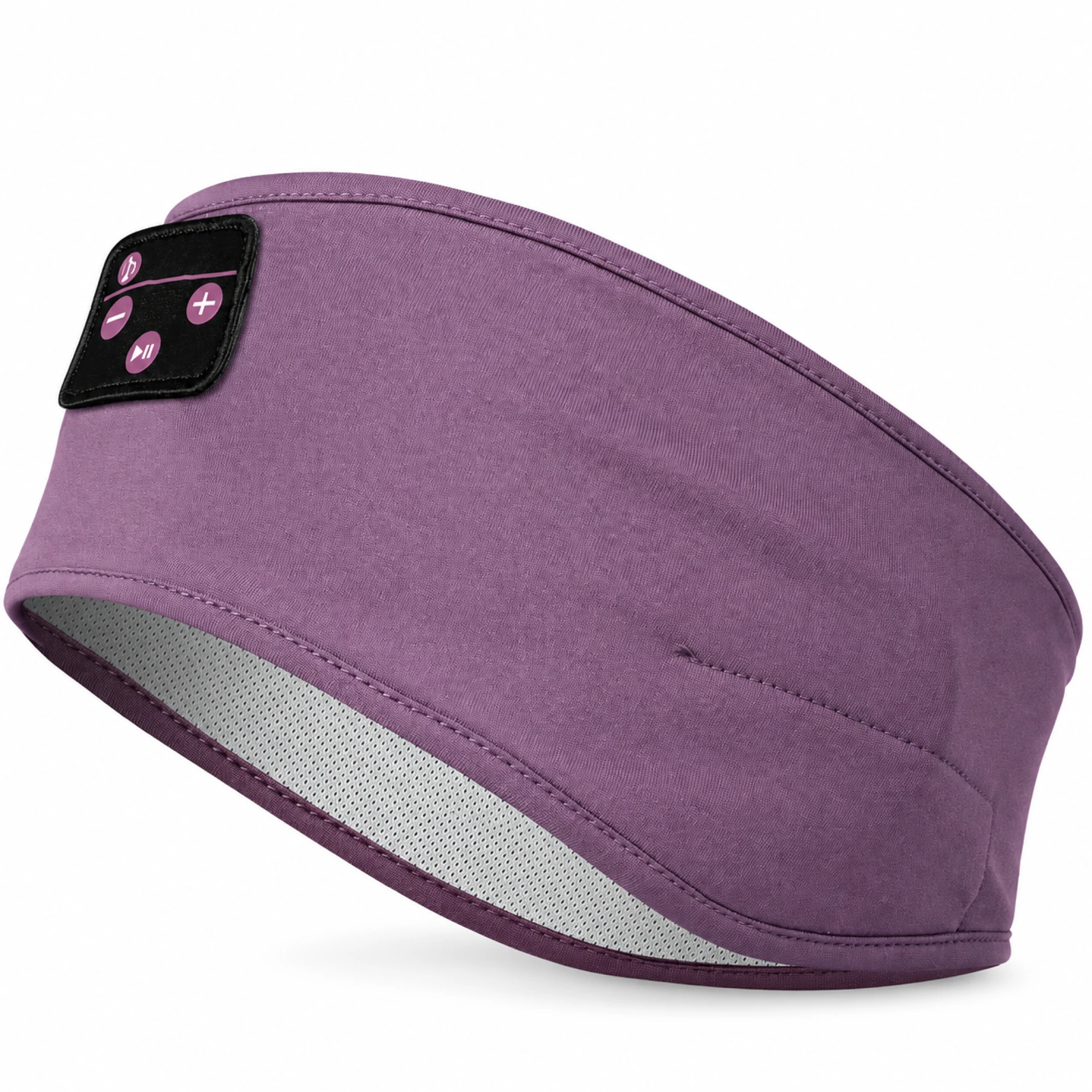 Purple Sleep Headband Headphones with Triangle Controls
 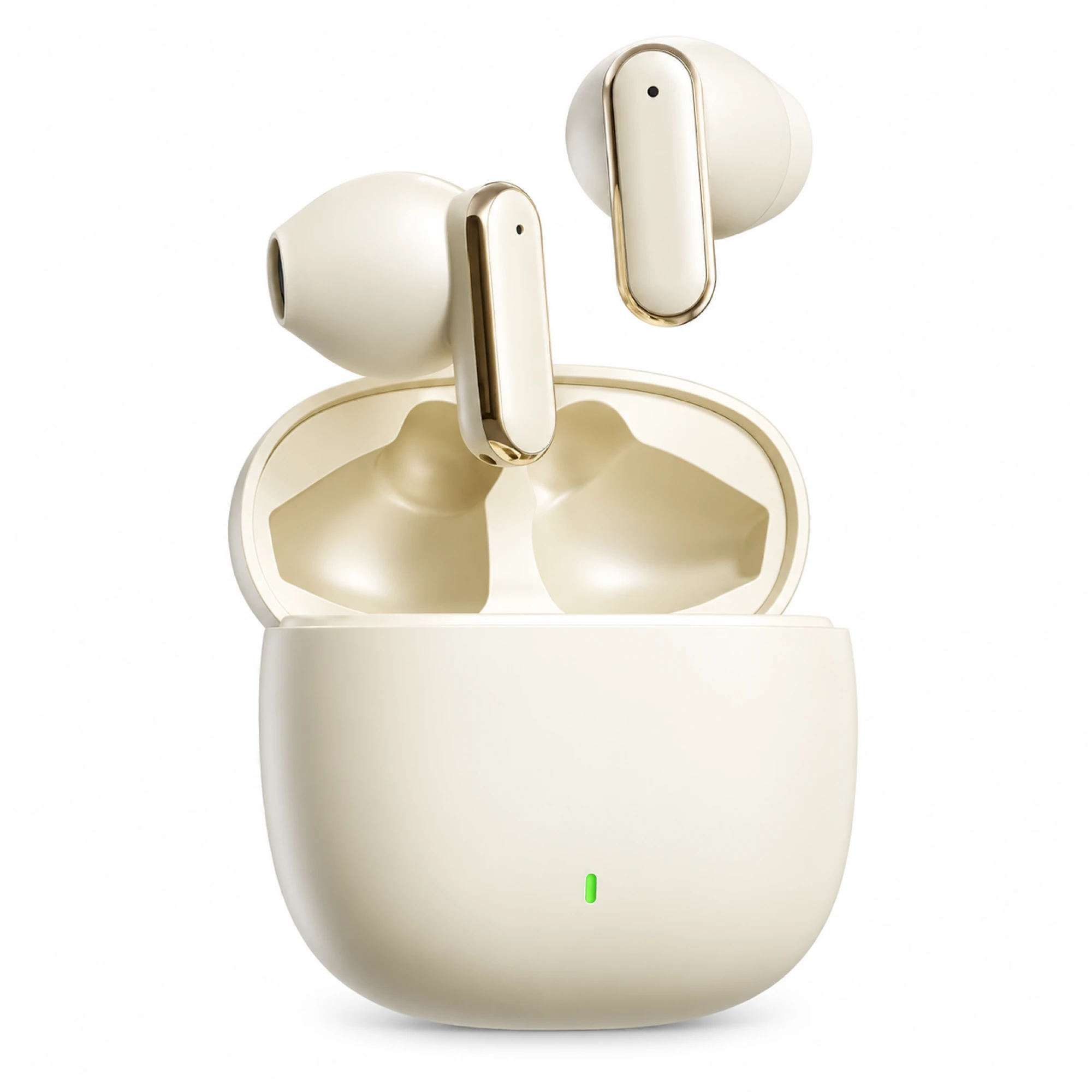 Cream Reflective-Stem Wireless Earbuds
  IN-01 White ANC Earbuds with Pale Blue Case Interior
 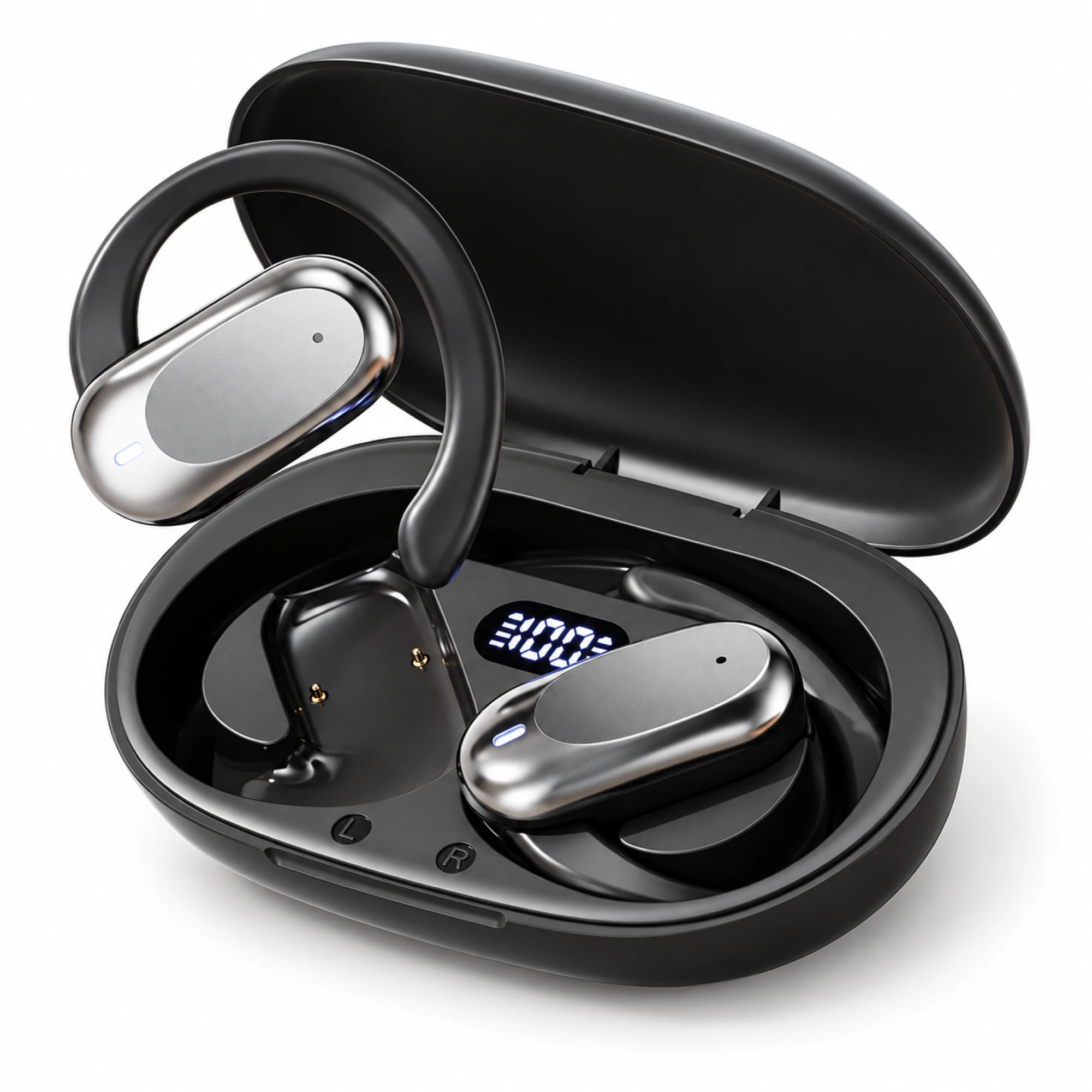 Silver Capsule Open-Ear Earbuds
 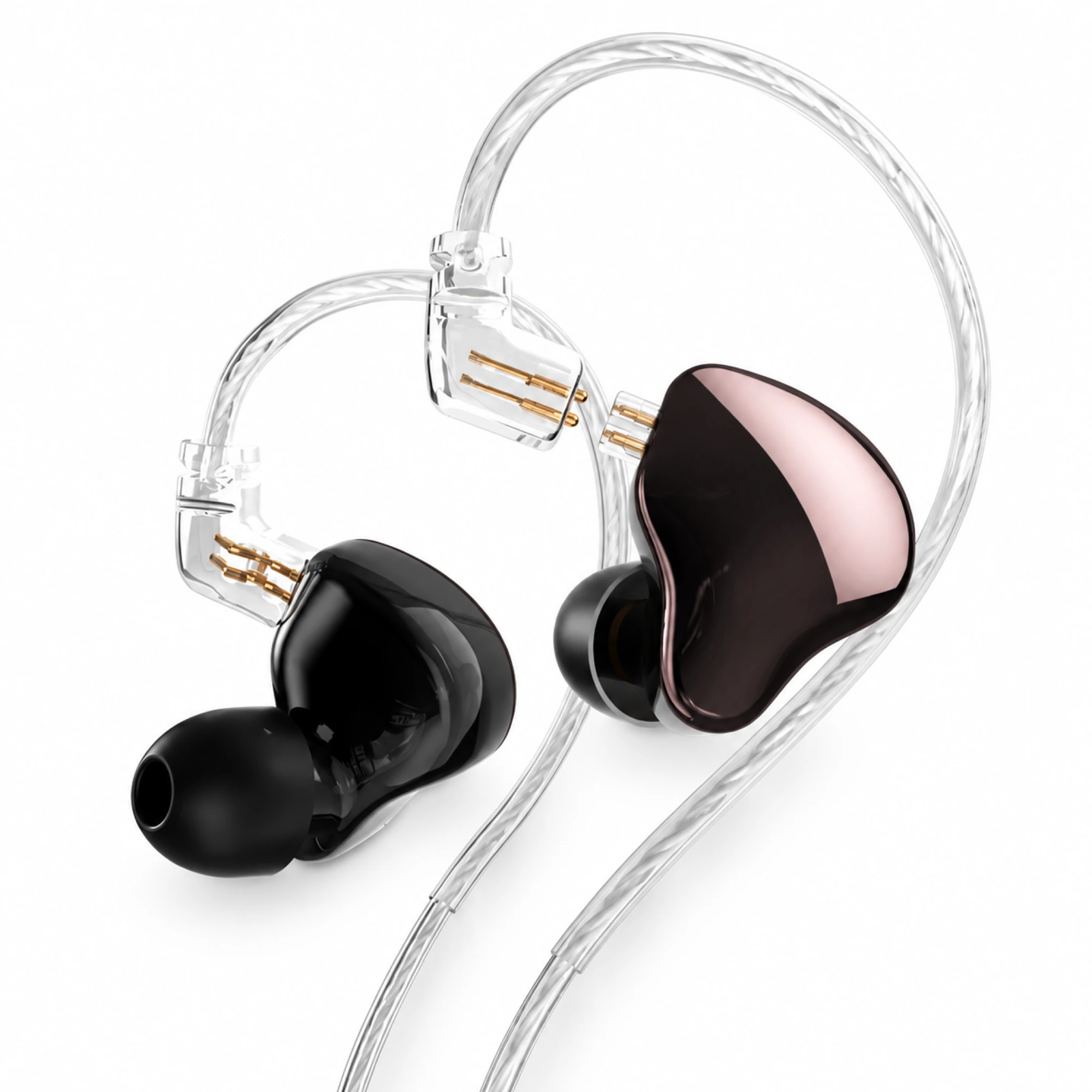 MN Rose-Metallic Detachable In-Ear Monitors
 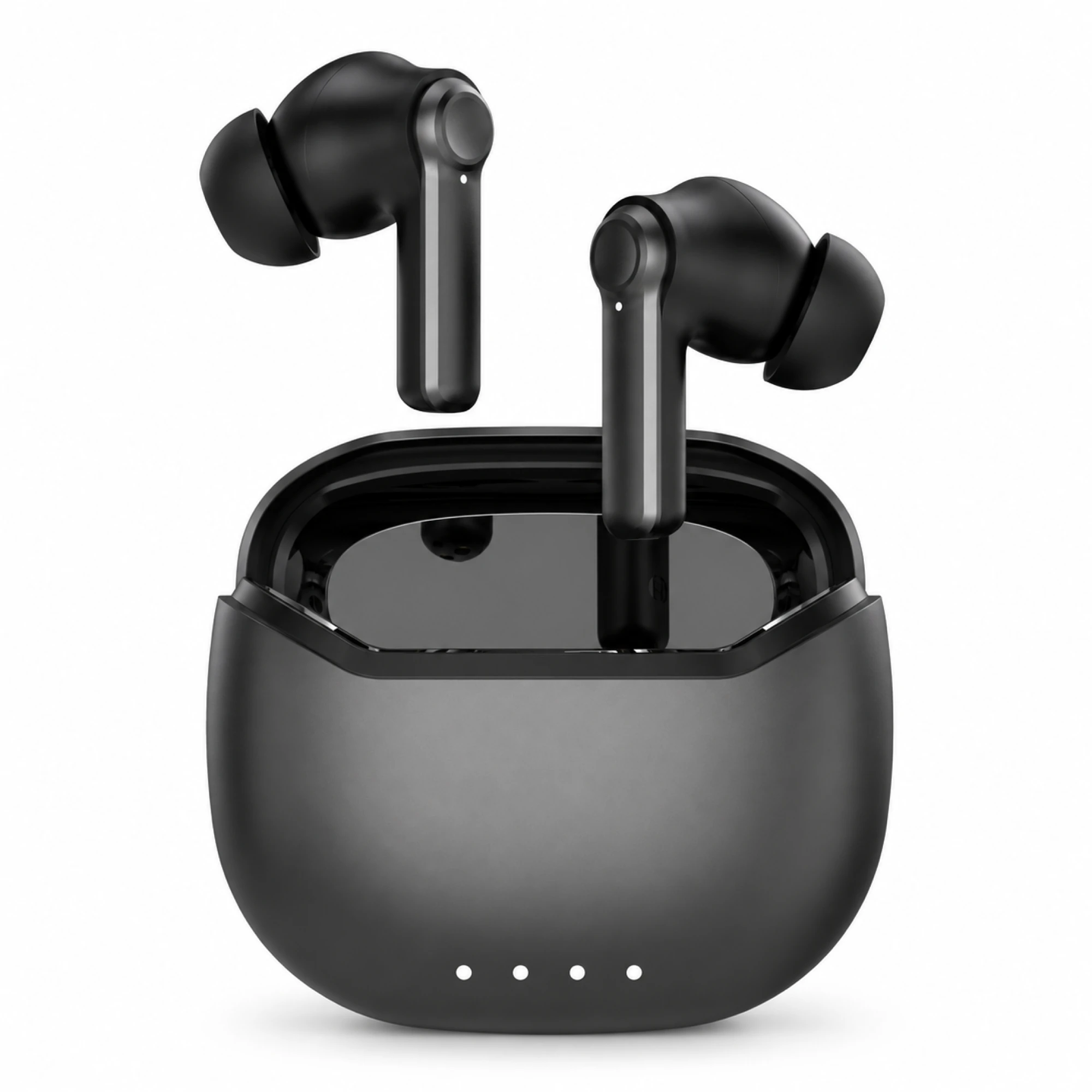 Black ANC Earbuds with Four-Indicator Case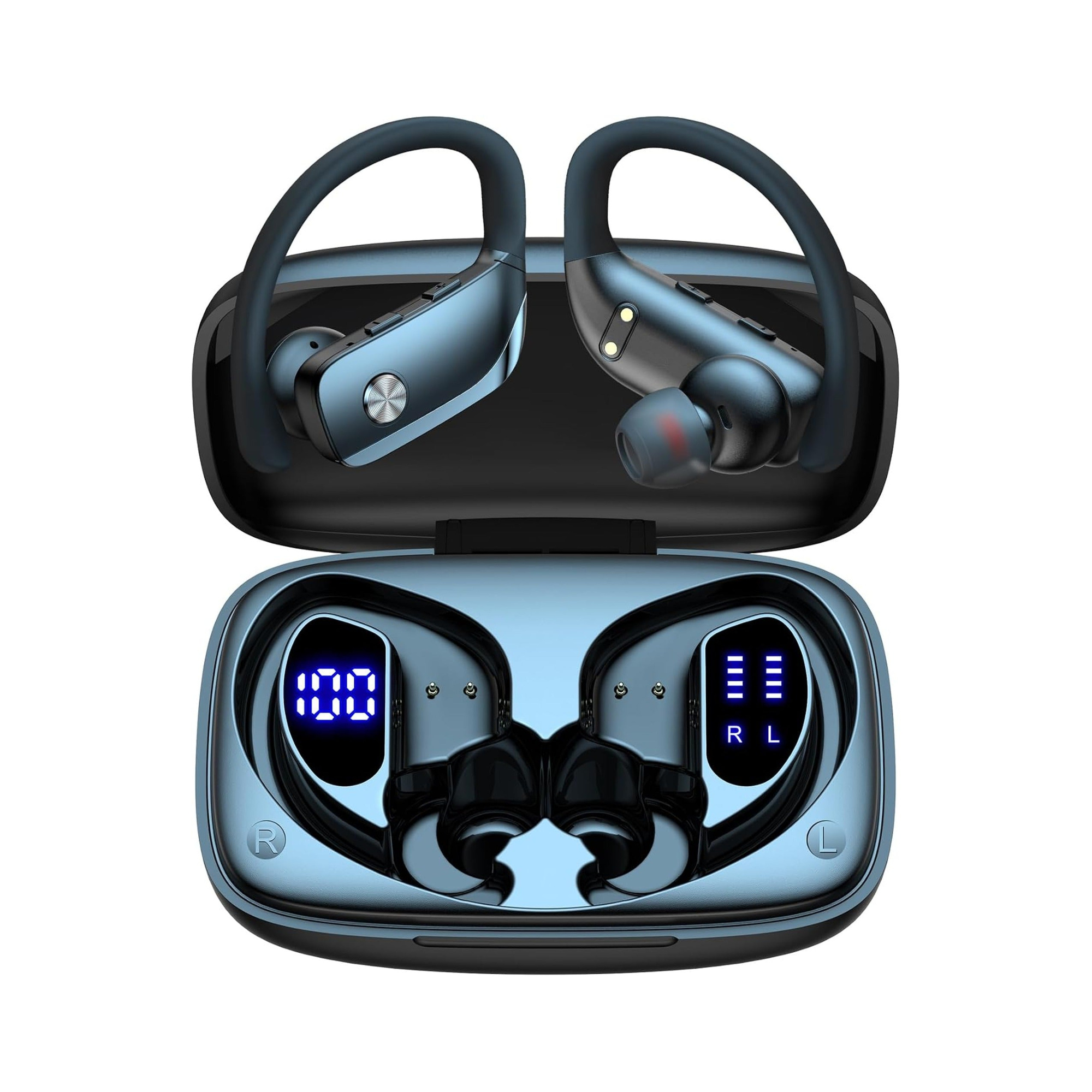
The best earbuds for running are the ones that survive your longest run of the week, not your average one. A 40-minute neighborhood loop asks almost nothing of a pair. A three-hour long run in September asks for hours of playback on a single charge, a water rating that treats sweat as a daily event, and enough hearing left over to catch a car turning across your line.
Three shapes of run, three different demands
Most training weeks contain three shapes of run, and each leans on a different part of the spec sheet. Sort your own week first, then read any listing against the hardest of the three.
| Your longest run | Time on the ear | What it stresses |
|---|---|---|
| 30–45 minutes, neighborhood loop | Under an hour | Comfort and a secure anchor; battery is a non-issue |
| 60–90 minutes, steady or tempo | One to one and a half hours | Sweat building up; controls you can hit with wet fingers |
| 2–3.5 hours, marathon build | Up to three and a half hours in one session | Playtime per charge, water rating, awareness in low light |
The trap is buying for the middle row. The best earbuds for jogging a half-hour loop barely have to work, since almost any secure shape and any battery clears that bar. Two hours into a long run, the same pair is dealing with a saturated ear, a microphone full of wind, and whatever charge was left when you grabbed them off the counter.
The answer also moves through the calendar. A pair that counts as the best running headphones during a spring 5K block can be the wrong pick in October, when the fall marathon schedule has you out for three hours at a stretch and your evening runs finish after dark.
What a long run costs a battery
Playtime is the number runners most often read as one figure when it is really two: hours you get from the buds themselves, and hours held in reserve by the case. Only the first one is available to you mid-run.
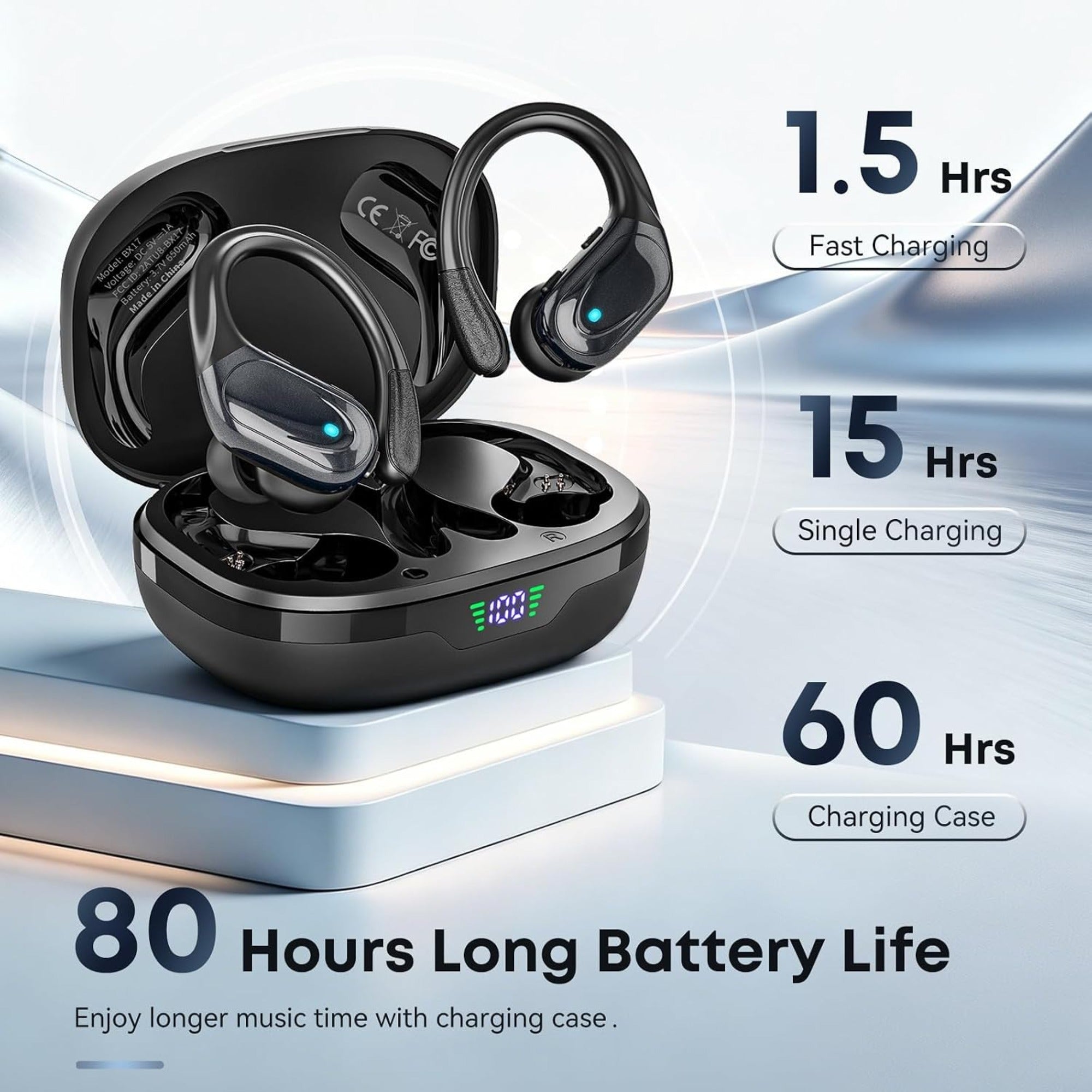
Here is what our three sport listings state. The Series 216 listing gives 15 hours per charge and 80 hours in total with the case; the artwork above splits that as 15 hours from the buds plus 60 hours from the case, which works out to four refills, while the written listing claims eight. Treat the per-charge figure as your planning number and the headline total as a ceiling. The Sport Ear-Hook listing states 8 hours per earbud and 80 hours with the case, and its artwork puts 50 mAh in each bud against 600 mAh in the case. The Bone Conduction pair states up to 12 hours and has no case at all: when it is empty, it is on a USB-C cable until it is not.
Now the arithmetic that decides your Sunday. Take a three-hour long run at the end of a marathon build. A 15-hour bud picked up at 30 percent still holds roughly four and a half hours, so it finishes with you. An 8-hour bud at that same 30 percent holds about two and a half hours and dies somewhere in the last three miles, which is exactly where you wanted it. For the best earbuds for runners in a peak week, hours per charge, checked the night before, decides far more than driver size does.
Two cautions on any of those figures. They are manufacturer claims measured under the maker's own conditions instead of yours, and a run adds work no listing accounts for: a run-tracking app announcing splits, a call, cold weather. Plan for less than the label, and charge while you stretch instead of after you have forgotten.
Sweat is not rain, and the ratings do not treat it as one
An IP code carries two digits and they answer different questions: the first is dust, the second is water. That ordering catches people out, because a rating can look strong while the water half of it is modest.
Our three listings land in three different places. The Series 216 states IPX7, with the X standing in for a dust digit that was never tested. The Bone Conduction pair states IP54 and describes it as withstanding sweat, splashes and light rain, so the 5 is the dust half and the 4 is the water half. The Sport Ear-Hook listing describes a sweat-resistant and dust-resistant build and gives no IP code whatever, which is itself the useful fact: no code means no tested figure to lean on. Our note on reading earbud IP ratings covers what each digit certifies and why a case rarely shares the buds' rating.
Then there is what a rating never covers. Sweat is salty and slightly acidic, it arrives from inside the ear instead of falling on the outside, and it keeps arriving for hours in July in Houston or Orlando at eighty-something percent humidity. If you want the best in-ear earbuds for running through a Gulf Coast summer, read the second digit before the driver size, then wipe the buds down at the door, let them dry properly before they go back in a sealed case, and keep the charging contacts clean. Corroded contacts end more pairs than water ever does.
Wind, traffic and what your ears are left with
Two outdoor problems have nothing to do with music. The first is the microphone. Running at six to eight miles an hour into any headwind puts moving air across the mic ports continuously, and that is the hardest job you can hand a small microphone. It is worth knowing which noise reduction a listing is claiming: the Series 216 states ENC, which cleans your voice for the person on the other end of a call. The Sport Ear-Hook listing describes dual microphones that reduce surrounding noise without naming ENC, and the Bone Conduction listing names neither. None of the three states ANC, which is the other thing entirely, and our explainer on how ANC and ENC each work sets out why one does nothing for the other.
None of these three listings states a Bluetooth version either, so if you specifically want 5.3 or 5.4 for its connection behavior, that is a question for the listing rather than an assumption. Where a run does test the radio is body position: a phone in a waist belt behind you puts your torso between the transmitter and the buds. If yours stutter on every run and never on a walk, the phone-in-pocket dropout pattern is the place to start.

The second problem is the one that matters most on a road. Sealed tips work by blocking the canal, and a car approaching from behind is exactly the signal you have blocked. Open-ear and bone conduction designs give up bass and leak more sound to buy that awareness back, which is why so many road runners end up in open-ear running headphones by November, when their evening miles happen in the dark. Volume is the other half of it: the World Health Organization's safe-listening guidance suggests keeping the level to no more than 60 percent of maximum, and treats 80 dB across 40 hours a week as the boundary. A six-hour running week sits comfortably inside that, as long as you are not turning the level up to beat the traffic you are trying to hear. If your event has a rule about any of this, our note on race rules on headphones covers where permission actually sits.
If a product causes pain, irritation, ringing or a noticeable hearing change, stop using it and seek qualified care.
Which of ours suits which run
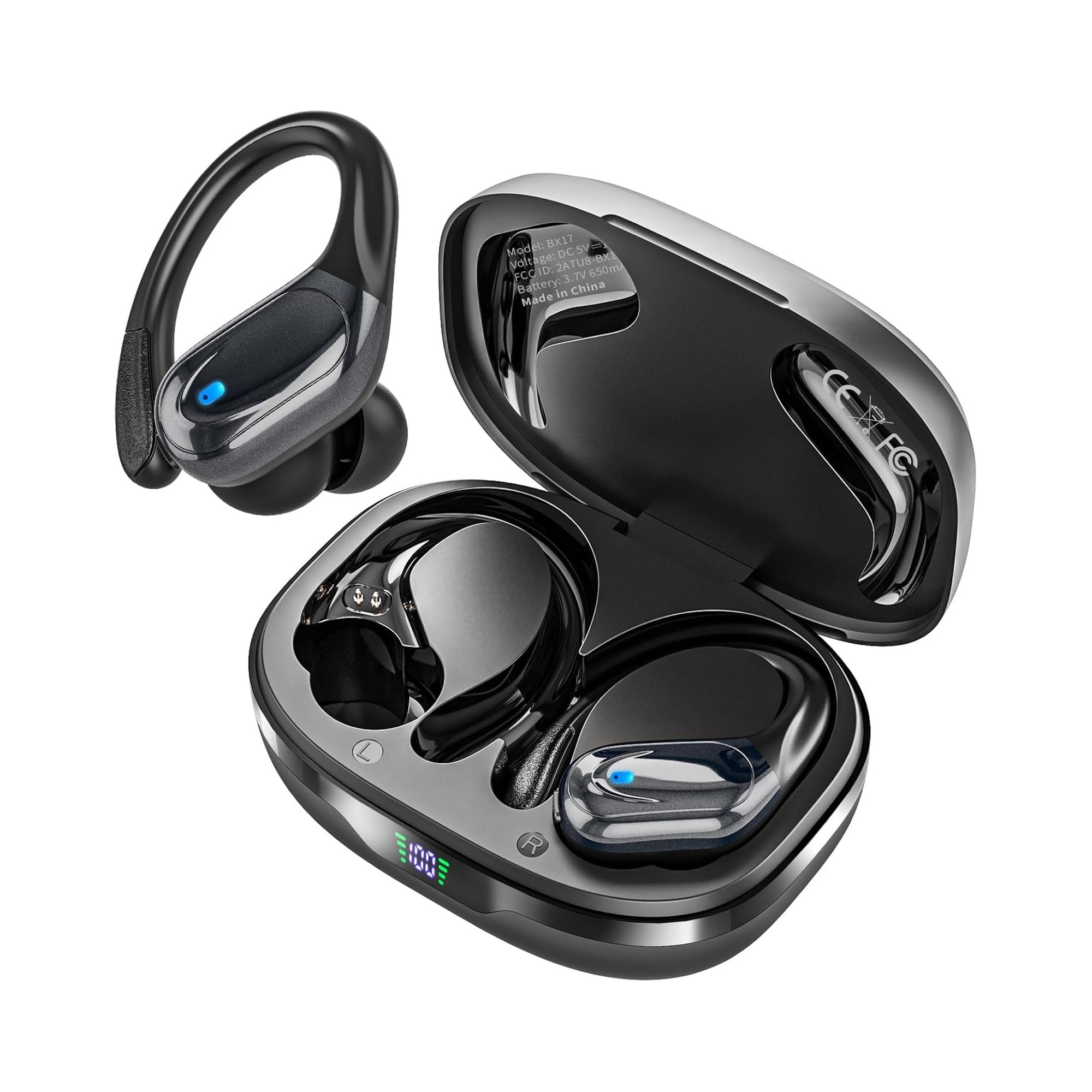
Read these against the table at the top. The True Wireless Earbuds Series 216 ($22.99 at the time of writing) is the long-run option on paper: 15 hours per charge, IPX7, stated ENC, elastic hooks and three tip sizes. The Bone Conduction Open-Ear Sport Headphones ($39.99 at the time of writing) trade bass and battery for an open canal, with 12 hours stated and IP54 water resistance, and they suit anyone whose route crosses traffic. The Sport Ear-Hook Wireless Earbuds ($28.99 at the time of writing) sit between the two, with separate physical volume and playback buttons instead of taps, which is a real advantage with cold or wet fingers, and 8 hours per bud that comfortably covers everything short of a marathon-build Sunday. The rest of the range sits in everyday wireless earbuds, designed around a commute instead of a road.
Questions runners ask before a long run
How many hours of playtime do I need for a marathon?
More than your finish time, because the buds are on before the start and through the walk back. A four-and-a-half-hour marathoner spends roughly six hours with them in on race day. A stated 12 or 15 hours per charge covers that with margin even after a year of battery aging; a stated 8 hours per bud covers it only if you start the day at full.
Is IPX7 overkill for running?
It is more than a dry morning needs and roughly right for a humid summer. The value is not immersion, it is margin: an hour of heavy sweat plus a rain shower is well inside what a higher water digit was tested against, while an unrated pair gives you no tested figure at all. Neither rating covers salt residue left to sit, so still dry them after a run.
Can I take a call mid-run without shouting?
Sometimes, and wind decides it. Mic noise reduction like ENC is designed for steady background noise; air moving across the ports at running speed is a different problem. Turning your head out of the wind for the first sentence helps more than any feature does. If calls matter on your easy runs, look for a listing that states its microphone handling instead of one that stays quiet about it.