


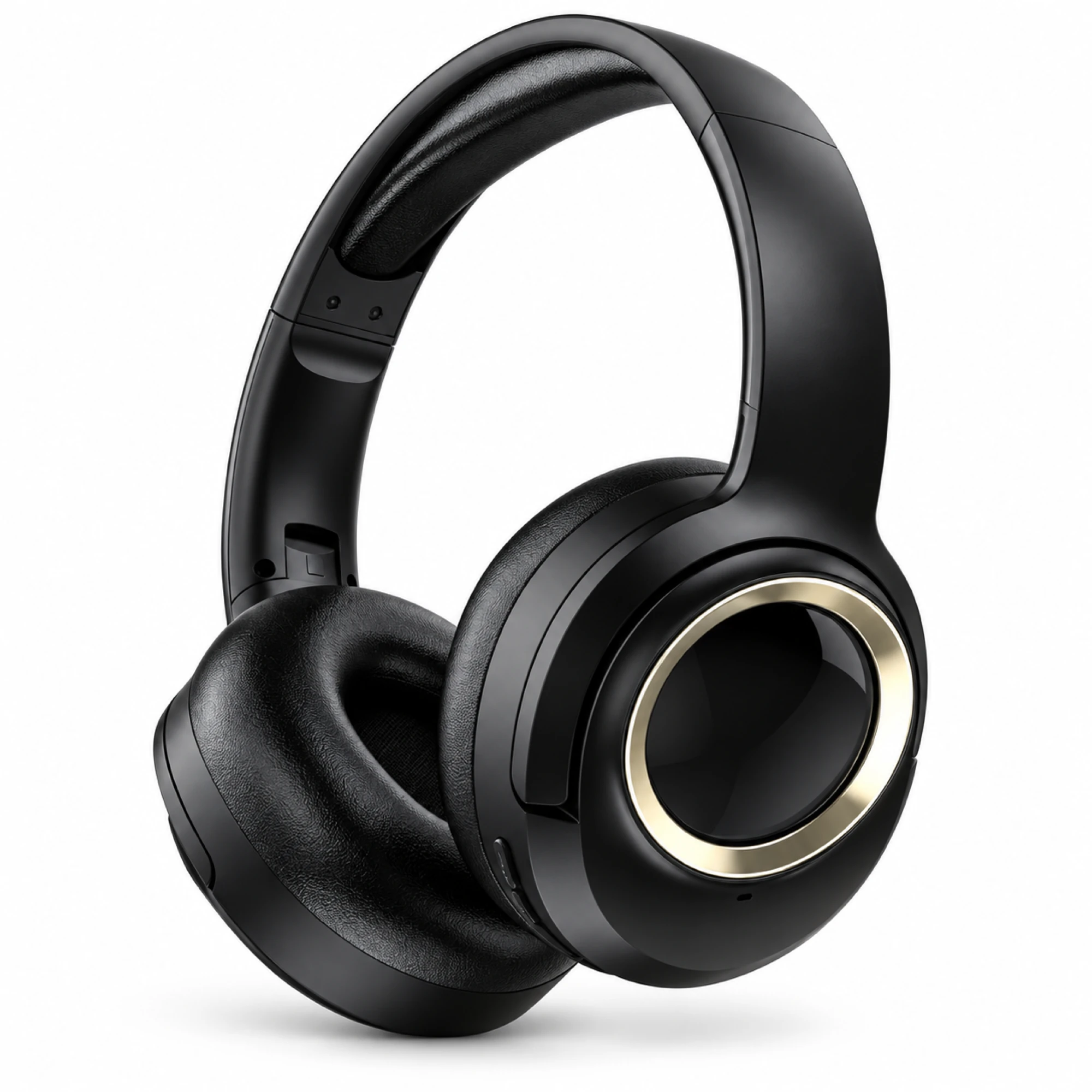
 MX-21 Black and Gold Wireless Headphones
 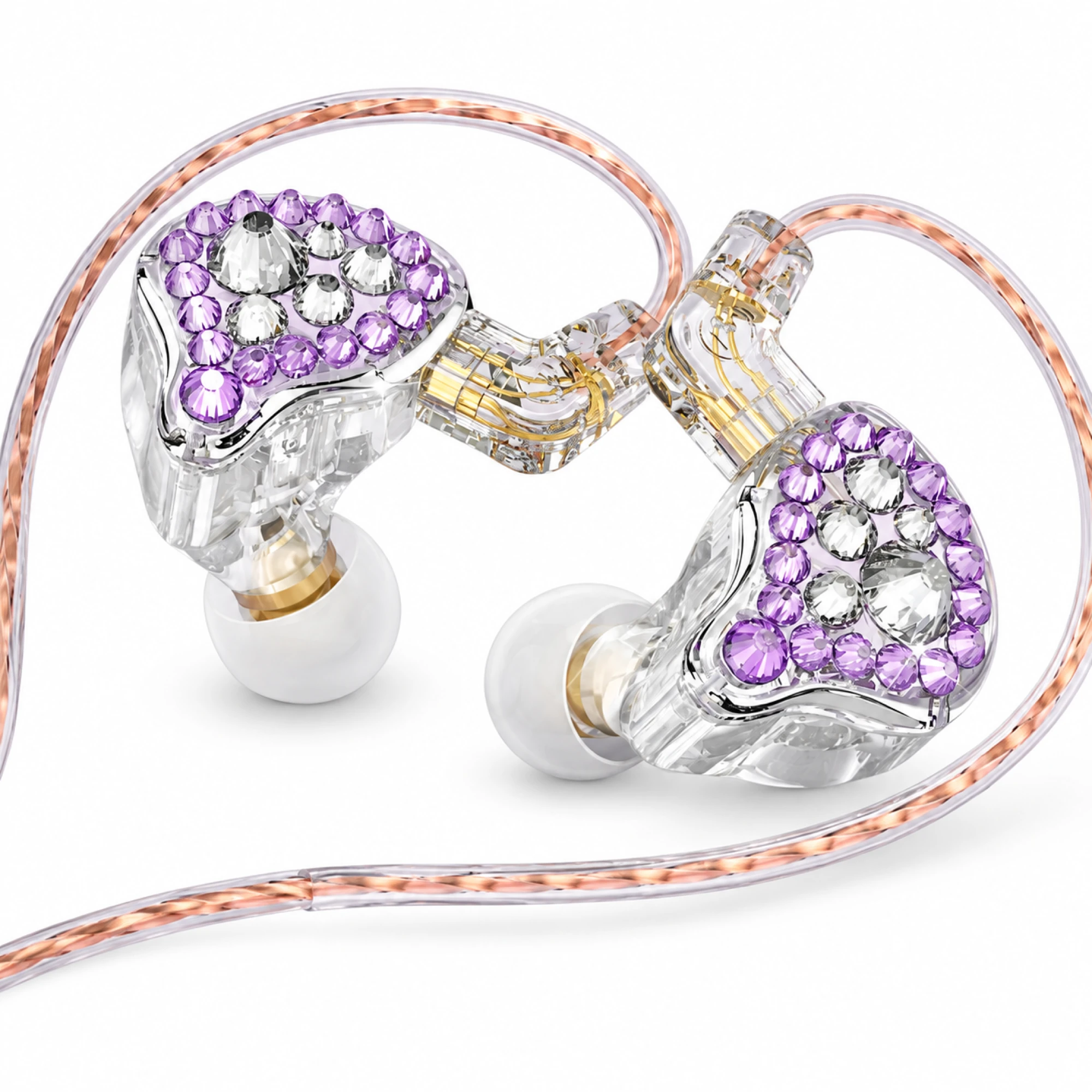 Q2 Pro Purple Crystal In-Ear Monitors
 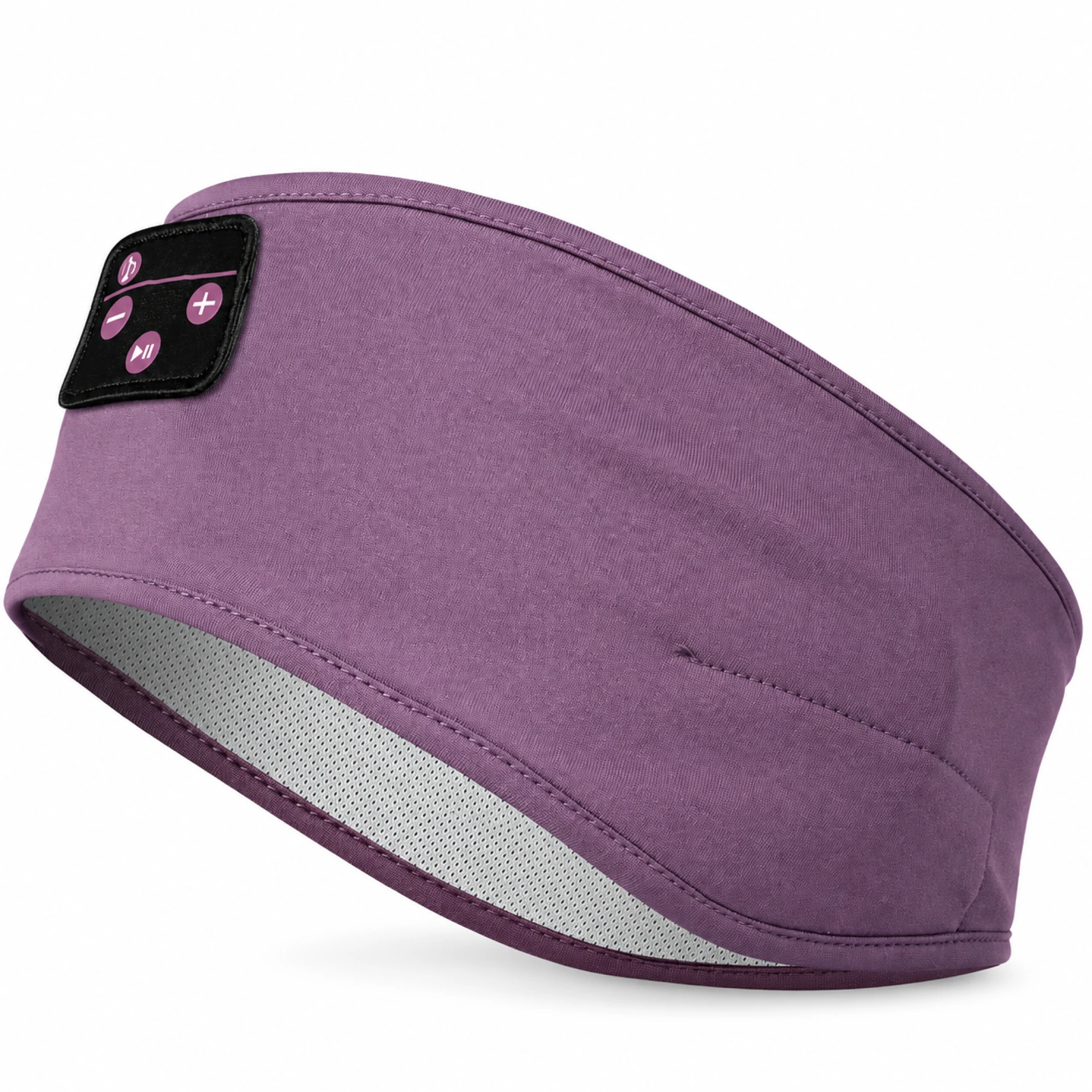 Purple Sleep Headband Headphones with Triangle Controls
  Cream Reflective-Stem Wireless Earbuds
  IN-01 White ANC Earbuds with Pale Blue Case Interior
 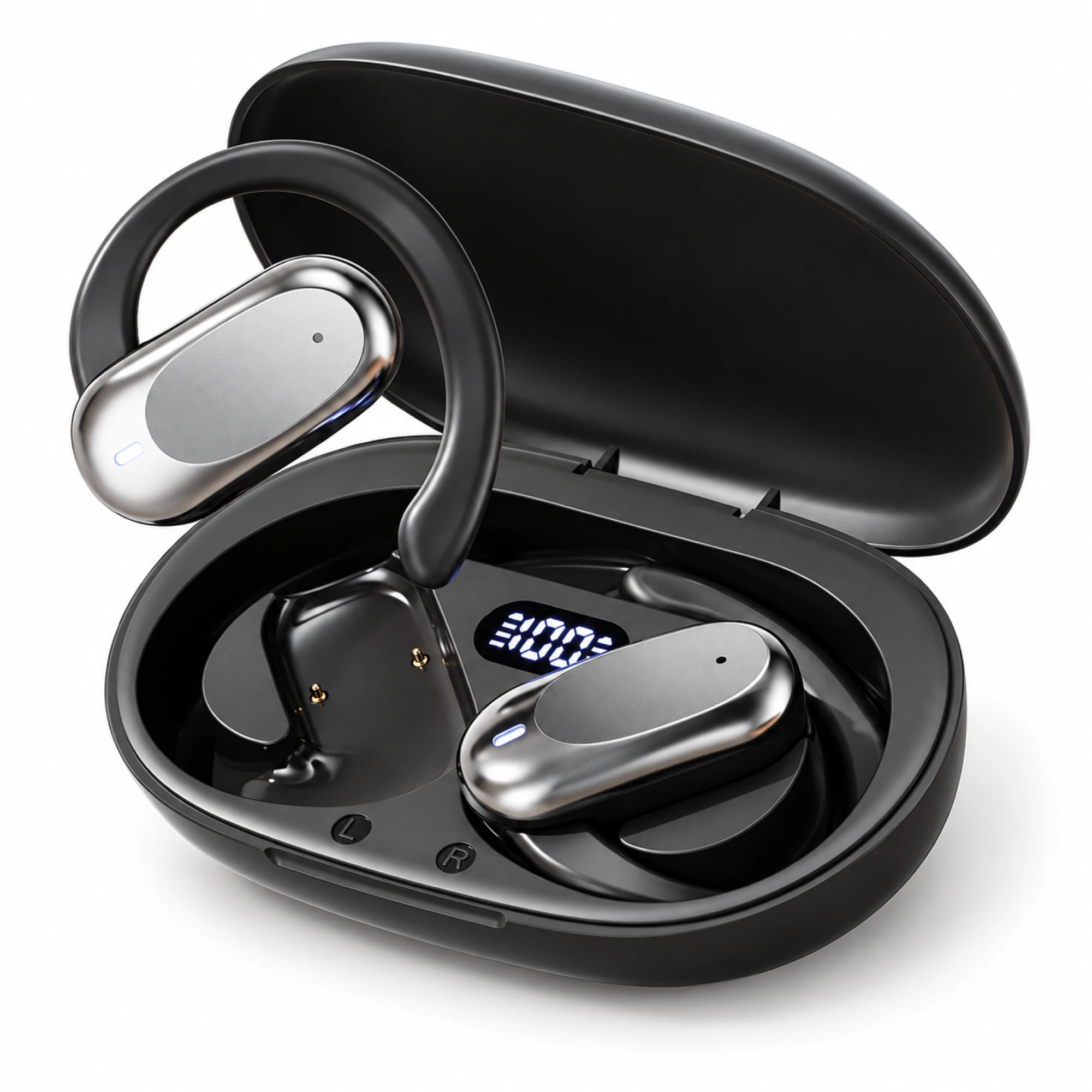 Silver Capsule Open-Ear Earbuds
 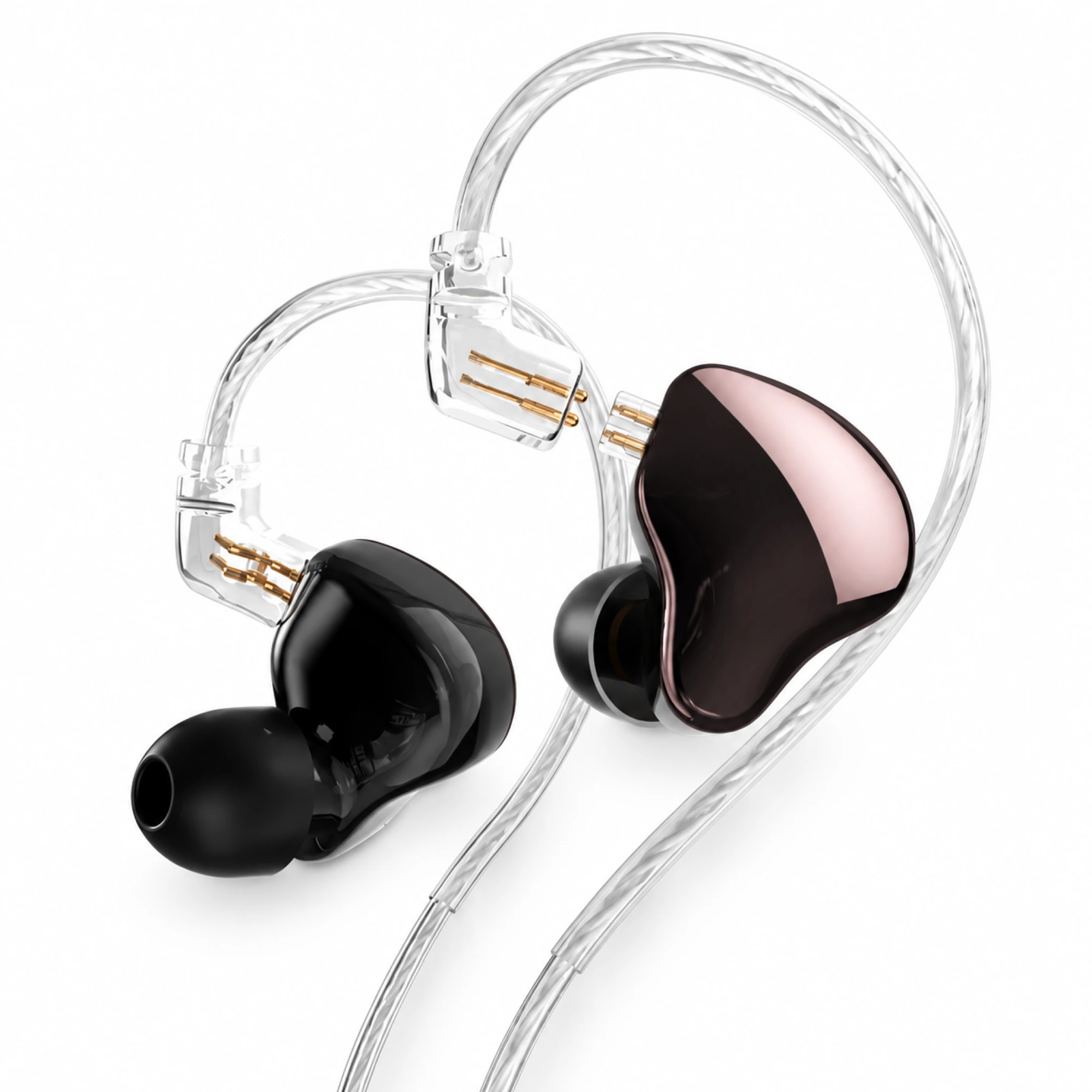 MN Rose-Metallic Detachable In-Ear Monitors
 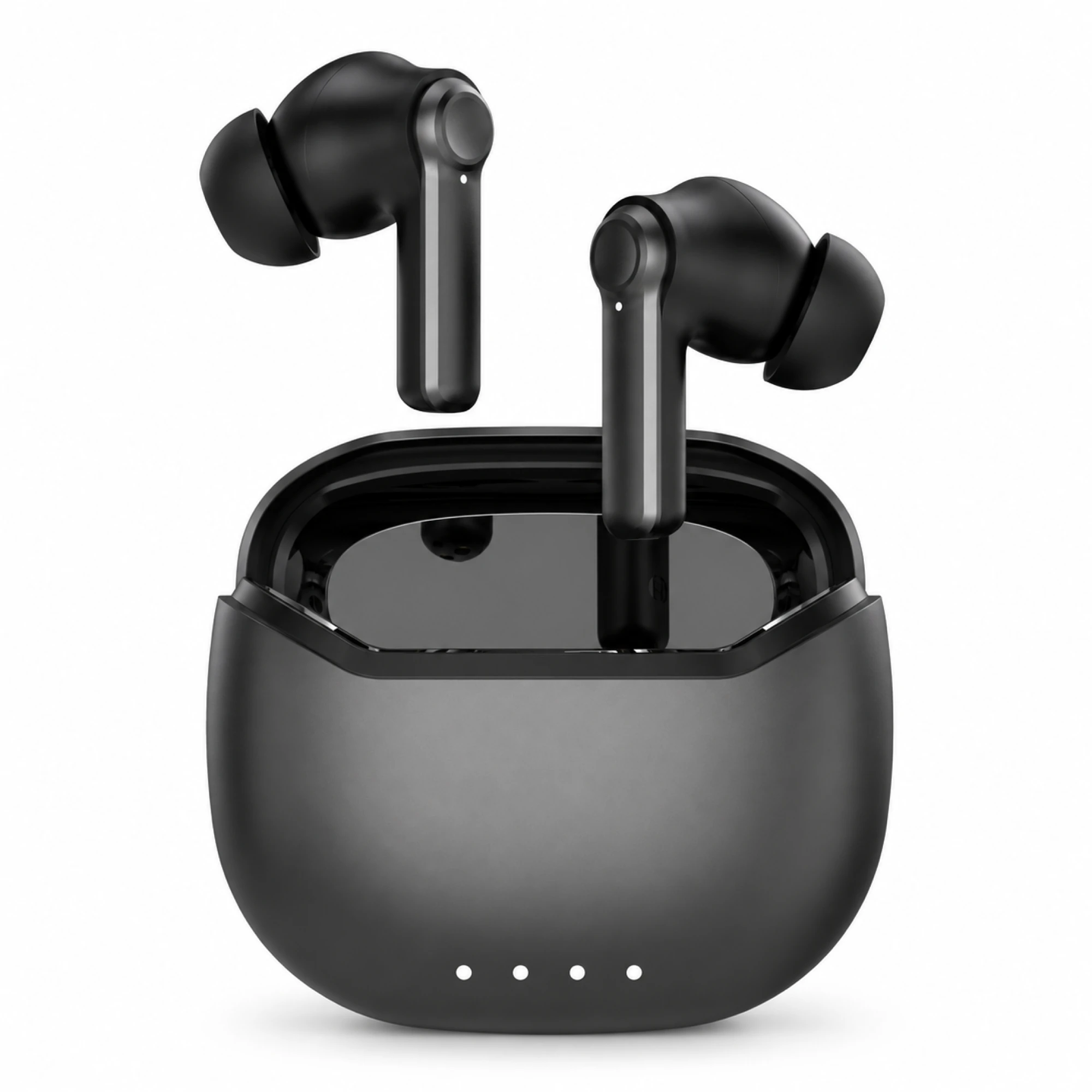 Black ANC Earbuds with Four-Indicator Case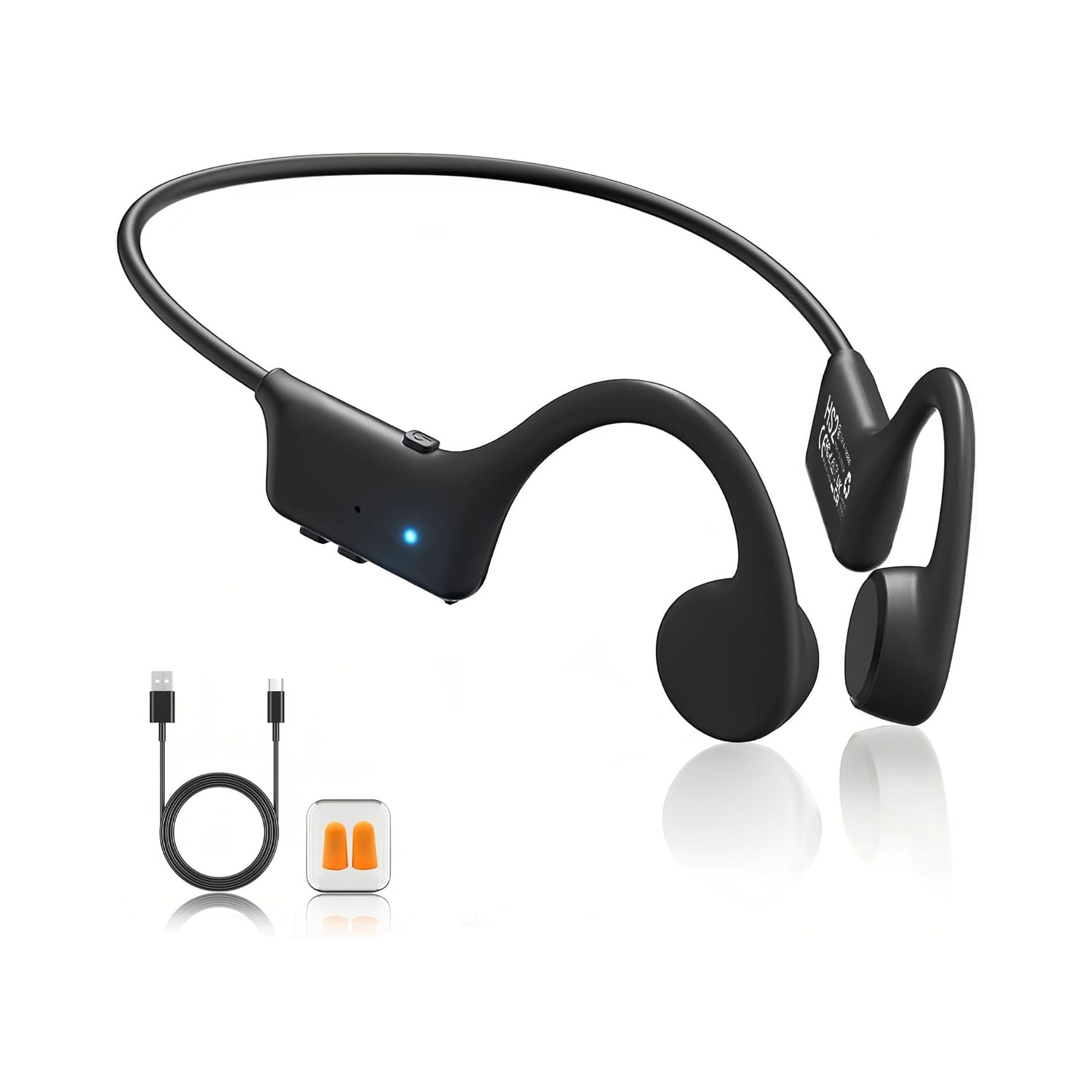
Wearing headphones when running is generally legal for someone on foot in the United States, because the statutes that mention headphones are written about people operating vehicles. Races are a separate matter with their own rules. The risk evidence is thinner than the headlines suggest, and the two factors that dominate published pedestrian fatality data are darkness and where you run, rather than what is in your ears.
The laws that mention headphones are not written about runners
The most-quoted example is California. Section 27400 of the Vehicle Code applies to "a person operating a motor vehicle or bicycle" and bars a headset or earphones covering, resting on, or inserted in both ears. Someone running on a shoulder or a sidewalk is operating neither.
State law varies and we have not surveyed all fifty, so treat this as a pattern rather than a guarantee, and nothing here is legal advice; traffic law differs by state and by event. The headphone statutes we have read regulate vehicle operation. If you also ride, the rules change with the bicycle.
Two situations do reach a runner. The first is an organised event: the Road Runners Club of America states that since the mid-1980s it has maintained a guideline against headphone use in running events and group training runs, and encourages event directors to adopt policies that limit or prohibit them. The second is the aftermath of a collision, where what you could and could not hear may be raised when fault is apportioned. Legal is not the same as consequence-free.
The study behind the headlines, read properly
The paper most often cited against running in headphones is Lichenstein and colleagues, Injury Prevention, 2012. Its published abstract reports 116 cases of pedestrian injury or death involving headphones, gathered from injury surveillance, news archives and legal databases between 2004 and 2011. Trains were involved in more than half of the cases. The victim was reported to be wearing headphones in 74% of cases, and about 29% of reports mentioned a warning sounded first. The majority were male and under 30, and almost 90% of cases occurred in urban counties. The authors propose two mechanisms: sensory deprivation and distraction.
That is a real finding. It is also asked to carry far more weight than it can:
- There is no denominator. It counts people who were hit and says nothing about the people who wore headphones and finished the run, so no rate and no risk ratio can come out of it. "116 cases" is a numerator on its own.
- Exposure is partly inferred. Headphone involvement was graded on a three-tier likelihood scale from what press and legal reports happened to mention: the best available method for archival data, and still short of measurement.
- The population is not obviously you. Mostly urban, mostly rail, mostly young men. A road runner on a suburban shoulder at six in the morning is not the median case in that set.
What survives is the mechanism pair. Sensory deprivation and distraction are plausible, separable, and the two things a runner can design around. What does not survive is any number you could apply to your own route.
What does show up in the fatality data
Federal crash statistics are collected systematically, which is why they are worth reading. The National Highway Traffic Safety Administration's fact sheet Pedestrians: 2021 Data (DOT HS 813 458) defines a pedestrian as "any person on foot, walking, running, jogging, hiking, sitting, or lying down", so runners are counted, and reports 7,388 pedestrians killed in traffic crashes in 2021. Two splits in it dwarf everything else runners argue about.
| Factor | What the 2021 fact sheet reports | What changing it costs you |
|---|---|---|
| Light condition | 77% of pedestrian fatalities occurred in the dark, 20% in daylight | Moving the run into daylight, or adding a light and reflective layer |
| Setting | 84% urban, 16% rural | Route choice, which is free |
| Direction of travel | NHTSA's own reminder is to use the shoulder facing traffic where no sidewalk exists | Nothing |
| Headphone use | Not reported as a category at all | Not measurable from this source |
That last row is the centre of this article. The federal dataset that counts running deaths does not break them out by headphone use, so anyone quoting you a percentage did not get it from there, while the factors it does measure are decided before you leave the house. Its advice to pedestrians names the mechanism without naming a product: stay alert and do not be distracted by "electronic devices, including smart phones, audio players, and other devices that take your eyes and ears off the road." Eyes is the word doing the work.
Running is what makes you turn the volume up
This is the part a spec sheet cannot show. Your own noise floor rises with pace: breathing gets louder, footstrike adds a rhythm conducted through your skull, wind moves past the ear, clothing rustles. You set a comfortable level standing in a hallway, and within a kilometre it is quietly wrong, so you raise it.
Two consequences follow. Broadband noise generally masks speech before music, so a podcast pushes you toward the volume buttons sooner than a playlist. And open designs do not exempt you: an open canal removes the physical barrier, but audio loud enough to beat your own noise floor covers the environment whatever path it took. Hearing the road is not the same as noticing it.
We should be straight about our own listing here. The EARSOLE bone conduction product describes a design that "lets you stay aware of surrounding sounds like traffic, conversations, and warning signals." That is an accurate account of where the sound path goes, and it is not a safety rating. Nobody has tested it against traffic, ourselves included. Our situational awareness guide takes the same line, and the WHO guidance on safe listening covers the volume side.
A protocol for road running, in order of effect
- Set the volume outdoors, at pace, then leave it. Reaching for volume mid-run is information about the route, and only then about the earbuds.
- Move what you can into daylight. On the published numbers this is the largest lever you have, and it costs nothing but scheduling.
- Face traffic where there is no sidewalk, so the hazard arrives through your eyes rather than your ears. That alone makes the headphone question much less load-bearing.
- Use one ear on roads. Check how your pair behaves solo first; some models play only one channel, which our single-earbud listening guide explains.
- Turn noise cancelling off outdoors; our ANC versus ENC explainer separates what each system is for.
- Save the sealed, isolating pair for the treadmill, where isolation is a benefit with no cost attached.
Note what is absent from that list: buying anything. Five of the six are free, which is why no purchase answers this question on its own.
Where the hardware choice changes something
It changes one thing: whether the canal is obstructed before you play anything. A sealed tip attenuates traffic on its own; an open-ear clip or bone conduction band does not. That is the whole of the hardware contribution, and it is smaller than the list above.
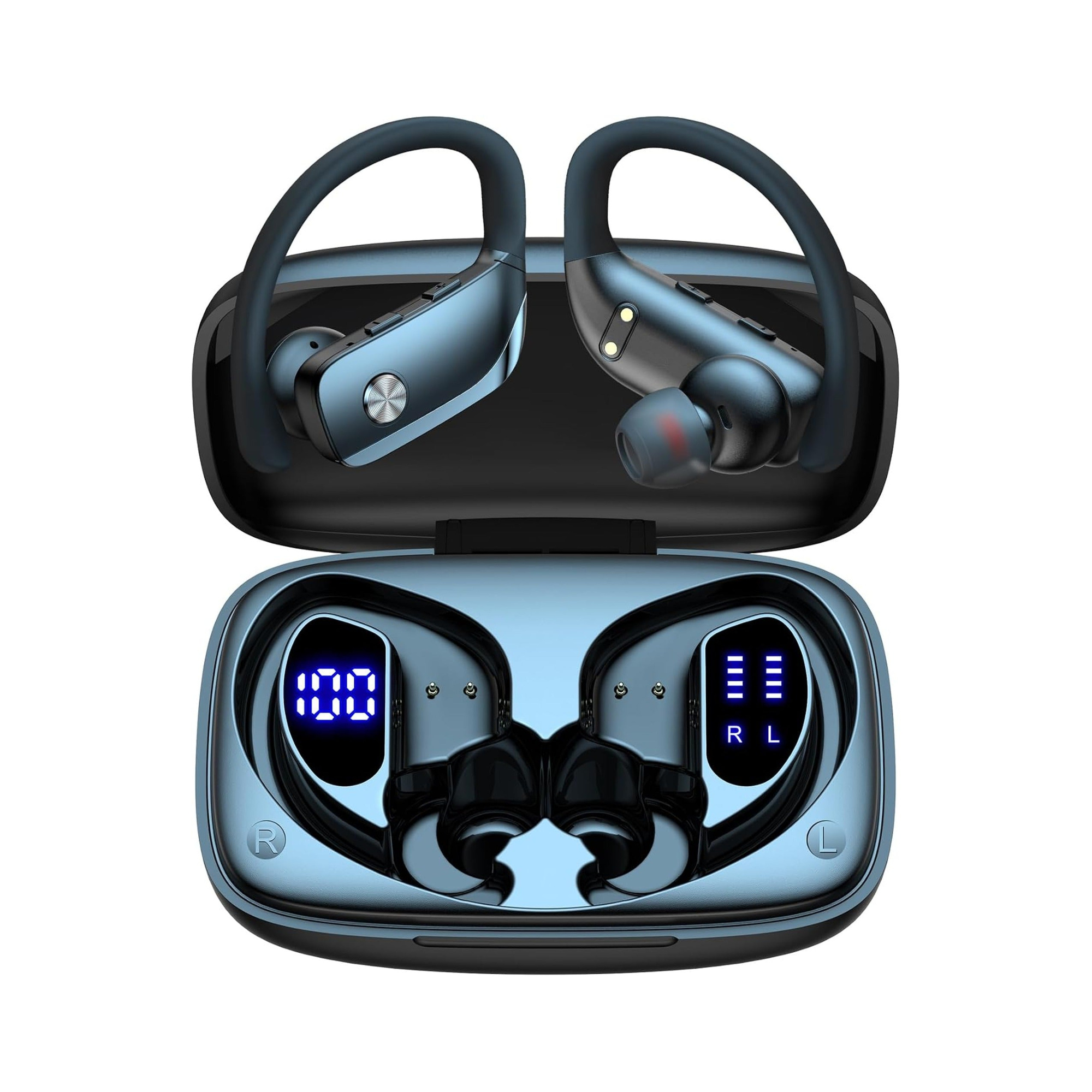
The EARSOLE models this points at are the Bone Conduction Open-Ear Sport Headphones ($39.99 at the price listed today), which state an IP54 rating for sweat, splashes and light rain, and the Sport Ear-Hook Wireless Earbuds ($28.99 at the price listed today), listed at 8 hours per earbud and 80 with the case. See the open-ear range and the wider everyday wireless earbuds.
Two gaps in those listings are worth naming. Neither publishes an attenuation figure, so we cannot say how much ambient sound a sealed model removes. And neither states single-bud behaviour, which step four depends on.
A good share of people asking this are not asking about roads. They are asking why their earbuds keep falling out when running, which is a mechanical question with a different answer, covered in earbuds that don't fall out when running. The short answer on how to keep earbuds in when running: a mechanical anchor beats canal friction, because sweat removes the friction and nothing removes the anchor.
Questions we get about running in headphones
Can I legally run with headphones on a public road?
For a runner on foot, generally yes in the United States: headphone statutes such as California's section 27400 are written around operating a motor vehicle or bicycle. Whether it is wise is decided by light, route and volume rather than by the earbuds, and races set their own policy.
Why do race organisers discourage headphones?
So runners can hear marshals, vehicles and other competitors. The RRCA has kept a guideline against headphone use in events and group runs since the mid-1980s and encourages directors to adopt policies that limit or prohibit them; individual races decide how strictly to apply that.
Are earbuds or over-ear headphones better for running?
Earbuds or an open-ear band, for most running. Over-ear cups seal against skin that then cannot ventilate, and the mass on a headband needs clamp force to stay put, which makes the heat worse. Cold-weather easy running is the exception.
If a product causes pain, irritation, ringing or a noticeable hearing change, stop using it and seek qualified care.