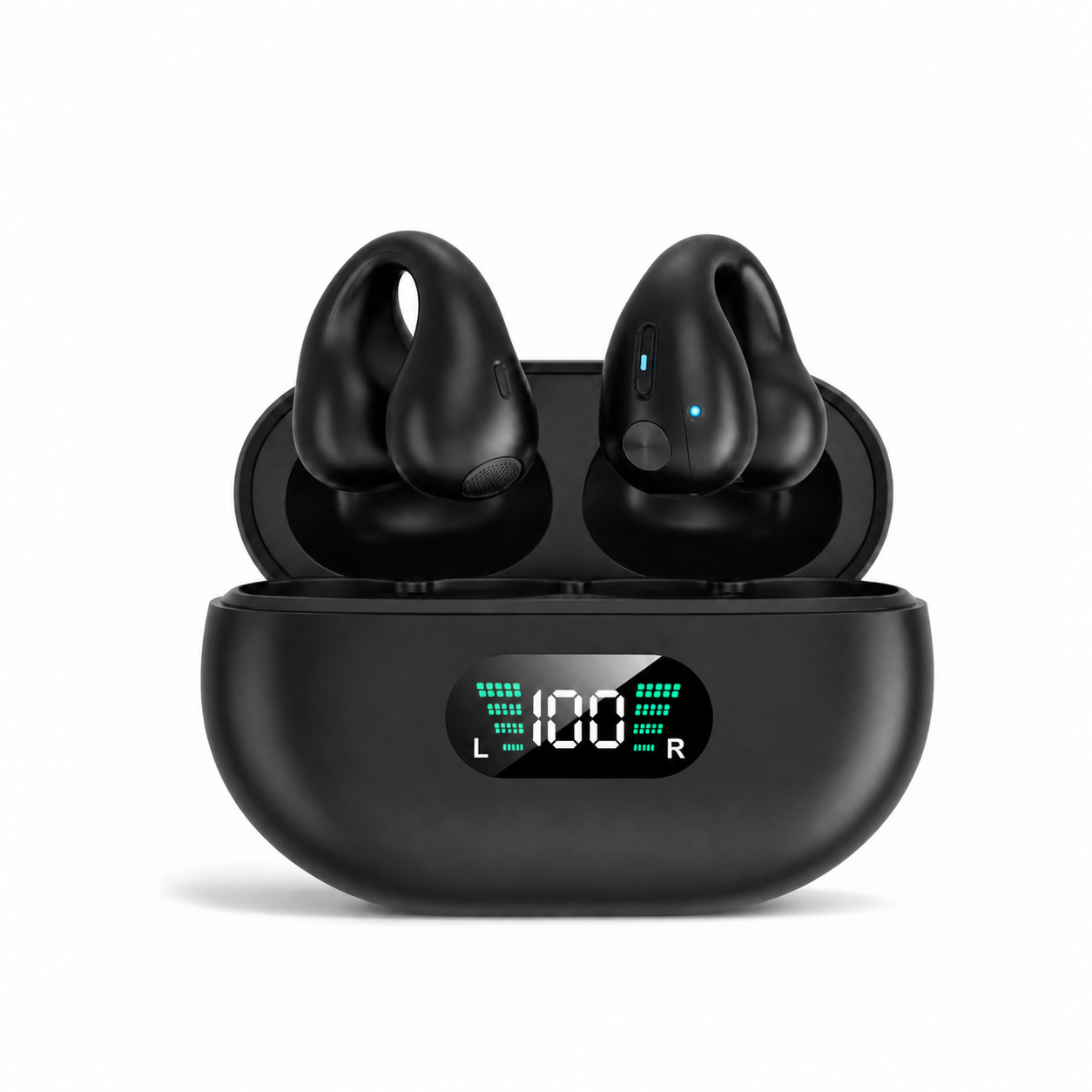

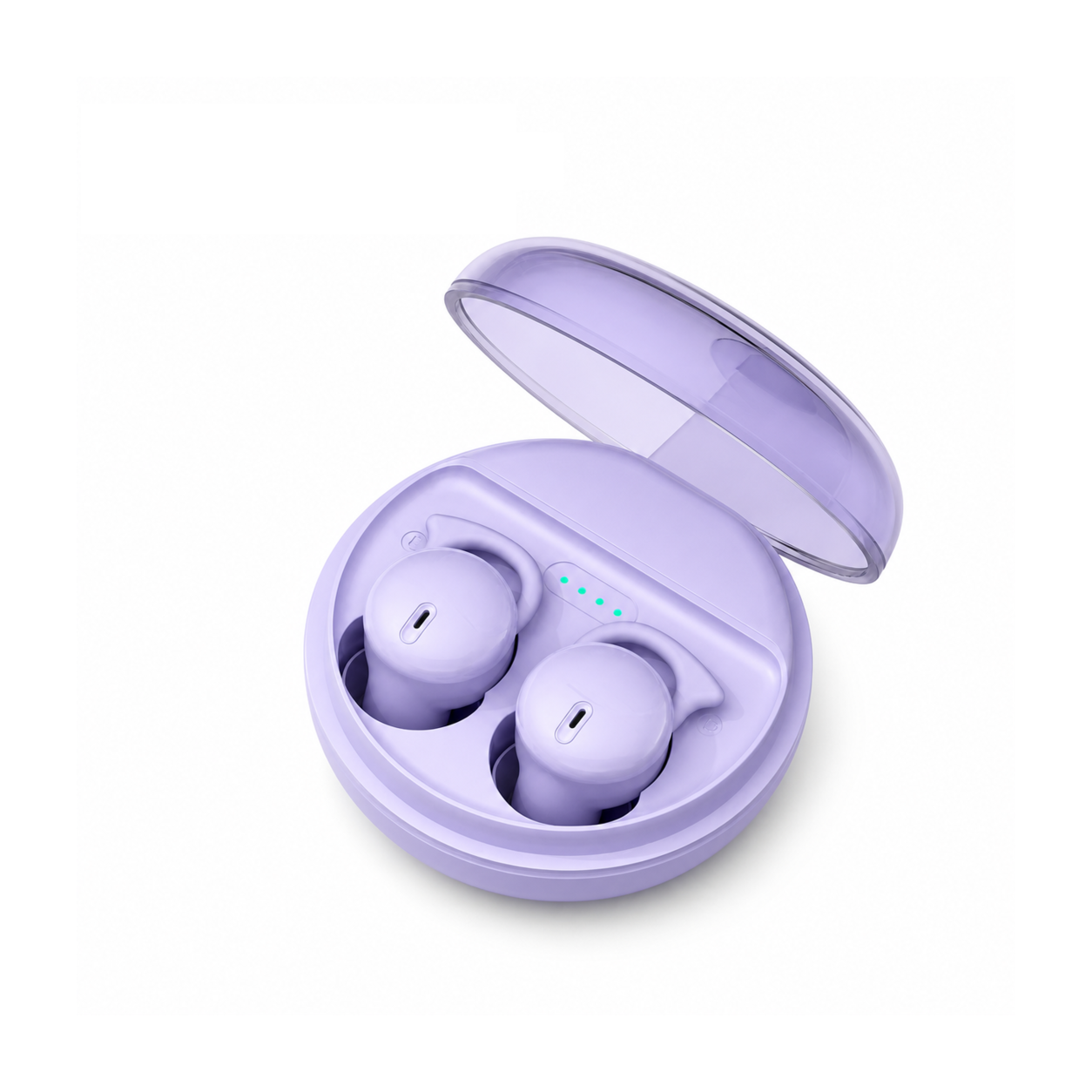
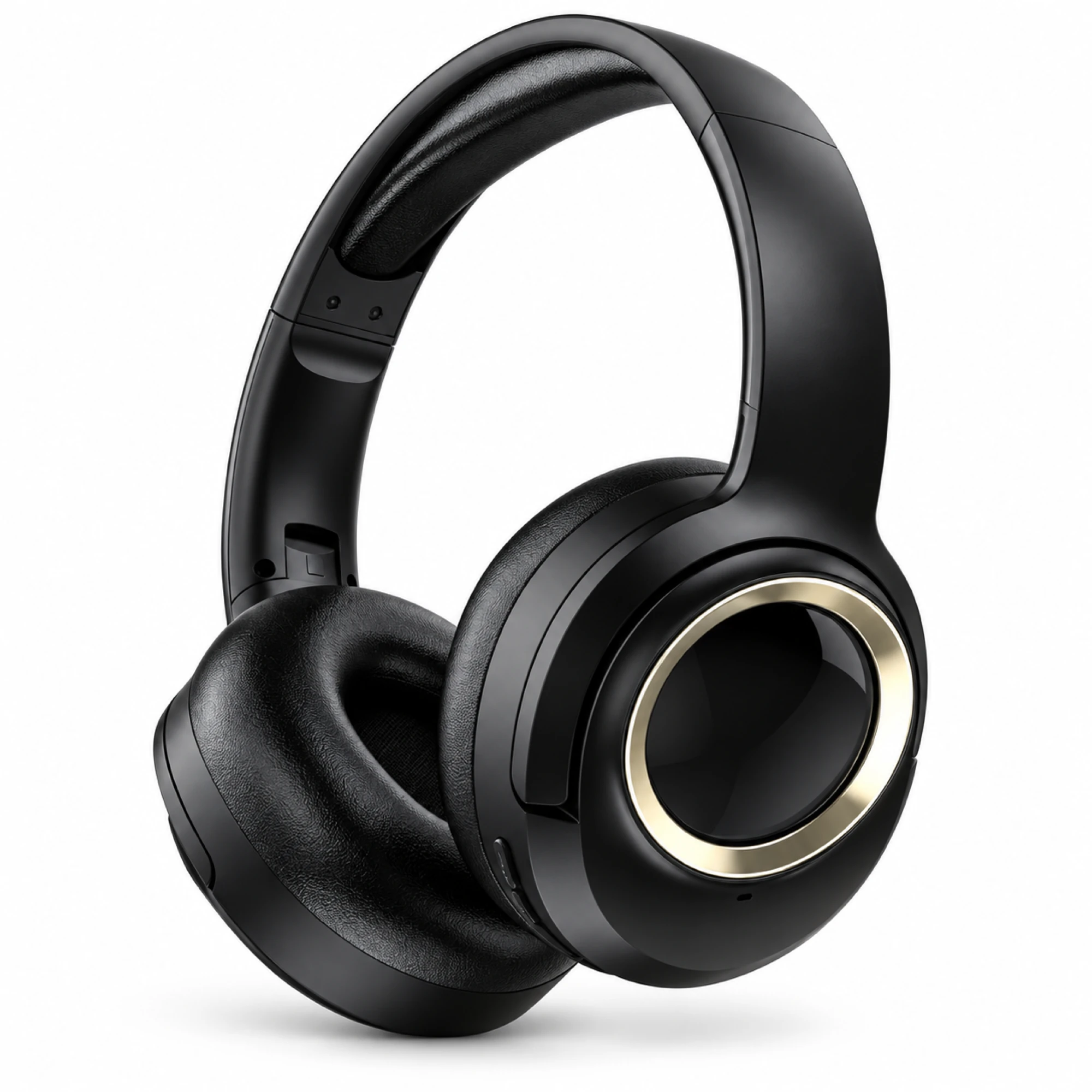
 MX-21 Black and Gold Wireless Headphones
 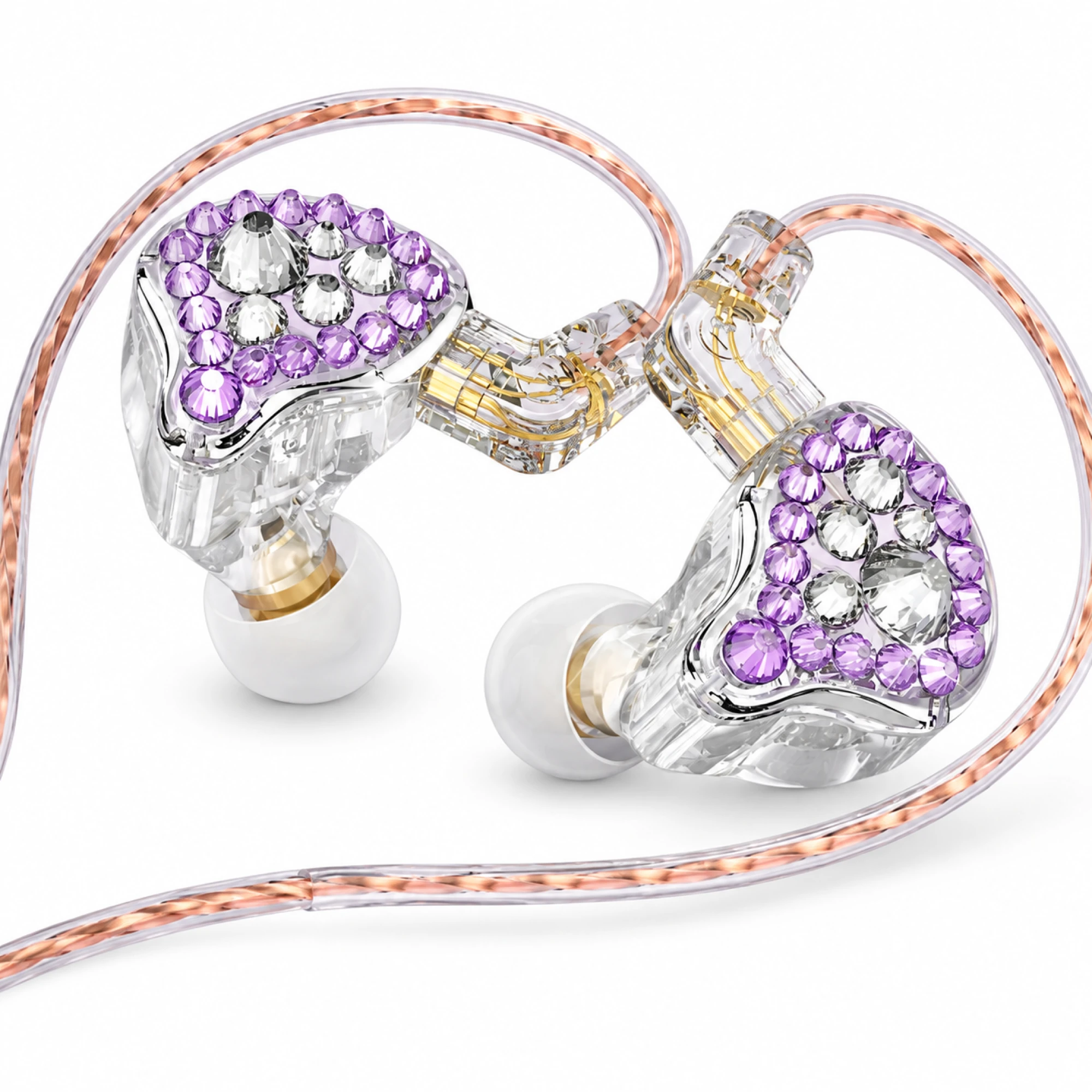 Q2 Pro Purple Crystal In-Ear Monitors
 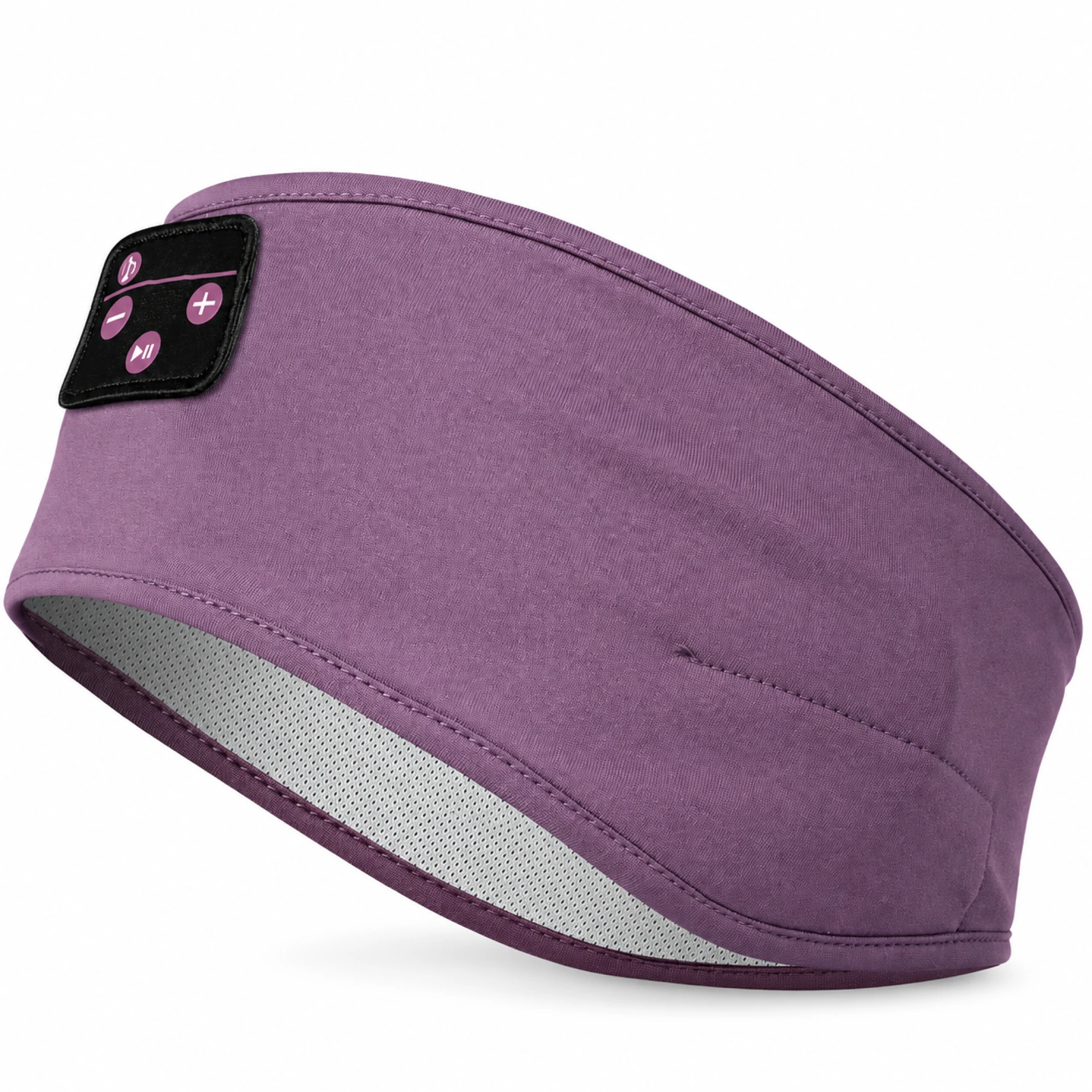 Purple Sleep Headband Headphones with Triangle Controls
 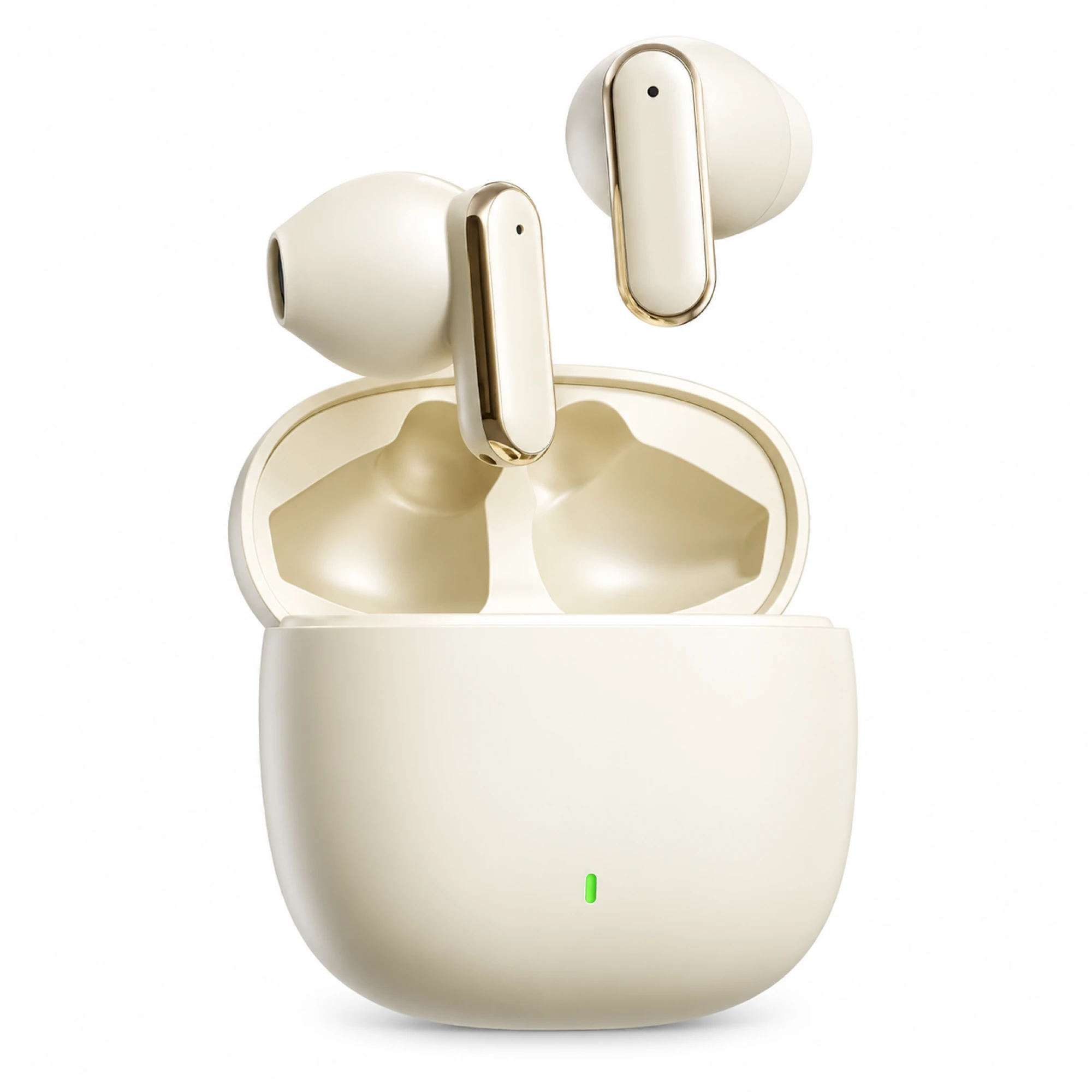 Cream Reflective-Stem Wireless Earbuds
  IN-01 White ANC Earbuds with Pale Blue Case Interior
 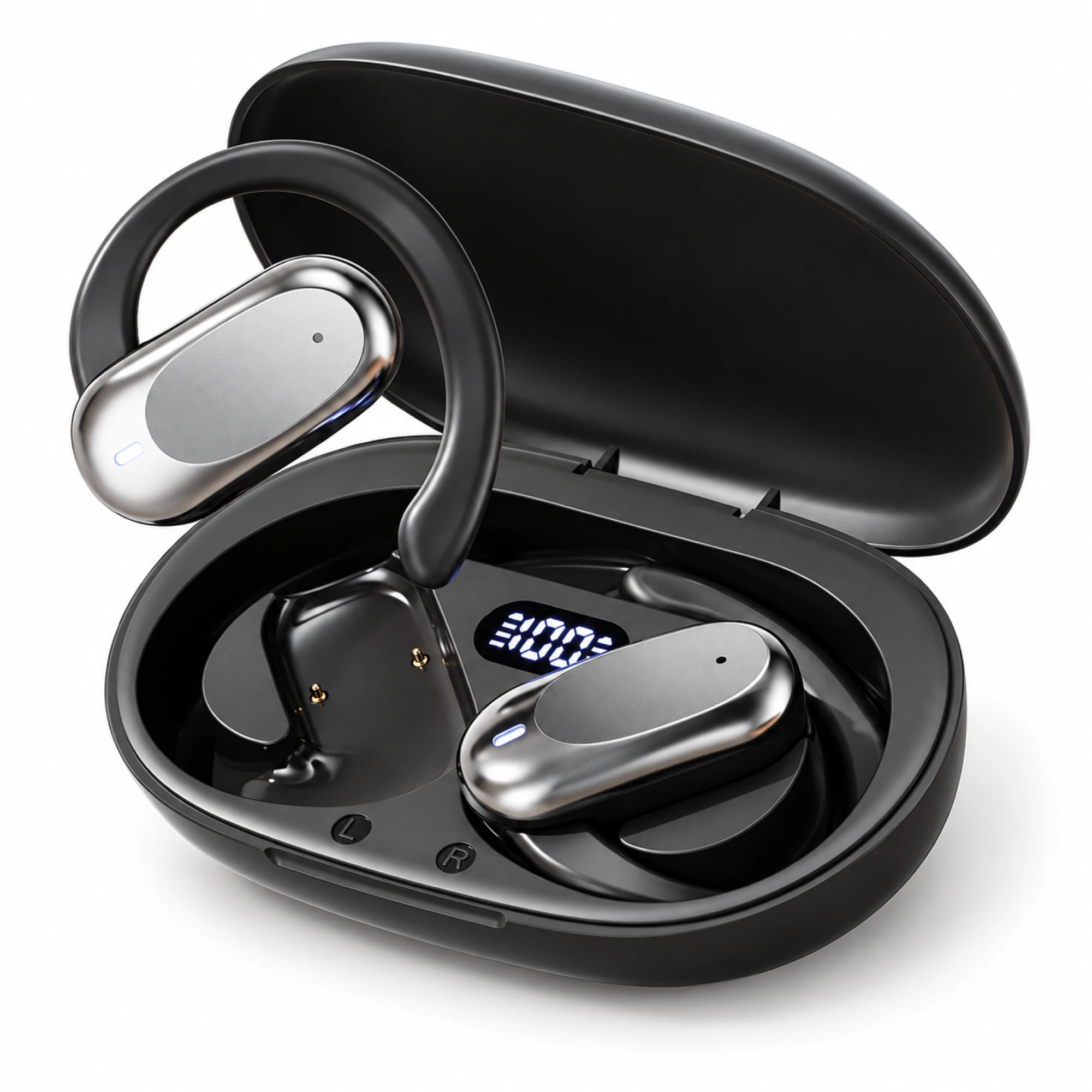 Silver Capsule Open-Ear Earbuds
 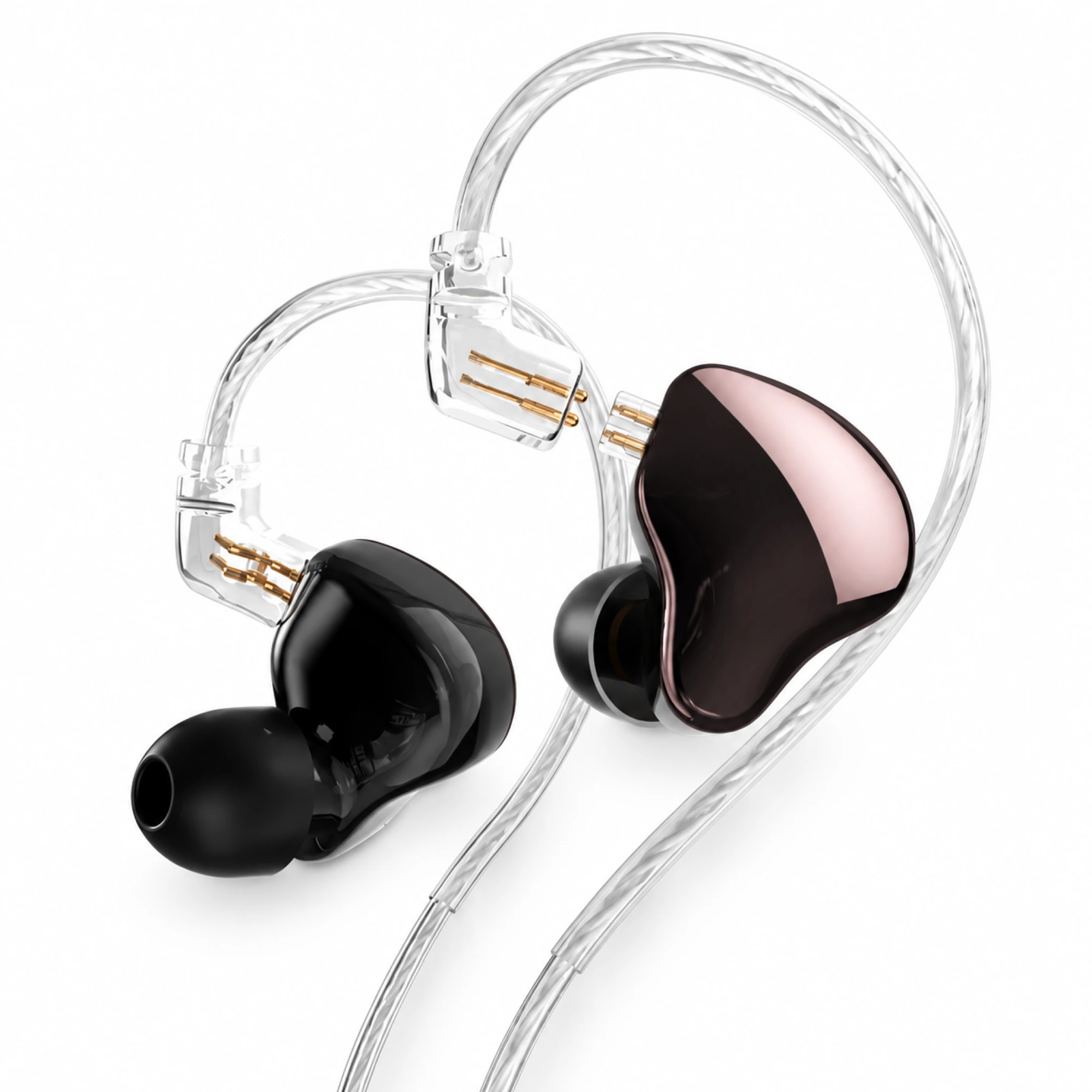 MN Rose-Metallic Detachable In-Ear Monitors
 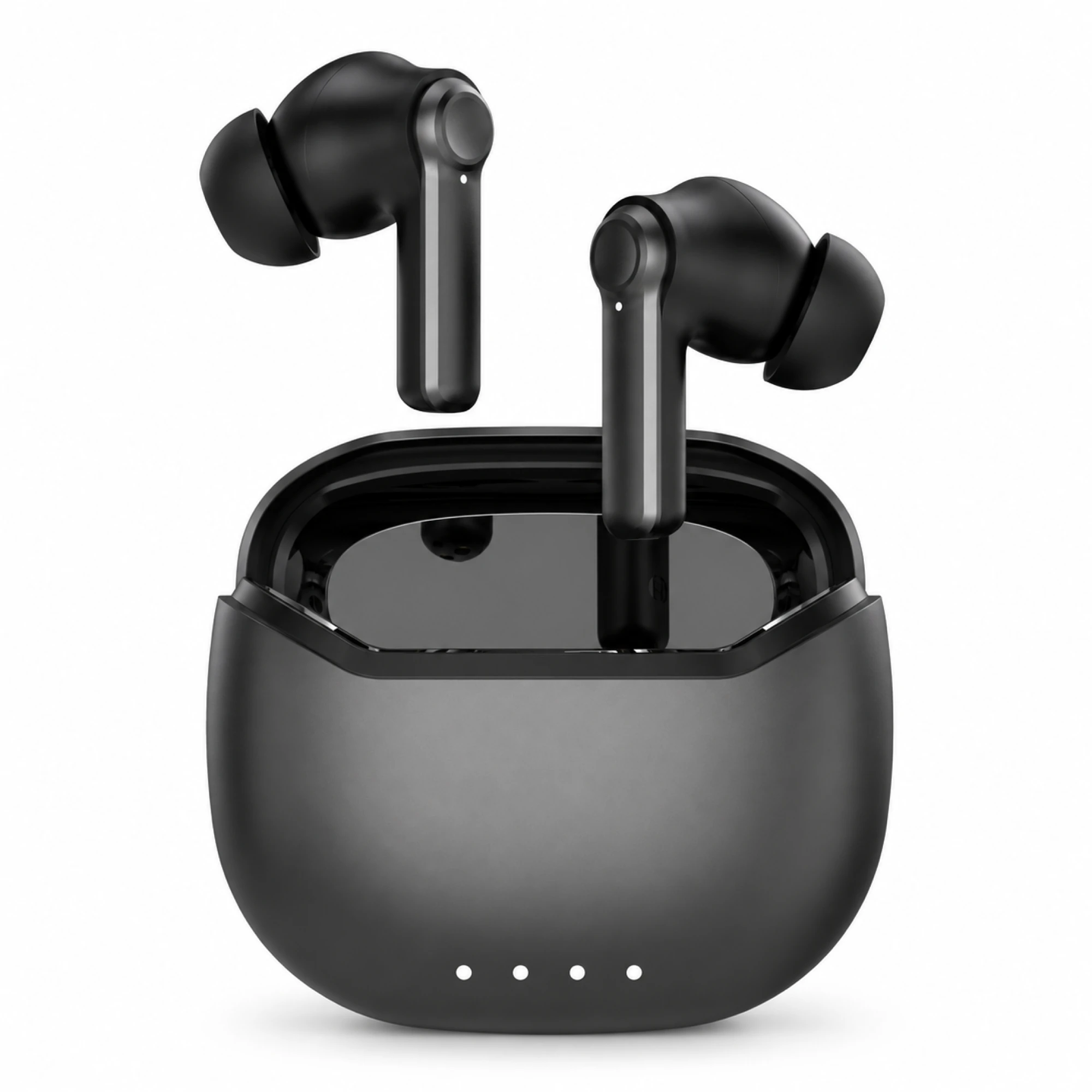 Black ANC Earbuds with Four-Indicator Case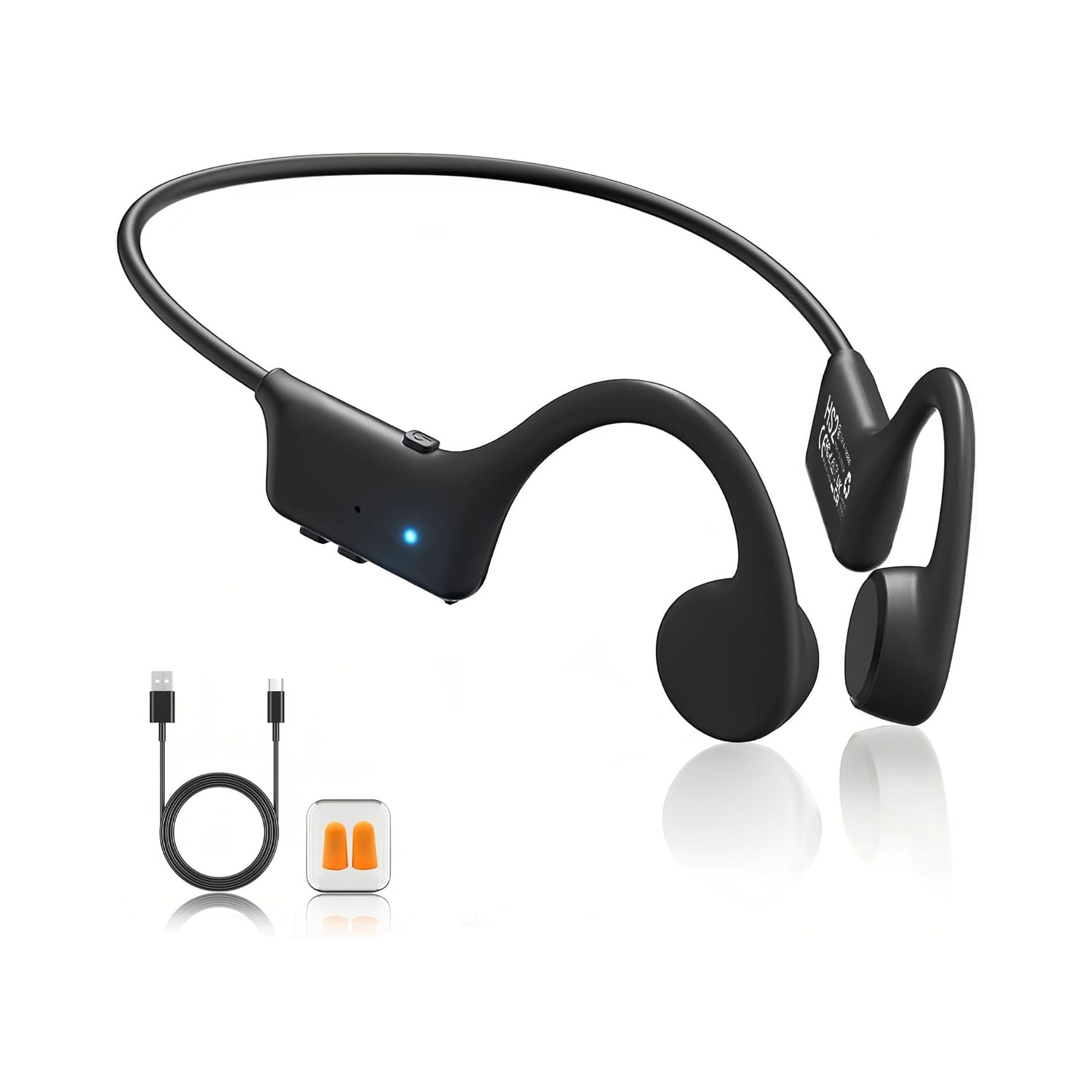
Wearing headphones at gym sessions is almost never against the rules. Published gym policies generally require headphones instead of forbidding them; the ban is on speakers. What the rules quietly assume is that you stay reachable: for someone working in, for a spotter's signal, for staff, and for an alarm sized against room noise instead of against your ears.
Which pair to buy is a separate question. This page is the other half: permission, the shared floor, and the interruptions you have made harder to hear.
What the written rules say, club by club
Most people assume the awkwardness around headphones at the gym comes from a rule. It usually does not. Commercial clubs rarely publish their floor rules; university recreation centres do, and their wording is consistent about which device is the problem.
| What the rule covers | Example of the published wording | What it restricts |
|---|---|---|
| Headphones versus speakers | "Bluetooth speakers are not permitted. Headphones must be worn when using personal electronic devices." — Purdue Recreation & Wellness | The speaker; headphones are the required alternative |
| Shared spaces | "Headphones must be used while listening to personal music in all shared spaces." — Rutgers Recreation | Audio played aloud where others train |
| Level | Personal music in multipurpose rooms "must not disturb others in adjacent spaces and must be below 80 decibels" — Purdue | Loudness and leakage, never the hardware |
| Equipment | "Limit rest time and allow others to work in between sets." — Rutgers | Your availability between sets |
The pattern is clear enough: the rules treat headphones as the solution to a noise problem, then assume you are still part of the room. Two caveats. Your club may put equivalent language in a member agreement instead, so check rather than assume. And group class is worth asking about, since the session is built on the instructor's cues.
The rule headphones collide with
The line above that causes real friction is the one about letting others work in. That request is made and accepted in a few seconds, usually by someone standing slightly behind you while you are mid-rest and looking at your phone.
Headphones change that exchange in three ways. They remove the opening line, so the approach becomes a tap or a wave. They make your reply ambiguous, because a nod from someone visibly still listening reads as a brush-off more often than a yes. And they lengthen the whole thing, which a rack queue cannot absorb at six in the evening. None of that argues for training in silence. It argues for accepting the trade: you have removed the cheapest way for a stranger to reach you, so being visibly approachable becomes your job.
Spotting is a listening job
This is the one place where the answer is not a matter of taste. The National Strength and Conditioning Association's Basics of Strength and Conditioning Manual treats spotting as a communication task before a physical one. "Communication is a shared responsibility," it says, and before a set the pair should agree how the bar comes off the supports, the intended number of repetitions, and the "signals for moving the bar into position".
What matters here is the failed rep. The manual says the athlete should "quickly ask or signal the spotter (sometimes with just a grunt or sound) for help", and if they can no longer contribute should "immediately tell the spotter to 'take it' or use a similar phrase". Its bench press guidance asks that "full attention should be given to the athlete through all repetitions of the set".
A grunt is quiet, low in frequency and said once, close to the worst possible signal to catch through music. So the rule is narrow instead of sweeping: if you are spotting, take them out. If you are the lifter, agree your commands out loud beforehand, and accept that a spotter who cannot hear you is one in name only.
The alarm is sized for the room, not for your ears
Fire alarms are not designed to be loud in absolute terms, but loud relative to the room they are in. The International Building Code, in the version published at UpCodes section 907.5.2.1.1, sets an audible signal at "15 decibels (dBA) above the average ambient sound level or 5 dBA above the maximum sound level having a duration of not less than 60 seconds, whichever is greater". The next section caps the combined result at 110 dBA, and where average ambient noise runs above 105 dBA, visible appliances take over and audible ones "shall not be required".
Two things follow. That margin is calculated against ambient level measured in the room, and not at an eardrum under a sealed cup with music playing, so anything between the alarm and your hearing spends it, and none was reserved for you. And the alarm cannot be turned up to compensate, because the ceiling is fixed.
How much of that margin a given pair costs you, we cannot say; we have no measurement, and a figure taken in one room would not transfer to yours. What is worth doing once is finding the visual notification devices in the rooms you use, especially enclosed studios and basement weight floors.
Leakage, and the over-ear question
The etiquette question also runs outward. Over-ear headphones at the gym attract comment mostly for how they look, but the fair complaint about any pair is what the next rack can hear. Leakage follows level and design, and the two designs people reach for in a gym sit at opposite ends of it.
- Sealed in-ear and over-ear pairs generally leak least at a given loudness, because a seal works both ways. Sealing also lowers the noise floor you compete with, which is what makes a lower listening level possible at all.
- Open-ear and bone conduction designs radiate into the room by construction. Our own bone conduction listing claims an "optimized acoustic design" that "helps reduce sound leakage", which is a design claim and not a measurement, and not the same as silent.
- Anything at high volume leaks, well below the level a loud gym tempts you towards.
The self-test costs ten seconds. Take the pair off mid-track without touching the volume and hold it at arm's length. If you can follow the lyrics, so can the person waiting for your bench. Our write-up on whether open-ear earbuds leak sound covers why the open designs behave as they do. The uncomfortable part is that the two goals pull against each other: the designs that keep you reachable leak most, and a loud room pushes you to run them louder still.
A protocol for a shared floor
- Decide before the set, not during it. Heavy work, anything lying down and anything you are spotting are where one bud out is the sane default.
- Set a level you could hold a five-word exchange over. If people routinely say things twice, the level is the problem.
- Face the room between sets. Sight replaces the hearing you gave up, and a back turned to a queue is what reads as rude.
- Answer with a word instead of a nod. "Yeah, go ahead" settles what a nod leaves ambiguous.
- Learn your exits and the visual alarm devices once, then stop thinking about it.
- Take them out for anything instructional. Cues you missed are the session you paid for.
What our gym-relevant listings claim
None of this settles the buying question. What follows is what our own listings claim, and what they leave out.
The Bone Conduction Open-Ear Sport Headphones ($39.99 as the listing reads today) leave the ear canal open, with IP54 water resistance, up to 12 hours of playtime and USB-C fast charging. The listing says the design "lets you stay aware of surrounding sounds like traffic, conversations, and warning signals", which is the right shape for this page, though it is a claim about geometry and not a measure of how much you will hear at your volume. Our open-ear versus bone conduction comparison covers the differences, and ANC versus ENC explains what cancellation removes.
One of ours is wrong for a gym, and the listing says so: the Open-Ear Clip-On with LED Charging Case ($28.99 as the listing reads today) is described as not water-resistant. It sits outside the canal, which suits the etiquette side, but sweat rules it out. The open-ear and clip-on collection holds the rest of that range.
Questions about headphones on a shared gym floor
Is it okay to wear headphones at the gym?
Generally, yes. The published recreation policies quoted above require headphones for personal audio instead of prohibiting them; the restriction is aimed at speakers. Ask before wearing a pair in a group class, and check your club's member agreement, since commercial gyms rarely publish floor rules.
Why do people wear headphones in the gym?
Two reasons, and only one is about music. A pair sets a pace and covers a loud room. It also works as a visible do-not-disturb sign, which is much of why people keep them in during rest, and that signal is what shifts the etiquette burden onto the wearer.
Should you take headphones out when spotting someone?
Yes. The NSCA manual expects a lifter in trouble to signal with a grunt or a short phrase, both of which are quiet, low in pitch and said once. A spotter listening to music is relying on seeing a failure that the manual expects to be heard.