
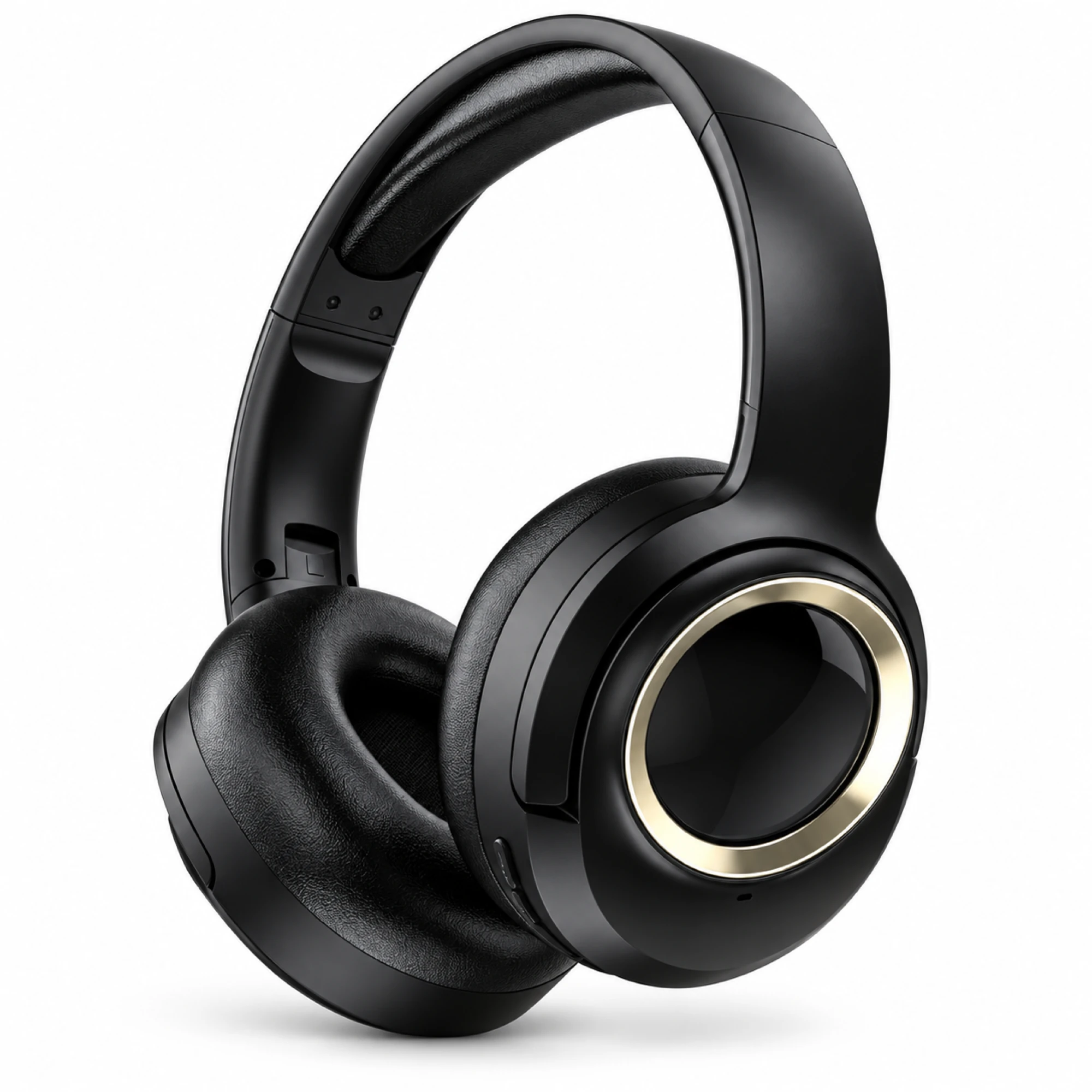
 MX-21 Black and Gold Wireless Headphones
 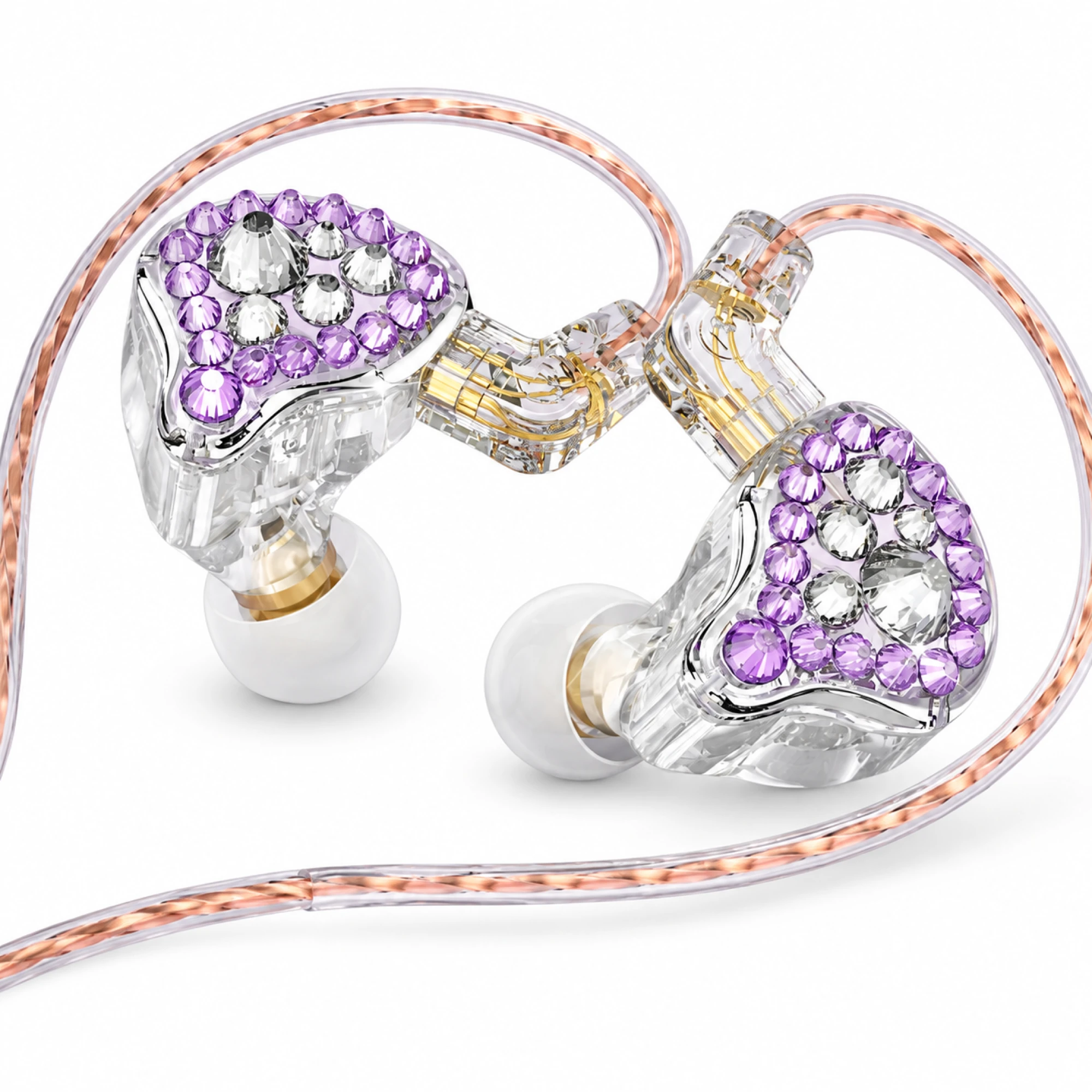 Q2 Pro Purple Crystal In-Ear Monitors
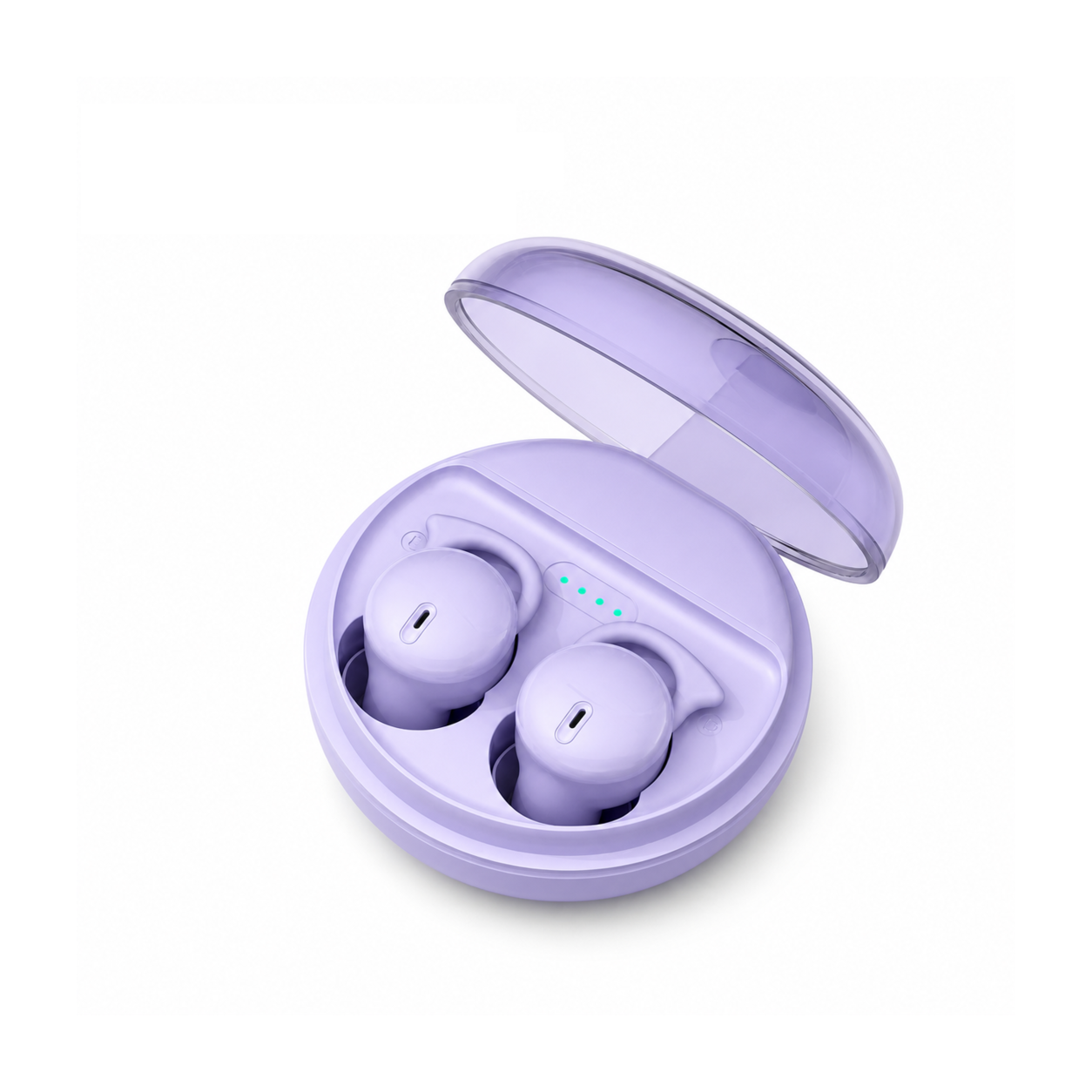
 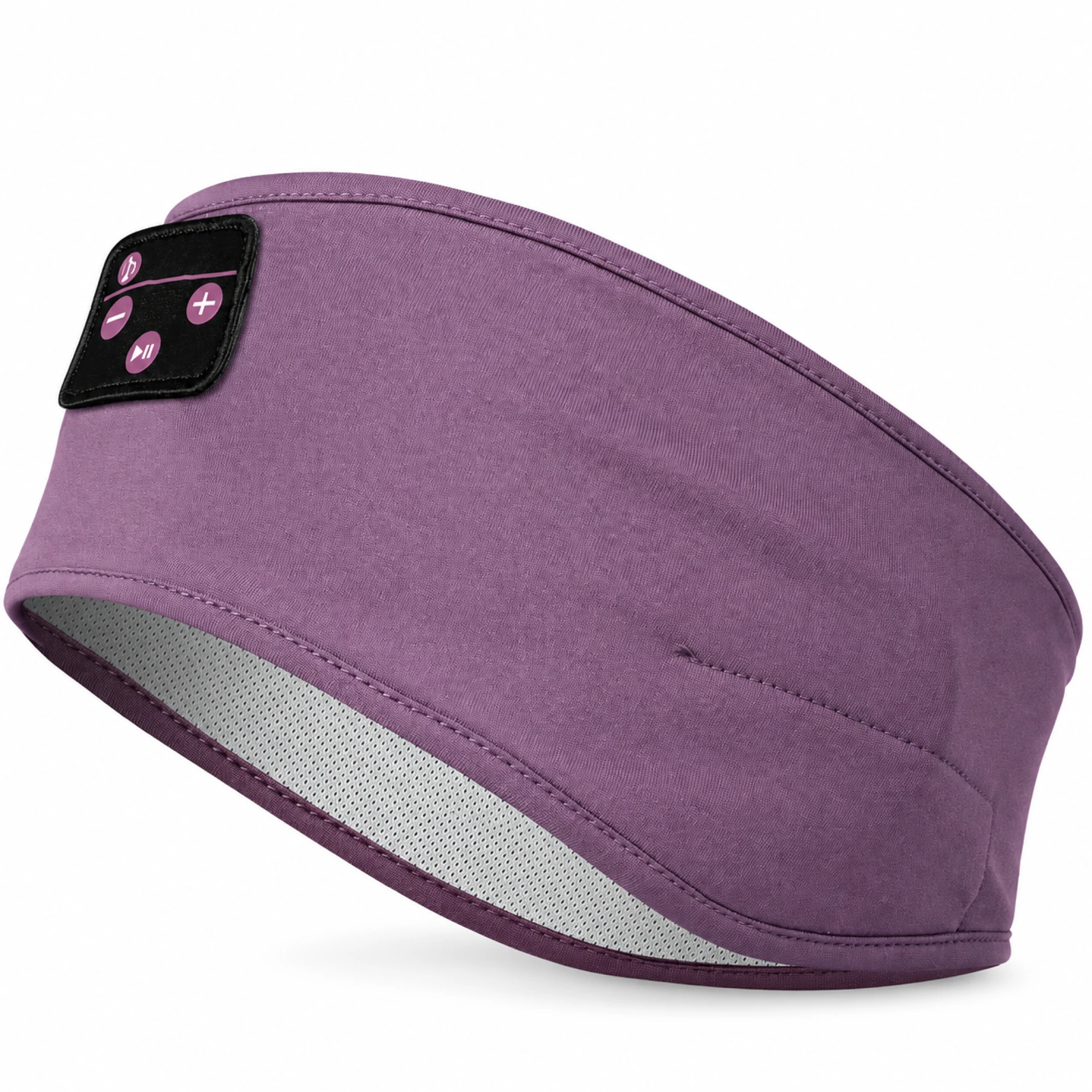 Purple Sleep Headband Headphones with Triangle Controls
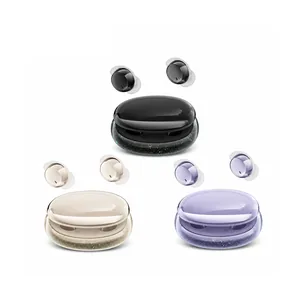
 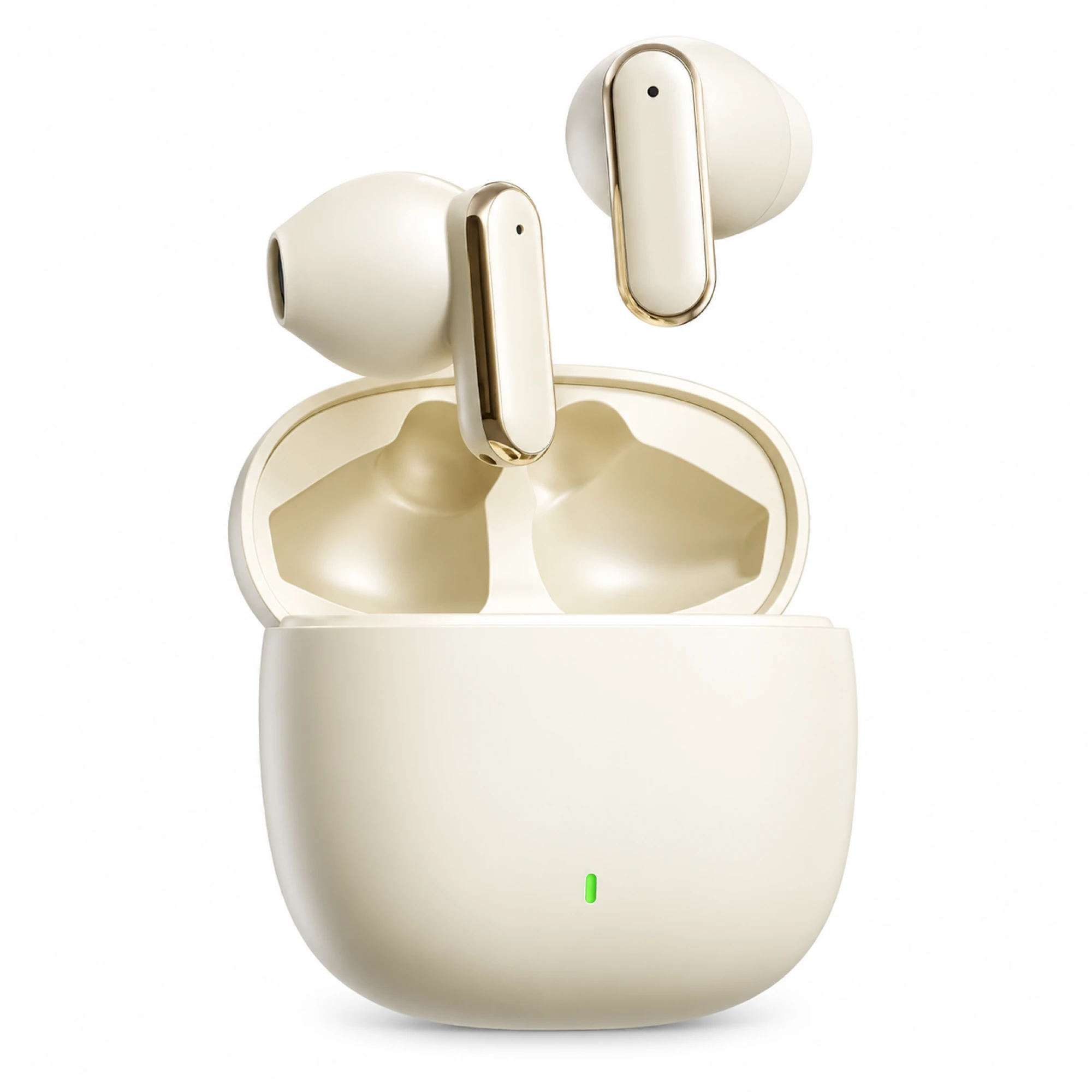 Cream Reflective-Stem Wireless Earbuds
  IN-01 White ANC Earbuds with Pale Blue Case Interior
 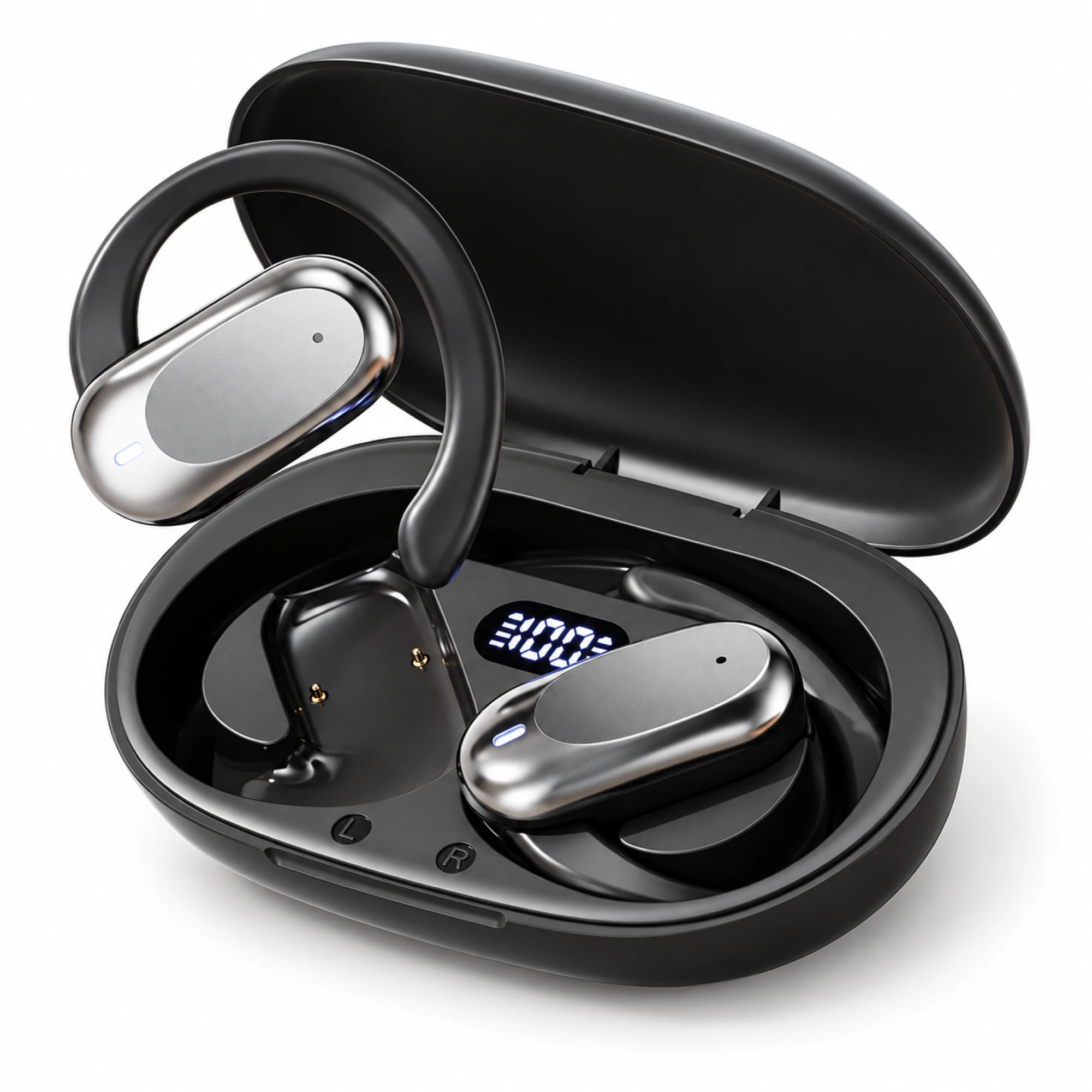 Silver Capsule Open-Ear Earbuds
 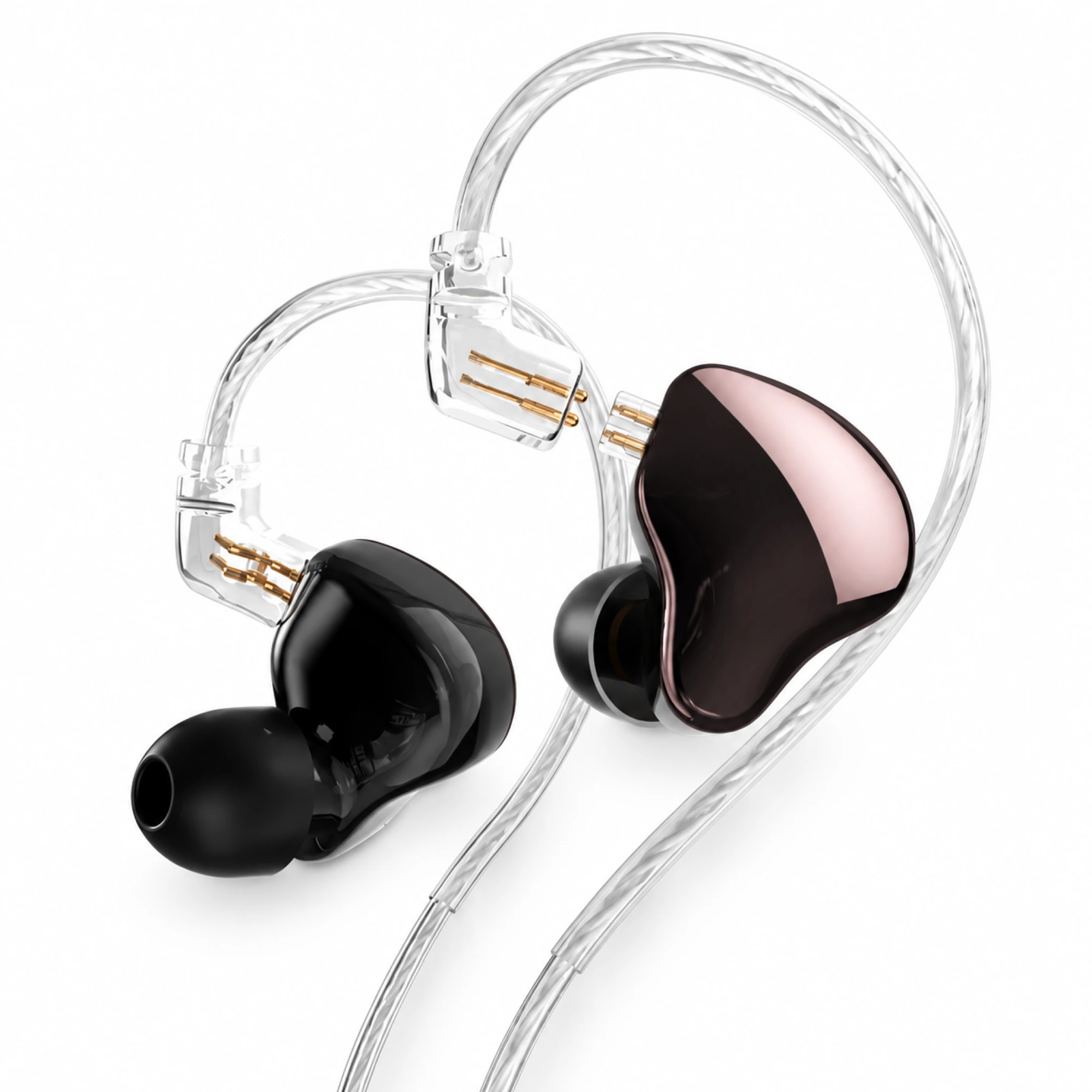 MN Rose-Metallic Detachable In-Ear Monitors
 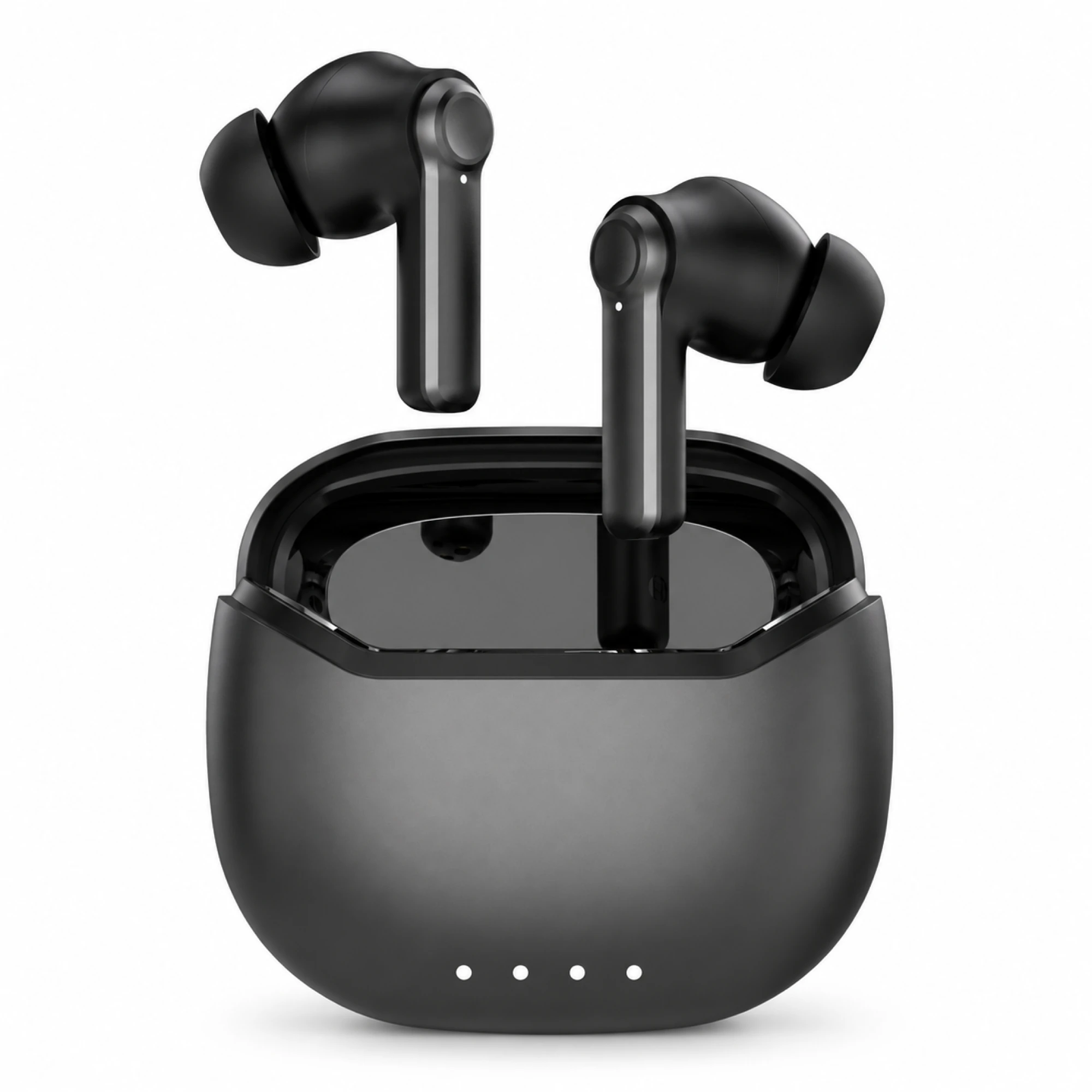 Black ANC Earbuds with Four-Indicator Case
On radiofrequency exposure, are wired headphones safer than wireless is not a question the current evidence answers in the cable's favour: US agencies have not linked this exposure to health problems, and an earbud transmits at a small fraction of the phone's power. On hearing, the two are identical. Level and duration decide, and a cable changes neither.

Four questions are sharing one word
"Safer" is doing a lot of work here, and the things it can mean point in different directions.
| What "safer" might mean | Cable helps? | Where the evidence sits |
|---|---|---|
| Radiofrequency exposure | Slightly, from the smaller source | Not linked to health problems by FDA or NCI; questions remain open |
| Noise-induced hearing loss | No | Well documented; driven by level and duration alone |
| Hearing traffic around you | No | Set by isolation and volume, never by the connector |
| Battery near the ear | Yes, for a passive pair | A cable holds no cell; a sealed earbud does |
Only the second row is measured and beyond dispute, and it is the row where the cable makes no difference at all.
The radio question, with the numbers attached
Start with the energy. The US National Cancer Institute's fact sheet on cell phones and cancer risk places these frequencies in "the nonionizing range of the spectrum, which is low frequency and low energy. The energy is too low to damage DNA." On outcomes, the FDA's position on whether cell phones pose a health hazard is one sentence: "The weight of scientific evidence has not linked cell phone radio frequency radiation with any health problems." NCI lands in the same place, saying "the evidence to date suggests that cell phone use does not cause brain or other kinds of cancer in humans."
Then the number that reframes it, from the same NCI page: "wireless (Bluetooth) devices (such as headphones and earbuds) use short-range signals that typically transmit radiofrequency waves at power levels 10–400 times lower than cell phones." The earbud is the weakest transmitter in the pairing by one to two orders of magnitude.
Which leads to the part that gets left out of the argument. NCI's advice for concerned users is that "use of wired or wireless headsets reduces the amount of radiofrequency radiation exposure to the head because the phone is not placed against the head." Wired or wireless. A Bluetooth earbud is not what that advice tells you to avoid; it is one way of doing what it asks, since "the SAR decreases very quickly as the distance to the exposure source increases."
Where the evidence is genuinely thin
Anyone who has read that radiofrequency fields are classified as possibly carcinogenic has read something true, and it deserves a straight answer. In 2011 an IARC working group classified cell phone use as "possibly carcinogenic to humans," on a basis NCI summarises as limited evidence in humans, limited evidence in rodents and inconsistent mechanistic evidence. The category describes how much is known, and not how dangerous something is.
Results point both ways, and the ones pointing towards harm have not vanished. NCI records Interphone's "statistically significant, although small, increase in the risk of glioma" among the heaviest callers, and CERENAT, where "the heaviest users had significantly increased risks of both gliomas and meningiomas." Against those sit stable brain-cancer incidence rates across decades of surging phone use, and no association in the Danish, Million Women or COSMOS cohorts.
ICNIRP, whose limits most regulators rely on, states on its mobile phones page that "RF EMF exposure below the thermal threshold is unlikely to be associated with adverse health effects," while acknowledging "a slight increase in risk of some brain tumors" among long-term heavy phone users. WHO's answers on electromagnetic fields conclude that "current evidence does not confirm the existence of any health consequences from exposure to low level electromagnetic fields. However, some gaps in knowledge about biological effects exist."
One gap is specific to this question: nearly all of that research studies phones held against the head, and not earbuds worn all day, and we are not aware of a long-term cohort study of the latter. "No evidence of harm, at exposures far below the ones studied" is accurate. "Proven safe for this habit" is not.
The risk that is measured, and the cable does not touch it
The hazard nobody disputes sits in the same product. NIDCD's page on noise-induced hearing loss gives plain numbers: sounds "at or below 70 A-weighted decibels (dBA), even after long exposure, are unlikely to cause hearing loss," while "long or repeated exposure to sounds at or above 85 dBA can cause hearing loss." Its list of familiar sounds puts "music through headphones at maximum volume" at 94–110 dBA.
Notice what is absent. Those sentences name a level and a time, and say nothing about transducers, codecs or connectors, because the cochlea cannot tell how the signal arrived. Asking whether wired earbuds are safer than wireless ones for hearing asks something the physiology does not distinguish. WHO's safe listening guidance works the same way: a weekly dose budget, indifferent to the cable.
Two indirect effects, both our reading of the mechanism and not measured findings. A passive wired pair never runs out, and battery life is a crude accidental timer; remove it and nothing interrupts a long listen. And cancellation is a wireless-side lever on volume: if you turn the music up to beat a train, quieting the train lets you turn it back down. Our explainer on ANC, ENC and passive isolation separates the three, and how loud sleep earbuds should be puts a number on dose control.
One health effect NCI states without hedging is not the one people search for: "the most consistent health risk associated with cell phone use is distracted driving and vehicle accidents." The documented harm from the device is attention. Extending that to headphones is our reading and not NCI's claim, but it points somewhere useful, because what you can hear around you matters more than what your earbuds are made of.
If a product causes pain, irritation, ringing or a noticeable hearing change, stop using it and seek qualified care.
The two listings on our shelf that state a ceiling
We sell the format under suspicion, so read this knowing our incentives. No listing in our range publishes a transmit power, a SAR figure or an FCC ID, and neither do most shops selling the same class of product. We cannot tell you what our earbuds emit.
What some of our listings do state is a volume limit, which addresses the hazard that is actually documented. The Kids Volume-Limited Wireless Headphones ($22.99 at the price listed today) specify "a safe 94 dB limit". Against NIDCD's 85 dBA line, 94 dB is a ceiling and not a safe level, so treat it as a cap on the worst case rather than a target. The Noise Cancelling True Wireless Earbuds ($27.99 at the price listed today) state cancellation, ENC calling and an IPX water rating, and no decibel figure of any kind. The rest of the range sits in everyday wireless earbuds.
If you would rather use a cable anyway
That is a legitimate preference and we will not argue you out of it. Plenty of people prefer wired headphones for reasons unrelated to health: no pairing, no charging, no delay. If exposure is the motive, though, spend the effort where the numbers are larger.
- Keep the phone off your head and body during calls; distance does the work.
- Avoid long calls on a weak signal, since the phone raises its power to compensate.
- Text instead of calling where practical, but never while driving.
- Cut total call time, which is where the exposure actually comes from.
- Choose the connector you prefer, knowing it is the smallest of the five.
Persistent ringing, muffled hearing, ear pain or a hearing change that outlasts a listening session are reasons to see a clinician, whichever kind of headphone produced them.
Questions about cables, radios and hearing
Which is better for your health, wired or wireless headphones?
For hearing, neither. Risk is set by how loud you listen and for how long, and both deliver the same pressure to the same cochlea. On radiofrequency exposure, FDA and NCI do not link it to health problems, and an earbud transmits far below the phone anyway. The gap between the two formats is smaller than the gap between listening at 70% and at 90%.
Does a cable remove the radiofrequency exposure altogether?
No, because the phone is still transmitting. A cable removes one emitter that NCI places 10–400 times below the phone, and leaves the strong one in your hand or your pocket. That is why the standard advice names wired or wireless headsets in the same breath: both move the phone away from your head, which is the change that matters.
Does a stated 94 dB cap make a pair safe for a child?
Not on its own. A cap is only as useful as the figure behind it. Our kids model states 94 dB, which sits above the 85 dBA line NIDCD associates with damage over long or repeated exposure. A cap stops the top of the range; it does not manage the hours below it.