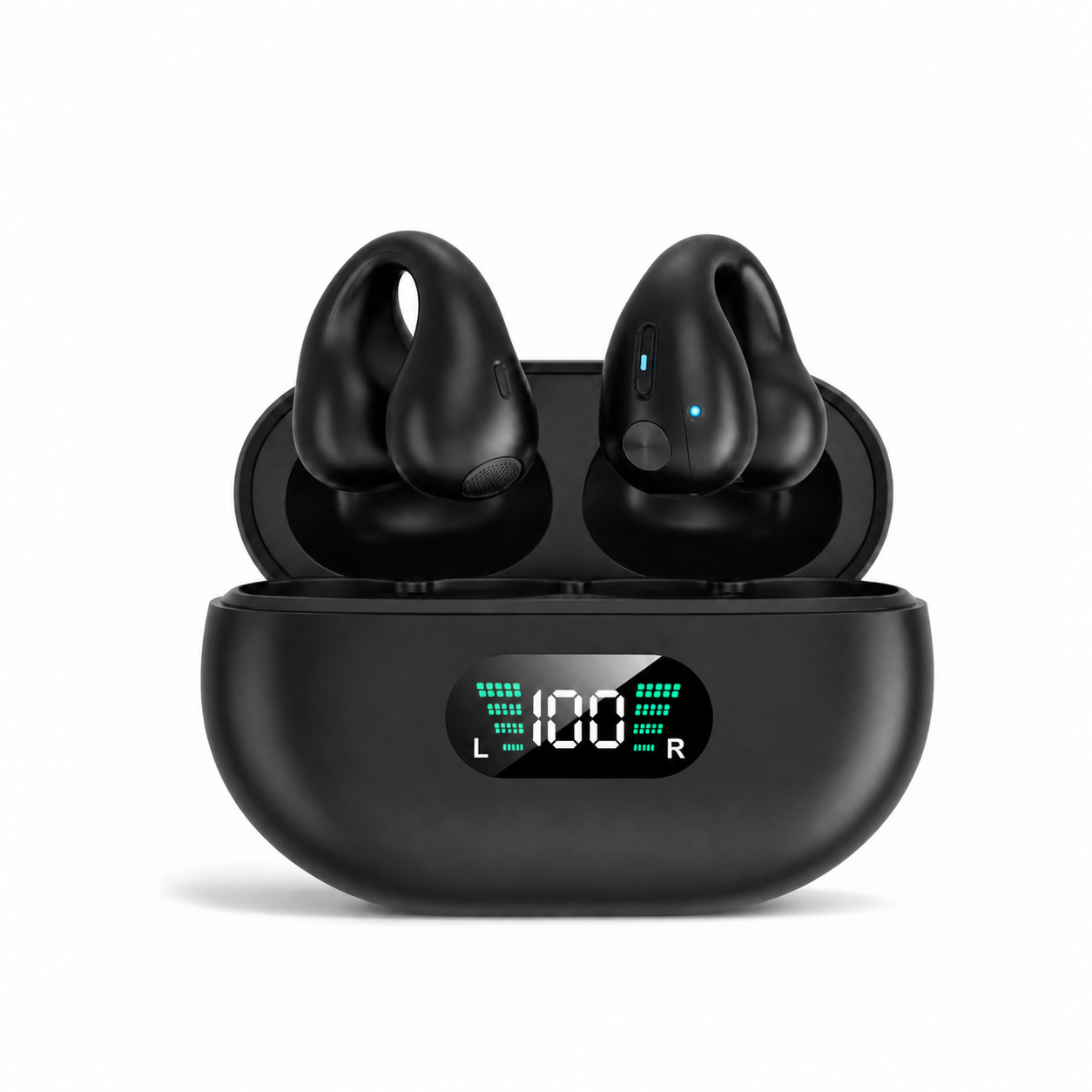
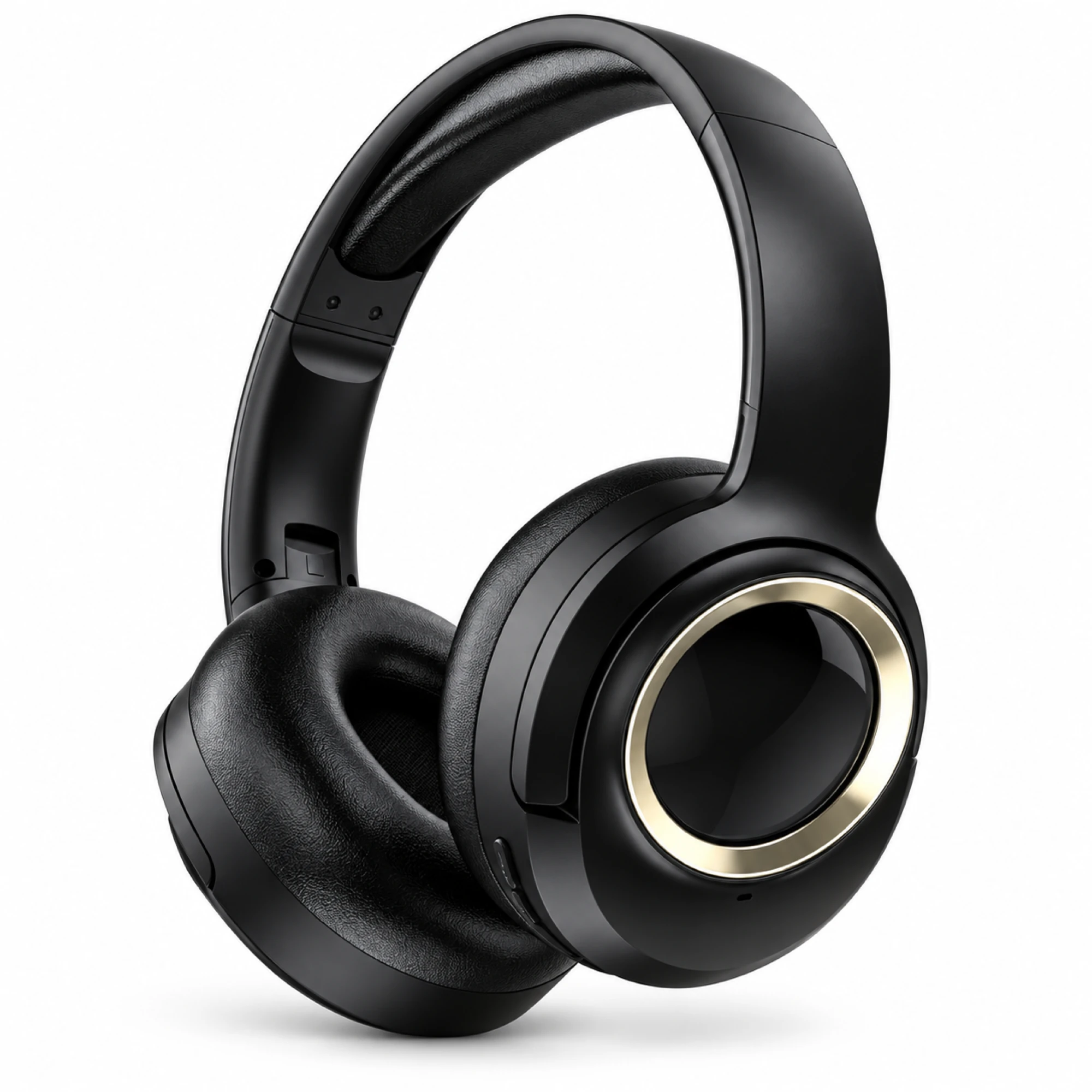
 MX-21 Black and Gold Wireless Headphones
 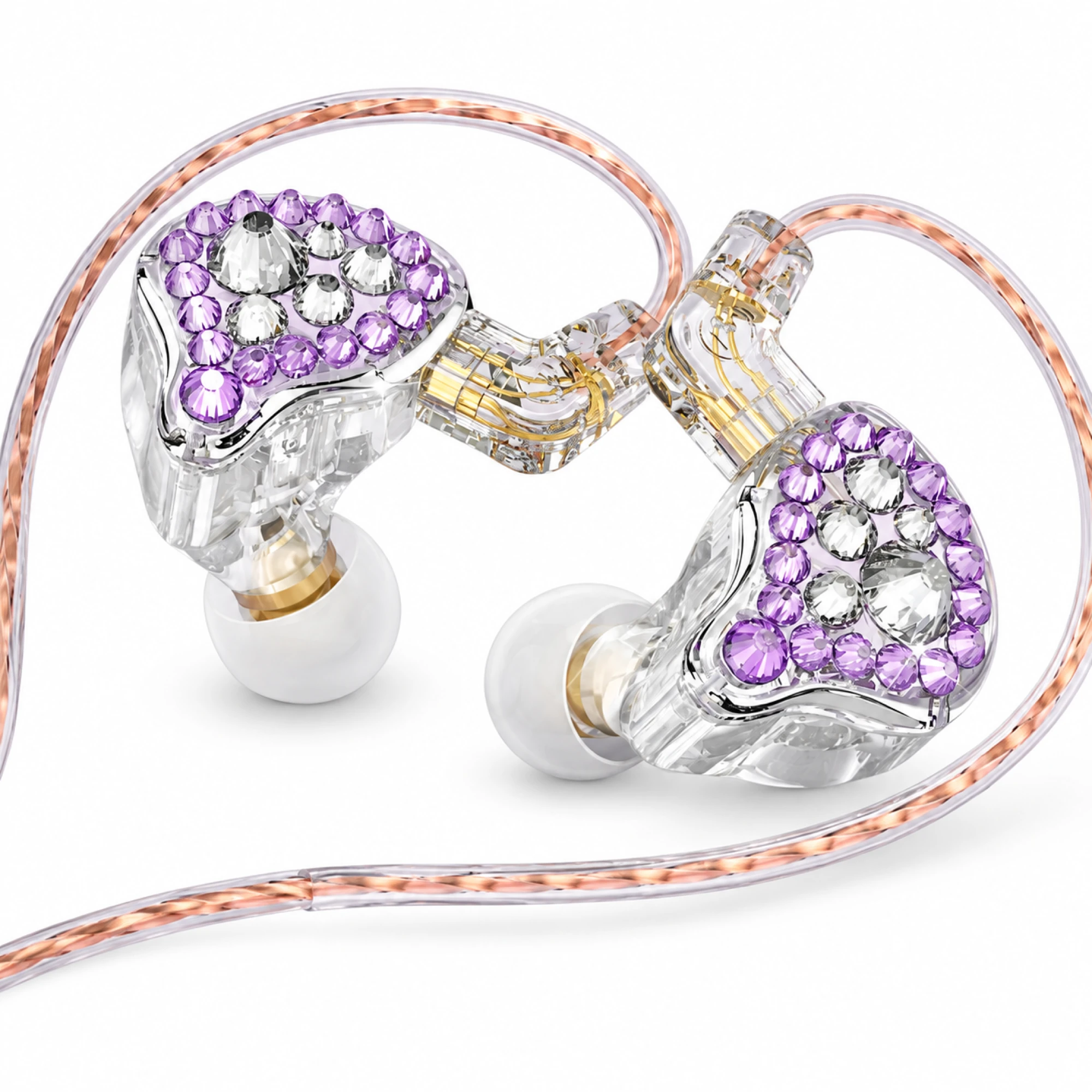 Q2 Pro Purple Crystal In-Ear Monitors
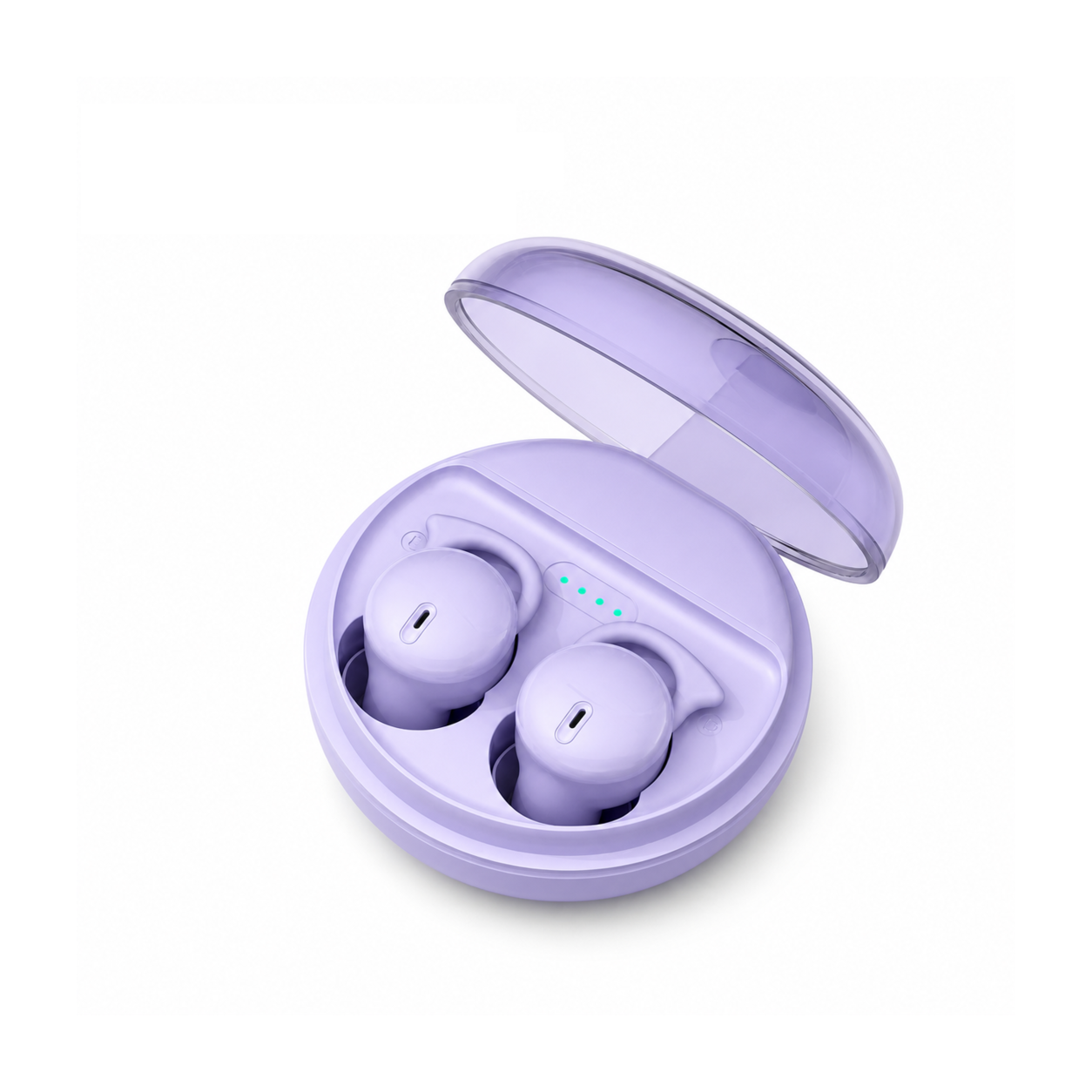
 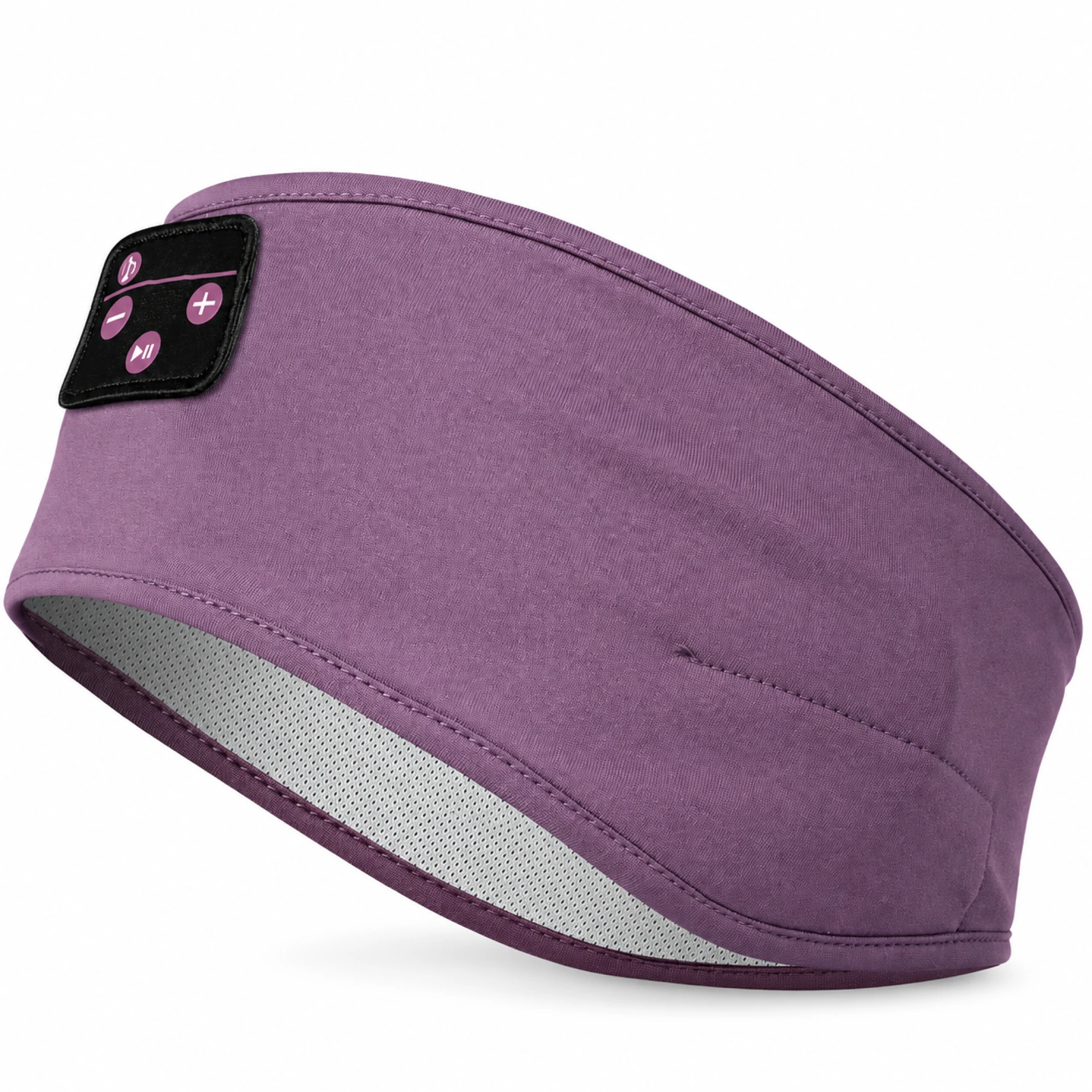 Purple Sleep Headband Headphones with Triangle Controls
 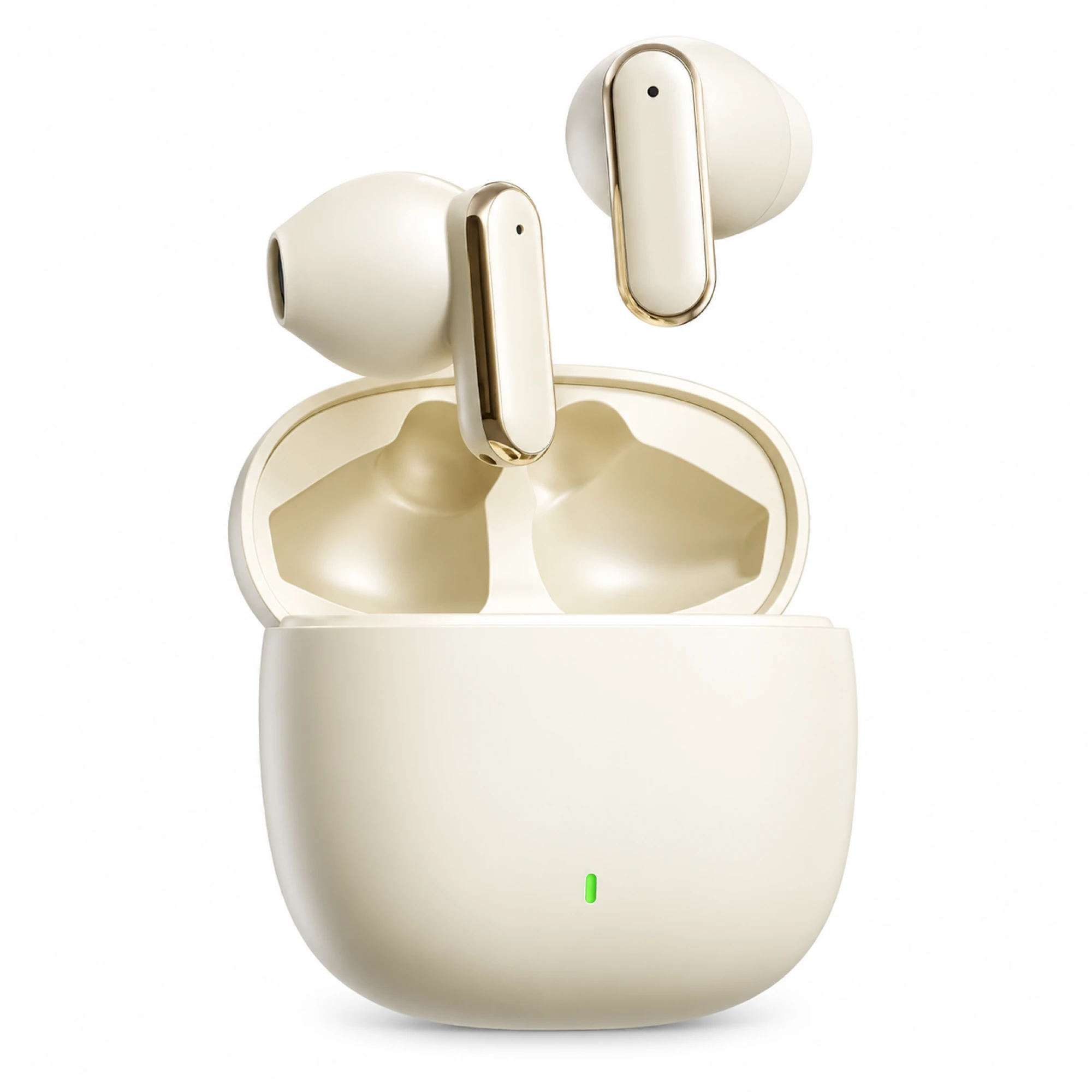 Cream Reflective-Stem Wireless Earbuds
 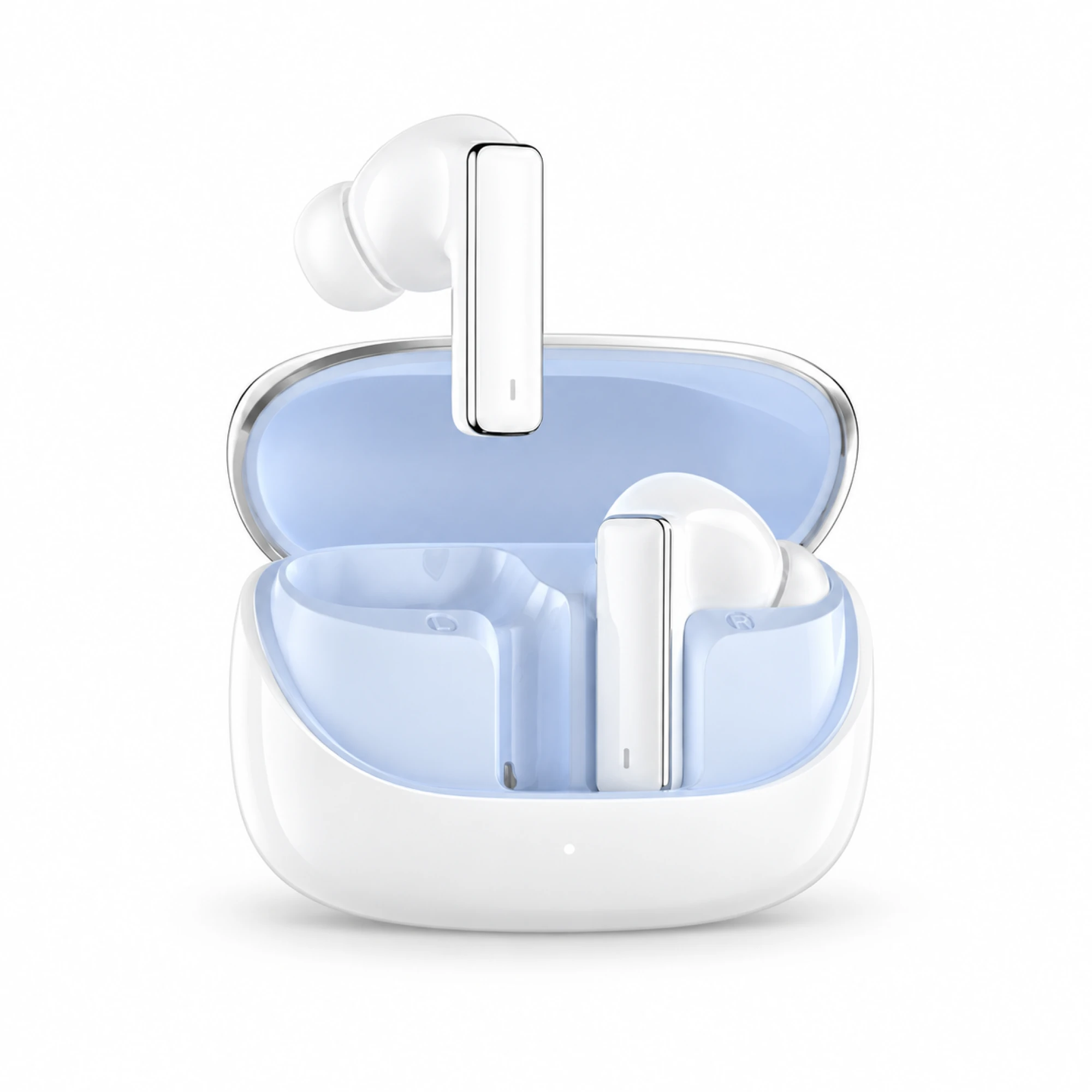 IN-01 White ANC Earbuds with Pale Blue Case Interior
 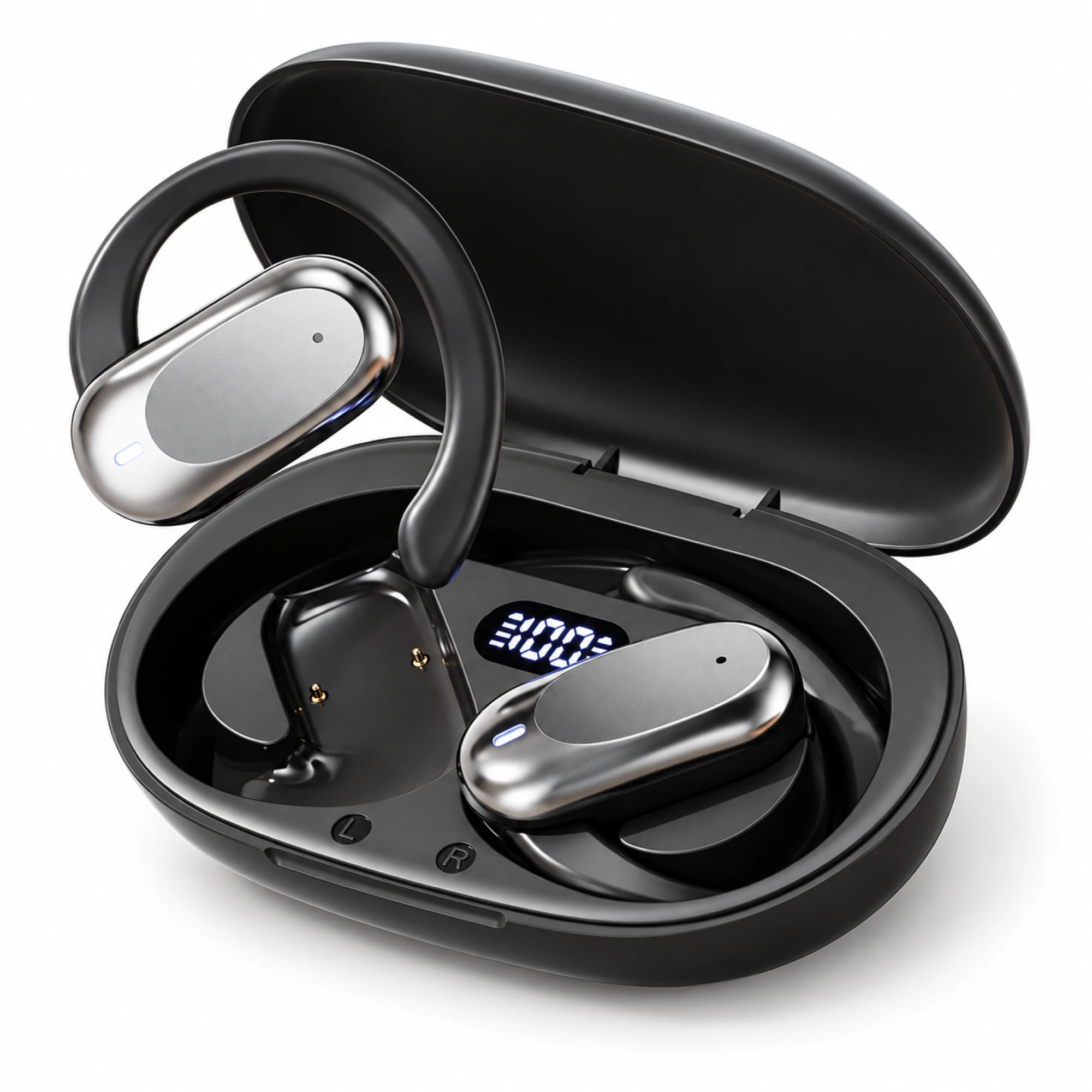 Silver Capsule Open-Ear Earbuds
 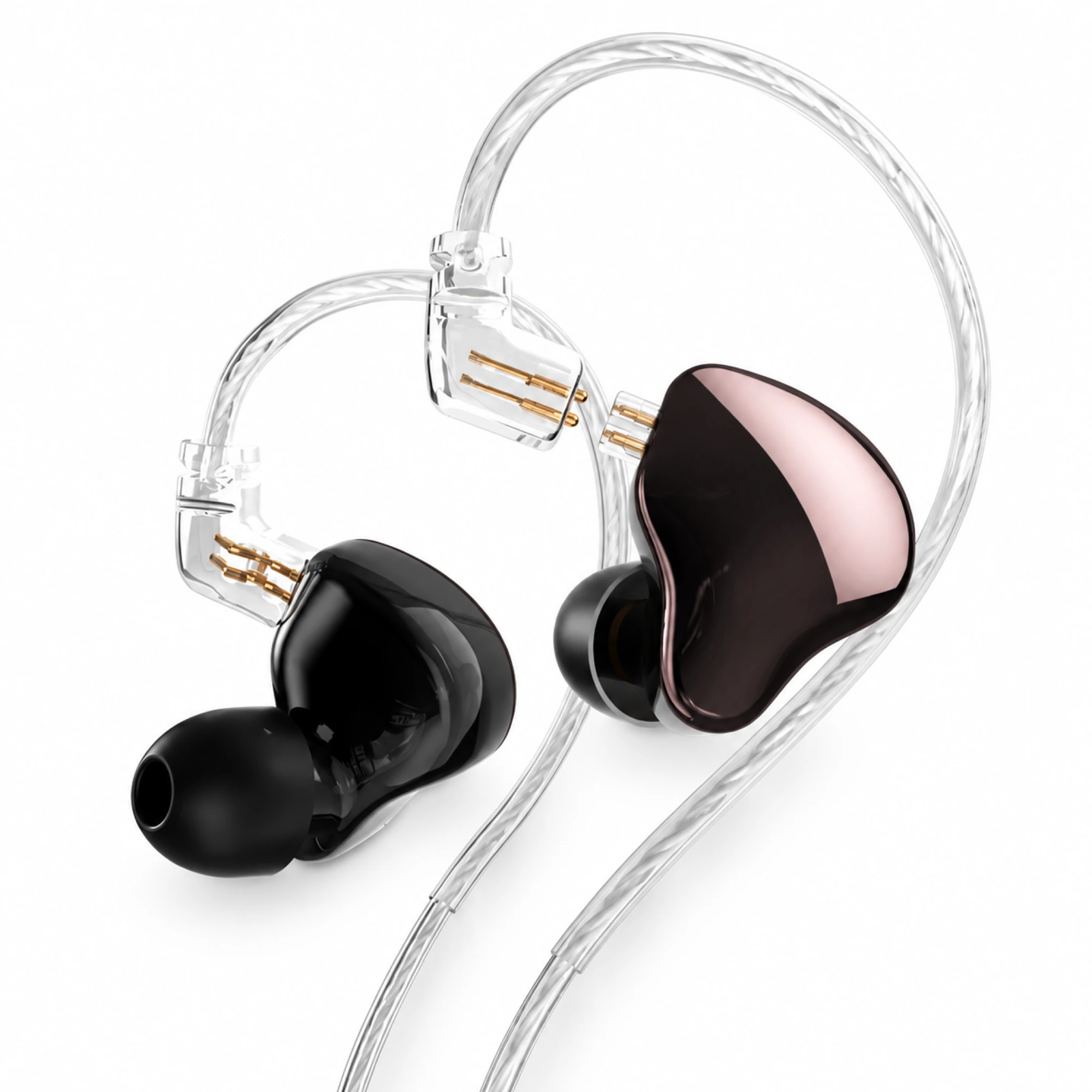 MN Rose-Metallic Detachable In-Ear Monitors
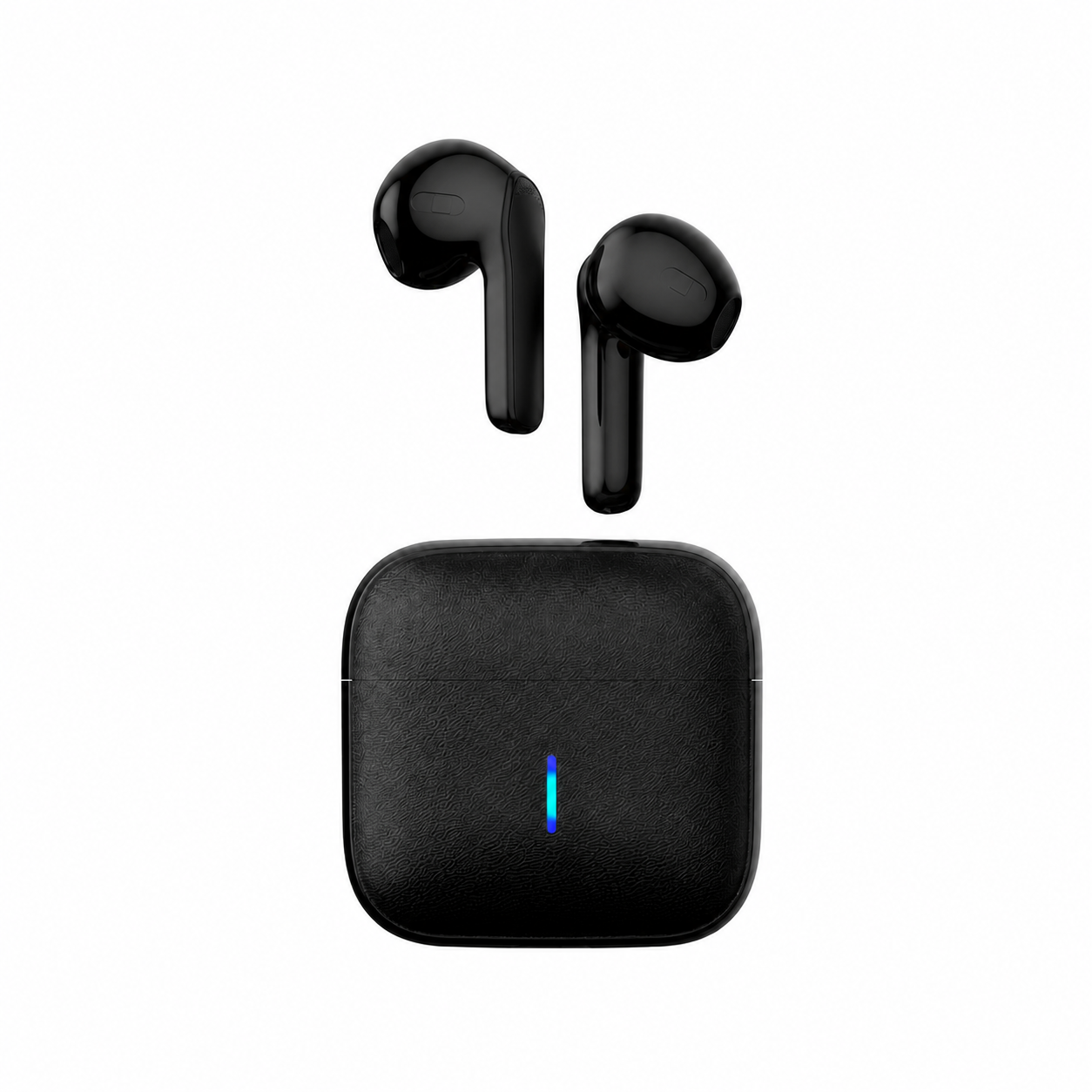
 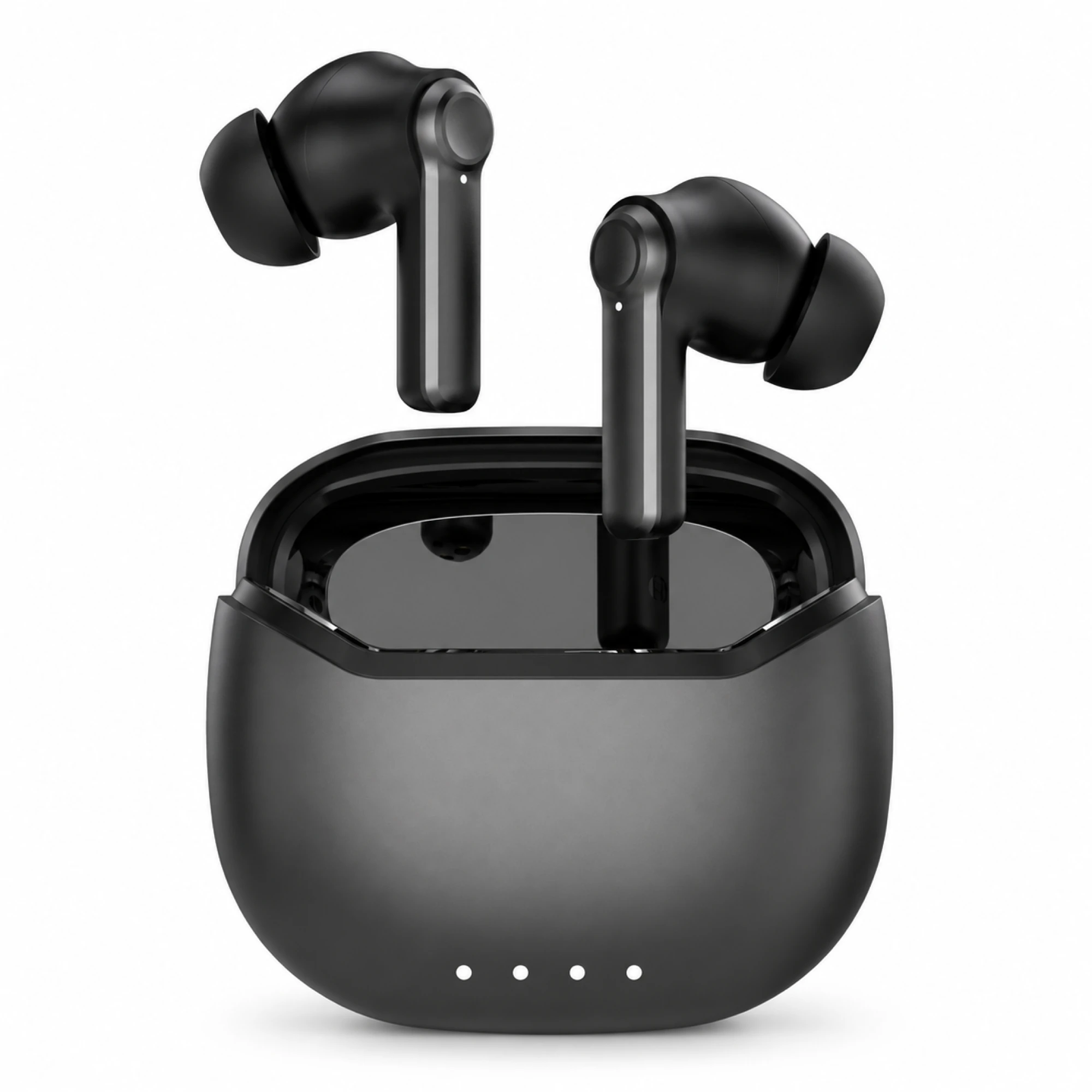 Black ANC Earbuds with Four-Indicator Case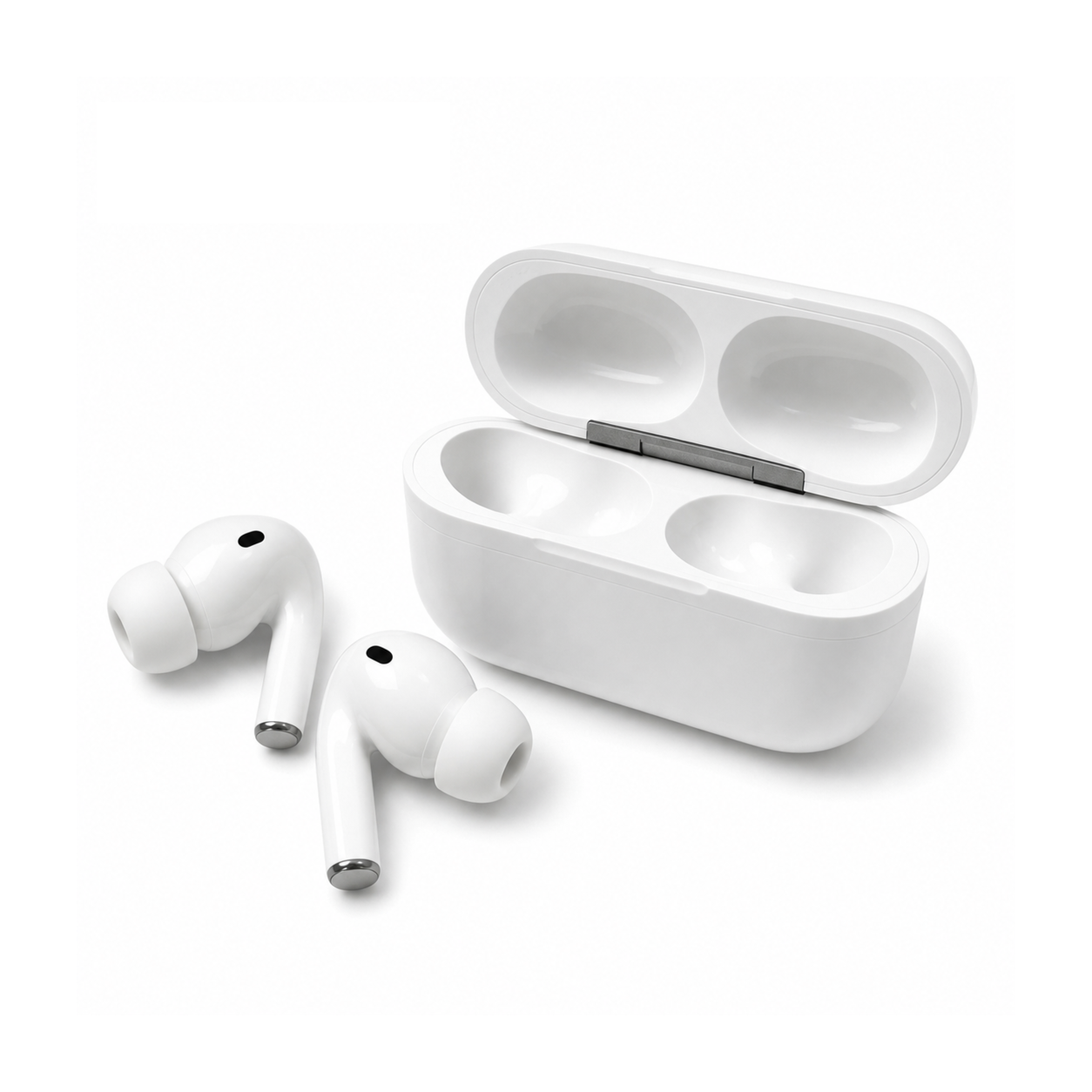
Most replacement earbuds eartips fail for hardware reasons, not sizing ones. Before buying a pack, check four things: what your earbuds mount tips on, whether the tip bore matches that mount, whether the earbud still charges in its case, and how firmly the tip grips. Sizing only matters once those four pass.
Tips are sold in size sets, which implies size is the variable. So people buy a five-pair pack, find them loose or the case lid no longer shutting, and conclude they bought the wrong size. Usually they bought the wrong mount. If you already know your earbuds take the tips, choosing ear tip size without guessing is the page you want.
Check 1: identify what your earbuds mount tips on
Pull a tip off and look at what is left. You will see one of three things, and the third catches people out.
- A round nozzle with a raised ridge. The bore stretches over it and the ridge stops the tip sliding off. This is the closest the category has to a standard, and where generic eartips for earbuds have any chance.
- A round nozzle with no ridge. Friction alone holds the tip. A slightly oversized bore feels attached in your fingers and separates in your ear.
- A proprietary, non-round connector. Apple's AirPods Pro instructions tell you to "line up the ear tip with the oval-shaped connector" and push until "you feel and hear it click into place", and state that "ear tips are not interchangeable between models." That mount will not take a round generic tip in any size.
Proprietary does not mean unbuyable. Third-party makers cut tips per model and say so: Comply's memory foam eartips for AirPods Pro 3 carry the line "These tips are NOT COMPATIBLE with AirPods Pro Gen 1 & 2." One generation apart, incompatible. Treat any pack claiming to fit everything with suspicion.
Check 2: match the bore, not just the flange
Two numbers describe a tip. The flange seals against your canal, and that is what S, M and L refer to. The bore is the inner tube gripping the nozzle, and it decides whether the tip stays on. They vary independently.
| Measure | What it controls | What goes wrong if it is off |
|---|---|---|
| Bore diameter | Grip on the nozzle | Too wide, it pulls off in your ear; too narrow, it will not seat |
| Bore depth vs nozzle length | How far the tip seats | A short bore on a long nozzle leaves the tip perched |
| Retaining ridge | Mechanical grip or friction only | No ridge means no backstop; bore fit alone is holding it |
| Flange diameter (S/M/L) | Seal and comfort | Leaks, thin bass, or pressure |
| Overall tip height | Seating in the charging case | Case will not close, or the contacts do not meet |
Keep one stock tip and compare candidates against it: bore opening, tube depth, how firmly the original resists a tug. Sellers who take compatibility seriously publish a bore measurement or a model list; a listing offering only S, M and L has not thought about it.
Check 3: the charging case is a constraint nobody puts on the packet
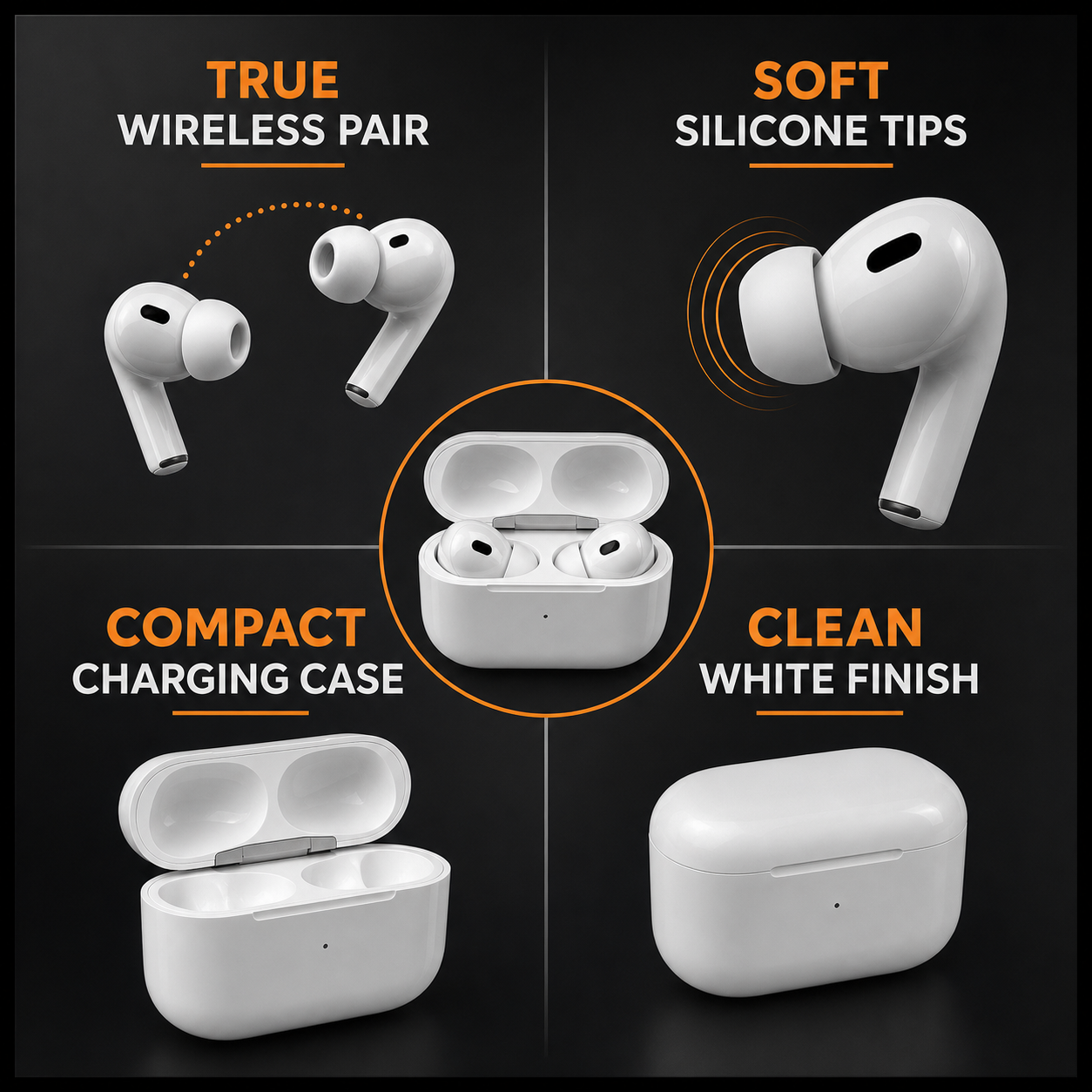
For a wired pair this constraint does not exist, which is why it goes unmentioned. A true wireless earbud sits in a moulded cradle with contacts at a fixed depth, and a taller or thicker tip lifts it a millimetre or two out. Sometimes the lid then will not close. More often it closes and the contacts stop meeting reliably, so the earbuds charge intermittently, a symptom usually blamed on the battery. Our guide to earbuds not charging in the case covers the other causes, but if the trouble began the week you changed tips, start here.
Foam is the usual culprit, since uncompressed memory foam is bulkier than a moulded silicone flange. Makers know it: Comply sells case-specific versions claimed to be "made to fit in charging case without interfering with charging", an admission that ordinary ones may not. Test before committing: fit the tips, shut the lid, wait, then confirm both sides gained charge.
Check 4: grip, tested the way the manufacturer tests it
Apple's attachment instructions end with a step worth borrowing whatever you own: "gently tug the ear tip to make sure it's secure." Repeat it occasionally, because silicone stretches with use and heat, so a bore that gripped in January can be loose by June.
How long each tip material lasts
Replacement intervals are quietly why this is a repeat purchase, and the two materials age differently. Comply's care instructions say to "replace standard Comply ear tips every three months or when they become soiled," and warn: "never use soap, detergent, or alcohol-based cleaners as they will damage the foam." That is one manufacturer describing its own product, but the shape of it holds. Foam is a consumable.
Silicone lasts longer and is judged on condition instead of the calendar. Replace it when you see:
- A tear, split or nick anywhere on the flange.
- A slack flange that no longer springs back.
- A stretched bore, where the tug test now moves it.
- Discolouration or a film that will not wash off.
- Itching that clears when you switch to a fresh pair.
Wash removable silicone tips off the earbud and dry them fully before refitting.
The failure that sends people to a clinic
This is the reason bore fit matters more than comfort: a tip that separates from the nozzle inside your ear becomes a foreign body in the ear canal, and that is a recognised clinical presentation. The Merck Manual's professional edition lists hearing aid domes among the foreign bodies found in adult ear canals, and StatPearls describes adult presentations as "fragments of hearing aids or earbuds, cotton swabs, or insects." A soft silicone dome is an awkward object to retrieve, and Merck notes such objects "may remain unnoticed until they provoke an inflammatory response, causing pain, itching, infection, and foul-smelling, purulent drainage."
The numbers argue for going straight to a specialist. StatPearls reports otolaryngologists achieving 92.9% success in removing a foreign body from the ear canal, against 64.1% for other healthcare providers. On a hundred lodged tips that is roughly twenty-nine extra cases resolved at the first attempt, and every unsuccessful attempt makes the next one harder. Do not go after it with tweezers or a swab.
If a product causes pain, irritation, ringing or a noticeable hearing change, stop using it and seek qualified care.
EARSOLE does not sell replacement tips
To be direct: we sell no silicone packs, no memory foam eartips and no adapters. The catalogue is earbuds and headphones. Your realistic sources are your earbud maker's own spares, a specialist tip brand that names your model, or a general retailer. Saying so is more use to you than inventing a reason to keep you here.
What we can be accurate about is what our own listings publish:
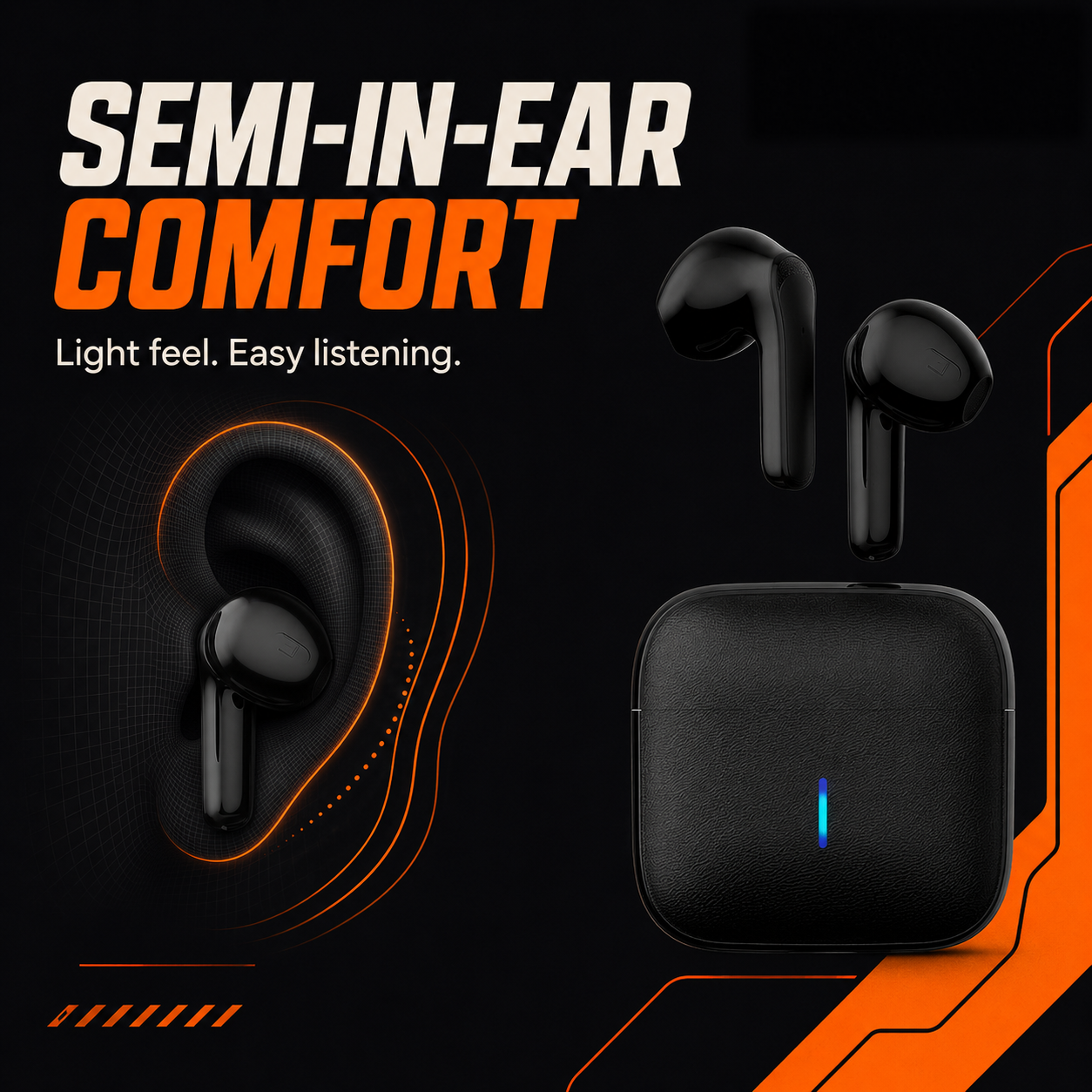
- Fit type is always stated. The Core White In-Ear Wireless Earbuds with Charging Case, $22.99 as listed today, are in-ear with soft silicone tips. The Semi-In-Ear Bluetooth Earbuds, $23.99, rest at the ear without a deep seal, and the Open-Ear Clip-On Earbuds with LED Charging Case, $28.99, sit outside the canal. The last two use no canal tips at all.
- Some listings state the tip sizes in the box, usually S/M/L, which is the flange range you own.
- None publish a nozzle diameter, bore size or ridge design, and neither does most of this category. We will not estimate one; measure your own nozzle instead.
If tips have become a recurring cost, the other option is to stop using them. Our clip-on and semi-in-ear designs need no canal seal, and both sit in the everyday wireless earbuds range alongside the sealed pairs; the honest trade-off is the passive isolation you give up, which matters on a loud commute and much less at a desk. The difference between the two shapes is set out in our semi-in-ear versus in-ear comparison.
Questions about buying replacement tips
Where can I find replacement tips for my earbuds?
Start with the maker of the earbuds, since their spares match the mount. Specialist tip brands are the safer third-party route, but only where the listing names your exact model and generation. Generic multi-size packs are worth trying only on a ridged round nozzle, where the ridge rather than the bore is doing the holding.
Are foam or silicone tips better for earbuds?
Neither wins outright. Foam conforms and usually isolates more, but it is slower to insert, harder to clean and replaced roughly every three months by its makers' own guidance. Silicone is quicker, washable, longer-lived and far less likely to interfere with the charging case. Our foam versus silicone comparison has the detail.
How can I make my earbuds fit better in my ear?
Change one thing at a time: reseat and rotate the earbud, dry the tip and your ear, then try a different size, then a different material. Left and right often land on different sizes, so fit each ear separately. If none of it holds, the constraint is likely the hardware and not the tip.
What decides whether a pack is usable
Buying eartips for earbuds is a compatibility purchase disguised as a sizing purchase. Check the mount before the size: a ridged round nozzle is the friendly case, a ridgeless one relies on bore fit alone, and a proprietary connector needs tips cut for your exact model. Match the bore, confirm the earbud still charges in its case, then tug-test the grip. Foam is roughly a three-month consumable; silicone goes on condition.