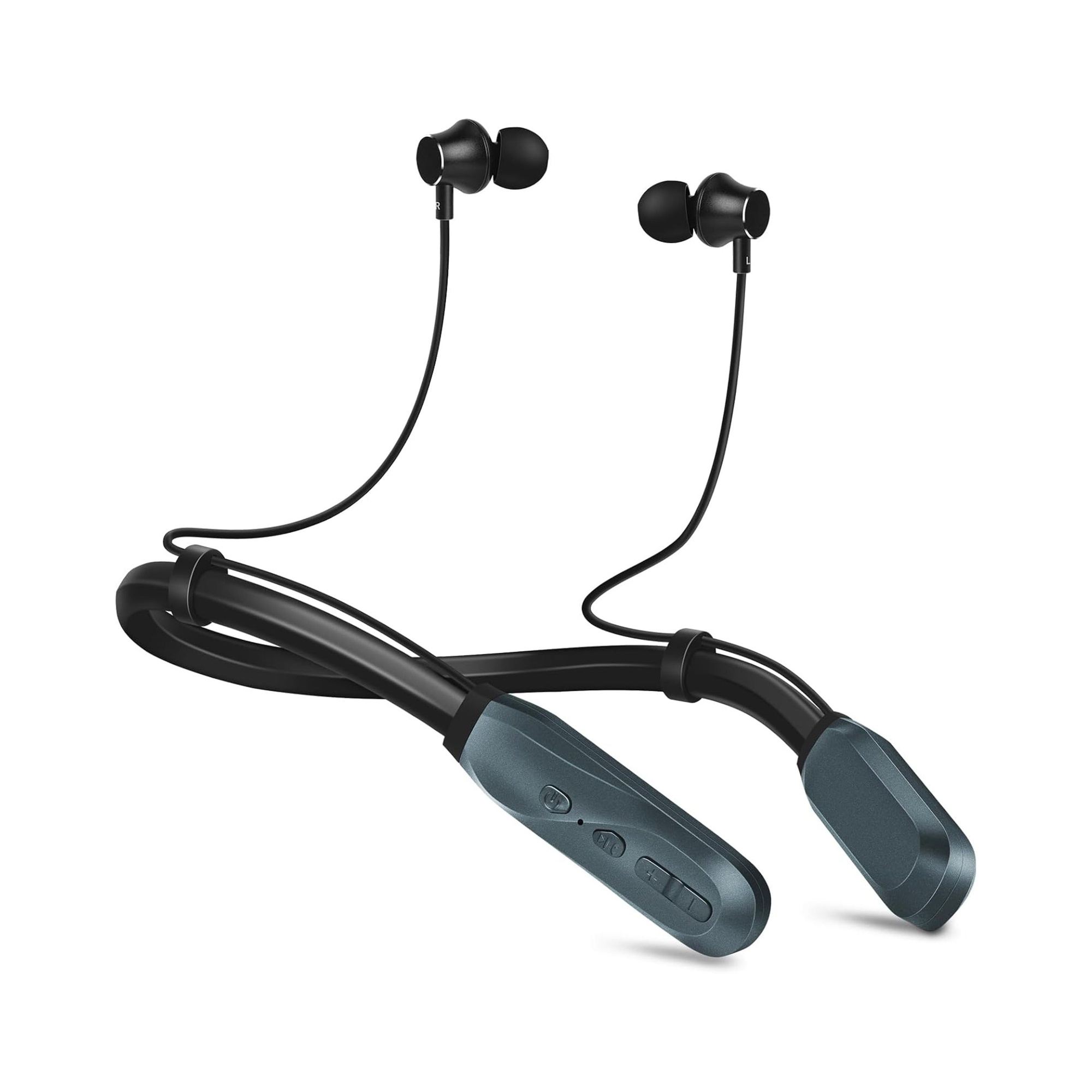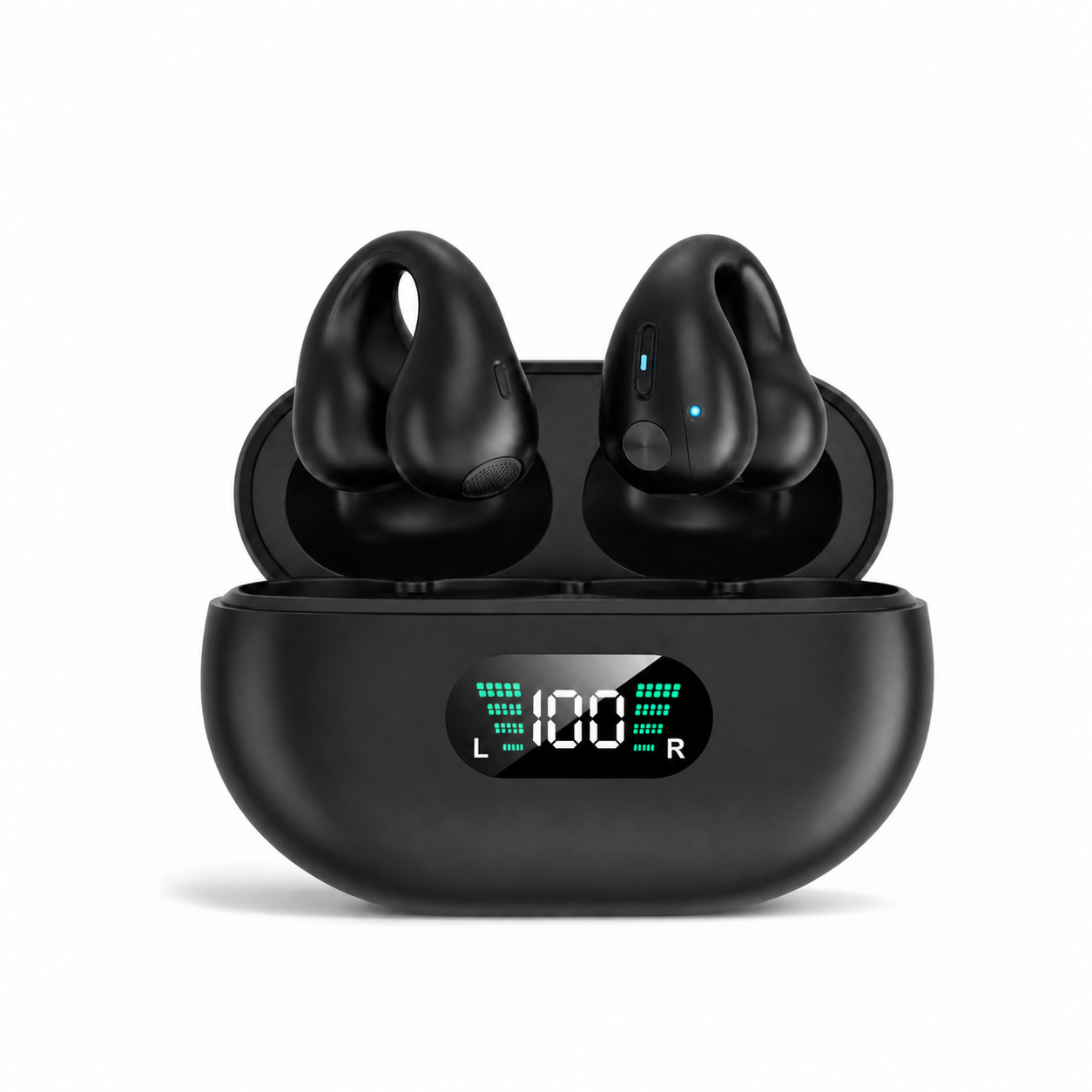
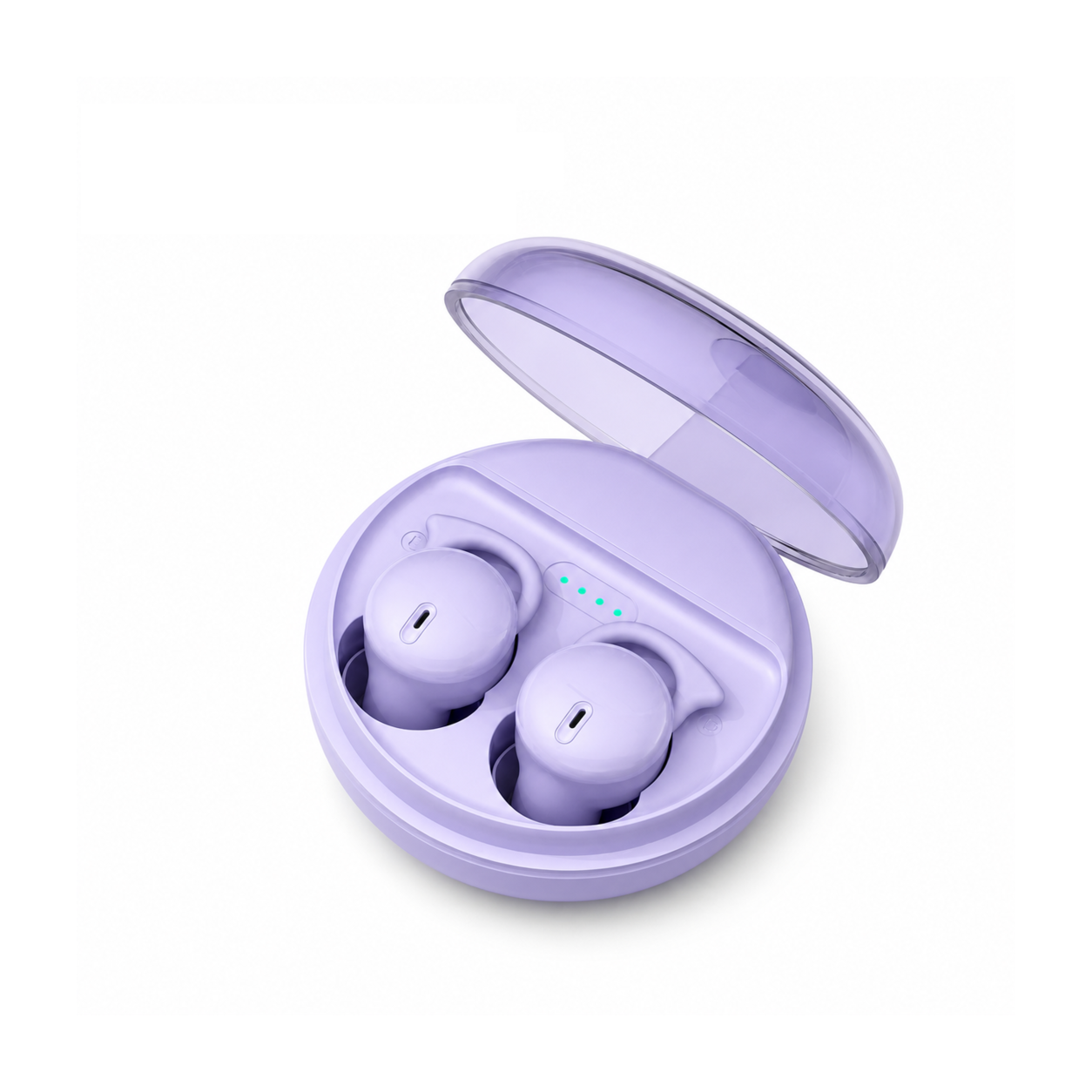
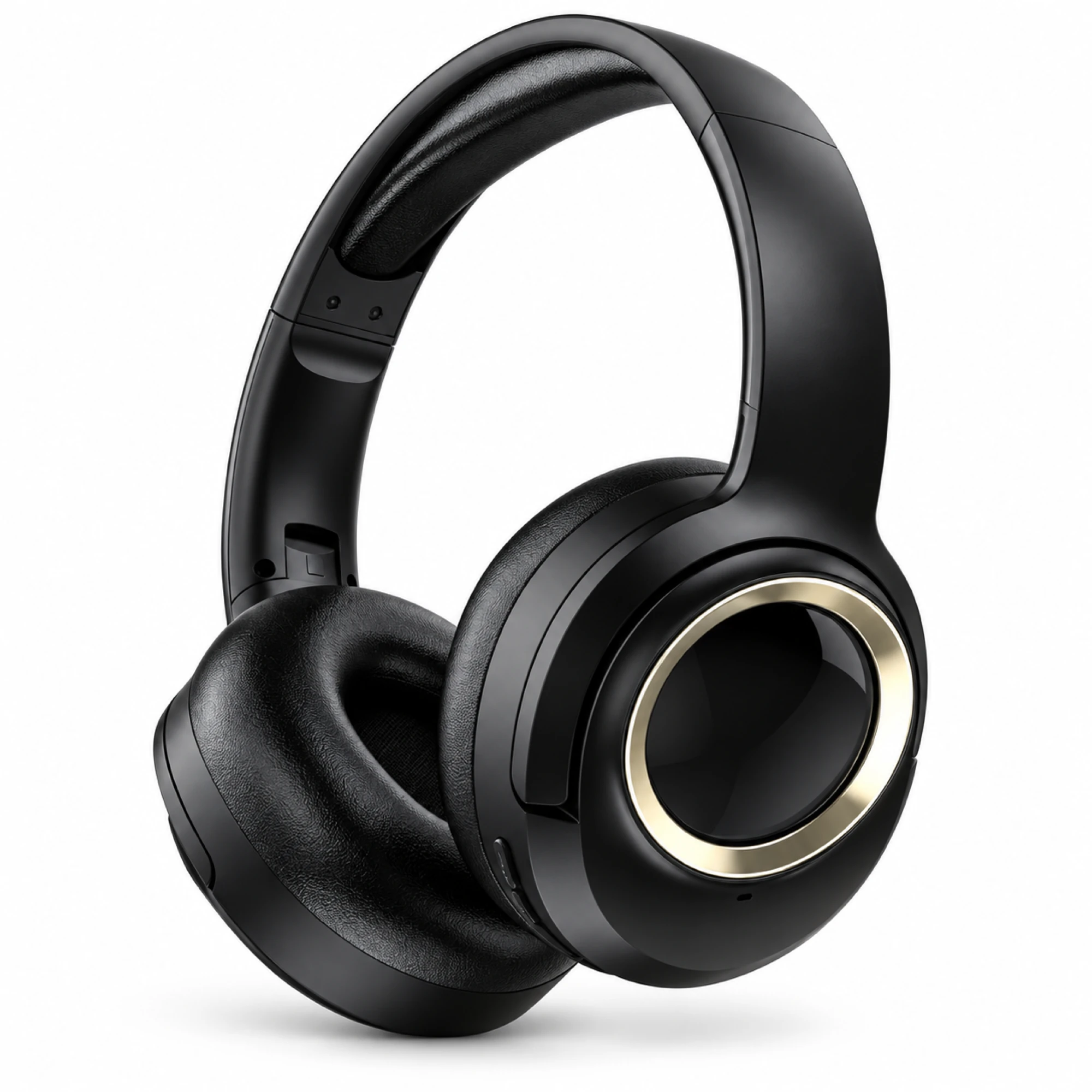
 MX-21 Black and Gold Wireless Headphones
 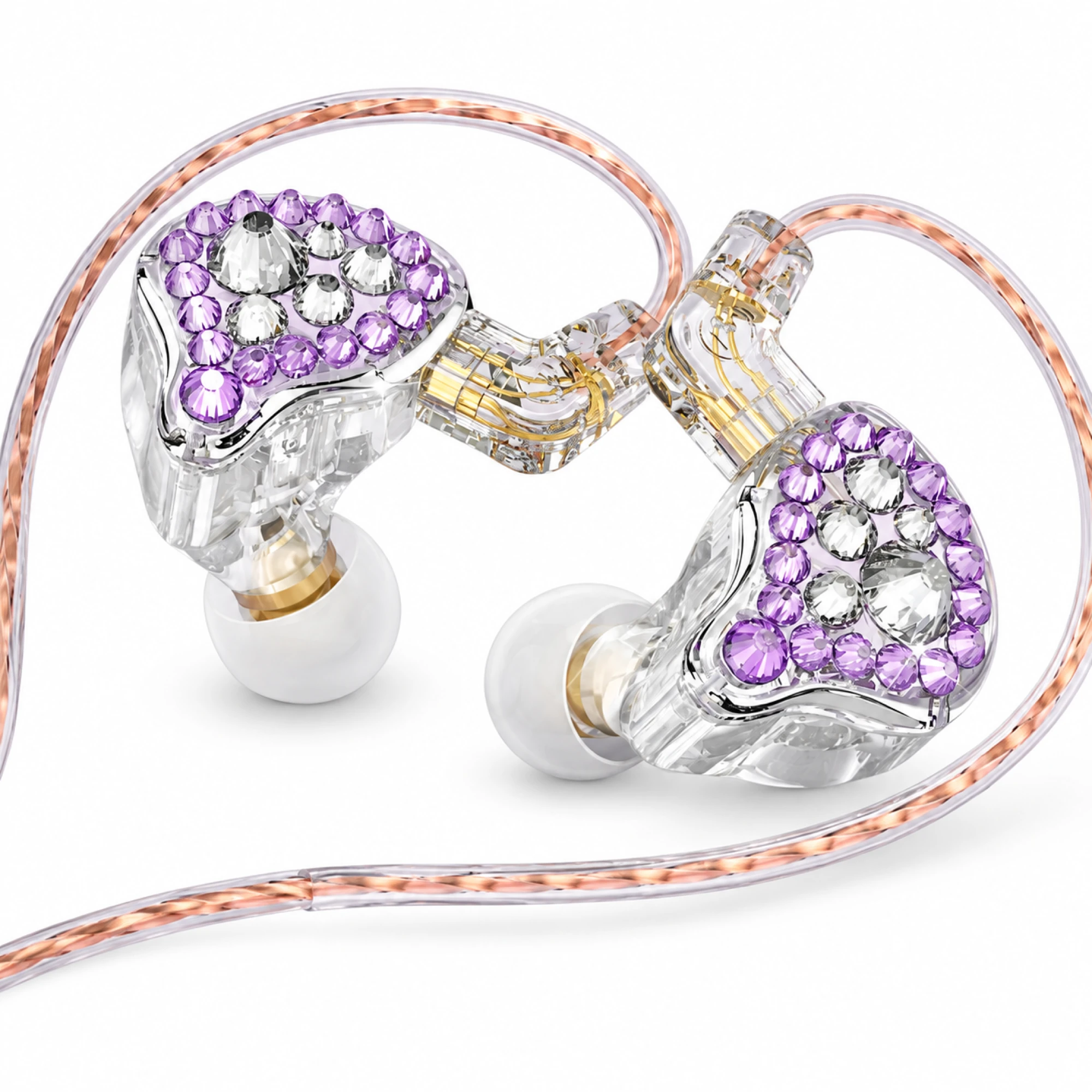 Q2 Pro Purple Crystal In-Ear Monitors
 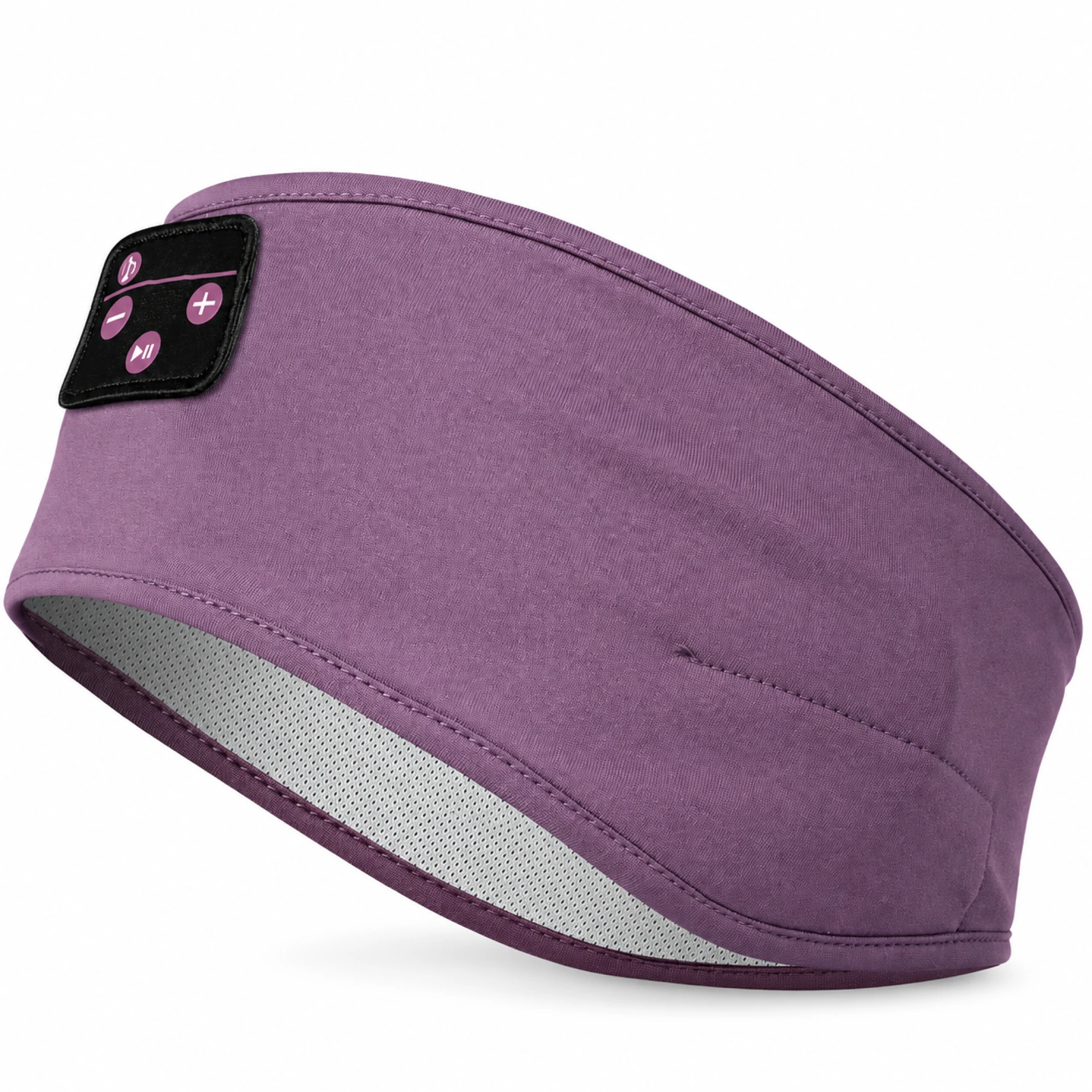 Purple Sleep Headband Headphones with Triangle Controls
 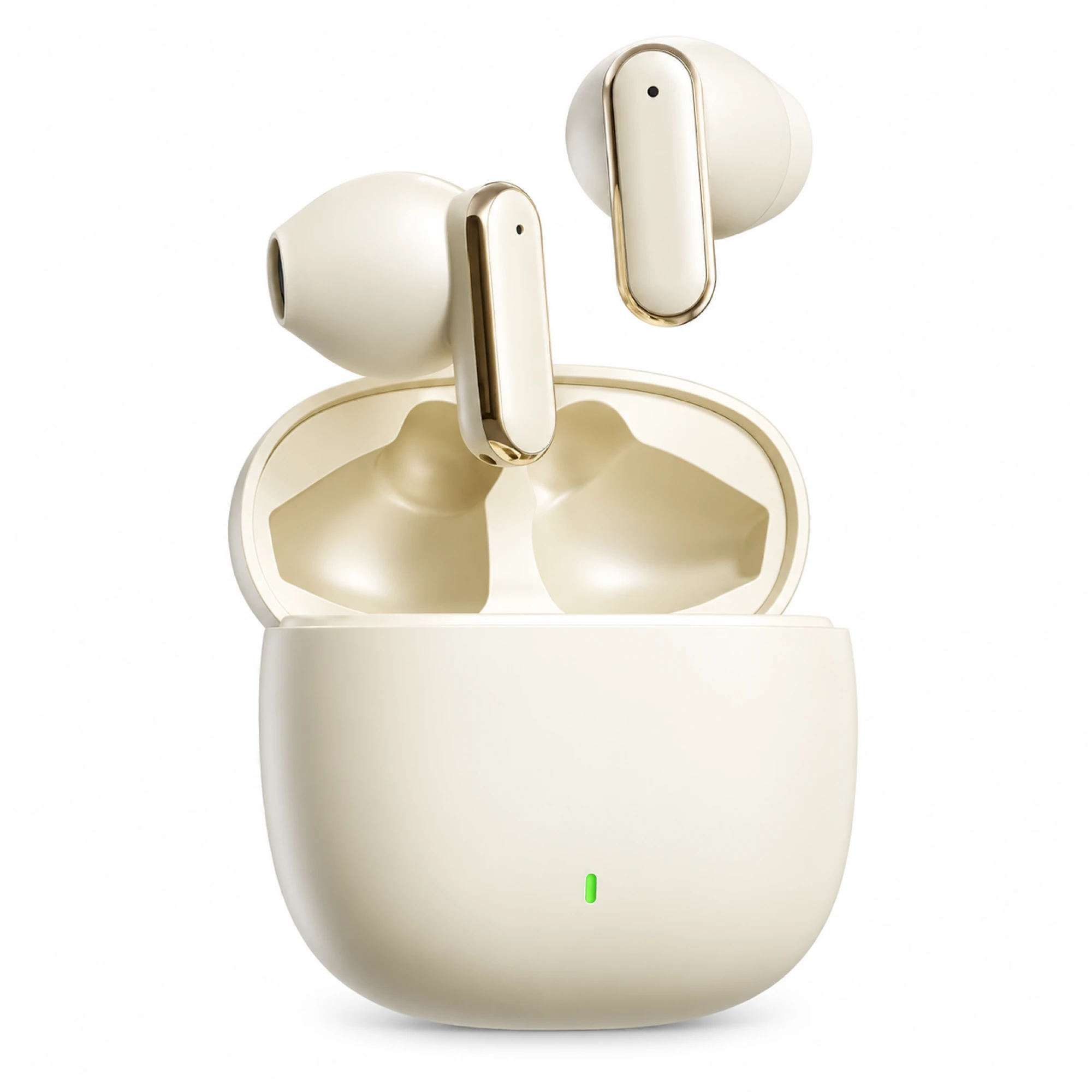 Cream Reflective-Stem Wireless Earbuds
 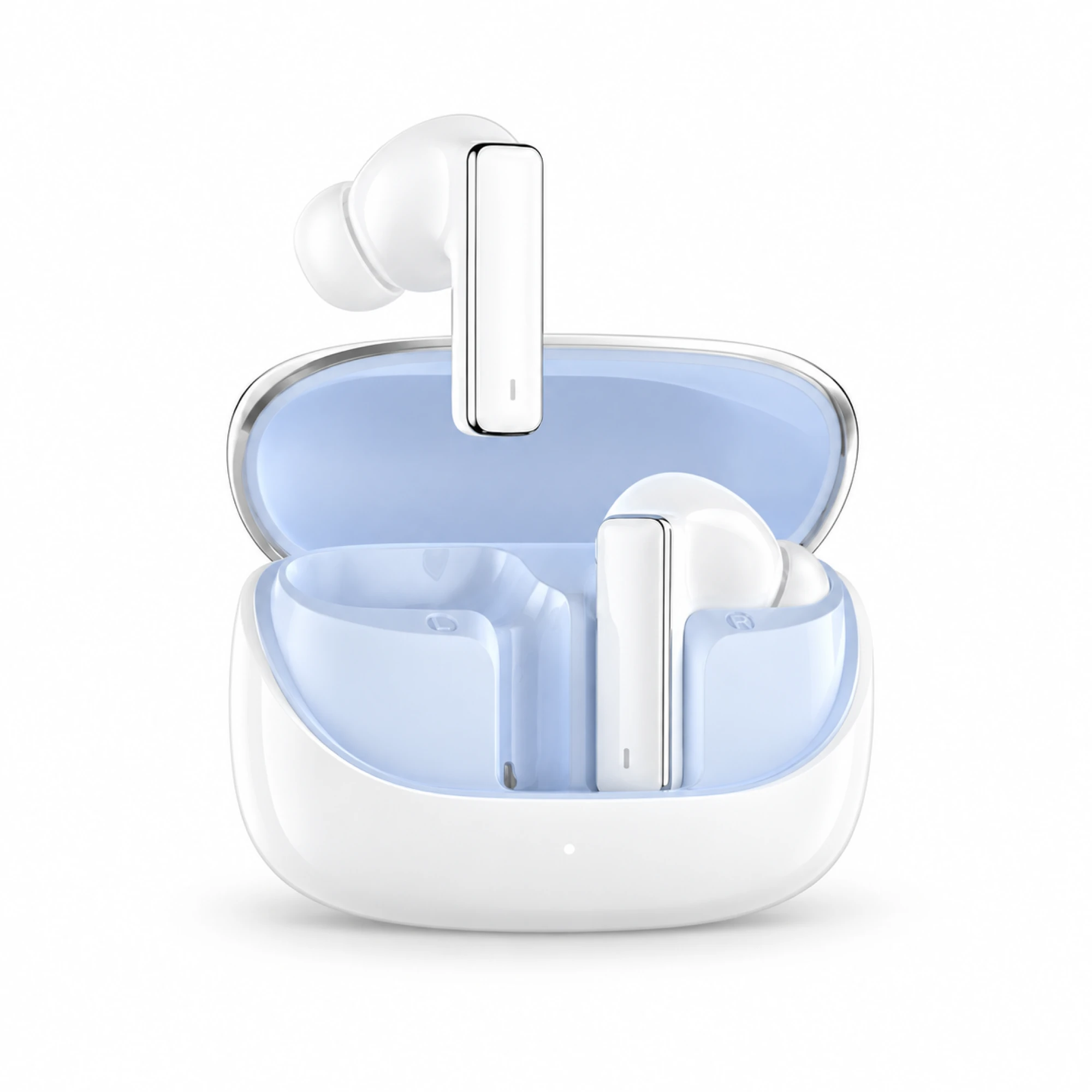 IN-01 White ANC Earbuds with Pale Blue Case Interior
 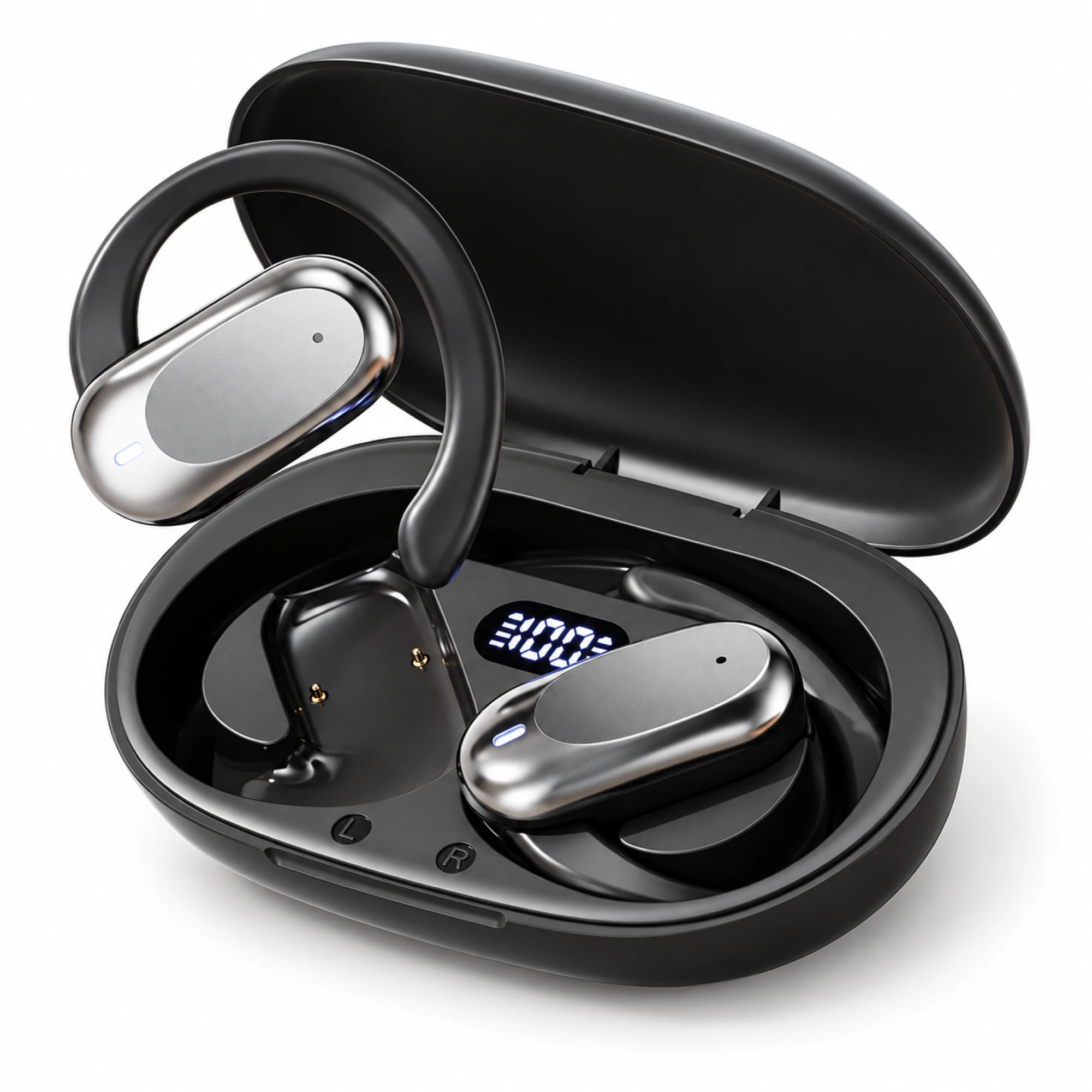 Silver Capsule Open-Ear Earbuds
 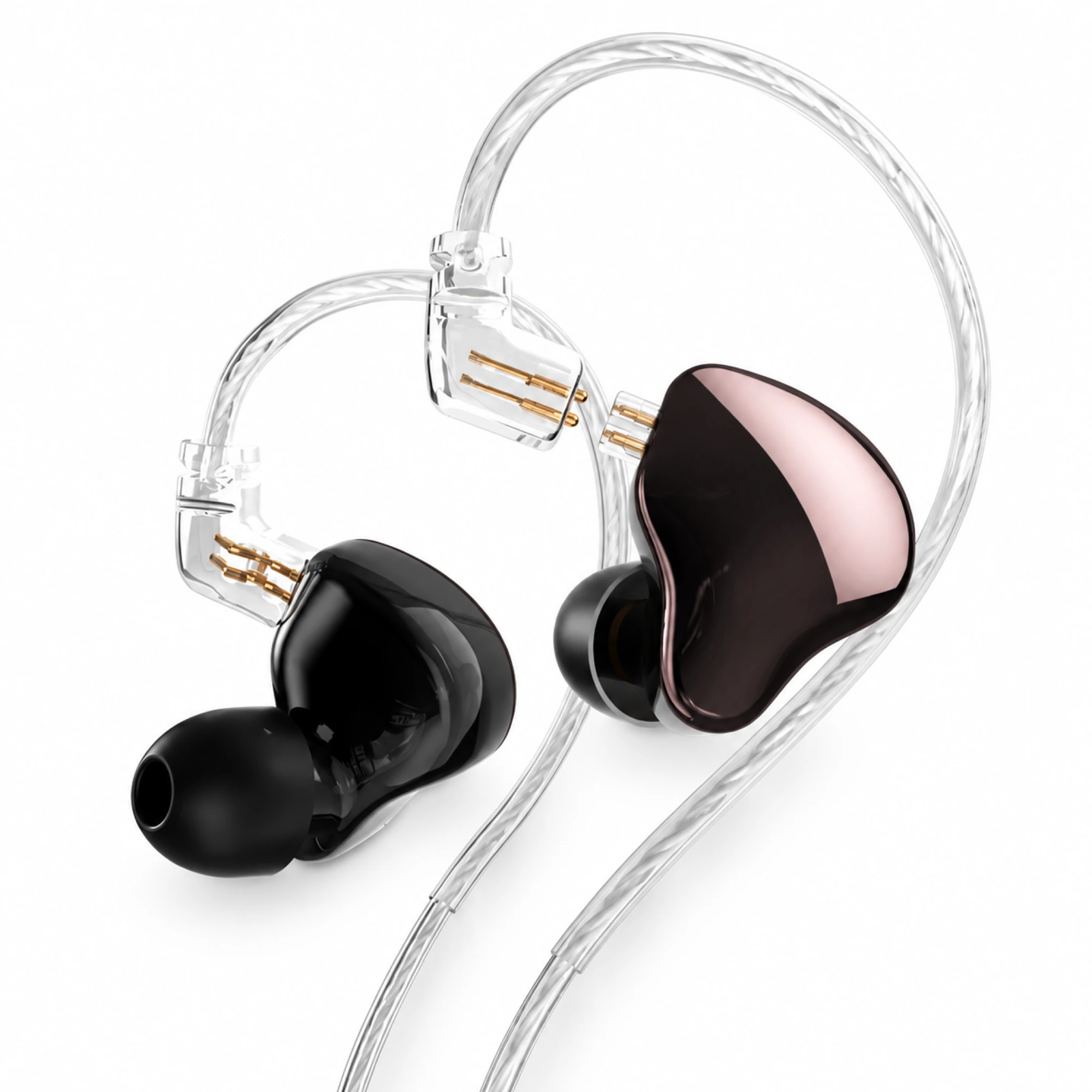 MN Rose-Metallic Detachable In-Ear Monitors
 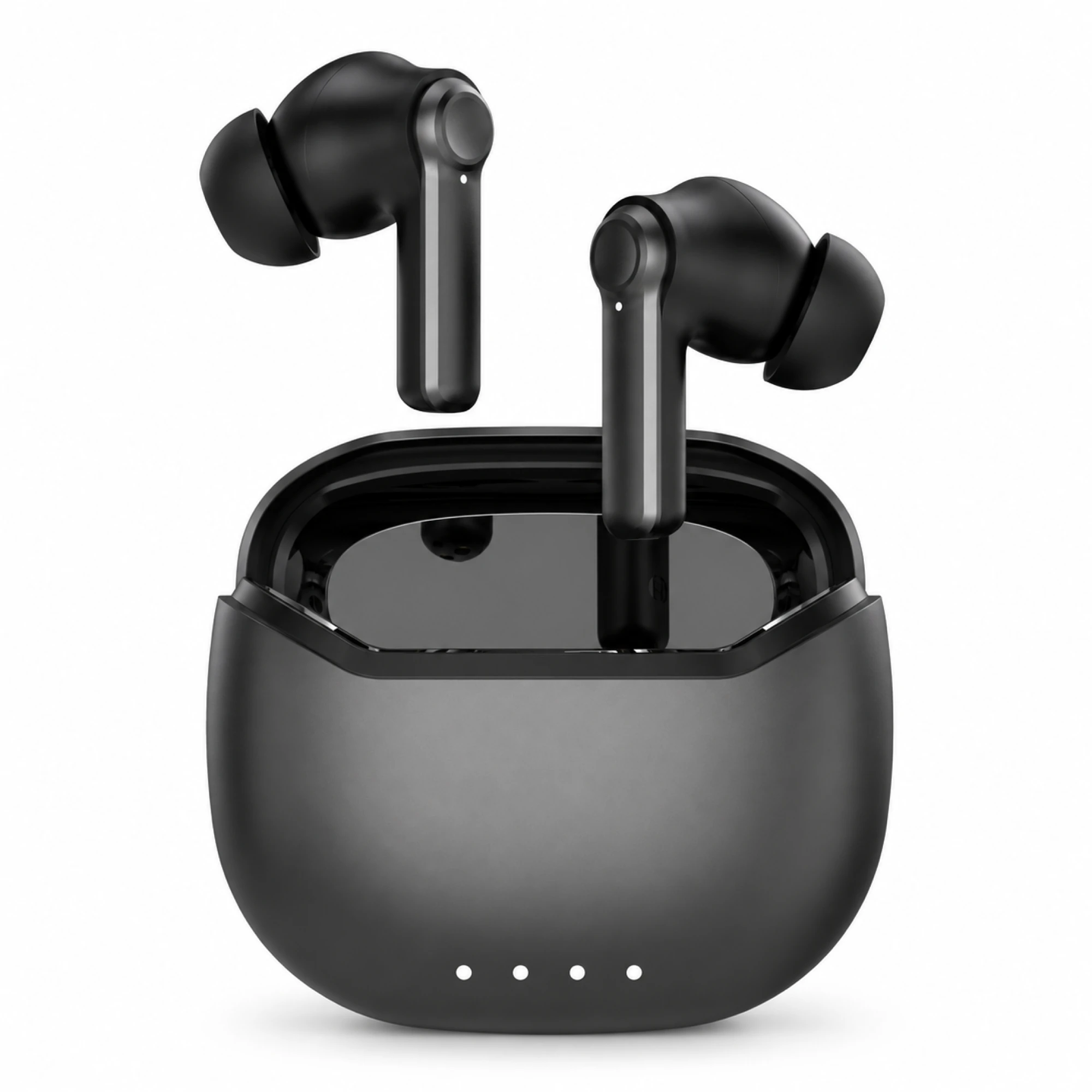 Black ANC Earbuds with Four-Indicator Case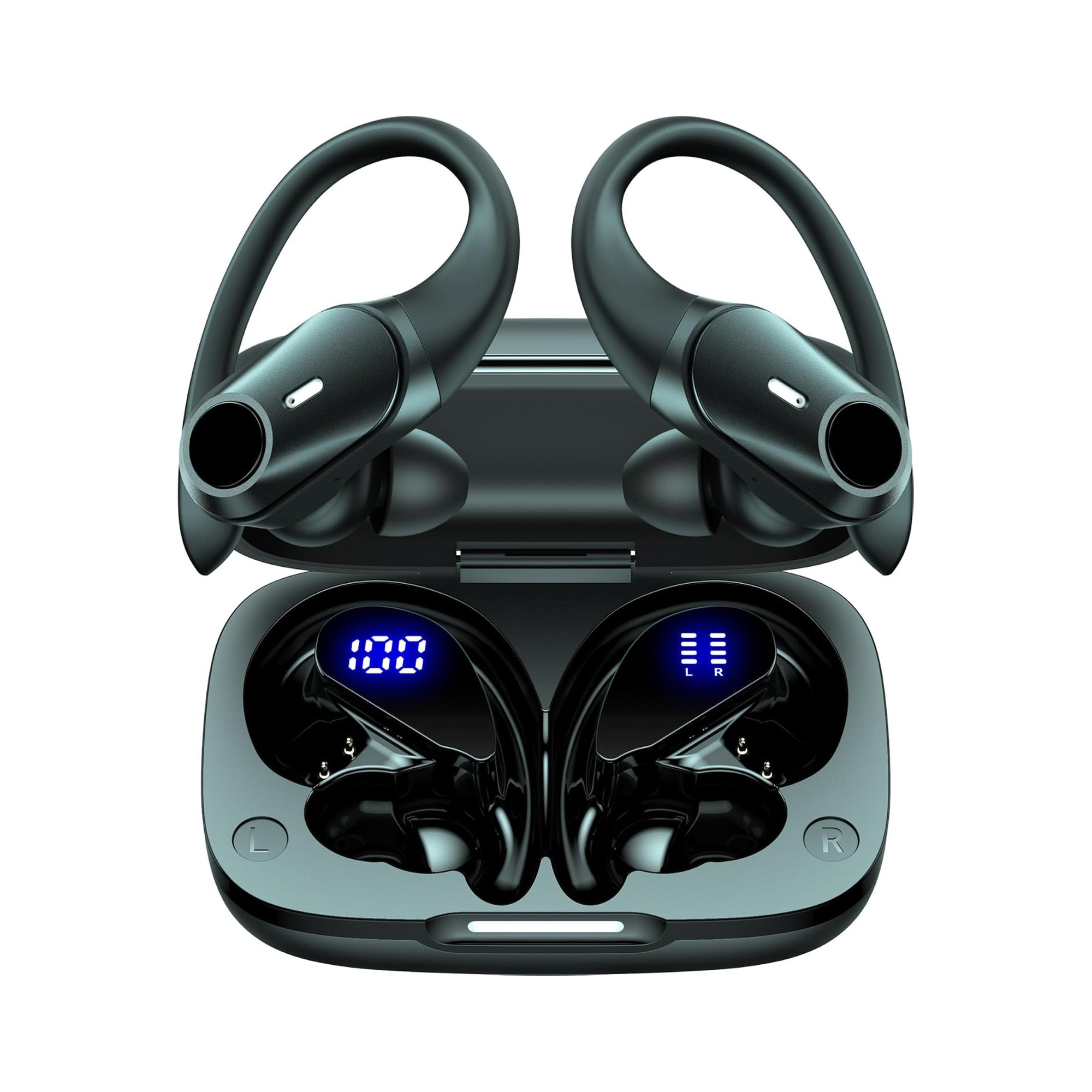
Shopping for earbuds with good sound quality is hard because the phrase covers three things that vary independently: tuning, technical performance, and the seal between earbud and ear canal. Tuning is a taste decision, technical performance is measurable but rarely published, and the seal is supplied by you instead of the manufacturer.
Three layers, and only one of them is under the maker's control
Mixing these three is why two people can disagree about the same pair and both be right.
| Layer | What it is | Who controls it |
|---|---|---|
| Tuning (largely taste) | How loud each part of the range sits relative to the rest: the bass-forward or neutral character | The maker, through acoustic design |
| Technical performance (not taste) | Distortion at volume, how cleanly the driver starts and stops, channel matching | The maker, through parts and quality control |
| Seal (not taste) | How completely the earbud closes your ear canal | You, through tip choice and insertion |
The third row is the one buyers underrate. Excellent tuning and low distortion still sound thin through a broken seal, because a leak drains bass first. An arrival fit check therefore changes what you hear more than most decisions above it, and explains earbuds that seem to lose bass overnight, which is usually a shifted tip rather than a fault.
Why a frequency-response graph tells you less than it looks like
Graphs look more authoritative than they are, for two reasons.
The graph was measured inside an artificial ear
Earbuds are measured sealed into a standardised coupler, an occluded-ear simulator defined in IEC 60318-4. The standard exists so results repeat between laboratories, and it does that well. What it cannot do is match your ear. The simulator has one canal geometry; real canals differ in length, diameter and bend, and a canal is a short resonant tube whose resonance sits at a different point in different people. A graph is accurate about the coupler and approximate about you.
The graph is scored against a preference target
A raw curve means little alone, so a measured response is normally compared against a target derived from listener preference studies: what most people in a study group liked, which is not a law. Deviating from it is a choice rather than an error. A review naming the earbuds with the best sound quality usually means the tuning landed close to a target that reviewer trusts.
The same earbuds do not sound the same to two people
This is not a small effect. Beyond anatomy, two mechanisms stack.
- Fit varies between people and between insertions. Measurement laboratories run a separate consistency pass for exactly this reason: the same earbud measured twice, re-seated in between, does not trace the same curve. A shopper cannot assume that away either.
- Hearing itself differs. Sensitivity to higher frequencies commonly declines with age, a pattern the NIDCD describes as gradual and usually affecting both ears.
A stranger's verdict on good sound quality earbuds is therefore evidence and not proof, which is why we point at tip sizing before spec sheets.
What driver type predicts, and what it cannot
Driver type is the most confidently repeated claim in earbud marketing and among the weakest predictors of how a pair sounds. Type sets constraints; tuning decides the result inside them.
- Dynamic (moving coil). The common true-wireless design, usually moving enough air for full bass from one driver. It spans the cheapest and the dearest earbuds, so the label predicts nothing about quality.
- Balanced armature. Small and efficient, with each unit covering a narrow band, so multi-driver sets need a crossover. That crossover is another thing to get wrong, and single-armature sets often give up low bass.
- Planar magnetic. A flat diaphragm driven across its surface. Rare in wireless on size and power draw, and a wireless version does not escape the usual amplifier and battery limits.
- Bone conduction. It bypasses the ear canal, so the seal layer does not apply at all, and its trade-offs are of a different kind altogether.
Hybrids combine types and add a crossover, which is a tuning problem instead of a shortcut past one. Driver diameter is treated the same loose way: our own listings call both an 8 mm and a 13 mm driver "oversized", so the word is copywriting rather than engineering.
Codec is a small lever pulled loudly
Codec choice sets how audio is compressed for the Bluetooth link, and for most listeners it matters least of everything here. Both ends must support the same codec or the connection falls back to a shared one, so a codec on a box is a capability and not an outcome; the Bluetooth SIG specifications govern what gets negotiated. Where tuning and seal are the limiting factors, the codec is not the bottleneck, though it does change latency.
Ranked by how much each changes what you hear: seal, tuning, volume and source material, technical performance, codec. Buyers read that list backwards, which is how earbuds with great sound quality on paper end up disappointing in the ear.
Where our own listings go quiet
A page arguing that specs are unverifiable should show its own. Search every text field across our range and the acoustic numbers are simply absent: no frequency response, no impedance in ohms, no total harmonic distortion figure, no sensitivity in dB/mW. Roughly two listings in three mention a driver, a minority name the type, and fewer still give a diameter in millimetres. Many call the sound "Hi-Fi"; almost none claim the certified Hi-Res Audio logo, which is a certification rather than a description. Fewer than one listing in five names a codec, and only a handful offer any equaliser, so on almost everything we sell the factory tuning is the tuning.
Two criticisms of ourselves follow. Series 216, $51.73 as the listing reads today, carries supplier copy promising "up to 3× more audio data than conventional codecs", with no codec named and no method given, so it is not a claim we can stand behind. Series 151, $28.39, claims a balanced armature, but the same description goes on to describe a neckband with a 1,000 mAh battery and 200 hours of playtime, which is a different product entirely, so we treat that driver claim as unverified until it is corrected.
The rule applies to everyone equally: nobody should buy on unpublished specifications. If a figure is not printed, treat it as absent instead of implied, ours included. Our Open-Ear Clip-On Earbuds, $28.99, show the better version by stating the trade-off outright: without a seal, low frequencies feel lighter. A written consequence beats an unmeasured graph. Both shapes sit in the everyday wireless earbuds range.
A ten-minute test that beats a spec sheet
Do this on arrival, inside the return window, with the same three tracks.
- Fix the seal first. Try every tip size. Bass that appears when you press an earbud gently inward means the seal was the problem, and the earbud was not.
- Check channel matching. A centred vocal should sit dead centre; if it pulls sideways, read one earbud quieter than the other before blaming tuning.
- Listen at normal volume, then push once. Turning up flatters everything, but the loudest passage you tolerate is diagnostic: loose bass and hardening treble is distortion, audible without instruments.
- Wear them for an hour. First impressions favour boosted bass and bright treble; fatigue shows later. The best earbuds for sound quality are the ones you stop noticing.
Questions about judging earbud sound
Which earbuds give the best sound quality?
Nobody can answer that for you, because two of the three layers, tuning preference and seal, depend on the listener. Independent laboratories measuring in controlled conditions are the right source for a shortlist, and the fit work is yours. Treat any seller's claim to stock the best sound quality earbuds, ours included, as marketing until measurement backs it.
How to know if earbuds have good sound quality?
Before buying you generally cannot, because the figures that would settle it are almost never published, a gap our own catalogue demonstrates. After buying, the test above gets you most of the way: seal, centring, normal volume, deliberate distortion, an hour of wear. That sequence separates a fault from an unfamiliar tuning.
What earbuds do audiophiles use?
Listeners who care most about measured performance tend to favour wired in-ear monitors, often multi-driver or planar, because a wire removes the codec and amplifier compromises that wireless accepts. Many keep a wireless pair alongside for convenience. We sell nothing wired, so we can only tell you where the boundary sits.
What to do with all that before buying
Sound quality is three things wearing one name. Tuning is preference, and a frequency-response graph describes a standardised artificial ear instead of yours. Technical performance is objective but almost never published at this end of the market. Seal is the largest variable and the one you control, so fit work pays better than spec comparison. Driver type sets constraints, codec sits at the bottom, and across our range there is not one frequency response, impedance or distortion figure to compare, so nobody should decide this on specifications that were never printed.