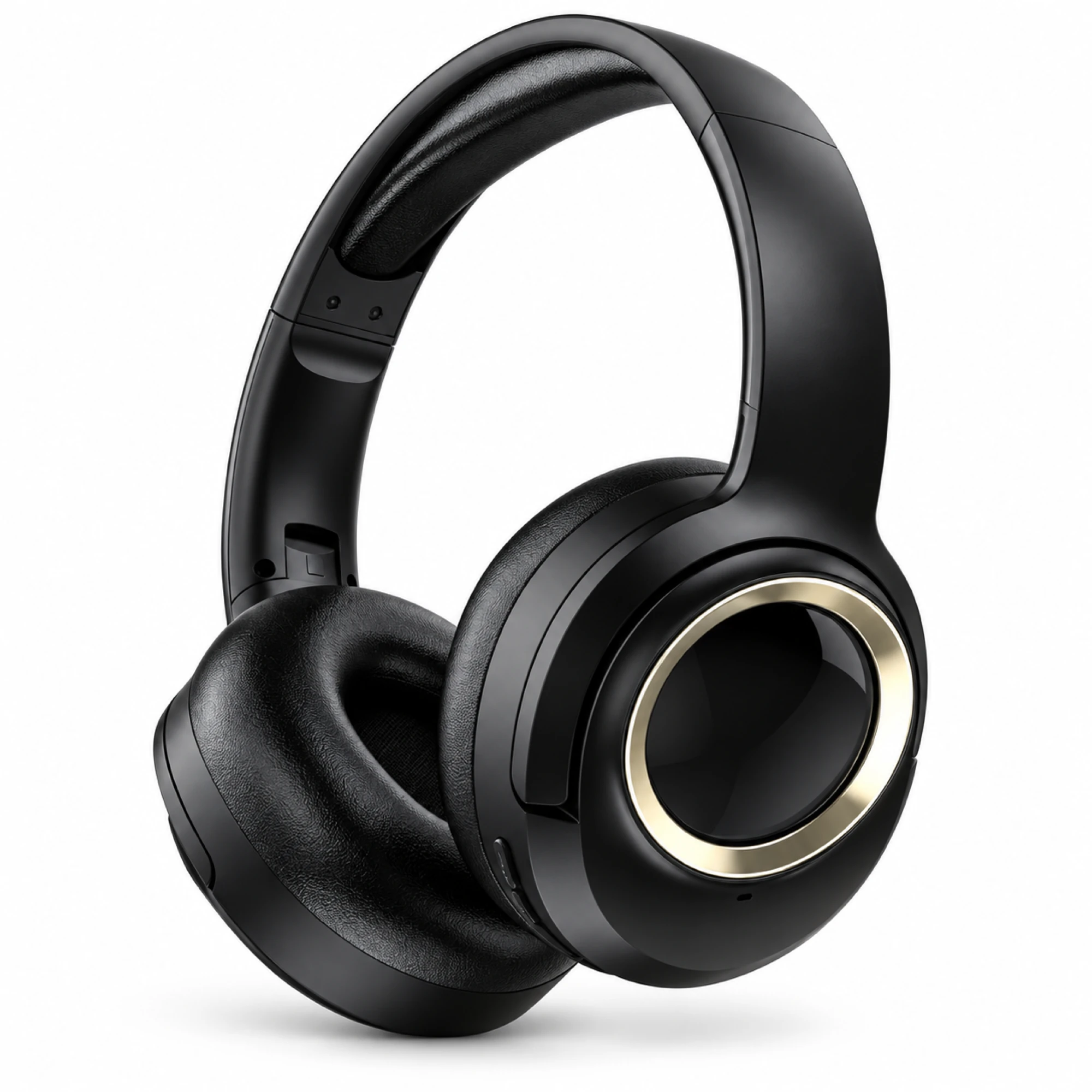
 MX-21 Black and Gold Wireless Headphones
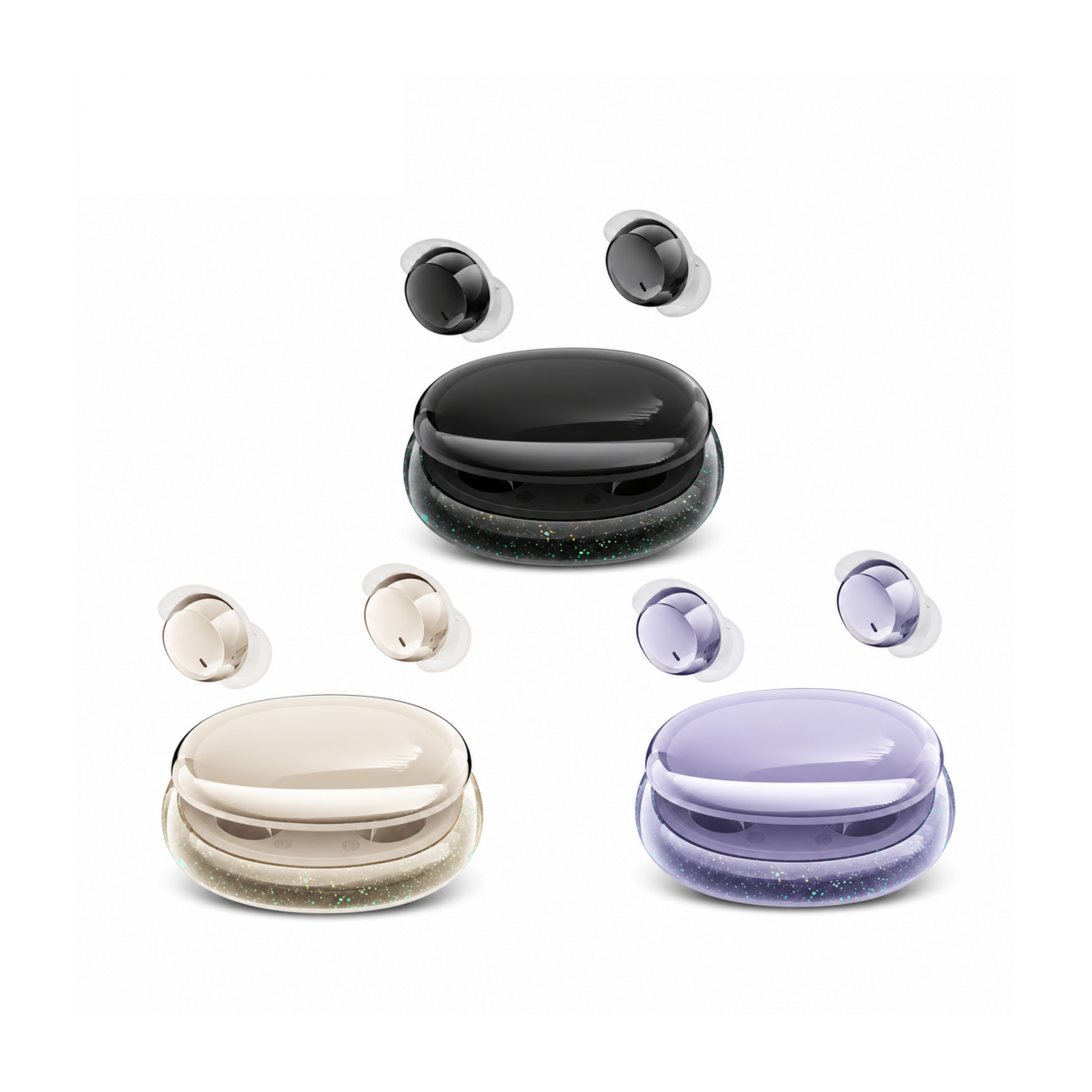
 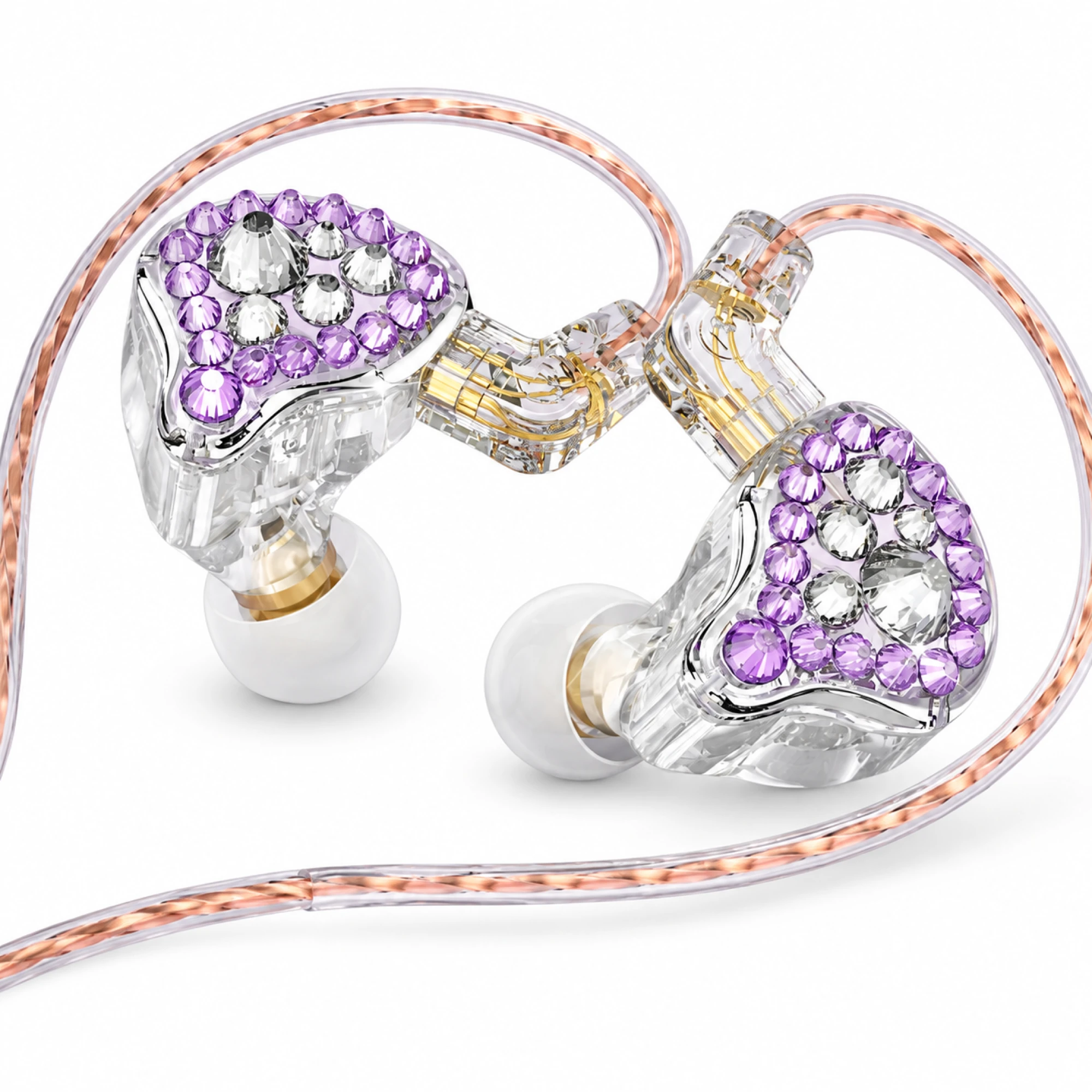 Q2 Pro Purple Crystal In-Ear Monitors
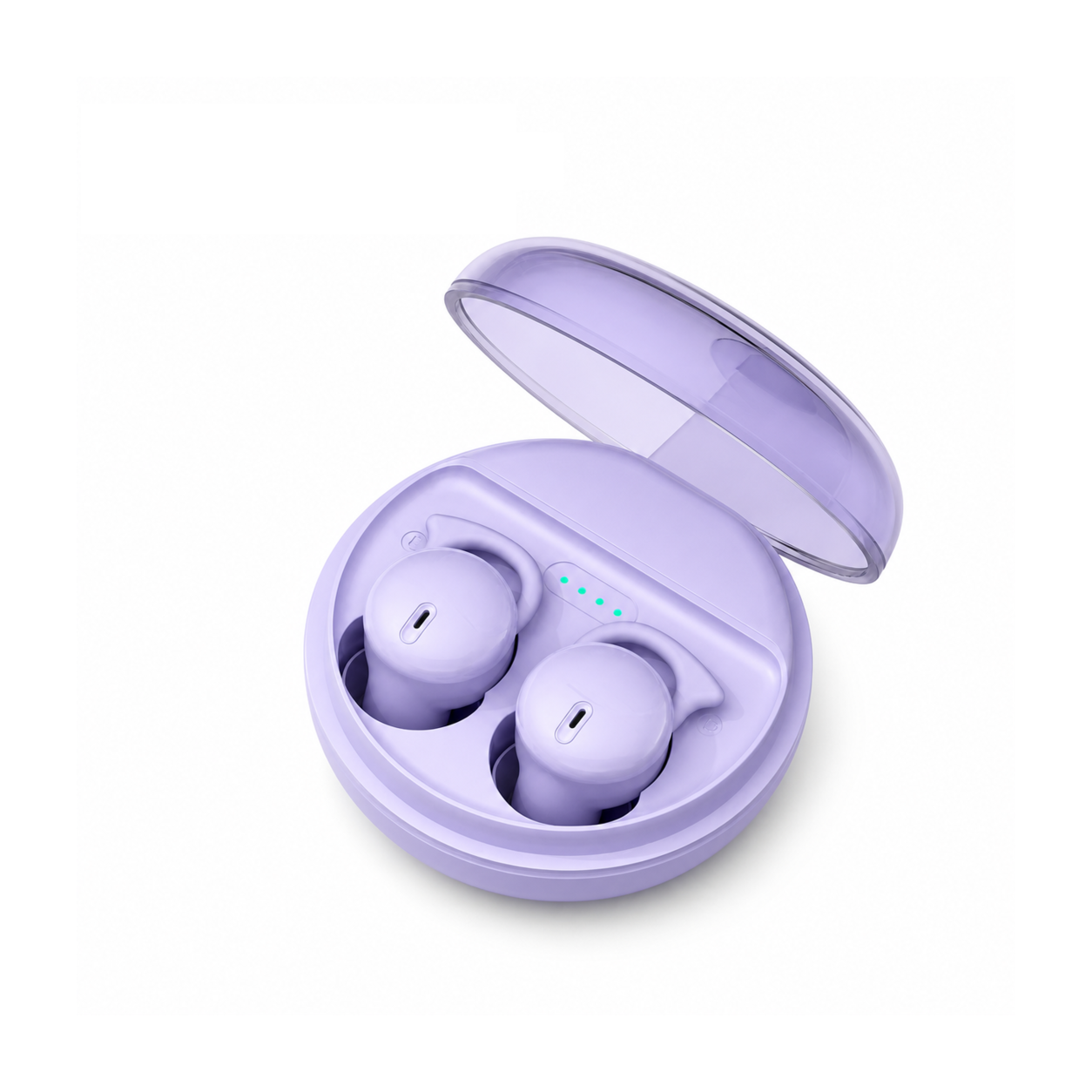
 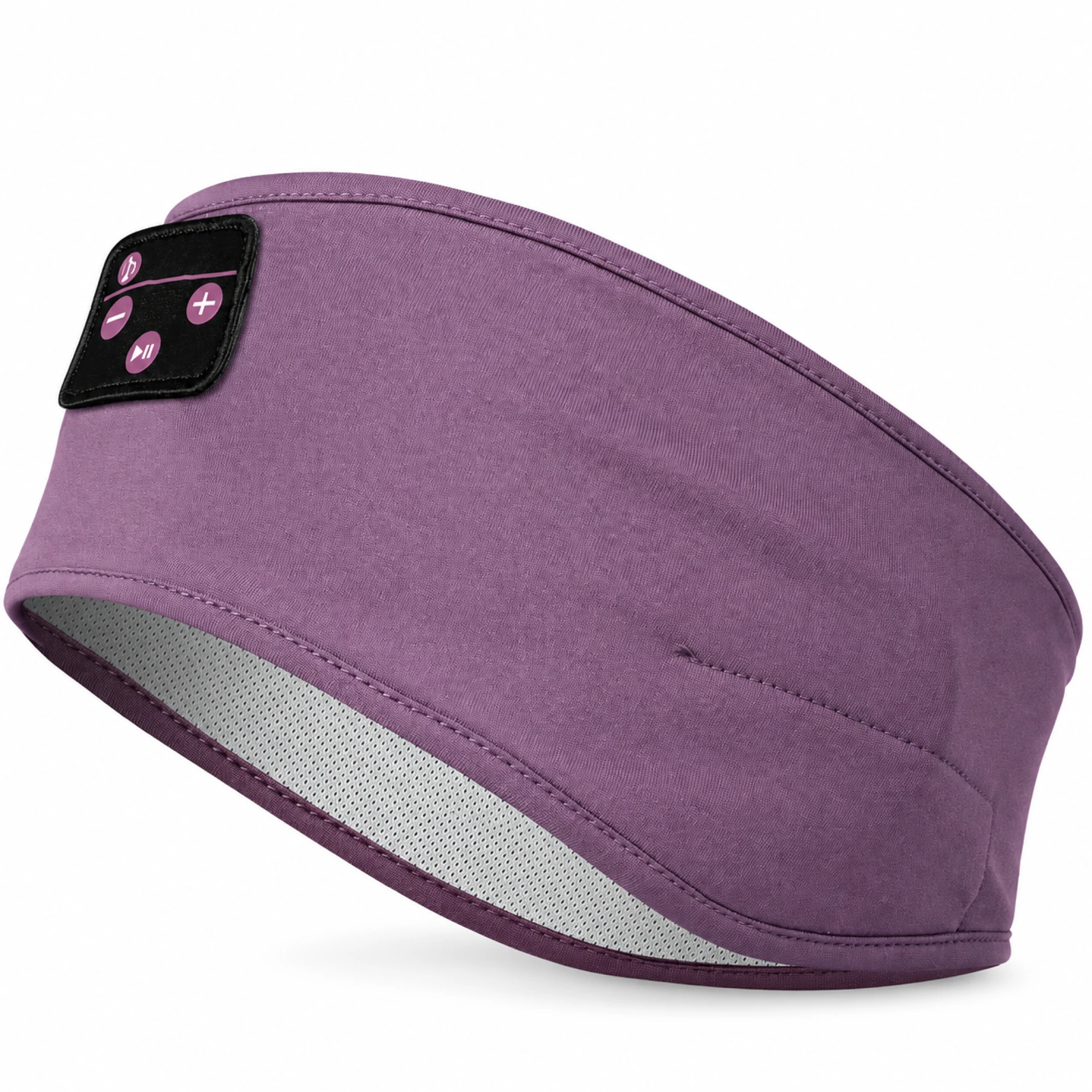 Purple Sleep Headband Headphones with Triangle Controls
 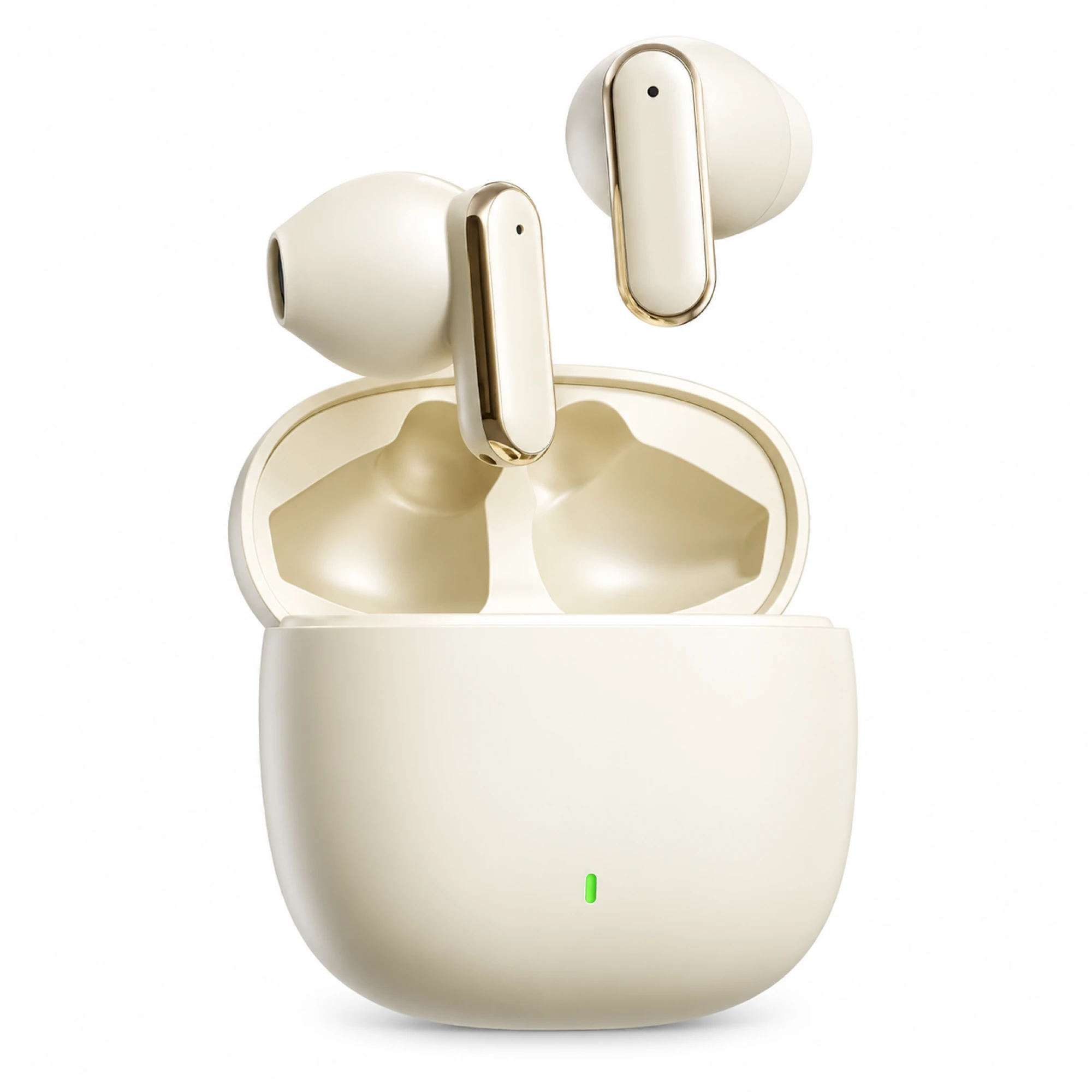 Cream Reflective-Stem Wireless Earbuds
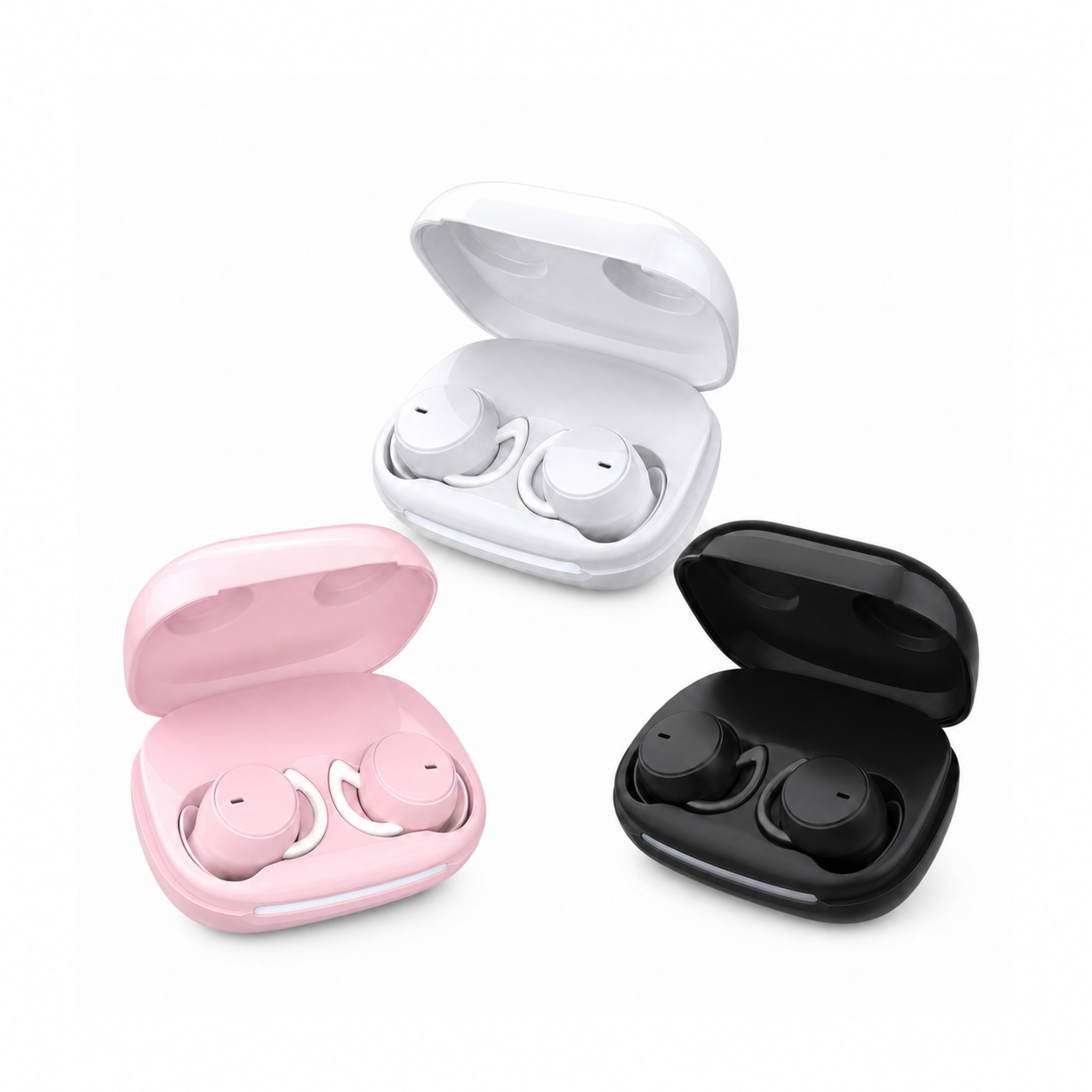
 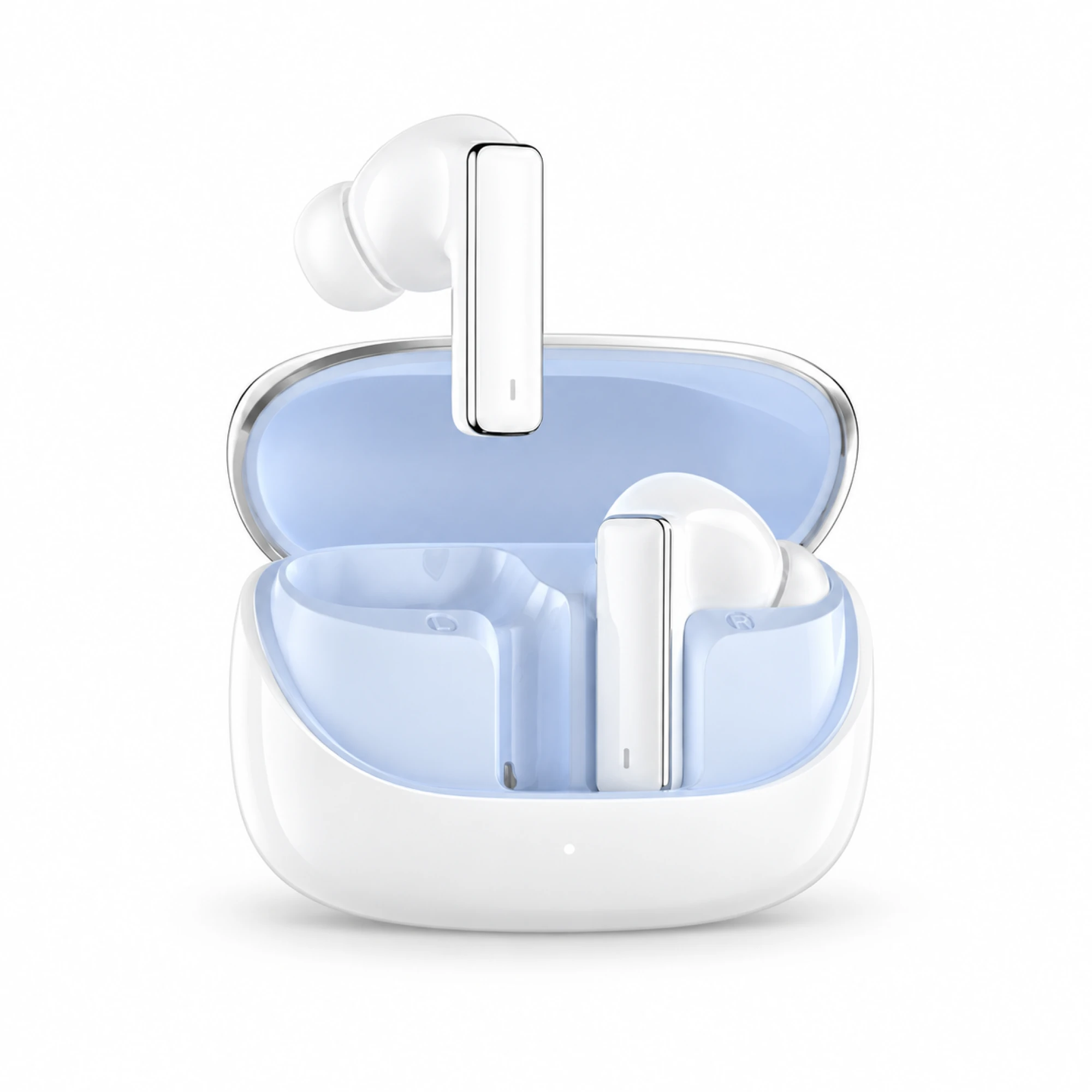 IN-01 White ANC Earbuds with Pale Blue Case Interior
 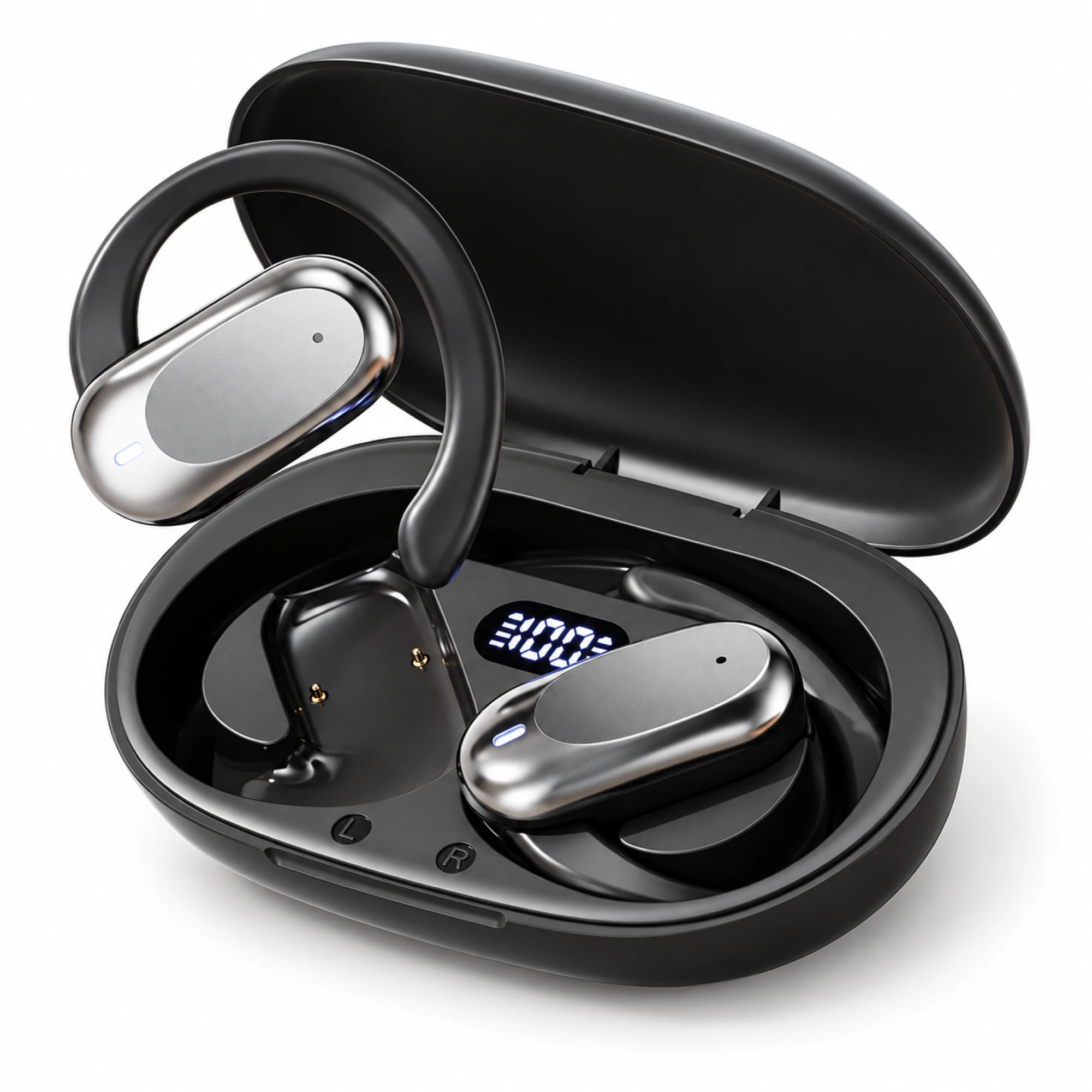 Silver Capsule Open-Ear Earbuds
 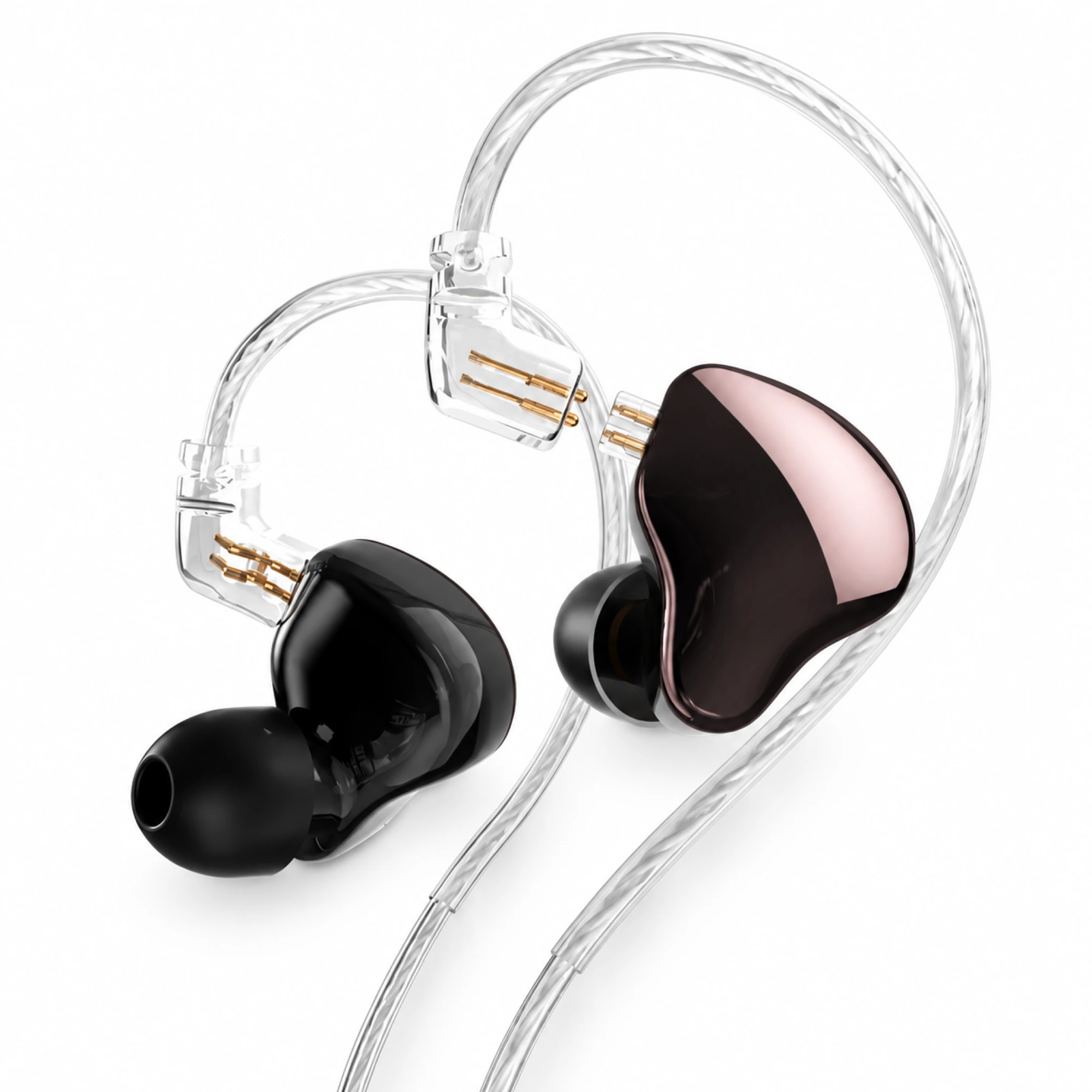 MN Rose-Metallic Detachable In-Ear Monitors
 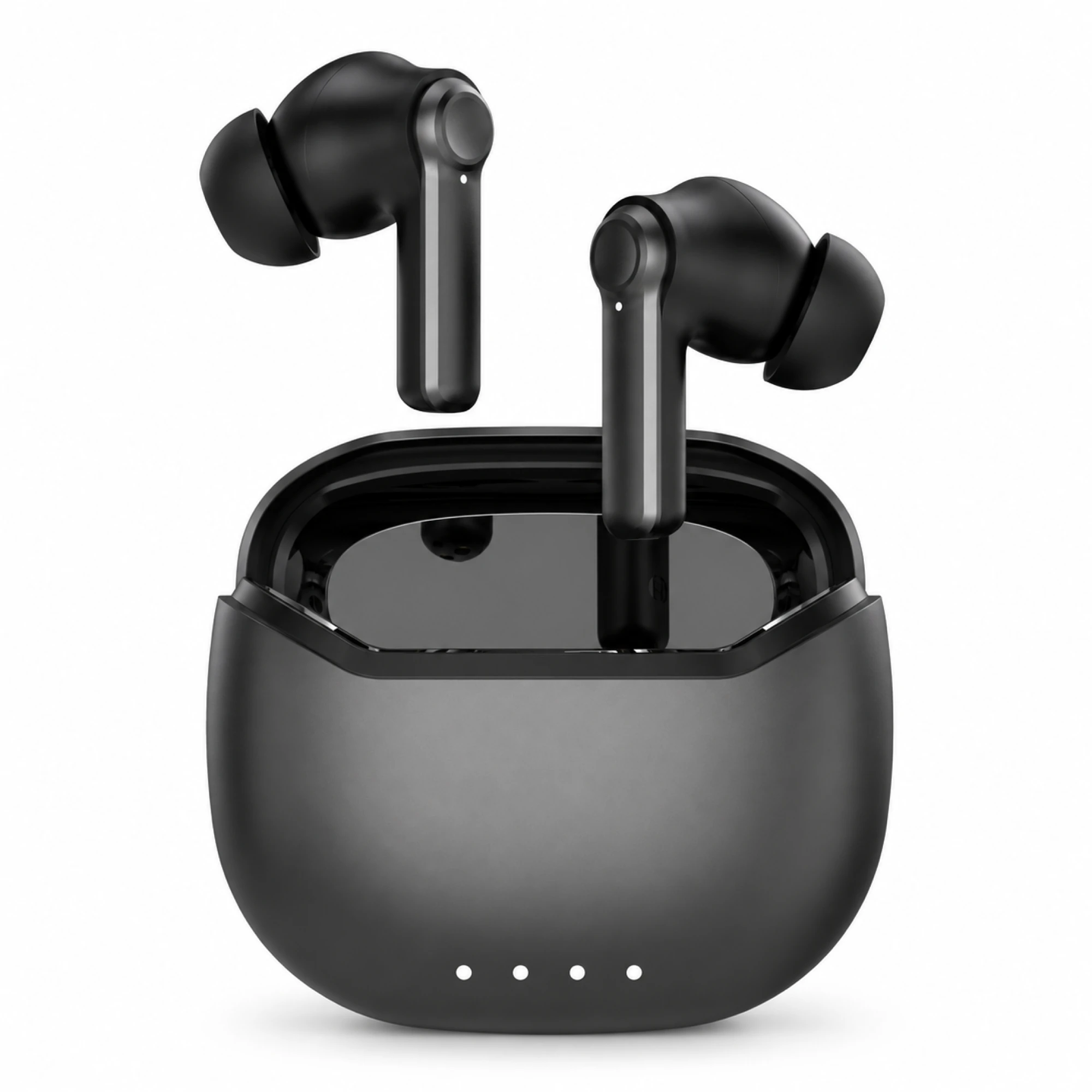 Black ANC Earbuds with Four-Indicator Case
 Noise masking earbuds for sleep do not make a room quieter. They raise the background level so an intruding sound stands out less against it. That only works if the added sound overlaps the intruder in frequency, holds one level all night, and does not stop. Get any of those three wrong and the masking fails quietly.
Masking adds sound instead of removing it
Isolation and cancellation both reduce the energy reaching your eardrum. Masking does the opposite: it adds a steady sound so the disturbing one has less contrast to stand out against. Your room is not quieter afterwards. It is louder, in a boring way.
That can still help, because sleep tends to be interrupted by change more than by loudness alone. In a small polysomnography study, five subjects slept through recorded intensive-care-unit noise with and without added white noise. The recorded ICU noise pushed the arousal index from 13.3 to 48.4 per hour; adding white noise brought it back to 15.7, close to the quiet baseline. The useful finding sits underneath: what predicted an arousal was the jump from background to peak, and shrinking that jump is all the white noise did. Raising the floor meant identical peaks travelled less distance. Five subjects in a laboratory, so read it as mechanism and not as proof.
The masker has to sit in the same frequency band as the noise
This decides most outcomes. Masking is frequency-specific: a sound mainly masks other sounds close to it in pitch. A deep rumble does little to hide something sharp and high; a thin hiss does little to hide a bass line through a wall.
Masking does spread upward more readily than downward, so a strong low sound reaches some way into higher frequencies while a high one barely reaches down. That is no argument for bass-heavy maskers: the upward spread only matters at higher levels, and level is what you should not be spending.
| What is waking you | Where its energy sits | A masker that overlaps it | The common mismatch |
|---|---|---|---|
| A partner's snoring | Low rumble plus irregular mid-frequency snorts | Broadband sound with real mid-range content | A deep-only track covers the rumble and leaves the snort exposed |
| Voices or a TV through a wall | Mid frequencies, where speech lives | Fan-like hiss or steady rain | Low rumble leaves speech intelligible, and half-audible speech is the hardest thing to ignore |
| Traffic or a motorway hum | Mostly low, fairly continuous | A deeper, low-weighted sound | A bright hiss sits above the noise and becomes a second sound |
| Door slams, a dog, a car alarm | Sudden, broadband, very high peak | Realistically nothing | Trying anyway; the jump is too large to cover at a sleepable level |
The test takes one evening. Sit in the room while the noise is happening, play a candidate quietly, and judge whether the intruder becomes less noticeable, as opposed to merely quieter. If you can still pick the snore out cleanly, the band is wrong rather than the volume.
Why volume creep happens, and why more level rarely fixes it
Volume creep is the standard failure. It has three causes, and only one is fixed by turning anything up.
- You set the level against silence. Most people choose a level at lights-out, before the noise starts. Once the snoring begins that level is under-matched, and the response is to raise it. Set it while the noise is present instead.
- The masker is in the wrong band. If it does not overlap the intruder, no level covers it; you are only making the wrong sound louder.
- You stop noticing the masker. A steady, featureless sound fades from attention within minutes and feels as though it has grown quieter. It has not, and it is still working. A masker need not be audible to raise the floor.
The third cause turns one adjustment into a ratchet: nudge, adapt, nudge again. WHO safe-listening guidance ties risk to level and duration together, and eight hours is a lot of duration; our bedtime volume guide covers holding a level.
One structural point favours a sealed earbud. A seal lowers the intruder's level at your eardrum, which lowers the masker level needed to cover it. Isolation is what lets masking stay quiet.
If a product causes pain, irritation, ringing or a noticeable hearing change, stop using it and seek qualified care.
What happens when the track loops or stops
A masker's value is that it is uneventful, so anything that introduces an event (a click, a gap, a level change, silence) undoes it at the worst possible hour. Loop seams are the underrated one. Rain, fan and ocean files are often finite recordings set to repeat, and if the loop point was not edited cleanly there is a click, gap or level jump each time it comes round: on a thirty-minute cycle, a scheduled disturbance all night. Synthesised noise has no seam; a recorded file may. Play a candidate awake, at your normal level, through two or three loop points and listen for the join.
Then there is stopping altogether. When the masker ends the floor drops and the next peak travels the full distance again, which is why the wake-up often lands after the audio has finished.
| What stops the sound | When | What to check |
|---|---|---|
| A sleep timer in the app | 15 to 60 minutes in | Masking sleep onset only, or the whole night? Decide it yourself instead of inheriting a default |
| Battery saver, focus modes, automations | On a rule set months ago | Whether your phone's night-time rules pause or mute media |
| Earbud idle power-off | After a gap with no audio | Continuous playback usually prevents it; silence between tracks can trigger it |
| Bluetooth dropping as you roll over | Any change of position | Where the phone sits; your body absorbs 2.4 GHz, so a torso in the path is a real cause |
| The earbuds run out of charge | Model-dependent | Whether the quoted figure is per charge or a case-inclusive total |
That last row deserves plain language. Sleep earbud listings, ours included, often quote a combined figure such as "up to 20 hours with the case." That is a total across several charge cycles rather than one uninterrupted run, and many listings never state per-charge runtime. Test it on a night when waking early costs nothing, and check whether your alarm still reaches you; see will your morning alarm still play.
How far the sleep studies go
The psychoacoustics of masking are well established. The sleep outcomes are thinner than the marketing suggests. The ICU study above (Stanchina and colleagues, Sleep Medicine, 2005) is mechanistically clean but tiny. A later trial, Ebben, Yan and Krieger in Sleep Medicine, 2021, gave ten people living with high environmental noise in New York City a week of white noise and found improved sleep on both diary and actigraphy: shorter sleep latency and less time awake after falling asleep. Ten people and one week: a signal rather than a settled result.
So: a plausible mechanism with small-scale support. That noise harms health is far better supported; the WHO environmental noise guidelines for the European Region exist to protect communities from road, rail, aircraft and leisure noise. "Masking reliably fixes it" is a much smaller claim resting on much smaller evidence.
Our sleeping models and what each states about isolation
The limits matter first. None of the four models below documents an onboard noise generator, so the sound comes from your phone and most of the failures above are phone-side settings. Each describes passive isolation and makes no active-cancellation claim. What they offer is a seal in a shape that survives a pillow.
- EARSOLE Q26 Bluetooth 5.3 Sleeping Earbuds: $29.99 on the listing today, up to 20 hours total with the case, five colours, isolation stated as passive.
- EARSOLE Low-Profile Sleeping Earbuds: $31.99 on the listing today, stemless, up to 20 hours combined, with a "dynamic sleep-support mode" the listing calls a listening mode and distinguishes from cancellation.
- EARSOLE 2.4g Mini Sleeping Earbuds: $32.99 on the listing today, listed at 2.4 g per earbud with a curved stabilising ear wing.
- EARSOLE MY-20 Soft Silicone Sleeping Earbuds: $33.99 on the listing today, soft silicone contact surfaces for ears that hard housings irritate.
The full sleeping earbuds collection shows what each model specifies. If your problem is a low continuous drone, cancellation handles it better than any seal, and none of these four offers it.
Questions we get about masking at night
Does active cancellation help at night, or only a seal?
Cancellation works well against steady low-frequency sound such as a fan, an engine or air conditioning, and much less well against irregular higher-frequency events. It suits a droning room more than a household. A seal reduces everything a little and lets you add masking on top, which is the combination that covers a snore or a voice through a wall.
What blocks the most noise while you sleep?
For pure attenuation with no battery involved, well-fitted foam earplugs remain the strongest option. Sealed earbuds block less but let you add masking sound, covering the peaks that earplugs leave audible; the two approaches are compared in sleep earbuds versus earplugs.
Will masking cover a snoring partner?
Often, provided the masker has real mid-range content. Snoring is where cancellation is most often oversold: it reduces the low rumble and does little for the snorts that wake you, because those are irregular and sit higher in frequency. A seal plus a quiet broadband masker generally does more, as our guide to earbuds for a snoring partner works through.
- Stanchina et al., The influence of white noise on sleep in subjects exposed to ICU noise, Sleep Medicine, 2005
- Ebben, Yan and Krieger, The effects of white noise on sleep and duration in individuals living in a high noise environment in New York City, Sleep Medicine, 2021
- WHO Environmental Noise Guidelines for the European Region
- World Health Organization: safe listening